REVIEW · SIHANOUKVILLE
KAMPOT TRAVEL-Pepper farm. Cave.Secret lake-Crab market & Salt…
Book on Viator →Operated by Tango · Bookable on Viator
Tuk-tuk days in Kampot move fast. What makes this outing special is the mix of real countryside stops and hands-on local production, from pepper growing to sea salt. I especially like the private feel of a group-only itinerary and the way your Kep crab market meal comes together fresh right in front of you. One thing to consider: the schedule is a full day, and the most time-sensitive stop is the salt fields—so keep an eye on timing so you don’t miss it.
Guides matter here, and Tango has a reputation for keeping things smooth and answering questions as you go. You’ll get pickup, plenty of water, and entry covered for each main stop, which makes this easier to plan than piecing everything together on your own.
In This Review
- Key highlights worth your attention
- A Tuk-Tuk Day Through Kampot and Kep
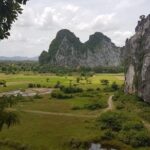
- First Stop: Phnom Chhngok Cave Temple
- Brateak Krola Lake, the Secret Lake With a Khmer Rouge Past
- La Plantation Pepper Farm and the Work Behind Your Spice
- Kampot Salt Fields and Old-Style Sea-Salt Making
- Kep Crab Market Dinner Setup and Sunset at the Beach
- Price and Logistics: What $23 Really Gets You
- Who This Tour Fits Best (and Who Should Think Twice)
- Should You Book This Full-Day Kampot and Kep Tuk-Tuk Tour?
- FAQ
- What is the tour price?
- How long is the experience?
- Is pickup included?
- Is the tour private?
- What stops are included?
- Are entrance fees included?
- What’s included in the package?
- What if I’m staying outside Kampot town?
- Is there free cancellation?
- What’s the pepper farm guide language?
Key highlights worth your attention
- Phnom Chhngok Cave Temple: a distinctive Hindu cave temple stop with included entry
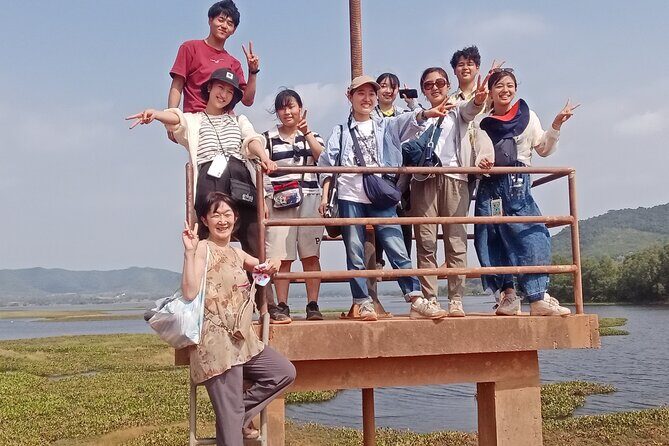
- Brateak Krola Lake (the Secret Lake): a short visit to a site tied to the Khmer Rouge era
- La Plantation pepper walk: learn how pepper is grown, harvested, and processed (French/English/Khmer guides available)
- Kampot Salt Fields: old-style sea salt production methods you can actually see
- Kep Crab Market dinner setup: pick seafood and watch it cooked before you eat
- Tango-led private group pacing: maximum group size keeps the day personal
A Tuk-Tuk Day Through Kampot and Kep
This is the kind of tour that helps you connect dots fast. Instead of only seeing famous sights, you spend the day in the spaces where Kampot and Kep get their flavors and livelihoods: spice farms, salt pans, and a market built around the daily catch.
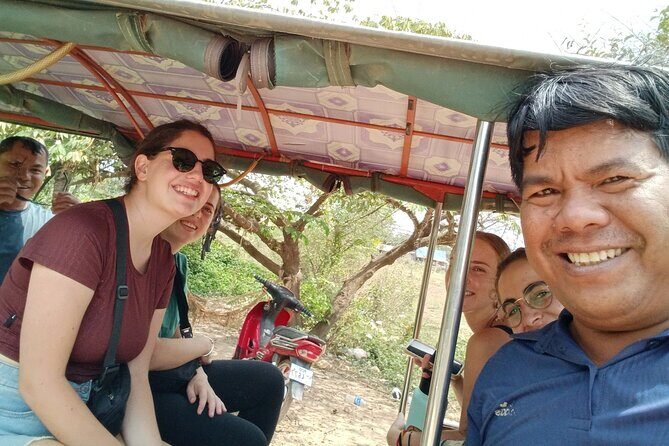
The timing is practical. You’re out for about 6 to 8 hours, with pickup included and transportation handled by the tour. Entry tickets are also included, so you can focus on the stops instead of figuring out multiple fees.
The vibe is private for your group only (not a mixed bus tour), with a maximum of 12 travelers. That small cap matters because you’re moving through caves, farms, and markets where it helps to not feel rushed or lost in crowds.
You can also read our reviews of more shopping tours in Sihanoukville
First Stop: Phnom Chhngok Cave Temple
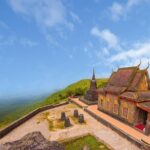
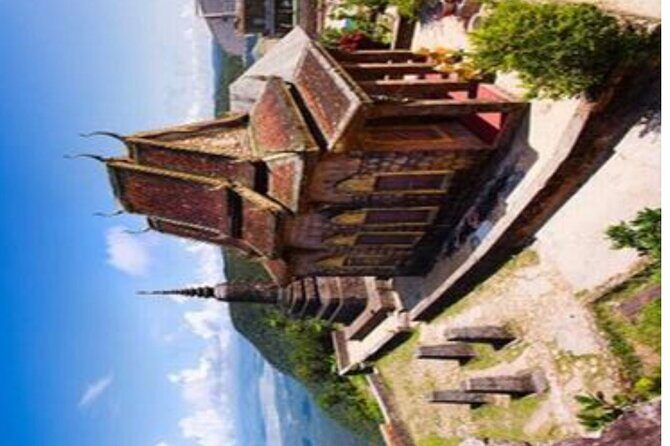
You’ll start at Phnom Chhngok Cave Temple for about an hour with admission included. This is a unique Hindu cave temple in Cambodia, and the main draw is that you’re not just looking at a monument from the outside—you’re stepping into a cave setting where the temple experience feels more enclosed and atmospheric.
Why I like this stop: it works as a quick culture anchor early in the day. The moment you transition from town life into a temple space, your brain shifts gears from “tour mode” to “place mode.” You’ll also have time here to slow down. Even though it’s a cave temple, the allotted time suggests you won’t be yanked through like a checkpoint.
What to watch for: caves usually mean uneven ground and darker interiors. Wear comfortable shoes you’re willing to get dusty. If you want photos, plan for shaded areas where your phone camera might need a second to focus.
Brateak Krola Lake, the Secret Lake With a Khmer Rouge Past
Next up is Brateak Krola Lake for around 30 minutes. You’ll hear it called the Secret Lake, and it’s tied to a heavy chapter of Cambodia’s history.
This lake was built in the 1970s by the Khmer Rouge using forced labor, and many Cambodians died during that period. The tour keeps this stop short, but the impact lands because it’s not a casual scenic detour. You’re visiting a place where the landscape is inseparable from what happened there.
How to approach it: keep your expectations grounded. This isn’t mainly about taking selfies or collecting view angles. It’s about recognizing what you’re seeing and letting the silence do some work. If you’ve ever felt uncomfortable at historical sites, you may feel it here too. That’s normal.
Practical note: at only half an hour, you’ll want to listen first, then decide how much walking you want to do around the lake area. Don’t burn all your time searching for the perfect shot.
La Plantation Pepper Farm and the Work Behind Your Spice
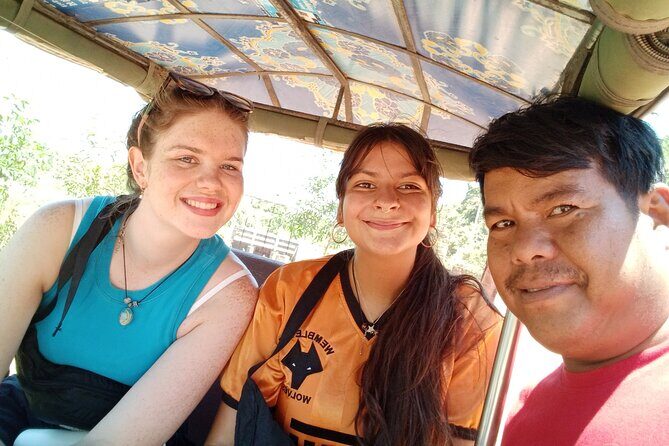
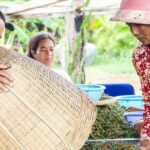
The day shifts from history to everyday production at La Plantation, an organic pepper farm. You’ll spend about 2 hours here, and the walking portion includes guided visits in French, English, and Khmer.
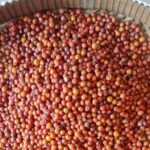
This stop is more than a “photo op farm.” You learn how several varieties of pepper are grown, harvested, and processed. You also get exposure to the rest of the farm’s output—fruits, chillis, and herbs are mentioned—so pepper becomes part of a bigger agricultural system, not just a single crop.
Why this stop is worth your time: pepper seems like a spice aisle item until someone explains the work behind it. You start noticing what’s different between pepper varieties and how processing turns fresh harvest into the pepper you cook with later. It’s a useful reminder that food flavors have routes and labor behind them.
What’s the drawback? Farms take time at an even pace, and it’s easy to feel like you’re “using up” time when you still have salt fields and crab market coming. That said, La Plantation’s 2-hour window is long enough to understand what you’re seeing without turning it into a lecture marathon.
If you’re sensitive to scents, come ready—pepper farms can smell strongly when conditions are right. If you like practical souvenirs, keep an eye out for what you can bring home (the tour data doesn’t list purchases, but farms often sell products).
Kampot Salt Fields and Old-Style Sea-Salt Making
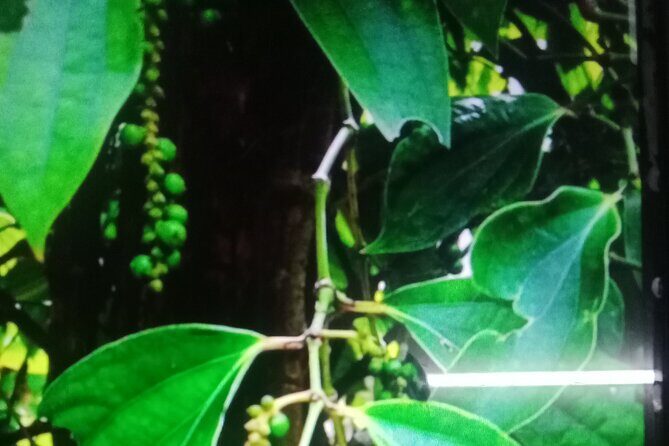
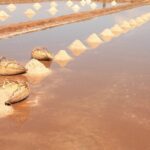
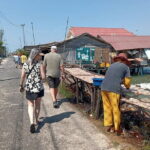
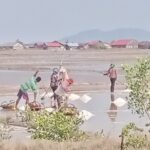
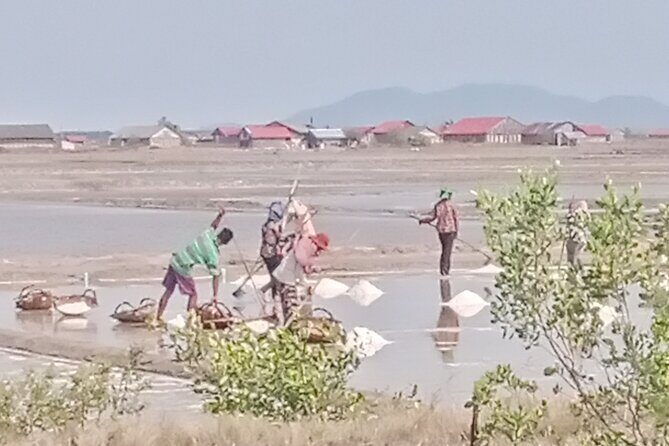
After the pepper farm, you’ll head to the Kampot Salt Fields for about 30 minutes, with admission included. This is a classic “see how it’s made” stop: old-fashioned sea salt production methods still play a role here, and the point is to learn the history and culture behind salt in the region.
This is one of the stops that makes the tour feel grounded. Kampot isn’t only about caves and markets—it’s also about coastal agriculture and how people extract a basic ingredient from nature over time. When you understand salt production, you get a new appreciation for why local food tastes the way it does.
One consideration I’d take seriously: the salt fields stop is short. If you’re chatty, distracted, or you drift toward waiting areas without checking where you’re meant to be, you could lose the whole experience. On a day packed with stops, it’s on you to stay oriented. A simple strategy: ask your guide at the pepper farm or on the drive when you’ll reach the salt fields and how long the visit lasts, so it’s mentally protected.
What to wear: salt fields can be dusty or reflective depending on conditions. Bring water already included in the tour, and wear shoes you don’t mind getting a little rough.

Kep Crab Market Dinner Setup and Sunset at the Beach
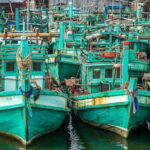
You’ll finish at Kep Crab Market for about 2 hours. This is the food payoff, and it’s set up for seafood lovers: fresh crabs, fish, and other options arrive daily, you pick your catch, and it’s cooked at a restaurant right there.
The tour’s wording makes the experience feel interactive: you’re meant to watch your dinner being prepared fresh in front of you. That’s the part that makes the market more than just a place to eat. You get the daily rhythm of Kep and the way the market works in real time.
What makes this ending especially nice is the shift afterward. You’ll also watch the sunset at the beach. So you’re not ending the day in a restaurant alone—you’re moving from the market energy into the calmer horizon mood.
A practical note on timing: since the crab market is where your meal happens, your pace there can affect whether you feel rushed later. If you’re prone to browsing slowly, tell your guide early so the group stays on track.
Also, the tour includes a banana fired snack. It’s small, but it helps when you’re moving from farm to market without a lot of extra sitting time.
Price and Logistics: What $23 Really Gets You
At $23 per person, this tour competes well because the day includes real transportation plus multiple paid entries. You’re not just paying for driving; you’re paying for guided stops where admission is part of the package.
Here’s how I see the value:
- Multiple included entries across five major stops means you’re less exposed to surprise fees.
- Pickup and water reduce friction and make the day smoother, especially if you’re staying outside walking distance.
- Private group-only feel (with a maximum of 12) is a quality upgrade over mixed tours.
There is one extra cost to understand: if you’re staying outside Kampot town—4 km from the Durian roundabout—you may be charged an additional $5. That’s minor, but it can change the true price, so check your hotel’s distance before you book.
The tour also uses a mobile ticket, and you’ll receive confirmation at booking. Those details matter because they help you avoid last-minute chaos.
Who This Tour Fits Best (and Who Should Think Twice)
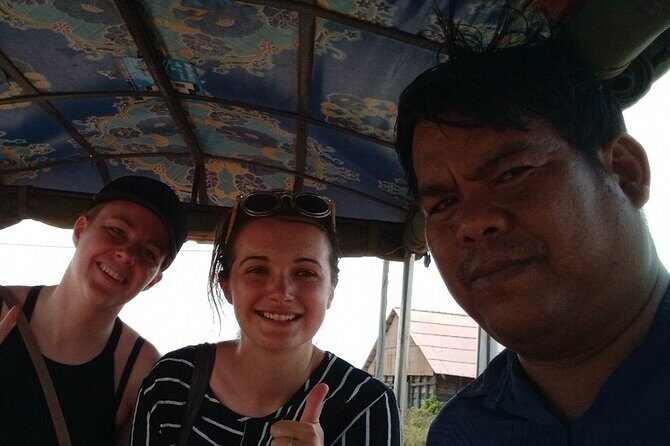
This tour is ideal if you like variety and you don’t want to plan a multi-stop route yourself. You get temples, a serious historical site, a working organic pepper farm, salt production, and a seafood market meal plus sunset. If you like learning while you travel—especially about how everyday foods and ingredients are made—you’ll likely enjoy the flow.
It also fits well if you want a guide who talks and answers questions rather than just dropping you off. Tango’s style is specifically praised, including being attentive and responsive.
Who should think twice: if you dislike packed schedules, this may feel like a lot in one day. Even though each stop has a reasonable duration, you’re constantly transitioning. And if history-heavy sites make you uncomfortable, the Secret Lake stop may not be your favorite moment.
Best match: first-timers in Kampot and Kep, couples, and small groups who want an efficient day that still feels personal.
Should You Book This Full-Day Kampot and Kep Tuk-Tuk Tour?
I’d book it if you want one guided day that actually teaches you something. The pepper farm and salt fields turn this from a sightseeing checklist into a food-and-livelihood story. The Kep Crab Market ending also makes sense as a finale, with your meal prepared right in front of you and sunset at the beach to close things out.
I’d be cautious if you’re sensitive to history sites or you dislike tight timing. In that case, confirm the salt fields stop clearly before you set off, and don’t let the market timing run your whole day.
If you’re on the fence, the decision comes down to one thing: do you want a guided blend of culture and production, not just scenery? If yes, this is a solid value use of a day in the area.
FAQ
What is the tour price?
The tour is $23.00 per person.
How long is the experience?
It lasts about 6 to 8 hours.
Is pickup included?
Yes, pickup is offered.
Is the tour private?
It’s described as private for your group only, with a maximum of 12 travelers.
What stops are included?
You’ll visit Phnom Chhngok Cave Temple, Brateak Krola Lake, La Plantation pepper farm, Kampot Salt Fields, and Kep Crab Market, plus sunset at the beach.
Are entrance fees included?
Yes, entry/admission is included for the stops listed.
What’s included in the package?
Transport and water are included, along with entries and a banana fired snack.
What if I’m staying outside Kampot town?
There may be an extra charge of $5 if you stay outside Kampot town (4 km from the Durian roundabout).
Is there free cancellation?
Yes. You can cancel up to 24 hours in advance for a full refund.
What’s the pepper farm guide language?
La Plantation offers guided walks in French, English, and Khmer.
If you tell me your hotel area (Kampot center vs further out), I can help you estimate whether that $5 pickup add-on is likely.