REVIEW · SIHANOUKVILLE
Exploring Kampot With SUV Car By English Local Tour Guide
Book on Viator →Operated by Kakary English Tour Guide And Taxi Service · Bookable on Viator
Cambodia tastes better with a driver like Kary. This SUV day trip strings together Kampot’s salt and pepper world, the Phnom Kampong Trach cave, and the coast at Kep’s famous crab market, with English explanations along the way. It’s a great mix of everyday rural life and hands-on food choices, all in one long but manageable day.
I love the way this tour connects the dots: how Cambodian salt is made and why pepper (the real Kampot green pepper) is becoming a star. I also like the stop at the Kep crab market, where you can watch seafood coming in and then ask for simple BBQ meals with local pepper.
One thing to consider: you’ll be on the move for about 6 to 8 hours, with countryside roads and a couple of walking stretches, so wear comfortable shoes and plan to be outside most of the day.
In This Review
- Key Highlights Worth Your Attention
- Why This SUV Tour Works for a One-Day Kampot and Kep Hit
- Morning Pickup: The Easy Start at 8:30 or 9:00
- Salt Fields in Kampot: How Cambodia’s Salt Shapes Daily Life
- Pepper Plantation Stops and the Secret Lake View
- Phnom Kampong Trach Cave: 800 Years of Mountain Mystery
- Kep Crab Market: Fishermen, BBQ, and Choosing Your Own Lunch
- Back in Kampot: Old French Architecture and a Change of Pace
- Price, Value, and What You’re Really Paying For
- Small Details That Make the Day Feel Smooth
- Who Should Book This Tour and Who Should Skip It
- Should You Book? My Practical Verdict
- FAQ
- How much does the Kampot with SUV tour cost?
- Where does hotel pickup happen, and is there an extra fee?
- What’s included in the price?
- Is lunch included?
- Are there admission fees at the main stops?
- How much walking is involved?
- What is the cancellation policy?
Key Highlights Worth Your Attention
- English guidance from Kary: clear explanations, quick answers, and help with photos
- SUV comfort for a 1-day route: pickup around 8:30 or 9:00 and a personal group up to 4
- Salt fields first: the biggest salt-making in Cambodia, explained in context
- Pepper farm + Secret Lake: Kampot pepper growing, plus Brateak Krola Lake from a stilt-restaurant terrace
- Phnom Kampong Trach cave: an 800-year-old mountain cave with pre-Angkoria features
- Kep crab market seafood BBQ: fishermen unloading, fresh crabs, and chef-prepped pepper dishes
Why This SUV Tour Works for a One-Day Kampot and Kep Hit
If you only have a day (or a half-day stretched into a full day), this route is one of the more sensible ways to see a lot without turning it into a logistics puzzle. You get an SUV, hotel pickup, and a tight circuit that moves from inland farms to the coast.
The real value is that it’s not just sightseeing. The pepper and salt stops are tied to real local life—why it matters, how people earn from it, and how those products fit into Cambodia’s story. Then the day shifts gears to Kep’s coastline, where seafood is the main event and you can actually choose what you eat.
Also, Kary’s style matters. In the reviews, his English is described as excellent, he’s friendly, and he helps with photos. That turns a driving-heavy day into one where you’re learning and getting good angles, not just passing through.
You can also read our reviews of more guided tours in Sihanoukville
Morning Pickup: The Easy Start at 8:30 or 9:00
The tour starts with pickup around 8:30 or 9:00 am, depending on where you’re staying. You’re traveling in a private setup with your group (up to 4 people), which means you’re not stuck behind other vans or fighting for a seat at photo stops.
If you’re staying a bit farther out, there’s an extra pickup charge. The added fee is $15 if you’re 5 km or more from Kampot city, and $20 if you’re based in Kep. That detail matters when you’re comparing value versus other day trips—this one is priced for a group, but the pickup distance can change the final cost.
Bring a little patience for morning road time. The schedule is designed to hit several different areas, so you’ll spend a chunk of the day traveling between stops rather than lingering in one spot.
Salt Fields in Kampot: How Cambodia’s Salt Shapes Daily Life
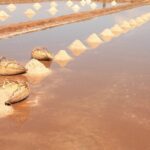
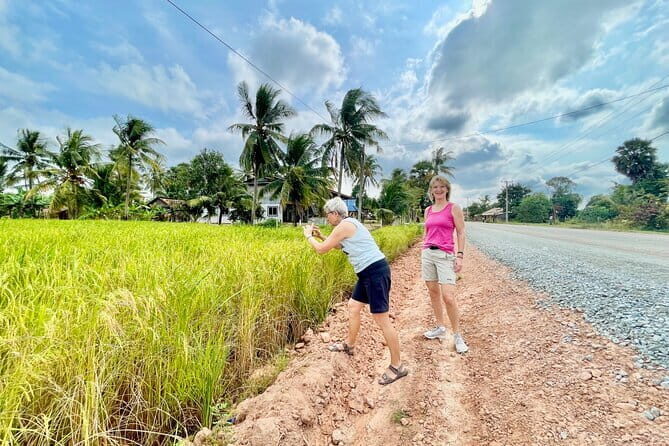
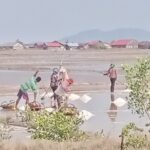
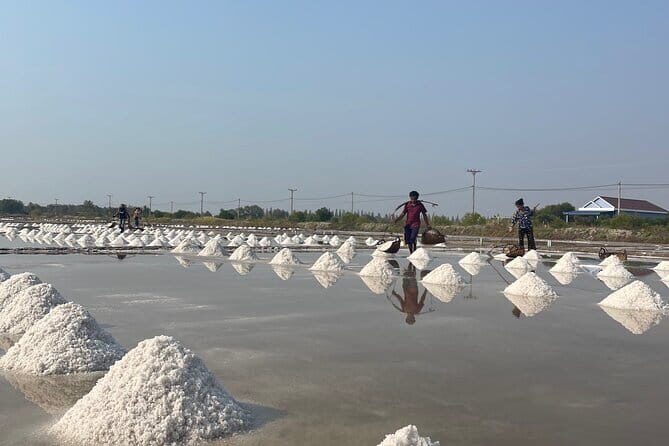
Your first big stop is the salt fields. This is listed as the biggest salt-making operation in Cambodia, and the point of being here early is simple: it’s easier to understand the process when you’re not rushed.
Your English-speaking guide explains why Cambodia’s salt industry matters to the local community of Kampot. That’s the difference between watching something from a distance and understanding why people keep doing it year after year.
What I’d expect you to notice:
- how the salt-making works as a practical craft, not a museum display
- how the salt ties into the wider local economy
- how the rural setting shapes daily routines
Practical note: the salt farm stop is about 1 hour and is marked as admission-free within the experience. Even so, you’ll want water on hand (you’ll have bottled water included), and you’ll likely want a hat or sun protection if it’s bright.
Pepper Plantation Stops and the Secret Lake View
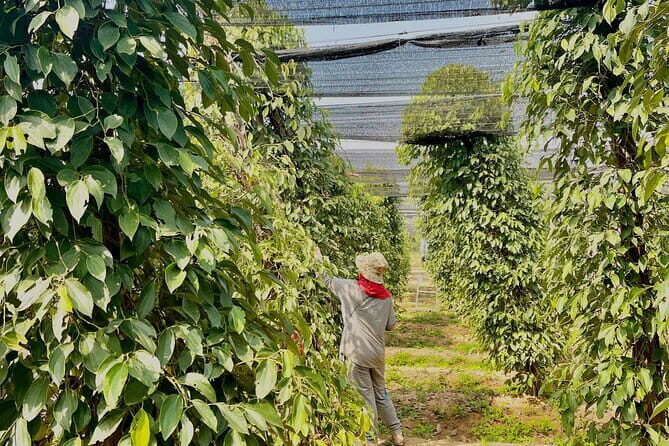
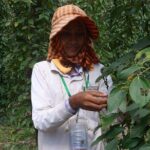
After the salt fields, the route shifts toward pepper and countryside scenery. This is where the day starts to get more hands-on and fragrant—Cambodian pepper isn’t just a souvenir story, it’s an actual crop with an entire growing system behind it.
The tour description highlights Kampot pepper being harvested and why it’s gaining a reputation as some of the best in the world. On top of that, the guide connects pepper to how local life is organized around agriculture.
A clever extra here is the Secret Lake, known as Brateak Krola Lake. Even if you don’t do a deep hike, you can often spot it from the terrace of a traditional stilted restaurant building. That matters because it gives you a calm “pause” between farming stops and cave time.
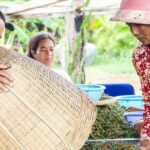
Then there’s the La Plantation stop (about 2 hours). It’s marked as free admission, and the experience includes an English/Franch tour guide at the pepper plantation. So if you want the technical side—how pepper is grown, what people do through the season, and why it’s worth attention—this is where you’ll get it.
If pepper is on your radar for buying, ask your guide what to look for while you’re there. You’ll get better results when you know how the locals describe quality.
Phnom Kampong Trach Cave: 800 Years of Mountain Mystery
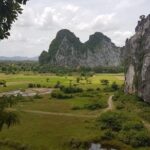
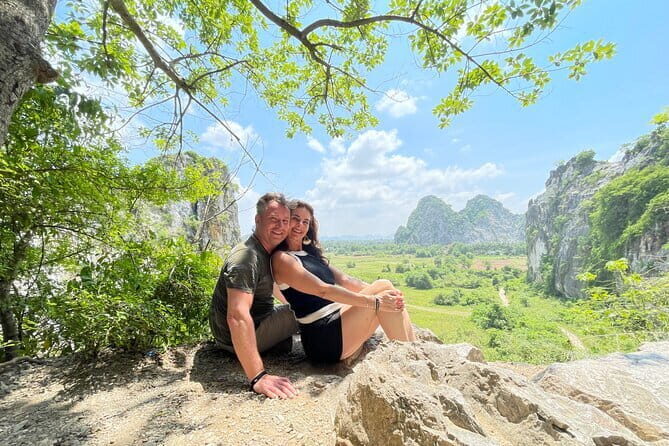
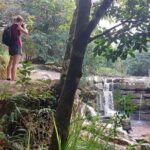
The cave stop is Phnom Kampong Trach Cave, described as having origins more than 800 years ago. It’s located about 20 miles east of Kampot town, so you’ll spend some time on the road getting there—but it’s not a wasted ride. The drive through countryside is part of the experience.
The cave area is described as hosting pre-Angkoria sites. Even without leaning into big academic explanations, the takeaway is that this is an older sacred landscape than most casual travelers expect to find here. It’s not only about walking into cool air; it’s also about seeing how long human settlement and spiritual places have existed in this region.
The stop is marked around 2 hours. That’s usually enough time to explore at a comfortable pace and take photos without feeling like you’re being herded along.
What to consider:
- It’s a cave, so you’ll likely have damp or uneven footing. Comfortable shoes are a must.
- You’re outside, then inside—bring a light layer if it feels cooler.
- Moderate fitness is requested overall for the experience, so if you’re sensitive to steps or uneven terrain, plan accordingly.

Kep Crab Market: Fishermen, BBQ, and Choosing Your Own Lunch
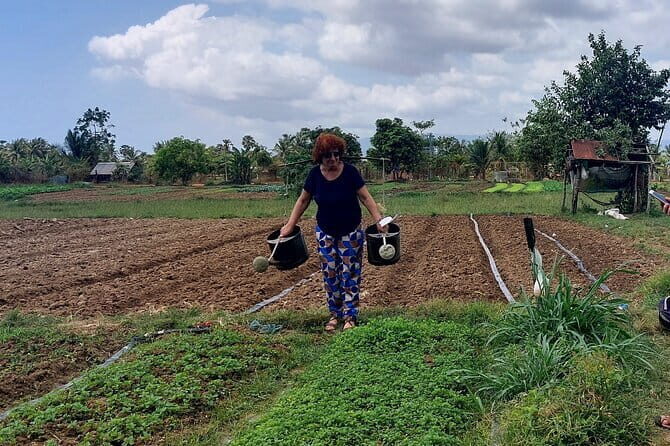
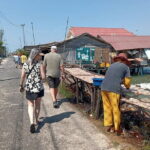
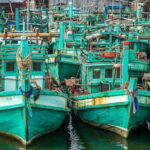
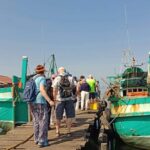
Then you hit the coast at Kep Crab Market, one of the best-known destinations in southern Cambodia along the coastline. The focus shifts from agriculture to seafood—watching fishermen load seafood from the ocean and then seeing fresh items prepared for BBQ.
This is also where your lunch choice becomes part of the tour. The description makes it clear you can buy fresh seafood there and ask the chef to cook different dishes. A specific example given is fried crab with Kampot green peppers. You don’t have to eat like a chef yourself; you can show up hungry and let the market do its job.
The tour frames it as more than one meal option: you can taste different local snacks, and there are restaurants by the ocean view too, depending on where you choose to eat. In other words, it’s not forced dining. You’re in the place where food culture happens.
Time-wise, the crab market stop is marked 2 hours, with the tour continuing afterward to Kampot. Since lunch is not included, you’ll pay for what you order. The win is that your guide helps you navigate what to try in a way that feels local, not random.
Back in Kampot: Old French Architecture and a Change of Pace
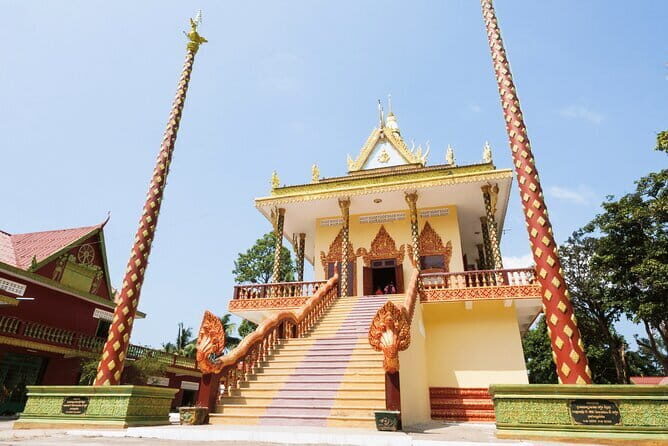
After the seafood part of the day, the route returns to Kampot for a quick look at the town’s older architecture. The experience calls out colorful colonial buildings—old French buildings in Kampot.
This section is short (it’s listed at about 1 minute), so don’t expect a long wandering session. Think of it as a visual reset: after salt, pepper, cave, and seafood, you get a quick taste of town texture.
If you want a little extra time here, your best move is to ask Kary to point out which streets or corners are the most photogenic for colonial façades and color. In the reviews, his help with photos comes up repeatedly, and it’s the kind of practical support that saves time.
Price, Value, and What You’re Really Paying For
At $125 per group (up to 4) for 6 to 8 hours, this isn’t the cheapest option on paper. But private SUV tours in Cambodia often earn their keep when the route is spread out and you want someone who can explain what you’re seeing.
Here’s why the value works for many people:
- You’re not paying per person for a ride you share with strangers; it’s priced per group.
- Pickup is included around 8:30 or 9:00, saving you the hassle of arranging transport for several stops.
- The experience includes bottled water and snacks when you reach local markets (local cakes if you feel like it).
- You get an English speaking driver/guide throughout, plus plantation guiding language coverage at the pepper farm.
Your biggest variable cost is food because lunch isn’t included and dinner isn’t included. That’s normal for this kind of day trip. The good news is the market area gives you real choices, so you can set your own budget at Kep.
If you’re traveling with just one or two people, the per-person price can feel higher. If you can split with friends or family, it becomes easier to justify.
Small Details That Make the Day Feel Smooth
This tour is built around practical comfort and clear communication. Based on the guide style described in the reviews, you should expect:
- English that’s easy to follow: fewer misunderstandings at markets and viewpoints
- Safety in the car: people specifically mention always feeling safe during the drive
- Photo help: Kary is described as helpful with taking pictures
- Good humor: it sounds like the vibe is relaxed, not stiff
These details matter more than they might sound. When you’re visiting a cave, a pepper farm, and a seafood market in one day, you don’t want to spend energy figuring things out. You want the day to flow.
Also, the tour uses a mobile ticket, which tends to be convenient when you’re checking in without extra paperwork.
Who Should Book This Tour and Who Should Skip It
This day trip fits you best if:
- You want an efficient route through Kampot + Kep without spending time stitching plans together
- You care about food origins (salt and pepper) and not only what’s for sale at the end
- You like having an English guide rather than trying to read your way through markets
- You’re traveling in a small group (up to 4) where group pricing makes sense
You might want to skip or choose another format if:
- You strongly dislike long drives or being outside for most of the day
- You don’t do well with uneven ground (caves and rural stops can involve steps and rough surfaces)
- You’re on a strict schedule and don’t want a multi-stop itinerary feel
Should You Book? My Practical Verdict
If your goal is to see how Kampot’s salt and pepper connect to real Cambodian life, then end the day eating seafood at Kep, this is a strong choice. The route hits the big themes people come for—agriculture, a historic cave site, and a coast food market—while the English guidance keeps it from feeling like random stops.
I’d especially recommend it if you value a guide who can explain and also help you get good photos. That combination is what turns a “drive-through day” into a day that feels worth the money.
Just go in knowing lunch is on you, the day is active, and the extra pickup fee can apply if you’re farther from Kampot city or in Kep. If that all fits your plan, book it with confidence.
FAQ
How much does the Kampot with SUV tour cost?
It costs $125 per group, up to 4 people, and it runs about 6 to 8 hours.
Where does hotel pickup happen, and is there an extra fee?
Pickup is offered around 8:30 or 9:00 am. There’s an extra charge if you stay 5 km or above from Kampot city ($15) or from Kep ($20).
What’s included in the price?
The experience includes snacks when you reach local markets, bottled water, an English-speaking driver/guide as your personal tour guide, and an English/French tour guide at the pepper plantation.
Is lunch included?
No. Lunch is not included. You can buy and eat at the Kep crab market area and in other food spots during the day.
Are there admission fees at the main stops?
The stops listed in the itinerary are marked as admission ticket free.
How much walking is involved?
The experience is listed for travelers with a moderate physical fitness level. You’ll be doing some walking and moving around, including at the cave.
What is the cancellation policy?
Free cancellation is available. You can cancel up to 24 hours in advance for a full refund; if you cancel less than 24 hours before the start time, there is no refund.