Elephants have a way of slowing time. In Siem Reap, this half-day Cambodia Elephants experience gives you a close, hands-on moment with rescued elephants, including making rice-and-banana treats and then feeding them in a calm, respectful setting. It also feels grounded in the sanctuary mission, not a show, so you’re watching elephants act like elephants instead of performing.
Two things I really like: the ethical approach (the elephants roam free and are not forced) and the way the guide sets expectations clearly before you get involved. The only real drawback to plan for is that you should expect muddy, wet fun—plus the drive can be bumpy on the way out to the sites.
In This Review
- Quick hits before you go
- Pickup in Siem Reap and the ride to Cambodia Elephants
- Cows for Cambodia Farm: where your guide sets the tone
- Treat-making time: rice, banana, and feeding with purpose
- Mud bath and river scrubbing: the wet part you should plan for
- Meet the rescued elephants: personalities up close
- What your guide actually adds (and why it matters)
- Value check: is $99 for a half day worth it?
- Who this tour fits best in Siem Reap
- Should you book Cambodia Elephants Haft Day Experiences?
- FAQ
- How long is the Cambodia Elephants half-day experience?
- What’s included in the $99 per person price?
- What should I bring for the elephant bathing and mud time?
- Are the elephants forced to perform?
- How many people are in the group?
- Is this suitable for families with kids?
- What happens if weather is bad or I need to cancel?
Quick hits before you go
- Hands-on treat making: You’ll help prepare rice-based and banana-based food before feeding the elephants.
- Small group feel (max 15): You’re not lost in a crowd, which makes the experience calmer and easier to manage.
- Respect-first interactions: Feeding, stroking, and bathing happen with clear safety guidance, and the elephants control their own participation.
- Mud bath + river scrub option: If you want the full experience, bring gear you don’t mind getting soaked.
- English guide on site: The staff spend time explaining elephant life and what the sanctuary is trying to do.
- Included snacks and drinks: Fresh fruit plus coffee and/or tea keep you fueled during the visit.
Pickup in Siem Reap and the ride to Cambodia Elephants
The day starts with hotel pickup in Siem Reap, then a transfer to the Cambodia Elephants site area. The drive takes about 40 minutes, and in practice that means you’ll start your elephant time soon after leaving town.
One practical note: the road can be rough. At least one group reported an older van with no seat belts and bumpy roads, so if you’re sensitive to jerky rides, you’ll want to plan for it (water, a comfortable seat position, and patience).
You can also read our reviews of more tours and experiences in Siem Reap.



Cows for Cambodia Farm: where your guide sets the tone
Your main guided portion happens at Cows for Cambodia Farm, where the team explains the sanctuary’s mission and how the elephants live and are cared for. Expect a solid introduction period (around 25–30 minutes) where your guide covers what you’re about to do, how to behave around the elephants, and what to watch for.
I like this part because it turns the visit from a quick photo stop into a real learning moment. You get context for the rescue story and for why this kind of sanctuary matters in Cambodia, where elephant numbers have been under pressure for years.
The schedule also stays friendly for a half day. The guided sanctuary experience is about 3 hours, and you’ll have time afterward to head back to your hotel.
Treat-making time: rice, banana, and feeding with purpose
This is the heart of the experience for most people, and it’s also where you’ll feel the biggest difference between a sanctuary visit and a typical animal encounter.
You’ll prepare elephant treats—commonly a mix involving bananas, rice, and rice bran—then bring those foods into feeding time. You’ll often get more than one chance to feed, so it’s not just one quick moment and done. Several people also mention stroking and close contact as the elephants move at their own pace.
A detail worth knowing: elephants eat constantly, so feeding can feel like a steady, active ritual. That’s part of the charm, but it also means you should stay patient and follow instructions closely so interactions stay smooth for you and for the elephants.
Mud bath and river scrubbing: the wet part you should plan for
If you’re picturing standing back with dry clothes, adjust that idea. A major part of the program is helping the elephants get muddy and then scrubbing and washing them in the river.
In the calm moments, you’ll watch elephants choose what they want to do. When mud pools come into play, you may get the chance to participate—people describe splashing and even going into the water depending on the setup that day. Then comes the scrubbing and washing phase, which is where you’ll get properly wet.
So do this ahead of time:
- Bring a bathing suit under whatever you wear.
- Pack a clean towel and dry clothes for the ride back.
- Use water shoes or something with traction. One smart tip from the field: you can buy cheap water shoes, leave them at the sanctuary after, and avoid carrying muddy gear around.
Some teams also offer changing areas with showers, and at least one group was given crocs so muddy shoes didn’t go back into the vehicle. Even if you don’t rely on that, plan as if you’ll be fully soaked.
Meet the rescued elephants: personalities up close
This sanctuary currently cares for three rescue elephants, and they’re described as having distinct personalities. One guide-led description listed three female elephants (with ages spanning from young adults to older adults), which explains why you might see different behaviors during your visit.
Names you may hear include Poom Poom, Gigi, Homie, and Boom-boom. The exact lineup can affect what you get to interact with, because elephants decide where they want to go. One report noted that only one elephant came into the main group area while another wasn’t feeling well that day—so your best plan is to stay flexible. If you’re expecting all three to hang out with you the whole time, you may end up slightly disappointed. If you go in expecting a sanctuary visit where elephants choose, you’ll likely feel more satisfied.
When it works, the closeness is the point. People describe the elephants as relaxed, respectful of space, and clearly cared for. That’s the experience you want: close contact without coercion.




What your guide actually adds (and why it matters)
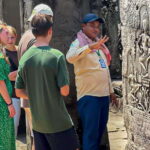
The tour includes an English-speaking guide at the sanctuary site, and in the stories I found most useful, the guide was especially good at explaining safety and behavior. Ann is a name that comes up in one account, and the key theme is that she explained sanctuary operations and how the elephants work in their environment.
This matters because the “hands-on” part isn’t automatic. You’re not just handed a bucket and told to go wild. You’ll get instructions on how to feed safely, when to step back, and what to expect during bathing. That kind of briefing is also why people report feeling confident and not nervous around the elephants.
It’s also where you learn to read the elephants. Once you understand what the elephants are doing, the time stops feeling like a checklist and starts feeling like observation.
Value check: is $99 for a half day worth it?
At $99 per person, you’re paying for more than a ticket. Your cost covers hotel pickup and drop-off, entrance tickets as listed for the experience, an English-speaking guide on site, and included refreshments (fresh seasonal fruit plus coffee and/or tea).
You’re also buying access to time in the elephants’ daily routine—feeding, washing, and interacting in a sanctuary environment where the emphasis is on care rather than performance. In practice, that’s why so many people rate this highly: the value isn’t only the animals in front of you, it’s the way the visit is structured around respect, education, and real participation.
Two more value boosters:
- Small group size (up to 15) makes the guide’s attention feel more personal.
- Included snacks and drinks help you avoid the “tour math” of buying food during the busy middle of your day.
Tips for the guide and driver aren’t included, so set aside some extra cash if you feel the service is worth rewarding.
Who this tour fits best in Siem Reap
This is a strong match if you want a hands-on ethical elephant experience rather than a fast zoo-style stop. It’s also a good option for families, as long as your kids can follow instructions during feeding and bathing time.
One review noted the visit worked even with a very young child, and another mentioned taking boys ages five and six. The common thread is that the sanctuary team made the experience feel safe through clear guidance.
You might want a different type of experience if:
- You dislike getting wet or muddy (and can’t change clothes afterward).
- You get stressed by bumpy rides or crowded group dynamics. The group size is capped, but the roads can still be rough.
- You’re uncomfortable with elephants choosing where they want to spend time. Some days, not all three elephants will join the main activity area.
Should you book Cambodia Elephants Haft Day Experiences?
If your idea of a great day is feeding and bathing rescued elephants in a sanctuary setting—with clear safety rules, a small group, and real learning baked in—then yes, you should book it. This is one of those experiences where the time feels personal, because the elephants are not staged and you’re not rushing through a corridor of exhibits.
Book it now if you’re ready for the practical side: bring water shoes, pack dry clothes, and expect mud and water to be part of the deal. If that sounds annoying, at least consider whether you’ll actually enjoy the best moments, because the wet work is a big part of what makes this visit memorable.
One last tip: choose the session that fits your energy. A half day here can be intense in a good way, since you’ll be active and you’ll stay engaged with the guide and the elephants.
FAQ
How long is the Cambodia Elephants half-day experience?
The full outing runs about 4 to 5 hours including hotel pickup and drop-off. The sanctuary portion is around 3 hours, with an introduction period at the site.
What’s included in the $99 per person price?
The price includes hotel pickup and drop-off, entrance tickets as listed for the stops, an English-speaking guide at the sanctuary, seasonal fresh fruit snacks, and coffee and/or tea.
What should I bring for the elephant bathing and mud time?
Plan to get wet and muddy. Bring swimwear, a towel, and a change of dry clothes. Water shoes are strongly recommended, and clean dry items for the ride home make the day much easier.
Are the elephants forced to perform?
No. The elephants are described as roaming freely and not being forced to do anything. The staff also provide safety guidance so interactions stay respectful.
How many people are in the group?
This experience has a maximum of 15 travelers, so it stays on the small side.
Is this suitable for families with kids?
The experience says most travelers can participate, and there are reports of families bringing young children. As with any sanctuary interaction, follow the staff instructions closely.
What happens if weather is bad or I need to cancel?
The experience requires good weather. If it’s canceled due to poor weather, you’ll be offered a different date or a full refund. You can also cancel for a full refund up to 24 hours in advance.