REVIEW · SIEM REAP
Full Day Angkor Park with Sunset by Tuk Tuk
Book on Viator →Operated by Journey Cambodia · Bookable on Viator
Angkor at sunset is a slow-burn kind of magic. This full-day trip strings together the big hitters with a trolley tuk-tuk ride and a licensed English-speaking guide who explains what you’re actually looking at. My two favorite parts are the smooth, air-conditioned-feeling logistics of getting between temple zones by tuk-tuk, and how the guide brings clarity to Angkor Thom, Bayon, Ta Prohm, and Angkor Wat instead of just pointing and moving on. One thing to keep in mind: the temple pass is not included (paid directly at the sites) and the day depends on good weather.
You start with pickup and a 9:00 am launch, then spend about nine hours weaving through temple time. Along the way, you’re not only seeing famous ruins; you also get a taste of daily life near Angkor Thom through a village stop that’s more than a quick photo stop. Dress for temples (shoulders and knees covered), and plan for plenty of walking on uneven ground.
If you want a well-paced day that mixes classic Angkor icons with real human context, this is a strong match. If you’re chasing a strictly minimalist day with zero extra costs, the added temple pass fee will be the main friction.
In This Review
- Key things to know before you go
- Motorised trolley tuk-tuk: the practical way to see a lot
- The morning around Angkor Thom and a village stop
- Bayon Temple: the inside-city feeling
- Ta Prohm: jungle ruins and the fig tree story
- Angkor Wat by midday: the world’s largest sacred building
- Terrace of the Elephants and Banteay Kdei: pass-by moments that still matter
- Pre Rup sunset: ending with a payoff instead of fatigue
- Price and temple pass math: what you’re really paying
- What to wear and pack for comfort (not just photos)
- Is a private group really private?
- Who this Angkor day suits best
- Should you book Full Day Angkor Park with Sunset by Tuk Tuk?
- FAQ
- What time does this tour start, and how long does it last?
- What’s included in the tour price?
- Do I need to pay entrance fees for the temples?
- Is this a private tour?
- What should I wear to visit the temples?
- What happens if the weather is bad?
Key things to know before you go
- Motorised trolley tuk-tuk transport that keeps you moving around the temple area without the usual hassle
- Licensed English-speaking guide with clear explanations at Angkor Thom, Bayon, Ta Prohm, and Angkor Wat
- Village glimpse near Angkor Thom to connect the ruins to everyday local life
- Ta Prohm + giant fig trees where the jungle feeling is part of the attraction
- Pre Rup sunset finish so you end your day with a payoff, not a sprint
Motorised trolley tuk-tuk: the practical way to see a lot
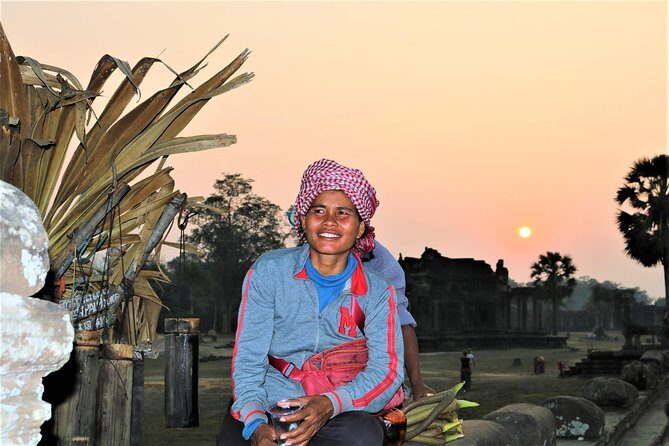
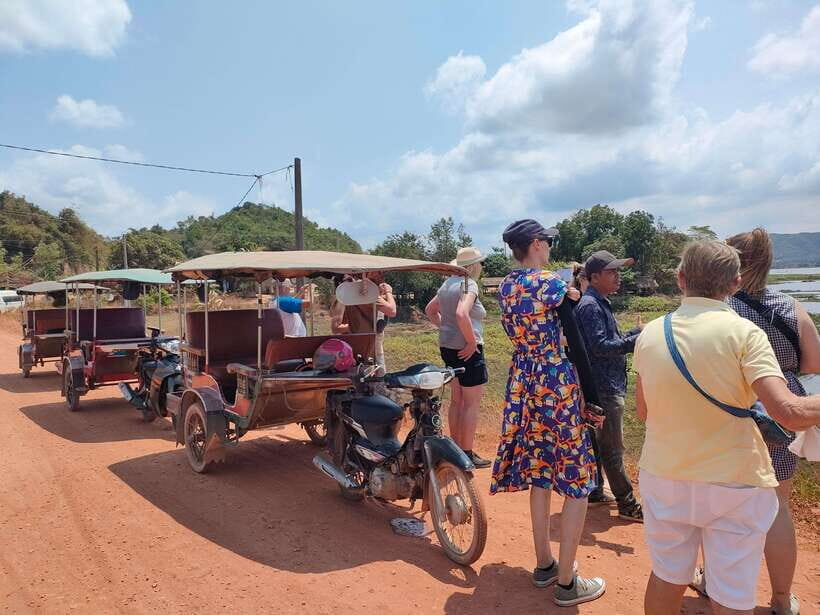
One of the smartest parts of this experience is how you travel. The motorised trolley tuk-tuk is built for this setting: you ride, you stop, you walk. That matters because Angkor is not a single compact sight. It’s a whole circuit of temple zones, and the time you save between them adds up fast.
Also, this style of transport feels more “of Siem Reap” than hiring multiple cars or trying to jump between tuk-tuks. You get hotel pickup and drop-off, plus mineral water during the day—small items, but they help you keep your energy for temples. And with a guide who stays with your group, you’re not stuck negotiating or figuring out where to be next.
There’s a human factor too. In this kind of service, the guide and driver relationship makes a difference. Names like Samnang (also called Lucky), Sok Chea, Phal, Sak, Chhay, and Mao show up with consistency for being professional and easy to work with—so you can expect a calm rhythm rather than a chaotic scramble.
You can also read our reviews of more evening experiences in Siem Reap

The morning around Angkor Thom and a village stop
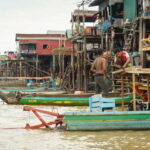
You start after breakfast at 9:00 am, with your guide handling the first approach. The day begins around Angkor Thom, and right away you’re guided toward an area near Angkor Thom where you can see an untouched village. It’s a quick but meaningful detour that changes the tone of the morning. Instead of treating Angkor as a museum display, you see how people live in the same broader region.
You’ll spend about two hours in this Angkor Thom block. That time is useful, because it’s enough for orientation: you can understand the temple layout and the significance before you move into the more famous interiors and landmarks.
A small practical note: you’ll be in respectful temple territory, so the dress code is not optional theater. Shoulders and knees need to be covered, and a scarf is suggested for shoulders. If your clothes don’t cooperate, you’ll waste energy dealing with it later.
Bayon Temple: the inside-city feeling
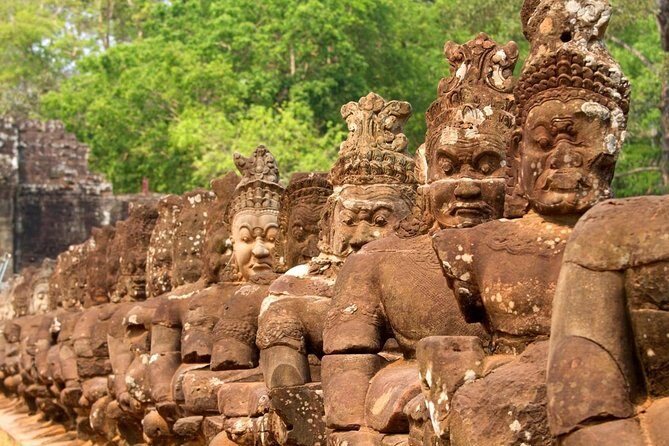
From Angkor Thom, you head toward Bayon Temple. This is where the Khmer Empire idea becomes tangible—not just in name, but in scale. Bayon once served as the Khmer Empire’s capital city, and the visit is timed for you to take a breath and really notice the grandness before going inside the city area.
This stop is also about two hours, which is long enough to move at a sensible pace. You’re not pushed through as fast as possible. You’re given time to look and then to understand. That’s where the English-speaking guide earns the ticket price beyond basic sightseeing: you’ll learn what the site represents and what the structures were meant to do.
If you prefer temples that feel busy with meaning rather than just impressive architecture, Bayon tends to land well. If you’re the type who only wants one or two highlights per day, you might want to manage your expectations here by focusing on the key viewpoints and the explanation rather than trying to cover every corner.
Ta Prohm: jungle ruins and the fig tree story
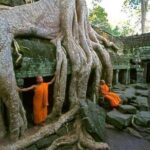
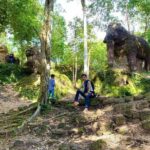
After Bayon, you move to Ta Prohm, often described as a temple set in the midst of the jungle. This stop is one of the reasons many people book the day at all, because Ta Prohm isn’t just stone—it’s the weird, beautiful relationship between architecture and nature.
You get about two hours here. The big visual payoff is the ancient fig trees, which threaten to overtake the edifice. That line matters because it changes how you photograph and how you walk. You’re meant to look up, around, and through gaps where the trees and ruins overlap. It’s not a place for a rushed, straight-line checklist.
Lunch is scheduled in the middle of the day’s flow. The plan signals lunch as something you handle on your own (so it’s worth budgeting for it ahead of time). Having lunch around this point also makes sense: Ta Prohm can be more humid and physically tiring than the “big open” parts of a route, so resetting here helps you enjoy Angkor Wat later without burning out.
Also bring insect repellent. The day prompts you to do it for a reason.
Angkor Wat by midday: the world’s largest sacred building
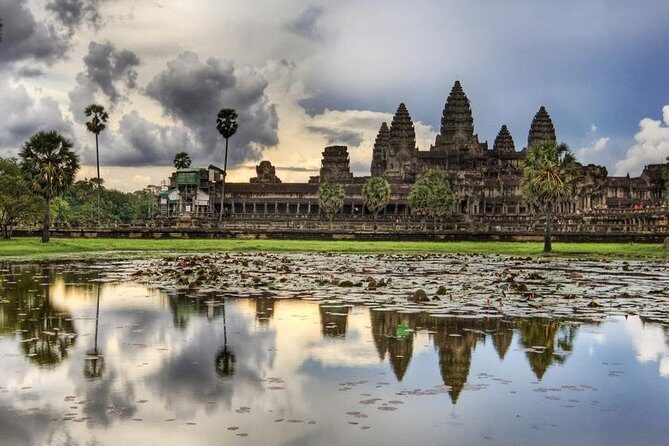
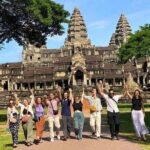
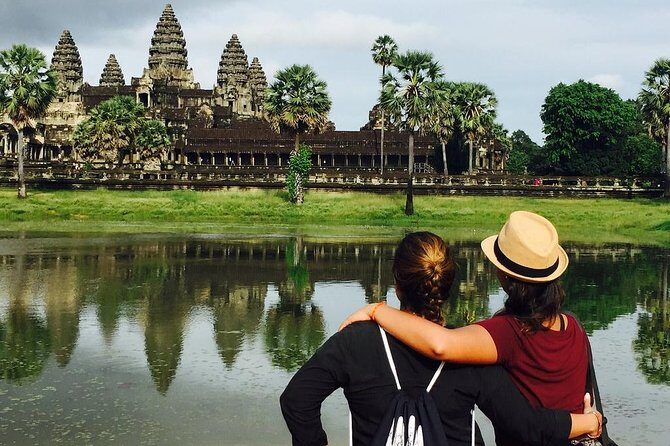
After lunch time, you continue to Angkor Wat. This is the anchor stop. The site is described as the world’s largest sacred building and an architectural masterpiece built in the 12th century over a 30-year construction period.
You’ll spend about two hours at Angkor Wat. That duration is a practical sweet spot. It’s long enough for the guide to explain the layout and the meaning, and for you to move beyond a single view. But it’s not so long that you end up exhausted before you reach the final sunset part of the day.
One thing I appreciate in a well-run Angkor day is how they structure attention. Angkor Wat is enormous. Without a guide, it’s easy to keep walking randomly and remember almost nothing. With a guide—whether the day is run by someone like Sok Chea, Sak, or another of the English-speaking team—you’re more likely to connect the architecture to the story while you’re still standing in front of it.
A few more Siem Reap tours and experiences worth a look
Terrace of the Elephants and Banteay Kdei: pass-by moments that still matter
Between the main temple stops, you’ll also pass by Terrace of the Elephants and Banteay Kdei. These are not necessarily the same as spending a full sit-down block at each one, but “pass by” still has value.
It works like a visual connective tissue. You start to see how Angkor’s sites relate to each other across the wider complex, not just as separate attractions with blank spacing between them. Even if you’re not spending hours there, catching these silhouettes can help you understand the day’s route and what your guide is building toward.
If you’re the type who wants a stop at every single major stone, this part may feel too quick. If you’re okay with a lighter touch and want to preserve your energy for Ta Prohm and Angkor Wat, it’s a good compromise.
Pre Rup sunset: ending with a payoff instead of fatigue
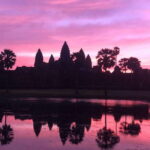
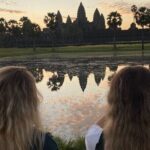
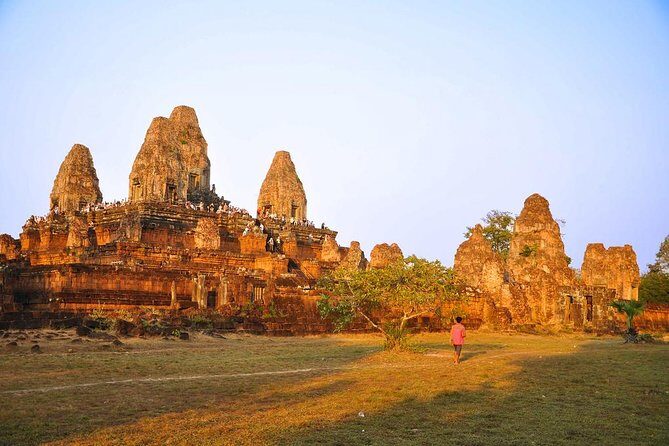
You finish the day by relaxing and enjoying sunset at Pre Rup. Sunset changes everything about these ruins. The lighting turns stone colors softer, shadows stretch, and you get the payoff moment most people hoped for when they booked a full-day plan.
This matters because after hours of walking and absorbing history, a strong ending keeps the whole day feeling worth it. Pre Rup is the natural button on this kind of itinerary: you’ve seen the classics, you’ve learned the names and context, and then you get a slower final hour to just watch the sky shift.
This is also a good time to remember practicalities. Bring sunglasses and a hat. You’ll be outside longer than you think, and light changes quickly near sunset.
Price and temple pass math: what you’re really paying
The tour price is $41.00 per person, and it lasts about nine hours with pickup and drop-off. That’s a reasonable base for a full Angkor day with an English-speaking guide, trolley tuk-tuk transport, and mineral water.
But the real budgeting detail is the temple pass. The temple pass is $37.00 per person, paid directly at the site, and entrance fees are not included in the tour price. So your day’s rough total becomes about $78 per person before any extras like lunch.
Is that good value? Usually, yes, if you plan to use the full day well. You get multiple major stops (Angkor Thom, Bayon, Ta Prohm, Angkor Wat), a village glimpse, and a sunset finish. If you were to hire transport and guide help separately, the combined cost often creeps up quickly.
If you’re traveling with a tight budget, treat lunch and the temple pass as the two must-plan items. If you’re traveling for the long, classic Angkor day experience, this pricing structure is straightforward: pay once for guide + transport, then pay the site fee when you arrive.
What to wear and pack for comfort (not just photos)
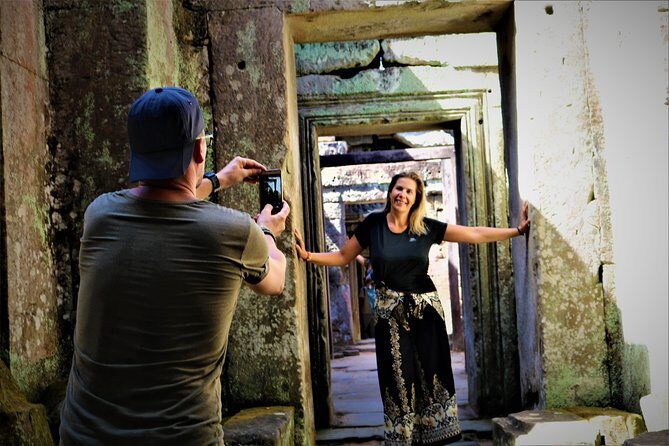
The tour’s dress code is clear: cover shoulders and knees. Shoulders are ideally covered by a scarf, and shorts or sleeveless tops won’t cut it. This is a temple day, so it’s worth dressing for compliance so you don’t have to argue or adjust mid-route.
For packing, bring:
- Comfortable walking shoes for uneven temple ground
- A hat and sunglasses for sun and glare
- A camera (there are plenty of look-up moments at Ta Prohm and open views at Angkor Wat)
- Mosquito or insect repellent
Also, keep water in mind. Mineral water is provided, but it’s still a hot-season type of plan in many months. If you run warm easily, you may want to carry a little extra beyond what’s listed.
Is a private group really private?
The experience is described as a private tour/activity where only your group participates. In practice, that typically means you won’t be mixed into random strangers constantly while stops are happening.
That said, one solo booking experience happened alongside a group of about 11 people in the day’s flow. So if you’re sensitive to the idea of sharing vehicle time, plan for the possibility that your day runs as a small group rather than a solo carriage situation.
Either way, the core value stays the same: you’re with your guide for the temple explanations, and the route is built around your day rather than being a quick grab-and-go circuit.
Who this Angkor day suits best
This tour fits best if you want:
- A structured full-day Angkor route with time at the main sites
- Explanations in English from a licensed guide (names like Phal, Sok Chea, Sak, and Chhay come up with strong reputations in this style of service)
- A comfortable method of moving between temple zones via trolley tuk-tuk
- A sunset finish at Pre Rup so the day feels complete
It’s also a good match if you like a bit of local context. The village stop near Angkor Thom adds a layer that you won’t get from a purely temple-only checklist.
If you dislike long days, this may feel like too much. The plan runs about nine hours, with several two-hour temple blocks. It’s a “see a lot” day, not a “stroll one site deeply” day.
Should you book Full Day Angkor Park with Sunset by Tuk Tuk?
Book it if you want a classic Angkor day with logistics handled, an English guide explaining the sites, trolley tuk-tuk transport, and a real ending at Pre Rup sunset. The base price is solid for what you get, and the route makes sense if you care about seeing the key complexes in a single day.
Don’t book it if you’re trying to minimize add-on costs or you’re not comfortable paying the temple pass directly on the day. Also skip it if you know you’ll struggle with temple dress code and outdoor time.
Best decision tip: treat this as a full Angkor package. Budget the $37 temple pass, plan for lunch time during the middle of the day, wear the right clothes from the start, and you’ll get a smooth, high-impact Angkor day without wasting hours figuring out the route.
FAQ
What time does this tour start, and how long does it last?
It starts at 9:00 am and runs for approximately 9 hours.
What’s included in the tour price?
The tour includes a licensed English speaking tour guide, tuk-tuk (motorised trolley) transportation, mineral water, and hotel pickup and drop off, plus a mobile ticket.
Do I need to pay entrance fees for the temples?
Yes. The temple pass is $37.00 per person and is not included in the tour price. It must be paid directly to the site.
Is this a private tour?
It’s listed as a private tour/activity, with only your group participating.
What should I wear to visit the temples?
You’ll need respectful clothing covering shoulders and knees. The shoulders should be covered with a scarf, and the guide may not allow uncovered shoulders or knees.
What happens if the weather is bad?
The experience requires good weather. If it’s canceled due to poor weather, you’ll be offered a different date or a full refund.