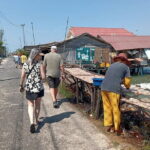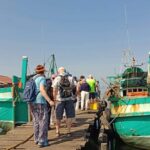
A day in Sihanoukville moves fast in the best way. You’ll get air-conditioned transport plus a proper English-speaking guide, and the stops cover daily life, Khmer temples, and beach time. I especially liked the mix of culture and real local scenes like the fishing port and Phsar Leu market, and I liked that the guide can answer questions about how life is changing in Sihanoukville. One thing to consider: the day is packed, so if you want hours in one place (instead of quick, varied stops), you may feel a bit rushed.
The tour also seems built for people who want value without doing research all day. From the way the itinerary is structured, you get a good “first look” at the city—Independence-style landmarks, pagodas with murals and views, and a beach break at Otres—without needing to plan routes or arrange multiple drivers. For families, it’s a solid choice because most stops are timed to keep everyone moving.
In This Review
- Key Points Before You Go
- Why This Sihanoukville Day Tour Feels Like a Smart Shortcut
- Meeting Point, Pickup, and How the Day Starts
- Sihanoukville City Stops: Landmarks and Local Context
- Wat Krom Pagoda: Khmer Architecture Up Close
- Tumnob Rolok Fishing Port: Watching Work, Not Just Sights
- Phsar Leu Market: Seafood, Snacks, and Everyday Buying
- Wat Leu Temple: The Steps and the Views Over Coastline
- Otres Beach: Real Coast Time (Not Just a Photo Pause)
- Lunch, Bottled Water, and the Real Meaning of Value
- The Guide Makes or Breaks the Experience
- How Much Walking Is Involved?
- Who This Tour Fits Best
- Should You Book This Full-Day Sihanoukville Tour?
- FAQ
- FAQ
- How long is the Sihanoukville full-day city tour?
- What’s included in the price?
- Is there an English-speaking guide?
- Where does the tour start?
- What stops are visited during the day?
- Is admission included for temples?
- What if the weather is bad?
Key Points Before You Go
- English guide who answers questions: Guides like Eav and Mr. Sothy are specifically praised for making explanations clear and helpful.
- Culture plus daily life: Wat Krom, a fishing port like Tumnob Rolok, and Phsar Leu market give you more than postcard sights.
- Wat Leu mountain views: You’ll climb steps and see over the city and surrounding beaches.
- Otres Beach break: You get actual time to relax at the coast, not just a quick pass-by photo.
- What you pay covers a lot: Air-con vehicle, lunch, bottled water, and all fees and taxes are included.
- Big-tour friendly pace: With short stops and a guided route, it’s easier to manage heat and timing.
Why This Sihanoukville Day Tour Feels Like a Smart Shortcut
If you’re trying to get oriented in Sihanoukville, this type of full-day format makes life easier. You get a set route, timed stops, and transportation handled—so you can focus on seeing things instead of figuring things out. It’s also a good way to see multiple sides of the city in one go: temples, local markets, and beach time.
What I like most is that the plan isn’t just temples. You’ll also hit the fishing port area at Tumnob Rolok, where the harbor scene gives you a window into the daily rhythm of fishermen. Then there’s Phsar Leu market, where you can watch how people shop for seafood, fruit, clothes, jewelry, and snacks.
The one “watch-out” is pacing. Each stop is relatively short, so you won’t slow down for deep reading or long wandering. If you love slow travel, you might prefer a half-day version or add extra time on your own after.
You can also read our reviews of more guided tours in Sihanoukville

Meeting Point, Pickup, and How the Day Starts
The tour includes pickup, and you’ll be met at either Port Gate 1 or Independence Square, with a signboard holding your name. That matters more than people think—when ships dock and crowds form, having a clear meeting point makes the morning stress-free.
The day runs during normal daylight hours (opening hours listed as 8:30 AM to 4:00 PM). That’s ideal in Sihanoukville, where most sights and beaches are best in daylight, and it’s easier to keep a schedule when weather is clear.
You’ll also use a mobile ticket, which is convenient if you don’t want to worry about paper. And the vehicle is described as clean and air-conditioned, which is a big deal in Cambodia’s heat.
Sihanoukville City Stops: Landmarks and Local Context
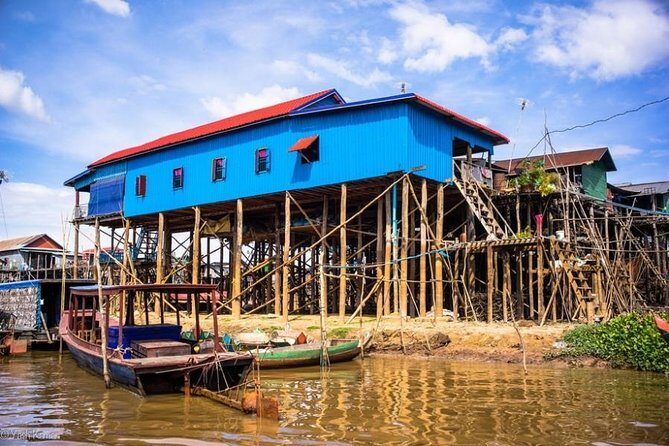
The city portion is your setup act. You begin in Sihanoukville and then move through the key landmarks that help you understand where everything sits. Expect to see things like the Independence monument, a primary school, and the Preah Thoung Neang Neak statue. You may also get a feel for the fishing village and floating houses area through guided stops and viewpoints.
This part is especially valuable because it gives you context before you jump into temples and markets. Once you’ve got a mental map—where the coast sits, where the hilltop views are, and how the city spreads out—you’ll enjoy the later stops more.
Potential drawback: the city stop is shorter, so it’s not a long sightseeing block. Think of it as get your bearings fast, then let the later visits do the heavy lifting.
Wat Krom Pagoda: Khmer Architecture Up Close
Wat Krom is one of the more arts-and-culture stops on the day. You’ll visit for about an hour, and the description focuses on Khmer religious life plus lavish decorations and impressive murals.
Why this is a good stop on a full-day plan: temples give you a different kind of “information.” A guide can point out what you’d otherwise miss—where the style comes from, what the space is meant for, and how art is used in worship. It’s also a nice change of pace after city streets and before the bustle of a market.
A realistic consideration: temples are active places. Plan to dress respectfully and expect to follow any guidance from staff. If you’re traveling with kids, this is still manageable because the visit is timed (about an hour) rather than an all-afternoon temple marathon.
Tumnob Rolok Fishing Port: Watching Work, Not Just Sights
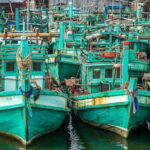
Next comes Tumnob Rolok, a local fishing port and harbor scene. The key here is that it’s not treated like a museum stop. You’re there to learn more about the daily lives of fishermen, and you’ll see many small boats lined up along the harbor.
This is where the tour becomes more than sightseeing. A good guide turns what could be a quick look into something you can understand: how fishing fits into the local routine, what you’re seeing from the shoreline, and why the harbor looks the way it does.
Time is about 30 minutes, so don’t expect a long walk around the entire port. Treat it as a snapshot. If you love boats and coastal life, you can always add extra time later on your own.
You can also read our reviews of more city tours in Sihanoukville


Phsar Leu Market: Seafood, Snacks, and Everyday Buying
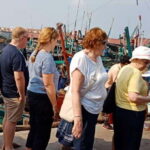
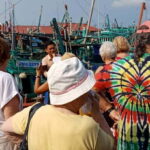
Then you head to Phsar Leu market, one of those places that tells you what daily life looks like in Sihanoukville. The market description is broad—vendors selling fruit, seafood, clothing, jewelry, souvenirs, and street food—so even if you’re not shopping, you’ll see a full cross-section of what people buy and how the stalls are organized.
Why I think this stop is worth it: markets are one of the fastest ways to understand a destination beyond monuments. You’ll also likely get good ideas for what to try later, since you’ll see food sold there and get a sense of what’s common.
Possible drawback: markets can be crowded and moving. It helps to go in with the mindset of browsing rather than hunting for one perfect item. If you want souvenirs, this is your moment; if you don’t, focus on the food smells and the everyday rhythm and keep your purchases minimal.
Wat Leu Temple: The Steps and the Views Over Coastline
Wat Leu is both a temple visit and a viewpoint. You’ll climb steps and then look out over the city, surrounding beaches, and the wider area. It’s listed at about 30 minutes, with admission included.
This stop is a great “mid-day reset.” You’ll change levels from street-level to a hilltop vantage point. Even if you’re not the type who loves hiking, it’s short enough that most people can do it—just be prepared for some stair effort.
A consideration: hilltop steps mean you’ll want comfortable shoes. Also, if you go when it’s very bright, take your time at the top—views are best when you slow down for a few minutes instead of rushing through.
Otres Beach: Real Coast Time (Not Just a Photo Pause)
After the temple, you’ll get Otres Beach time, around 1 hour 30 minutes. This is your chance to land the day with something relaxing. The tour description connects it to the view from Wat Leu—so you go from looking at the coast to actually spending time on it.
This is where the full-day structure pays off. You don’t just burn the day on inland sights. You get a stretch of beach relaxation, which helps balance the cultural stops.
One practical note: beach time can be weather-dependent. The experience requires good weather, and if conditions aren’t right, the tour may be offered on a different date or refunded. So if you’re scheduling multiple activities, keep flexibility in your beach day planning.
Lunch, Bottled Water, and the Real Meaning of Value
The price is $85 per person for a full day of transportation and guided stops (about 7 hours). On paper, that can look steep compared to DIY transport. In real terms, though, the tour includes several big cost items: lunch, bottled water, air-conditioned vehicle, and all fees and taxes.
That matters because it reduces decision fatigue. You’re not trying to price meals you might like, then add tuk-tuk fares, then calculate temple entry, then figure out how to pay guide and driver. Here, most of that is rolled into one number.
Also, the guide time is part of the value. When a guide can explain the places—like how schools and job training are part of the story in the area, as mentioned by Mr. Sothy—your stops feel more meaningful than just standing near a landmark.
If I had to name a drawback on value, it’s this: you’re paying for a structured day. If you only want beaches or only want markets, you might feel like you bought more than you needed.
The Guide Makes or Breaks the Experience
A recurring highlight is the guide’s ability to communicate clearly in English and answer questions. Two names show up in the feedback: Eav, praised as the best tour guide for being knowledgeable and responsive, and Mr. Sothy, who shared history and the current situation in Sihanoukville, including details connected to schools and vocational paths.
That kind of guidance is a big deal in places where signage and background information can be limited for visitors. When you can ask questions and get straight answers, you end up seeing more than what’s in front of you.
For your part, come with a few simple prompts. Ask what surprised the guide most about Sihanoukville’s changes, what people in fishing communities focus on day-to-day, and what a first-time visitor should understand before heading to the beach.
How Much Walking Is Involved?
The day is built around short timed stops, so it doesn’t feel like an all-day hike. The most physical moment is the steps at Wat Leu. Other areas are primarily sightseeing and browsing, including the port scene and the market.
The tour indicates that most travelers can participate, which usually means the route is manageable for typical visitors. Still, if you have mobility issues, you’ll want to plan around the temple steps.
Who This Tour Fits Best
This is a strong match if you:
- Want a first visit to Sihanoukville with a guided route
- Like a mix of temples + local life + beach time
- Travel with kids and want shorter, varied stops (the tour is described as family friendly, even with children around 7 and 13)
- Prefer air-conditioned comfort plus included lunch and fees
It may be less ideal if you:
- Want long, independent time in one place (this tour is intentionally structured)
- Hate the idea of market browsing where you might pass lots of stalls and people
- Are hoping for a deep dive into only one theme, like beaches or history
Should You Book This Full-Day Sihanoukville Tour?
If you want the quickest path to understanding Sihanoukville—how people live, what the temples look like up close, and where the best views and beach breaks fit into the day—this is a solid booking. The included lunch, bottled water, air-conditioned transport, and covered fees make the $85 feel more reasonable than it might at first glance.
Book it especially if you’ll be in town for a short time or you don’t want to stitch together transport and admissions on your own. Just go in expecting a well-planned highlight reel, not an all-day free-form exploration.
FAQ
FAQ
How long is the Sihanoukville full-day city tour?
It runs for about 7 hours (approx.).
What’s included in the price?
The tour includes an air-conditioned vehicle, lunch, bottled water, and all fees and taxes.
Is there an English-speaking guide?
Yes. The tour includes an English-speaking guide.
Where does the tour start?
Pickup and meeting are offered at Port Gate 1 or Independence Square, with a signboard holding your name.
What stops are visited during the day?
You’ll visit Wat Krom Pagoda, the Tumnob Rolok fishing port area, Phsar Leu market, Wat Leu temple, and Otres Beach, plus city sights in Sihanoukville such as the Independence monument and other local landmarks.
Is admission included for temples?
Yes. Admissions are included for Wat Krom Temple and Wat Leu Temple. Other stops are listed as free.
What if the weather is bad?
The experience requires good weather. If it’s canceled due to poor weather, you’ll be offered a different date or a full refund.