REVIEW · SIEM REAP
3-Hour Siem Reap Guided Cooking Class and Market with Pick up
Book on Viator →Operated by Siem Reap Experiences · Bookable on Viator
Three courses, zero experience needed. I like the step-by-step instruction and the intimate max-15 class setup that keeps attention on you. The market and cooking flow are very learnable, but one reported issue involves a rare no-show tied to hard-to-reach contact, so confirm details the day before.
You’ll start with a market tour to see Khmer ingredients in their raw forms, then you’ll cook in a small group with a Khmer chef. It’s also family-friendly, including a welcome note that children can join, which changes the vibe from strict class to shared fun.
In This Review
- Quick hits before you cook
- Why This Khmer Cooking Class Starts With the Market
- Pickup, Transport, and the Pace of a 3-Hour Session
- Choosing Your Starter, Main, and Dessert
- What the Chef Coaching Looks Like (and Why It Helps)
- Open Kitchen, Ingredients, and the Garden Touch
- Meals You Can Actually Recreate at Home
- Price and Value: What $32 Gets You
- Who This Cooking Class Is Best For
- Should You Book This 3-Hour Market and Cooking Class?
- FAQ
- How long is the Siem Reap guided cooking class?
- Is pickup included?
- Do I need any cooking experience to join?
- What will I cook during the class?
- Are children allowed?
- Is alcohol included?
- Can I cancel for free?
Quick hits before you cook
- Market tour first so you understand what you’re actually buying and why it matters
- Small group (up to 15) with coaching that’s easy to follow
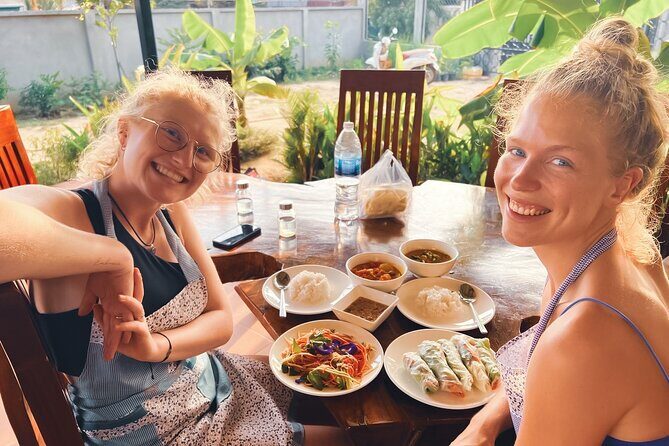
- Three-course meal: starter, main, dessert, all made with your own hands
- You take home new recipes so the learning doesn’t end when you leave
- Pickup included via tuk tuk or a mini van based on group size
- No alcohol included, so plan around that if you want drinks
Why This Khmer Cooking Class Starts With the Market
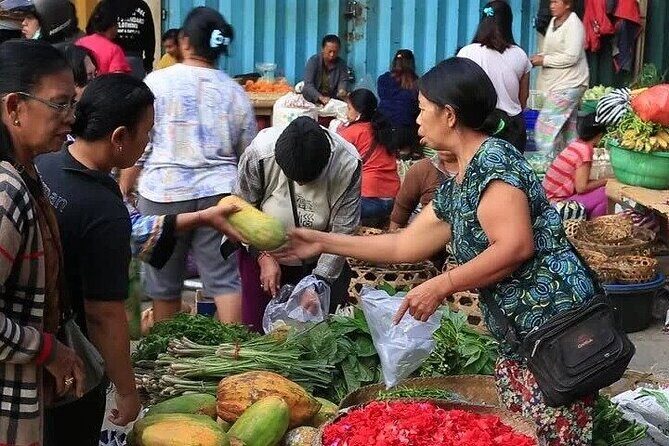
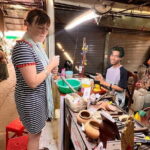
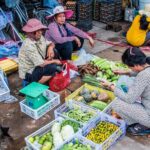
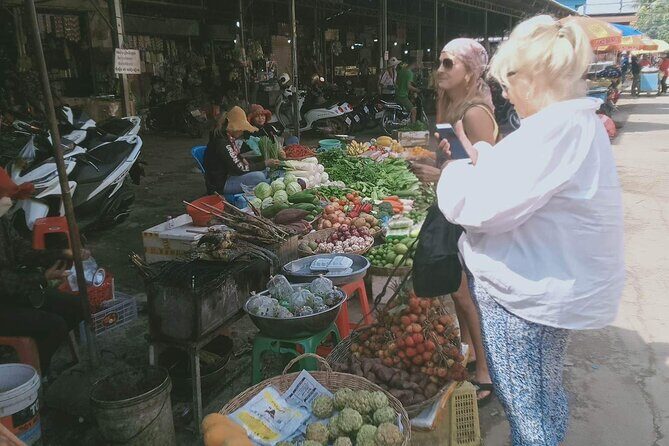
I like the way this class begins at a local market. You don’t just show up and cook. You first walk through common Cambodian staples in their raw state, then you connect the ingredients to the dishes you’re making later.
This matters because Khmer cooking is ingredient-driven. When you see things like fresh produce and pantry basics before you cook, you’re less likely to treat the recipe like a mystery checklist. Instead, you start understanding how flavors build: what’s used fresh, what’s toasted or simmered, and what gives each dish its character.
A local guide is part of this part of the experience, and that’s a big practical win. You get help spotting what you need and how locals think about it, not just what a recipe says on paper. The market stop also gives you a quick culture-and-food context for Siem Reap beyond temples.
You can also read our reviews of more guided tours in Siem Reap

Pickup, Transport, and the Pace of a 3-Hour Session
This is a 3-hour experience, and time is handled tightly and clearly. You’ll get pickup from your accommodation, and the transport is included. Expect either a tuk tuk or a mini van depending on how many people are booked.
That logistics detail matters more than it sounds. Siem Reap traffic can be unpredictable, so having transport covered and built into the schedule helps you avoid the stress of figuring out timing on your own. It also means you can focus on the food part.
The class is designed to be non-intimidating. It’s explicitly for beginners and uses easy, step-by-step instruction. With a maximum of 15 people, you’re unlikely to get lost in the back row. You should feel comfortable asking questions and keeping up.
One thing to keep in mind: it’s not described as rushed. Still, because it’s only three hours, you should be ready to cook actively rather than watch everything happen at a distance.
Choosing Your Starter, Main, and Dessert
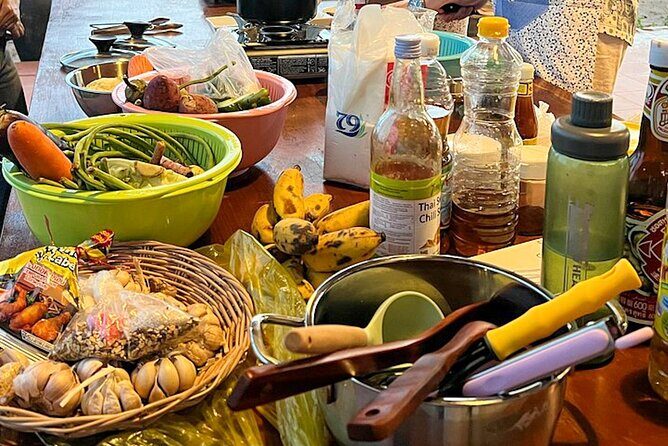
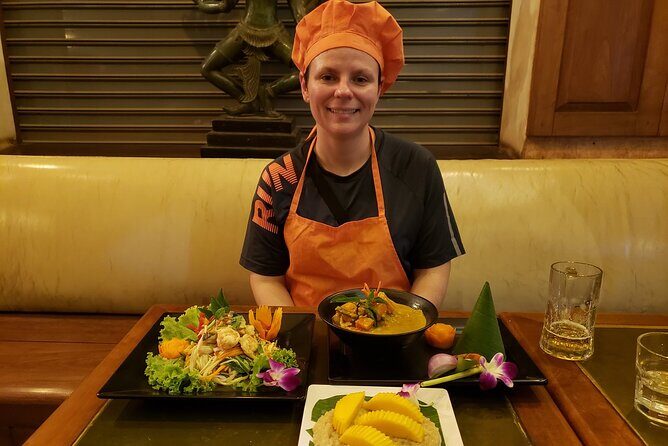
The big structure is three courses: a starter, a main, and a dessert. You’ll prepare all three, then sit down and enjoy what you made.
This is a smart approach if you want real learning. Many cooking classes teach one dish well. This format gives you a broader skill set across different Cambodian flavors and techniques:
- Starter-style dishes often teach freshness and balance.
- The main course teaches the core simmering/building flavors.
- Dessert shows how Khmer cooks use sweet profiles—often with coconut milk and fruit—without turning everything into a sugary overload.
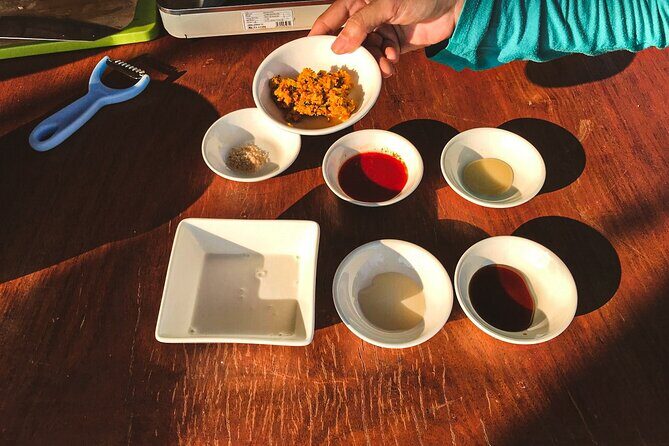
From past participant stories, common choices have included fresh rice paper rolls, fish-and-eggplant curry with coconut milk (often referred to as somla kits), and a banana coconut milk dessert. Those examples are helpful because they hint at the range: crunchy and fresh, then deep and creamy, then sweet and comforting.
You’ll also get to choose what you make, which is a big deal for value. If you know you’ll enjoy what’s on the menu, you’re more likely to replicate it at home later.
What the Chef Coaching Looks Like (and Why It Helps)
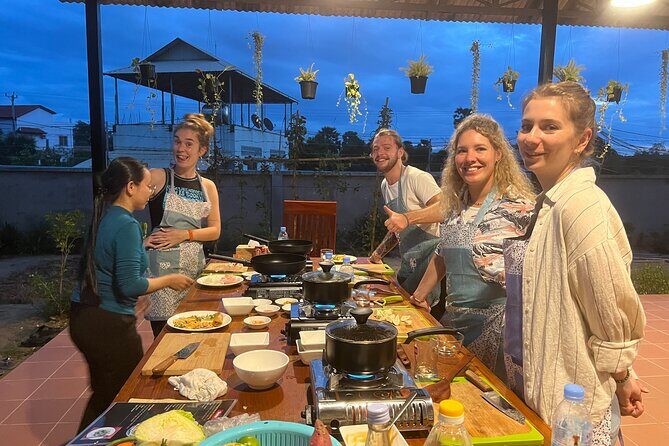
The instruction is led by a Khmer chef, with a local guide at the market and an included cooking helper who also helps explain. That combination is what makes the class feel practical instead of purely theatrical.
You’re not expected to already know Khmer cooking habits. Instead, you get guidance as you go. That’s especially important for beginners because kitchen confidence comes from doing, not just hearing.
I also like that the setting is described as intimate and nurturing. In a small class, the instructor can adjust their pacing. It’s easier to ask how something should look or taste at a certain stage, rather than guessing.
If you want a smoother experience, come with basic curiosity and a willingness to follow the steps exactly at first. You can personalize later once you understand the core technique.
Open Kitchen, Ingredients, and the Garden Touch
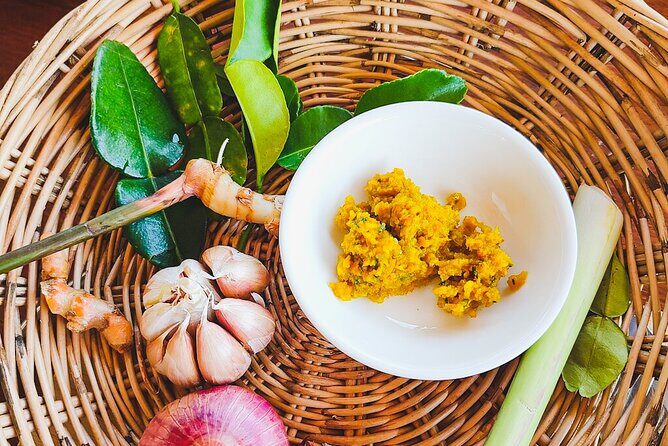
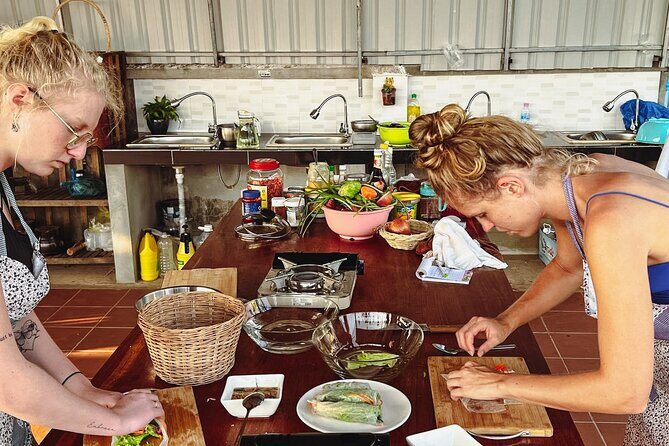
A recurring theme from participant comments is the warm, welcoming cooking setup—often described as an open kitchen space. Some people also highlight a garden area used for sourcing ingredients, which adds a tangible connection between where food grows and where it ends up on your plate.
Even if you don’t obsess over farm-to-table details, this kind of setup helps you see the logic behind Khmer flavors. When you understand where ingredients come from, you tend to cook with more care. You also remember the dish more clearly, since it wasn’t just a recipe—it had a story.
Practical side: an open-air or garden-adjacent kitchen can mean it’s warmer and more exposed than a sealed restaurant kitchen. Plan for that by bringing a light top and being ready for sun or humidity.
You can also read our reviews of more shopping tours in Siem Reap

Meals You Can Actually Recreate at Home
One of the most appealing promises is that you return home with three new recipes: the starter, main, and dessert you made. That turns a one-time activity into a real takeaway.
This matters because many food tours give you great memories but little to rebuild later. Here, the focus is learning fundamentals and leaving with recipes you can repeat. If you’re the type who likes hosting dinner or trying to recreate dishes you tasted in Asia, this format gives you a clear set of targets.
Also, because the learning is step-by-step for beginners, you’re more likely to recreate the dish successfully. You’ll have a sequence to follow and a better idea of what the final result should feel like—texture, smell, and balance—not just a list of ingredients.
If you want to make the recipes easier for yourself later, take a few notes during the class: what you did first, what changed over time, and any substitutions you discussed.
Price and Value: What $32 Gets You
At $32 per person for about three hours, this is strong value in Siem Reap—especially because several costs that often get added elsewhere are already included.
Here’s what’s included based on the experience details:
- Pickup and drop-off
- Tuk tuk (or van) transport
- Bottled water
- Market expenses for ingredients for cooking
- A local guide at the market
- A cooking helper and explanation
That means you’re not just paying for the cooking. You’re paying for the full flow: market orientation, ingredient sourcing, instruction, and the meal itself.
One thing not included is alcohol. So if you expect beer or cocktails with your cooking, budget separately. Otherwise, bottled water included keeps you covered for hydration during the class.
If you like value, this kind of bundled format is often easier than piecing together market time, transport, and a separate cooking workshop.
Who This Cooking Class Is Best For
This experience fits you best if you want:
- hands-on learning without needing prior skills
- a small-group setting (up to 15)
- a beginner-friendly intro to traditional Khmer cooking
- a family activity where kids are welcome
It’s also a good choice if you’re spending only a few days in Siem Reap and want a food experience that feels local without needing months of study.
It might be less ideal if you hate markets, dislike cooking, or want a faster, purely sightseeing-style activity. Also, if you’re very sensitive to noise or heat, you’ll want to prepare for an outdoor or semi-outdoor kitchen setup.
Finally, because there is at least one recorded no-show situation in the broader history, I’d keep your confirmation details handy and verify day-of timing when possible. Most bookings go smoothly, but that’s a fair consideration for any paid activity.
Should You Book This 3-Hour Market and Cooking Class?
I’d book it if you want a structured, beginner-friendly way to learn Khmer flavors in Siem Reap—and if you like the idea of leaving with three recipes you can cook again later. The combination of market learning, step-by-step coaching, and an intimate group size makes it feel like real instruction, not just a meal tour.
Skip it if you’re only interested in temples, you hate markets, or you need a class that’s guaranteed to run exactly as scheduled in every scenario. If you do book, take a screenshot of your confirmation, keep your phone charged for the mobile ticket, and show up a bit early so pickup and timing feel easy.
FAQ
How long is the Siem Reap guided cooking class?
The class runs for about 3 hours.
Is pickup included?
Yes. Pickup and drop-off are included, and transport is provided by tuk tuk or a mini van depending on group size.
Do I need any cooking experience to join?
No prior experience is needed. The class uses easy, step-by-step instruction.
What will I cook during the class?
You will prepare a three-course traditional Khmer meal: a starter, a main, and a dessert.
Are children allowed?
Yes. Children are welcome, and it’s described as a fun family activity.
Is alcohol included?
No. Alcohol is not included in the experience.
Can I cancel for free?
Yes. Free cancellation is available up to 24 hours before the experience start time for a full refund.