REVIEW · SIEM REAP
Angkor and Waterfall
Book on Viator →Operated by Angkor One Tour · Bookable on Viator
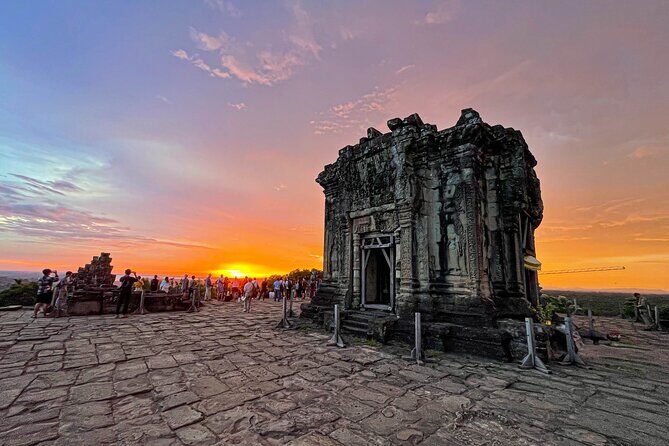
Angkor and a waterfall in two days sounds perfect. This is a tight, well-paced plan that links the big three temple highlights—Angkor Wat, Angkor Thom, and Ta Prohm—with the Khmer empire birthplace at Phnom Kulen.
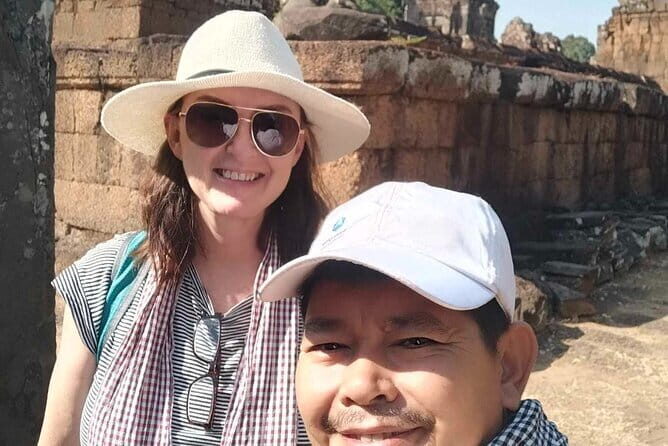
I really like two parts of this experience. First, you start smoothly with hotel pickup and private transportation, so you’re not losing time negotiating tuk-tuks. Second, the guide experience stands out: Dara is organized, responsive, friendly, and good at shaping the day so you can see a lot without feeling chained to crowds, plus there’s water on hand. The main thing to consider is simple: entrance fees and meals aren’t included, and you’ll be active for two long days (about 8 hours each) with a moderate fitness level requirement.
In This Review
- Key Highlights You’ll Care About
- Why This 2-Day Combo Works in Real Life
- Price and What It Really Covers
- Day 1: Angkor Wat, Ta Prohm, and the Angkor Thom City Circuit
- Angkor Wat (about 3 hours)
- Ta Prohm (the famous temple after Angkor Wat)
- Lunch near the temples
- Angkor Thom: Bayon, terraces, and the former royal area
- Day 2: Phnom Kulen National Park and the Khmer Empire Turning Point
- The reclining Buddha carved on the mountain tip
- River of thousand lingas
- Waterfall time
- The Real Value: A Local, Trained Guide Who Doesn’t Burn Your Time
- Practical Tips Before You Go (So the Day Feels Easy)
- Who This Tour Is Best For (And Who Might Prefer Something Else)
- Should You Book Angkor and Waterfall?
- FAQ
- What is the duration of the tour?
- Where does the tour start and end?
- Is pickup offered?
- What’s included in the price?
- Are entrance fees included?
- Are meals included?
- How many stops are there across the two days?
- What is the group size limit?
- What kind of fitness level do I need?
- Can I cancel for free?
Key Highlights You’ll Care About

- Small group size (max 10) helps keep the pace sane at major temple stops.
- Dara’s flexible, responsive guiding makes it easier to adjust the plan to what you want to focus on.
- Private pickup + air-conditioned comfort reduces the hassle between sites.
- Two temple clusters plus Phnom Kulen gives you both classic Angkor stonework and nature-based Khmer landmarks.
- Phnom Kulen highlights include the reclining Buddha, river of thousand lingas, and a waterfall.
Why This 2-Day Combo Works in Real Life
Angkor can feel like information overload. Too many carvings, too many towers, too many photos you didn’t plan to take. What I like about this tour is that it turns the chaos into a sequence you can actually follow.
You get two clear days with different vibes. Day 1 is about the famous Angkor temple set—Angkor Wat, Ta Prohm, then Angkor Thom. Day 2 shifts gears to Phnom Kulen National Park, where the story of the Khmer empire connects to water, stone, and spiritual symbolism. It’s a good mix if you want variety but still want someone else to handle the route.
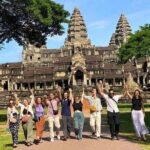
Also, the fact that it’s capped at 10 travelers matters. At Angkor, big groups can stretch your walking time and slow down photo moments. A smaller group usually means you can pause, look longer, and keep moving without the constant “everyone, hurry up.”
You can also read our reviews of more tours and experiences in Siem Reap.

Price and What It Really Covers
At $79 per person for a ~2-day experience, the value mainly comes from two included items: private transportation and a tour guide. That’s the heart of this tour—someone who knows how to get you where you need to go and how to manage the day.
What’s not included is also important: entrance fees and meals. So your total trip cost will depend on what you pay at each temple and how you handle lunch. If you like knowing your budget up front, I’d suggest setting aside extra money for tickets and at least one meal stop per day.
One more practical note: the tour uses a mobile ticket, which usually means less paper fuss on arrival. Still, bring along your phone battery plan—temple days are not the time to gamble with a low battery.
Day 1: Angkor Wat, Ta Prohm, and the Angkor Thom City Circuit
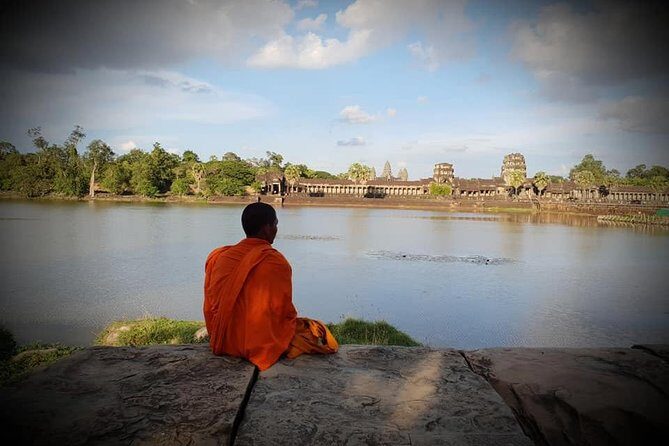
Day 1 is built like a temple sampler—then a full city-style closer.
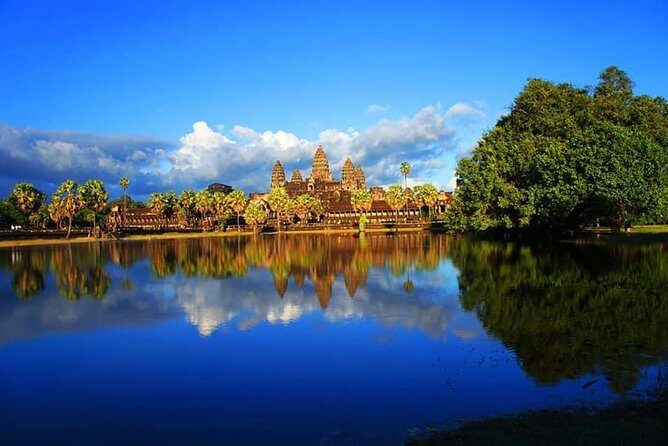
Angkor Wat (about 3 hours)
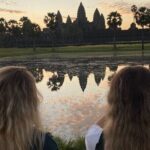
You’ll meet your guide and head to Angkor Wat first, with about three hours for this stop. This timing is useful because Angkor Wat isn’t just one “look and go” place. Even if you only stick to the highlights, you’ll likely spend time absorbing the scale and walking the areas that make it feel like a living monument.
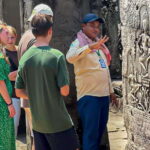
This is also where a good guide helps you not get lost in the maze. Dara’s approach is practical: he’s the type to help you see the best angles for photos and to stay organized, so you don’t burn the day just finding your bearings.
A small downside of Angkor Wat (and big temple stops in general) is that your feet will notice it. Stone steps and long distances are normal here. Comfortable shoes are not optional.
Ta Prohm (the famous temple after Angkor Wat)
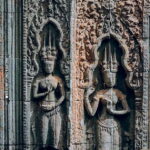
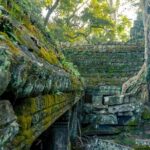
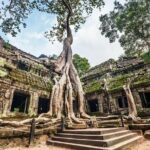
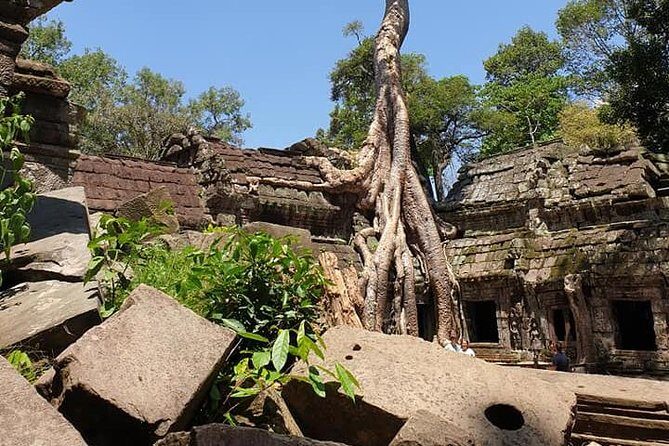
After Angkor Wat, the itinerary continues to Ta Prohm. This is where people often slow down for the visuals. The blend of carved stone and overgrowth creates a different mood than the cleaner, more symmetrical feeling you get elsewhere.
Here’s the value of doing Ta Prohm right after Angkor Wat: you’re still in “major Angkor mode,” so the day flows naturally. You won’t feel like you’ve switched destinations too sharply before you’ve even warmed up.

Lunch near the temples
There’s a lunch break nearby to the temple. That’s a real benefit of going with a guide and private transport. Instead of trying to guess where to eat on your own while managing group timing, you get a built-in recovery slot.
The catch is still the same: meals aren’t included, so you’ll pay on your own. If you’re the type who gets picky about food, plan to have a meal strategy before you’re hungry and tired.
Angkor Thom: Bayon, terraces, and the former royal area
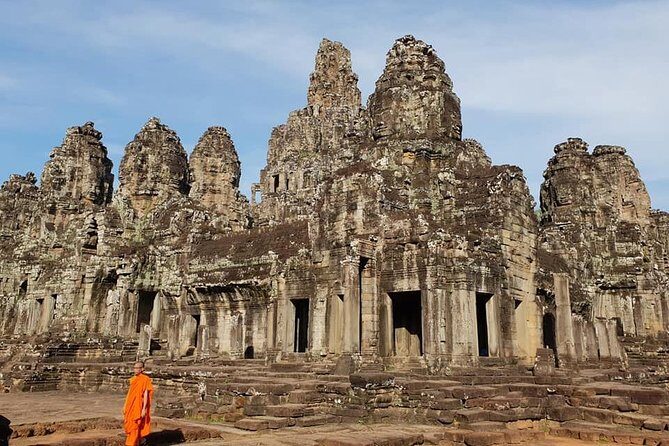
In the afternoon, you go to Angkor Thom, the temple-city cluster. This portion is where the tour becomes more “urban” and less “single monument.”
You’ll cover several key spots, including:
- Bayon
- Terrace of Elephant
- Phimean Akas
- Baphun
- and the former locations of the Grand palace
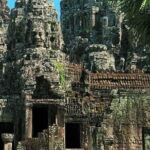
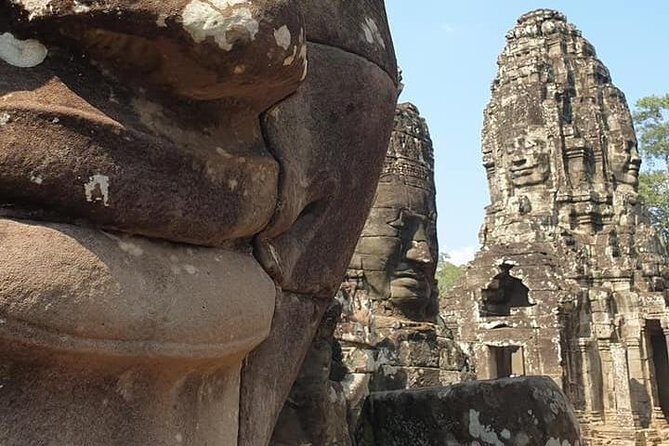
The big advantage of this section is variety in stone details and layout. The Bayon area is especially distinctive, while the terraces and former royal space help you feel how this was once a power center, not just a sightseeing stop.
A practical consideration: Angkor Thom can feel like a lot of “see-see-see” in one afternoon. That’s where a smaller group and a flexible guide help. If you want slower pacing or a longer pause somewhere specific, Dara can adapt the program to your wishes and needs.
Day 2: Phnom Kulen National Park and the Khmer Empire Turning Point
Day 2 is the change of scenery you’ll be glad you planned. You head to Phnom Kulen National Park, with about an hour and a half transfer time from Siem Reap.
The context here matters. Phnom Kulen is described as the birthplace of the Khmer empire, tied to King Jayavarman II, who proclaimed himself king of universal in 802 AD. That’s not just trivia. It gives weight to the carved religious sites you’ll see, and it helps the park feel like more than just nature.
The reclining Buddha carved on the mountain tip
One of the highlights is the large reclined Buddha carved into the mountain tip area. This is the kind of landmark that works even if you aren’t deep into temple iconography. It’s dramatic, readable, and visually memorable.
River of thousand lingas
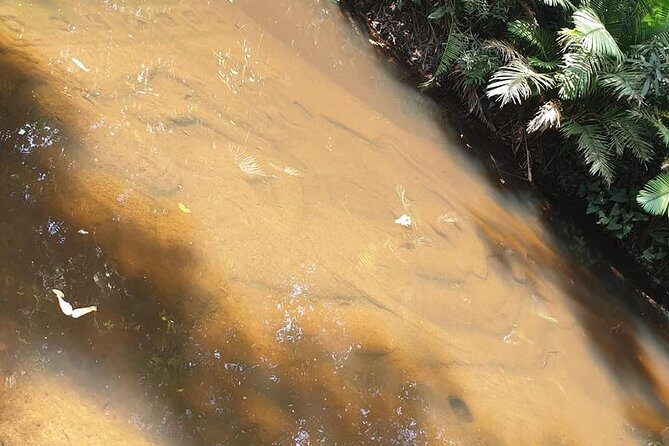
You’ll also experience the river of thousand lingas. It’s a powerful feature because it’s tied to spiritual practice and symbolism rather than being only about views.
If you’re the type who likes understanding what you’re looking at, a trained guide helps you connect the dots faster—especially when sites carry religious meaning layered across time.
Waterfall time
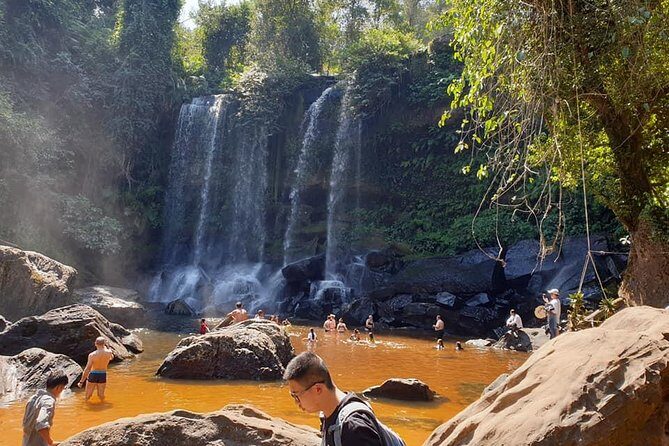
Finally, there’s a waterfall. This is your nature break from carved stone. It also adds a different kind of energy to the day: movement, sound, and the feeling of being somewhere active rather than purely monumental.
Just plan for damp footing. A waterfall stop usually means slippery areas and mist. If you wear shoes that handle wet conditions, you’ll feel more comfortable.
The Real Value: A Local, Trained Guide Who Doesn’t Burn Your Time
This tour isn’t just about the monuments. It’s also about how you get from one to the next and how you experience them.
The experience provider uses local guides trained from the Ministry of Tourism. That training shows in the way the day is structured—organized pickup, smooth routing, and the ability to keep things moving.
And the name you’ll hear most in the feedback is Dara. The strongest praise patterns are consistent:
- He’s organized and responsive.
- He’s friendly and professional.
- He can help you avoid heavy crowd pressure and still get great photos.
- He brings small comforts like bottled water.
- He can be flexible when you want to change the balance of temple time.
That last point matters more than it sounds. In temple touring, the “best” plan depends on you—what you love, what you skip, and how long you want to linger at details. When a guide can adapt, you end up with a day that feels personal instead of generic.
Practical Tips Before You Go (So the Day Feels Easy)
Here are the things I’d do before booking if I were trying to keep the experience smooth:
- Bring extra money for entrance fees and meals. Since those aren’t included, you’ll want no surprises.
- Wear shoes that handle uneven stone. You’ll be walking a lot across multiple sites.
- Keep your phone charged. You’ll likely rely on your mobile ticket and navigation support during the day.
- Hydrate and take short breaks. The tour includes water, but temple days still chew up energy fast.
- Use the small group size to your advantage. If there’s somewhere you want a slower look, ask. A max-10 setting makes it easier to get the attention you need.
Who This Tour Is Best For (And Who Might Prefer Something Else)
I think this tour fits best if you want:
- a guided Angkor experience without stress,
- a compact two-day plan that hits major temples plus Phnom Kulen,
- and a guide approach that’s flexible rather than rigid.
It’s also a good fit for first-timers who don’t want to figure out timing and transitions on their own. Private transportation removes a lot of day-one friction.
If you prefer long solo wandering, early start planning, and building your own route day-by-day, you might feel limited by the schedule. Also, if you don’t like long temple walking, the moderate fitness requirement is worth taking seriously.
Should You Book Angkor and Waterfall?
If your goal is to see the core Angkor highlights plus Phnom Kulen in a way that stays organized, I’d book it. The biggest reason is not just the itinerary—it’s the guiding style. Dara’s flexibility, responsiveness, and ability to help you manage crowds and photography moments make a noticeable difference when you’re dealing with huge, famous sites.
Book it especially if you like structure but still want room to adjust. Just go in knowing entrance fees and meals are on you, and plan your energy for two full days.
FAQ
What is the duration of the tour?
The tour runs for about 2 days.
Where does the tour start and end?
It starts in Krong Siem Reap, Cambodia, and ends back at the meeting point.
Is pickup offered?
Yes, pickup is offered.
What’s included in the price?
Private transportation and a tour guide are included.
Are entrance fees included?
No. Entrance fees are not included.
Are meals included?
No. Meals are not included.
How many stops are there across the two days?
Day 1 includes Angkor Wat, Ta Prohm, and Angkor Thom (with several temple sites). Day 2 includes Phnom Kulen National Park highlights such as the reclining Buddha, the river of thousand lingas, and a waterfall.
What is the group size limit?
The tour/activity has a maximum of 10 travelers.
What kind of fitness level do I need?
A moderate physical fitness level is recommended.
Can I cancel for free?
Yes. You can cancel up to 24 hours in advance for a full refund. If you cancel less than 24 hours before the start time, the amount you paid will not be refunded.