REVIEW · PHNOM PENH
Lomi-Lomi Massage – Body Massage
Book on Viator →Operated by Samatha Spa Phnom Penh · Bookable on Viator
Your shoulders will thank you in Phnom Penh. This Hawaiian Lomi-Lomi session is built around elbow work and deep kneading/rubbing to loosen stiff muscles and help you feel mentally calmer too. I like the way the therapists talk with you first about where to focus and where to avoid, and I also like the clean, professional atmosphere with English-speaking staff. One thing to factor in: you might need to climb multiple flights of stairs to reach the massage rooms.
For practical planning, it’s priced at $35.90 per person for about 1 hour, and you get a mobile ticket. The spa is in Phnom Penh (meeting point: 7 St 278), open daily from 10:00 AM to 11:00 PM, and your booking is handled as a private experience for just your group.
In This Review
- Key things to know before you book
- Lomi-Lomi in Phnom Penh: what you’re really signing up for
- Samatha Spa check-in: what happens before the first stroke
- The massage itself: elbow work, kneading, and deep pressure
- The people behind the pressure: technique and communication
- The little extras that make it feel complete
- Logistics in Phnom Penh: timing, location, and fitting it in
- Price and value: is $35.90 for 1 hour worth it?
- Who this is best for (and who might want to think twice)
- Should you book this Phnom Penh Lomi-Lomi massage?
- FAQ
- How long is the Lomi-Lomi massage?
- What type of massage is Lomi-Lomi here?
- Where is the meeting point in Phnom Penh?
- Is this a private session?
- Do I get a mobile ticket?
- What are the spa hours?
- What’s the cancellation rule if my plans change?
Key things to know before you book
- Elbow-focused Lomi-Lomi: kneading and rubbing designed to feel deeper than a basic Swedish-style session.
- Custom pressure and attention: therapists ask what to focus on and what to avoid, including potential medical considerations.
- A clean, calm spa flow: you’ll check in, settle into the space, then move through the treatment process in a structured way.
- Private by default: only your group participates, so it feels less awkward than shared “massage factory” energy.
- Plan for stairs: at least one therapist route involves walking up multiple flights to the rooms.
Lomi-Lomi in Phnom Penh: what you’re really signing up for
Lomi-Lomi is the Hawaiian-style massage people seek when they want more than relaxation on the surface. The style here uses your therapist’s elbow to deliver a deeper kind of muscle work, typically through slow kneading and steady rubbing. The goal is to ease physical tension, but the description also frames it as a way to release mental, emotional, and spiritual blockages—so you should go in expecting both body and mind to “unclench.”
The best part is that this isn’t advertised as a gentle, floaty experience. If your muscles feel stiff from walking, riding tuk-tuks, or sitting in too-tight posture on long drives, elbow-based Lomi-Lomi is the type of treatment that can actually match that effort. It’s also described as a “soothing deep-tissue” option, which lines up with the way many people talk about deep-pressure massage.
You can also read our reviews of more tours and experiences in Phnom Penh.


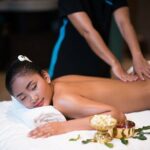
Samatha Spa check-in: what happens before the first stroke
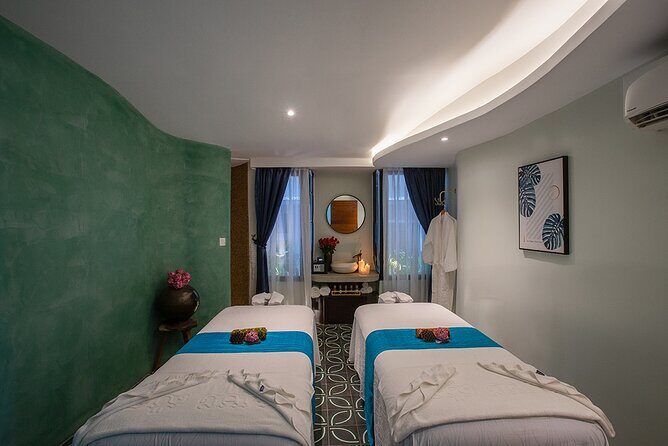
The experience is a 1-hour body massage, and it starts at the meeting point at 7 St 278 in Phnom Penh. From there, expect a normal spa rhythm: you arrive, get checked in, and settle into the waiting area before you’re taken to your room. One of the most consistent themes from the feedback is that the whole setup—from the moment you walk in—is handled professionally and kept very clean.
You’ll also want to pay attention to the first conversation. Therapists here are described as asking what you want to focus on and where you’d rather avoid. That matters because Lomi-Lomi can be intense for certain areas—great for tight shoulders and back tension, not always what you want if you’ve got tenderness in a sensitive spot.
If you like details, you might hear names as you book and arrive. People specifically mention therapists like Ms. Mao, Ms. Channy, Ms. Phanny, Ms. Phourn, and Irene, along with high praise for their technique and attentiveness. Even if your therapist isn’t one of those names, the consistent setup is that they adjust to you rather than treating everyone the same.
The massage itself: elbow work, kneading, and deep pressure
This is the core reason to book. Traditional Lomi-Lomi focuses on kneading and rubbing, delivered with elbow pressure for a more forceful massage than many travelers expect. The therapist’s movements are usually slow enough to feel calming, but strong enough to work the muscle layers that get stubborn when you’ve been on the move.
If you’ve been thinking about “deep tissue,” this style sits in that conversation. One review notes deep pressure with a sports-focused option, and the overall vibe is that the therapists know how to apply pressure effectively. That’s helpful if you’re the type who wants to feel the massage instead of just smell the candles.
What I’d do before you get on the table: be ready to tell them your priorities in plain terms. Say where you feel tight (upper back, lower back, shoulders, legs), and mention any areas you want skipped or lightened. Because the therapists are described as taking into account potential medical conditions and special circumstances, you’ll get a better session when you share relevant details early rather than hoping they figure it out mid-way through.
The people behind the pressure: technique and communication
Massage quality isn’t just about pressure—it’s about timing, communication, and reading your body. The spa’s staff are repeatedly praised for being professional, welcoming, and good at English communication, which helps a lot in Cambodia when you want clarity. You should feel comfortable asking questions like:
- Can you focus on my shoulders and upper back?
- Can you ease off on a spot that’s too tender?
- What kind of pressure do you recommend based on my tension?
Several experiences highlight therapists listening carefully and tailoring the session. People even mention that the spa informs the therapist about where to focus and where to avoid, which is exactly what you want for a treatment that uses deeper elbow pressure.
A nice bonus is the atmosphere. Reviews describe a relaxing environment and a smooth experience from the waiting room through to the end of the massage. In other words: you’re not just dropped into a chair and forgotten.
The little extras that make it feel complete
This isn’t only about the elbow. The “total experience” is part of the value. One review mentions tea being served, which might sound small, but it helps you transition out of that intense bodywork. After a deep-pressure massage, you generally don’t want to sprint back into chaos right away. Tea is a simple way to buy you a few calm minutes.
The ambience also gets called out as relaxing, and multiple people say the spa feels organized and professional. That matters if you’re nervous about your first massage in a new country. When the place feels clean and well run, you’re more likely to relax—and relaxation lets the therapist work better.



Logistics in Phnom Penh: timing, location, and fitting it in
The massage lasts about 1 hour, and the spa is open every day from 10:00 AM until 11:00 PM. That gives you flexibility. If your day is packed with temples and museum stops, you can schedule this as a reset after lunch. If you’ve been on the road all day, booking in the evening can turn the massage into a recovery tool.
The meeting point is 7 St 278, and it’s described as near public transportation. That’s useful because Phnom Penh can be easier when you’re not locked into a long ride. A practical approach is to map your day around a nearby tuk-tuk route, then treat the massage as your “cool-down block” before dinner.
One consideration: stairs. At least one experience notes walking up multiple flights of stairs to reach the massage rooms. If you’re carrying heavy bags or have mobility limitations, factor that into your timing and comfort level. It’s not a deal-breaker for everyone, but it’s worth knowing ahead of time.
Price and value: is $35.90 for 1 hour worth it?
At $35.90 per person for about 1 hour, the price sits in the mid-range of what you’ll typically see for a quality massage in a well-reviewed spa environment. What makes it feel like better value isn’t just the cost—it’s the combination of:
- deep Lomi-Lomi technique with elbow pressure
- a clean, professional space
- staff who communicate well and ask what you need
- a private experience for your group
A private setup matters more than people think. You get a more personal conversation and less chance of feeling like you’re sharing space, time, or attention. When you want deep-tissue work, that comfort and focus can directly improve results.
So, if you’re choosing between a cheap “generic massage” and a spa session with more consistent technique and communication, this is usually the better bet—especially if you tend to carry tension in shoulders, back, or hips.
Who this is best for (and who might want to think twice)
This Lomi-Lomi session is a great match if you:
- want a deep-tissue style massage rather than gentle relaxation only
- carry stiffness from sightseeing, travel days, or sitting in cars a lot
- prefer a therapist who asks about focus and avoids certain areas
- like a clean, professional spa environment
You might think twice if you:
- don’t want to deal with stairs to reach the rooms
- dislike deeper pressure or haven’t enjoyed elbow-based work before
- want a very light, slow-only massage style (this is described as deeper)
In most cases, you can solve the pressure question by speaking up early. Tell them your comfort level, and be clear about what you want worked and what you don’t.
Should you book this Phnom Penh Lomi-Lomi massage?
I’d book it if your goal is a proper muscle reset in Phnom Penh—something that actually targets tension, not just a calming rub. The strongest reasons are the consistent praise for professionalism, cleanliness, and therapists who listen for what to focus on and what to avoid. If you’re the type who benefits from elbow pressure and deeper work, this is the kind of session that can leave you walking a little easier the next day.
I’d skip or adjust expectations if stairs are an issue for you, or if you know you only like the lightest touch. Otherwise, $35.90 for about an hour of elbow-driven Lomi-Lomi in a well-run spa is a solid use of your time.
FAQ
How long is the Lomi-Lomi massage?
The session is listed as approximately 1 hour.
What type of massage is Lomi-Lomi here?
It’s a traditional Hawaiian-style massage using elbow pressure, combining kneading and rubbing to provide a deeper kind of muscle treatment.
Where is the meeting point in Phnom Penh?
The meeting point is listed as 7 St 278, Phnom Penh, Cambodia.
Is this a private session?
Yes. It’s described as a private tour/activity, meaning only your group participates.
Do I get a mobile ticket?
Yes. The booking uses a mobile ticket.
What are the spa hours?
The listed opening hours are Monday through Sunday from 10:00 AM to 11:00 PM.
What’s the cancellation rule if my plans change?
Free cancellation is offered up to 24 hours in advance for a full refund. If you cancel less than 24 hours before the start time, the amount paid is not refunded.