REVIEW · PHNOM PENH
Silk Island & countryside of Phnom Penh by Tuk Tuk
Book on Viator →Operated by Vana Adventure Travel · Bookable on Viator
A ferry ride beats the city noise. This half-day trip trades Phnom Penh’s traffic for the slower pace of Silk Island and local river life. I love how you start with a Mekong crossing and end with a meal that feels like part of the community. One thing to keep in mind: it’s countryside travel, so you’ll want insect-tolerant expectations and comfy walking shoes.
You also get a real craft-and-food focus, not just a photo stop. Expect walks through village lanes and fields, a look at silk production and weaving, and a visit tied to Cambodian bean curd (tofu skin) made nearby. The best part is the trip’s rhythm: you can move at a relaxed pace and still see a lot in a few hours.
The only drawback is that the day can feel rustic. The meal is local and the surroundings are close to water and farmland, so you may notice bugs and a less polished setup than you’d see in town. If you’re strict about spotless restaurants or prefer factory-style tours, this may not match your vibe.
In This Review
- Key things I’d circle before you book
- The Mekong ferry start: the quickest way to feel “away from Phnom Penh”
- Phsar Areyksat and the wet market stop: smells, colors, and food reality
- Tuk tuk (Romork) plus island ferries: why the transport is part of the story
- Silk Island (Mekong Silk Island 099): what you’re really learning
- Sedge mat weaving: the craft stop that feels oddly satisfying
- Bean curd (tofu skin) production: food history you can actually taste
- The Buddha monastery visit: quiet context for Cambodian belief
- Lunch or dinner by the river: simple Khmer flavors, real setting
- Guides and drivers: the small details that make it feel human
- Price and logistics: is $45 a good deal for this kind of day?
- Who this tour is best for
- Should you book Silk Island and Phnom Penh countryside by tuk tuk?
- FAQ
- How long is the Silk Island and countryside tuk tuk tour?
- What’s included in the price?
- Do you offer vegetarian options?
- Do I need to pay separately for ferry crossings?
- How many people are on the tour?
- What time of day does the tour run?
- Is the meal included, and are alcoholic drinks part of it?
- What should I wear?
Key things I’d circle before you book
- Mekong + ferry time early on, so the day starts calm instead of trapped in traffic
- Silk Island walks at your own pace, with a guide to explain what you’re seeing
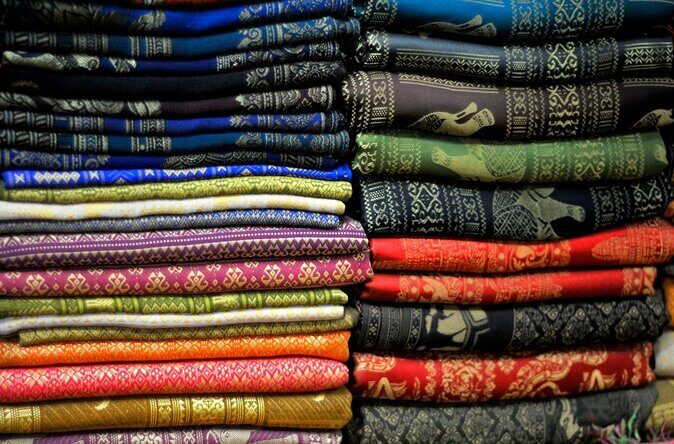
- Hands-on craft viewing, from silk weaving to traditional mat making
- Bean curd (tofu skin) production stop that connects directly to Khmer cooking
- Hotel pickup and tuk tuk/van transfer, keeping the logistics easy for a short trip
- Small group cap of 12, so questions and slower moments actually fit
The Mekong ferry start: the quickest way to feel “away from Phnom Penh”
The tour’s tone shifts right at the beginning. You’ll cross by ferry at a river confluence where the Mekong, Tonle Sap, and Bassac meet—one of those places where the geography does half the storytelling for you. It’s breezy, simple, and a lot more human than sitting in a car.
This first leg also matters for value. Many short Phnom Penh tours cram everything into city driving. Here, a chunk of the experience is literally on the water, which makes the day feel longer than its 3 to 5 hour window.
You’ll also understand why locals use these crossings. Even without a big “sightseeing” label, ferry travel shows you what daily life looks like around the river. Add in the guide’s running commentary and you’ll start picking up names, routines, and what crops grow where.
You can also read our reviews of more tours and experiences in Phnom Penh.
Phsar Areyksat and the wet market stop: smells, colors, and food reality
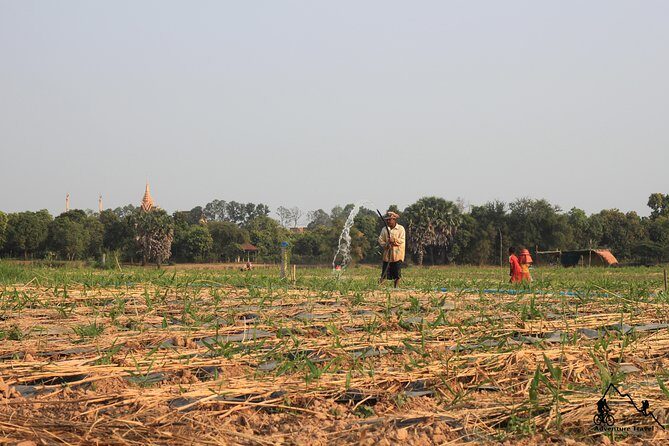
After the ferry, you head toward Phsar Areyksat and village areas where a wet market fits naturally into the day. This isn’t about shopping for souvenirs. It’s about seeing what people actually buy, sell, and use. You’ll get that “first contact” feeling—bananas, produce stands, everyday staples—without needing to be a food expert.
What I like here is the practical learning style. A market stop gives your brain something concrete to connect to later, especially when the route turns toward farms and food production.
A potential consideration: markets are lively and can be crowded and hot. If you don’t love close quarters, keep your pace easy and don’t feel pressured to stay long in the busiest pockets. The tour format is built around walking and short transitions, so you can reset without breaking the flow.
Tuk tuk (Romork) plus island ferries: why the transport is part of the story
This is not a “ride one bus, see one temple” day. The transportation is active. You’ll use a tuk tuk (Romork) with an experienced driver, then hop onto ferries as the route moves across islands and waterways.
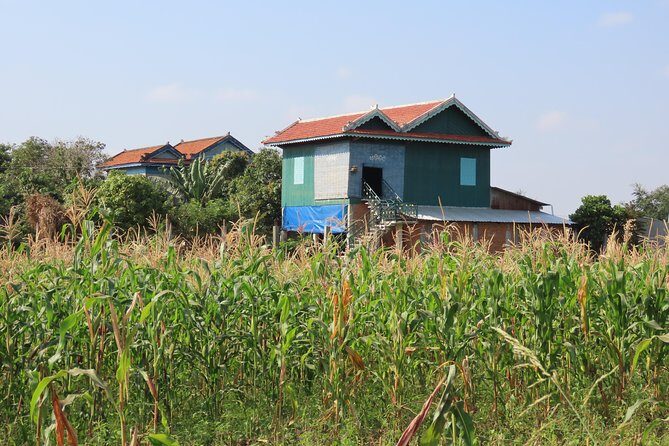
That matters more than it sounds. Tuk tuk travel through village roads and near river docks gives you small, continuous snapshots: homes set back from the path, fields next to lanes, and family work going on while you pass. One review even described it as hilarious in the best way—more like a moving window than a rigid tour route.
Still, plan for heat and dust. You’re moving outdoors, and some walking is involved. Bring water (you’ll likely have access to it during the trip), wear breathable layers, and don’t pack heavy shoes you can’t walk in. Also, expect that the “cooler than the city” feeling can change depending on the time of day.
Silk Island (Mekong Silk Island 099): what you’re really learning
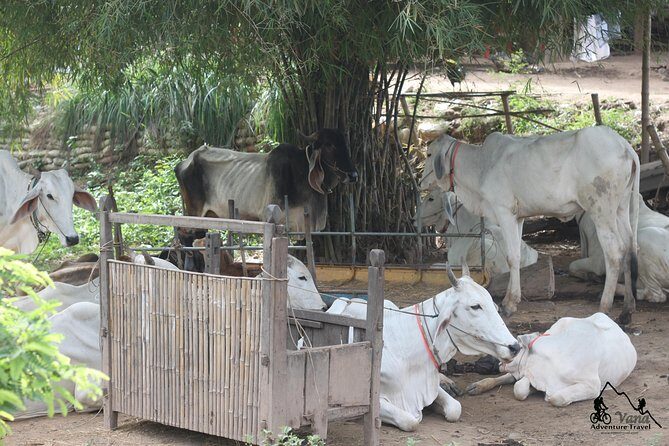
Silk Island is the centerpiece, and it’s designed so you can explore at your own pace. You’re not sprinting through a single highlight. Instead, the day connects farms, crafts, and spiritual sites.
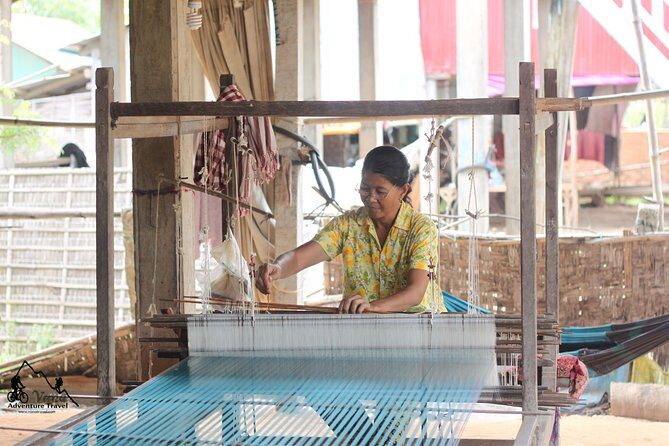
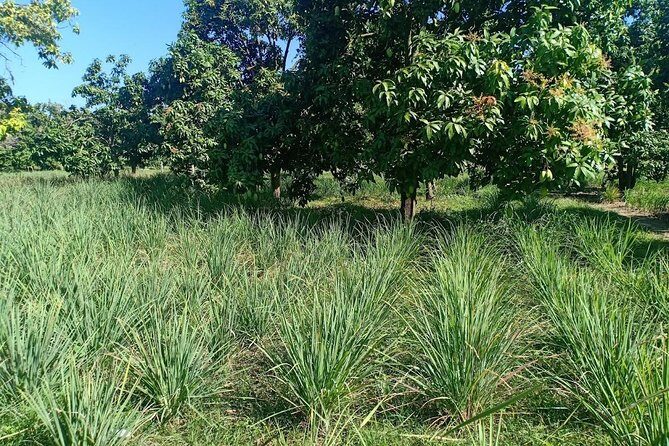
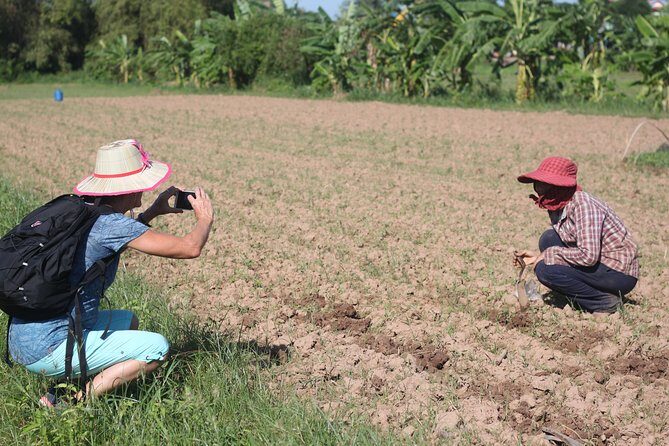
You’ll likely pass ginger and vegetable farms, then visit a local silk weaving workshop and weaving-related production areas. This is where the trip becomes more than sightseeing. Silk is slow work, and the guide’s explanations help you see that effort behind the final scarves and woven pieces.
One standout from guide accounts is the way the process is framed: from silkworm stages through to weaving and the finished items you recognize. Even if you don’t want to buy anything, it gives you a real appreciation for why silk is valued in Cambodia.
Possible drawback? This part of the day can feel small-scale. The silk sites you see are family-run or locally operated, not large commercial factories. That’s a plus for authenticity, but if you’re expecting a polished showroom, manage your expectations.
Sedge mat weaving: the craft stop that feels oddly satisfying
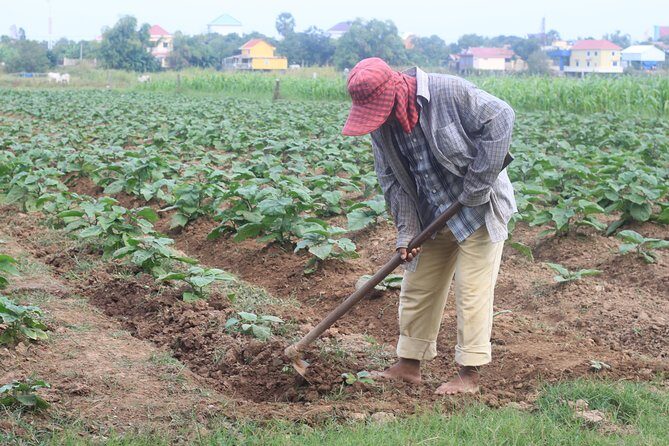
Before or around the island portion, you’ll witness sedge mat weaving—another traditional skill practiced by river communities. It’s the kind of craft that looks simple in photos but makes you appreciate the handwork once you see it up close.
Why I think this stop works: it widens the story beyond one industry. You end up with a fuller picture of how families earn a living along the Mekong—crops, processing, and handmade goods that match local materials.
Time-wise, it’s a quick stop, not an all-day craft class. But it’s memorable because it’s specific and tied to place.

Bean curd (tofu skin) production: food history you can actually taste
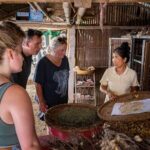
One of the most practical surprises in this tour is the stop at a local business producing bean curd. Bean curd is a staple ingredient in Khmer cooking, including soups and stir-fried noodles, so the connection is direct.
You’ll get to see the production side, then later you’ll be eating in a way that makes that ingredient make sense. This is one of those travel wins where you leave with a mental bookmark: you now recognize an ingredient’s origin story.
If you’re vegetarian, this matters even more. You can likely build meals around tofu-based dishes more easily, and the guide and restaurant selection include vegetarian options if you ask when booking.
The Buddha monastery visit: quiet context for Cambodian belief
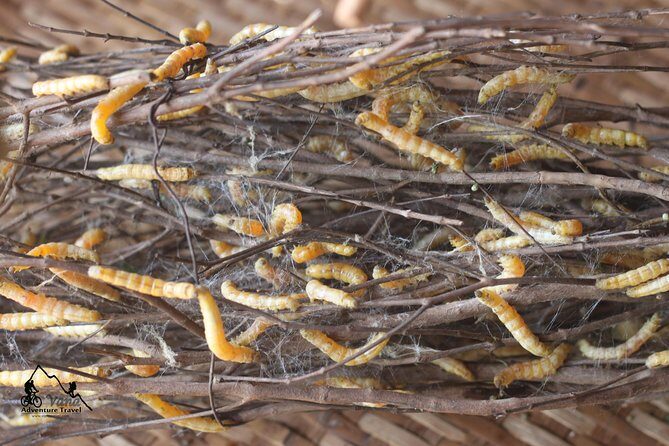
You’ll also stop at a Buddha monastery on the island. It’s not presented as a long lecture. It’s a chance to understand religious life as something woven into daily geography—near homes, near farms, near the places people work.
This kind of visit adds emotional context to the craft-and-food theme. You start to see that Cambodia’s river culture isn’t only about production; it’s also about faith, community, and routine.
Try to dress respectfully and keep your pace calm. Even if you’re mostly here for the outdoor experience, a temple pause is one of the best ways to soften the day and slow your brain down.
Lunch or dinner by the river: simple Khmer flavors, real setting
The meal is part of the core value of the tour. You’ll enjoy lunch or dinner at a local Khmer restaurant with vegetarian options available. Tropical fruits are included as well.
What I like is that the meal isn’t treated like a line item. It’s timed to feel natural—often near the water, often with that slow “people are just living here” atmosphere. One guide-and-dinner pairing story described a riverside meal during sunset time, which is exactly the kind of setting that makes a short excursion feel special.
A balanced note: this is not fine dining. Reviews mention that insect presence can happen, especially with river proximity and evening light. If you’re sensitive to that, plan around it. Choose a comfortable seat, keep expectations grounded, and focus on the taste and the setting.
Alcoholic drinks are not included, but you can usually purchase them if you want.
Guides and drivers: the small details that make it feel human
This tour runs with a professional English-speaking guide and an experienced driver for the tuk tuk or Romork. Since the group max is 12, the experience tends to stay flexible rather than assembly-line.
You’ll see multiple guide names showing up in feedback—Mon, Sok Mon, Thong Chea, Narith, Pi, Thom, Tida, among others. The recurring theme is clear explanations and friendly energy, plus a willingness to help the day make sense: why a farm looks the way it does, what a craft process represents, and how the river shapes the schedule.
What you can do to get the most from it: ask follow-up questions at stops. Market items, crop varieties, and craft steps are all easy to turn into conversations. Guides clearly enjoy that kind of back-and-forth.
Price and logistics: is $45 a good deal for this kind of day?
At $45 per person, this tour is priced like a “short excursion with real content,” not like a high-cost private safari-style outing. And it includes a lot that usually costs extra on other tours:
- hotel pickup and drop-off
- ferry crossing fee and a contribution tied to villagers
- tuk tuk/driver transport
- tropical fruits
- lunch or dinner with locals
- professional English-speaking guide
If you’ve ever paid separately for ferry access, transport, and a guided food-and-craft day in Cambodia, you’ll understand why this is considered strong value. You’re paying for time on the water, time on the island, and time with a guide—three things that are hard to replace with a self-guided plan in a short window.
The biggest “logistics” consideration is the tuk tuk plus walking mix. It’s not a full day hiking tour, but you are outdoors. If you have mobility limits, you’ll want to check with the operator on how much walking you’ll realistically be doing on your exact departure.
Who this tour is best for
This is a good fit if you want:
- a break from city noise without losing a half day
- countryside culture that feels connected to real work (silk, mats, bean curd)
- ferry travel as an experience, not just transit
- small-group pacing and a guide who can explain what you’re seeing
It may be less ideal if you:
- hate rustic meal settings and don’t want any chance of insects
- expect a large, polished factory tour
- are uncomfortable walking around markets and farms
Should you book Silk Island and Phnom Penh countryside by tuk tuk?
I’d book it if you want a short, high-feel excursion that actually changes what you’re looking at. The Mekong ferry timing, the Silk Island craft focus, and the meal with locals combine into a day that feels more “Cambodia in motion” than “Cambodia on a checklist.”
Don’t book it only if you’re strongly uncomfortable with the countryside version of travel: uneven surfaces, heat, and the reality of river-adjacent insects. If that’s your situation, you can still enjoy Phnom Penh, but you may prefer a more controlled, indoor-focused tour instead.
If you do book, set yourself up for success: wear comfortable walking shoes, bring light layers, and ask for the vegetarian meal when you reserve. You’ll get the most from the guide’s explanations, and you’ll leave with the kind of craft-and-food context you can carry into every menu back in town.
FAQ
How long is the Silk Island and countryside tuk tuk tour?
The tour runs about 3 to 5 hours.
What’s included in the price?
Hotel pickup and drop-off, a professional English-speaking guide, ferry crossing fees and a contribution to villagers, tuk tuk (Romork) transport with an experienced driver, tropical fruits, and lunch or dinner with locals.
Do you offer vegetarian options?
Yes. Vegetarian options are available—tell the provider when you book.
Do I need to pay separately for ferry crossings?
No. The ferry crossing fee is included.
How many people are on the tour?
The tour has a maximum of 12 travelers.
What time of day does the tour run?
It operates in the morning or in the early evening.
Is the meal included, and are alcoholic drinks part of it?
Lunch or dinner is included. Alcoholic drinks are not included, but they’re available to purchase.
What should I wear?
The dress code is formal.