REVIEW · CAMBODIA
Small Group Countryside Sunset Bike Tours
Book on GetYourGuide →Operated by Countryside Sunset Bike Tours · Bookable on GetYourGuide
Sunset bike rides sound simple. This one adds temple blessing and rural rice-and-lotus scenery. You’ll spend five hours on small roads south of Siem Reap, with local guides who know how to slow the day down and show you what daily life looks like.
Two things I especially like: the start at a Buddhist temple blessing, and the way the route mixes riding with frequent stops for food, photos, and conversation. There’s also a real rhythm to the timing—enough cycling to feel active, not so much that you’re stuck staring at your own legs.
One consideration: this is not a casual flatwalk. You’ll be cycling on dirt roads, and the tour isn’t recommended for kids under 12 or anyone over 70, so bring the right expectations about comfort and balance, especially at the end of the day.
4 key reasons this tour works
- Temple blessing to set the tone with a peaceful start to your ride
- Small-group guides who connect the history, farming, and food to what you’re actually seeing
- Phnom Krom sunset viewpoint paired with street food tastings and scenic photo breaks
- Rice fields and lotus farm time that makes rural Siem Reap feel close and real
In This Review
- From Krong Siem Reap pickup to a calm temple start
- Bikes, helmets, and a route paced for real life
- Phnom Krom sunset: photos, street food, and that last-hour magic
- Rice fields and lotus farm riding: seeing Khmer farming up close
- Snack stops, rice wine, desserts, and a recycle-factory glimpse
- How good guides make this feel personal (Mr Chai, Sayoeun, Sokpee)
- Price and value for $16 over five hours
- Who should book this and who should skip it
- Should you book Countryside Sunset Bike Tours?
- FAQ
- How much does the Small Group Countryside Sunset Bike Tour cost?
- How long is the tour?
- Where does the tour pickup happen?
- Is a bike and helmet included?
- Does the tour include drinks and snacks?
- Is the tour guide provided in English?
- What are the main highlights during the ride?
- What should I bring?
- Is alcohol allowed during the tour?
- Who is the tour not suitable for?
- FAQ
- Is it easy to get picked up from my hotel?
- Can I cancel if my plans change?
From Krong Siem Reap pickup to a calm temple start
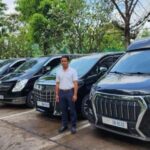
Most days begin with hotel pickup around Krong Siem Reap. The process is straightforward: get to the lobby about 15 minutes early, and a guide plus driver will collect you. I like this because it lowers the stress right away. You spend less time guessing where to be, and more time getting outside.
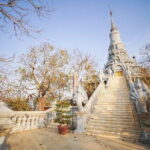
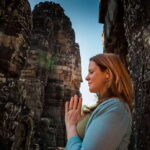
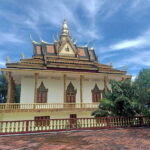
Before the bike wheels start turning, you’ll have a guided sightseeing segment (about one hour). This is where the tour gives you basic context so the countryside stops make sense later. Then you’ll head to a Buddhist temple where you can experience a blessing for peaceful living. It’s not a performance; it’s a moment of local spirituality that helps explain how Khmer culture moves through everyday spaces.
What to watch for here: dress respectfully and keep your phone/camera ready but not intrusive. You’re there to witness something meaningful, not just collect photos.
Bikes, helmets, and a route paced for real life
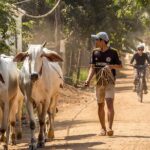
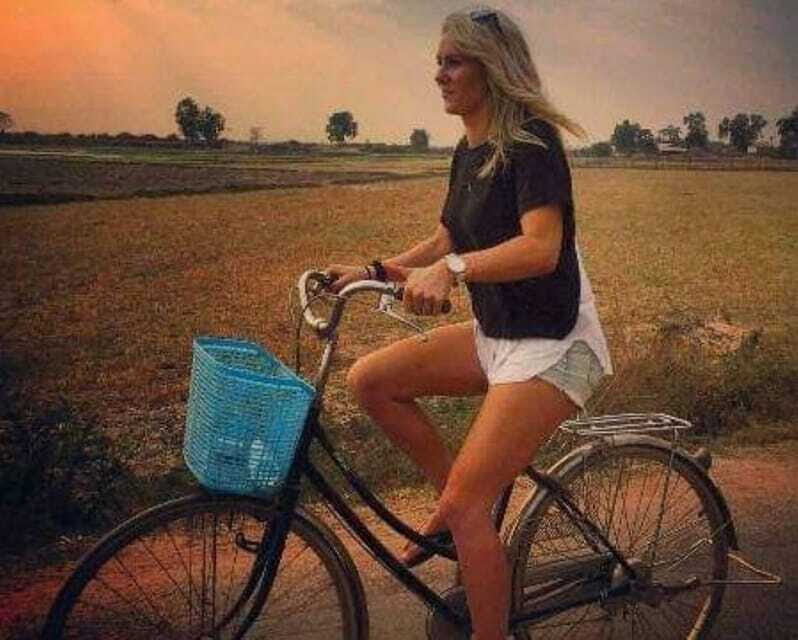
This is a small-group ride, and that matters more than people think. In practice, it means the guide can adjust the pace when a photo needs a minute, or when you want to ask why farmers do things a certain way. I also appreciate the setup includes bikes and safety helmets, plus drinks and snacks to keep you steady during the cycling portion.
There’s a built-in reset early on—think break time (about 15 minutes) and a refreshment stop. Even if you feel fit, that kind of pause helps you stay present. You don’t burn through your energy before the sunset segment, and you don’t end up rushing through the tastings because you’re too tired to enjoy them.
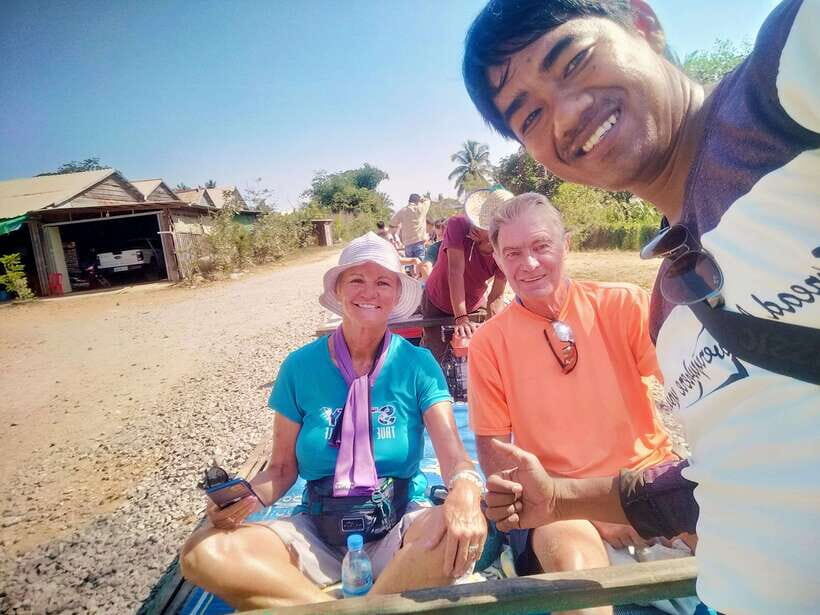
In the reviews, guides like Sayoeun, Sokpee, Prin, and Mr Chai come up a lot, each praised for keeping things friendly and easy to follow. You’ll also hear different personalities, but the common thread is local storytelling: rural life, daily routines, and how farming shapes the landscape around Siem Reap.
A practical note: cycling days can mean insects. The tour information even hints you might encounter insect spray needs, so consider bringing your own repellent if you’re the type who’s bothered easily.
You can also read our reviews of more cycling tours in Cambodia
Phnom Krom sunset: photos, street food, and that last-hour magic
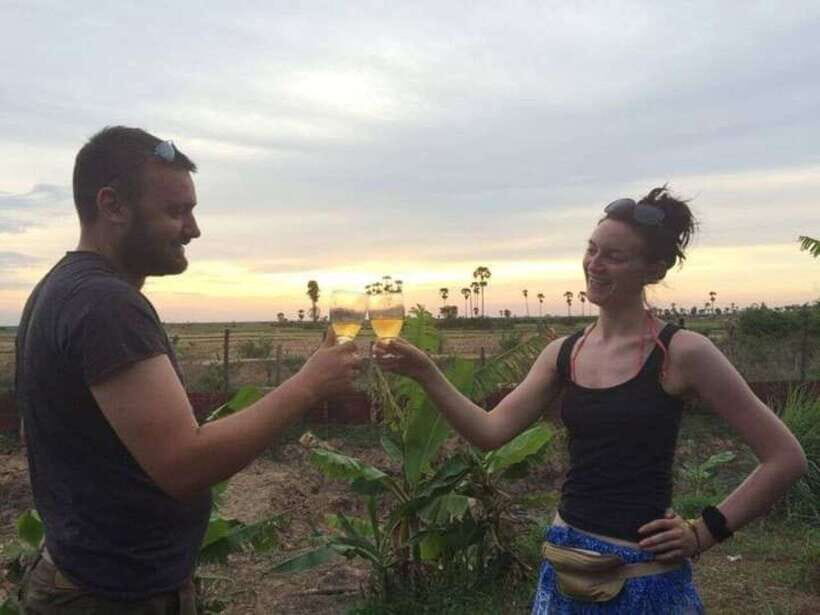
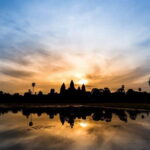
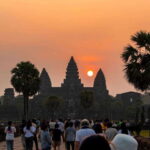
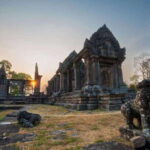
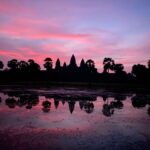
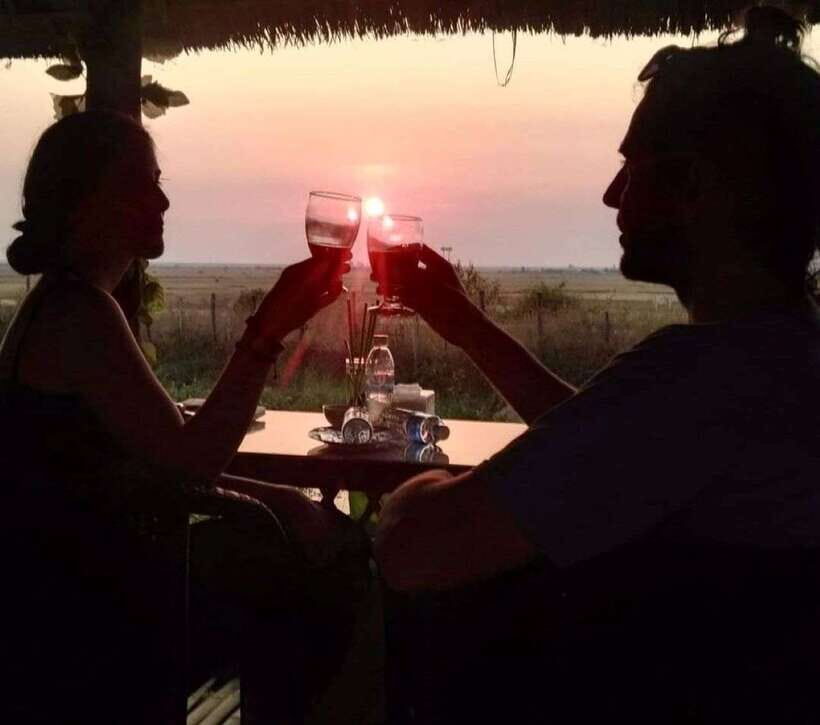
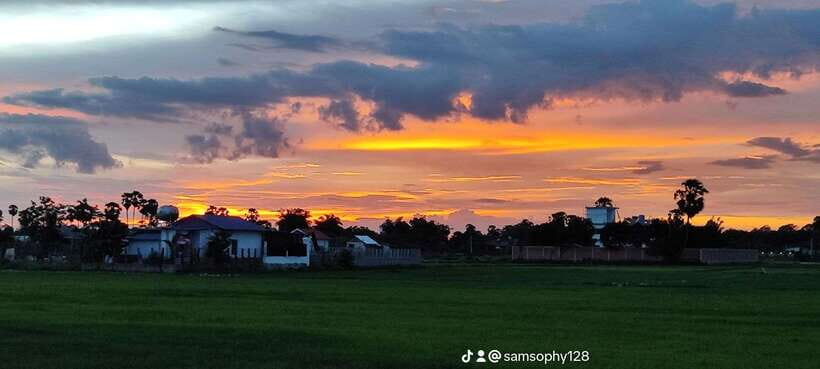
The centerpiece of the ride is the long Phnom Krom block—about three hours dedicated to viewpoint time, touring, and food. If you want one reason to book, it’s this: Phnom Krom is a sunset spot that feels both scenic and local. You’re not just watching from a random overlook—you’re cycling through the day’s story to reach the view.
Plan for a mix of experiences here:
- Photo stop(s) as the light changes
- Street food and guided tasting
- Sunset time that’s paced so you can actually enjoy the sky
- Bike touring around the area rather than a quick drop-off
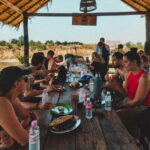
This is also where the day feels most social. People chat, ask questions, and point at things outside the tourist bubble—kids waving from the roadside, families going about their evening, and small food stalls that don’t look like they’re trying to sell to you.
After the food and viewpoint moments, there’s another short break (about 35 minutes) that includes beer and local snacks. I like that the tour gives you a “cool down and snack” slot right before you head back. It makes the ride feel like a full experience, not just a push to reach sunset.
If you’re worried about confidence on a bike, there’s a useful detail from guest experiences: at least one group member was offered the chance to use a tuktuk instead of riding. If that’s relevant to you, it’s worth mentioning up front so the guide can advise what’s possible.
Rice fields and lotus farm riding: seeing Khmer farming up close
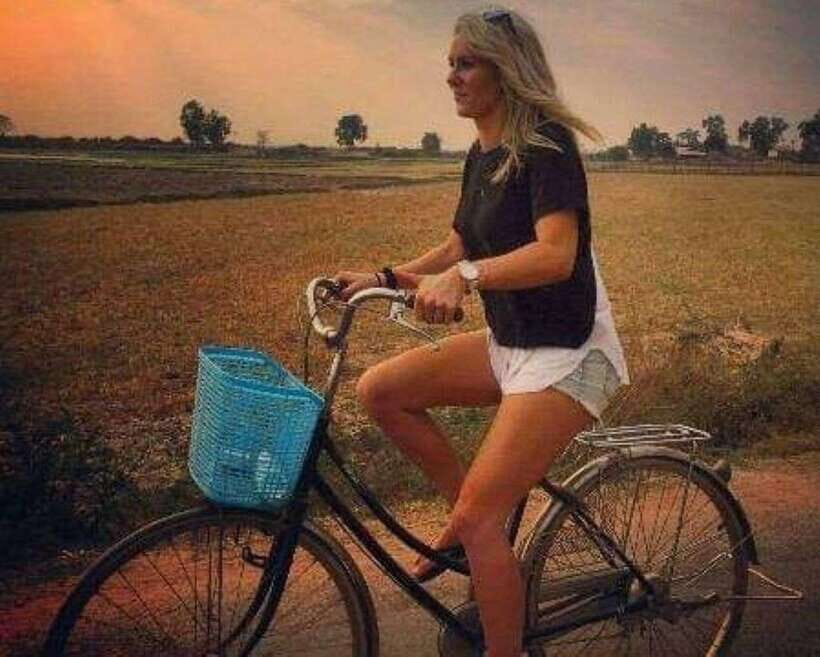
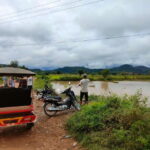
The countryside part isn’t just scenery. It’s the core of why this tour feels different from day tours that mostly drop you at landmarks. You’ll cycle through rice fields and visit a lotus farm. That means you’re seeing how the land supports daily work and food culture, not just looking at pretty fields from a distance.
Riding near rice paddies changes how you experience the landscape. The road edges are close, and you notice details you’d miss if you were in a car—how fields sit at different water levels, how the paths connect villages to farms, and how the vegetation grows in patches shaped by labor.
The lotus farm stop adds a second layer. Lotuses show up in Cambodian life in practical ways, from farming to craft traditions. In guest accounts, some guides have explained how lotus materials connect to products like silk, which adds an extra “wait, that makes sense” feeling when you look at the plants again later.
This section is often relaxed. The pace isn’t about speed; it’s about letting you look, ask, and occasionally dismount for tastings or photos. You’ll get up-close to local village life, and there’s also a moment to view the village from a hill—a nice way to understand the layout of homes, fields, and roads.
Snack stops, rice wine, desserts, and a recycle-factory glimpse
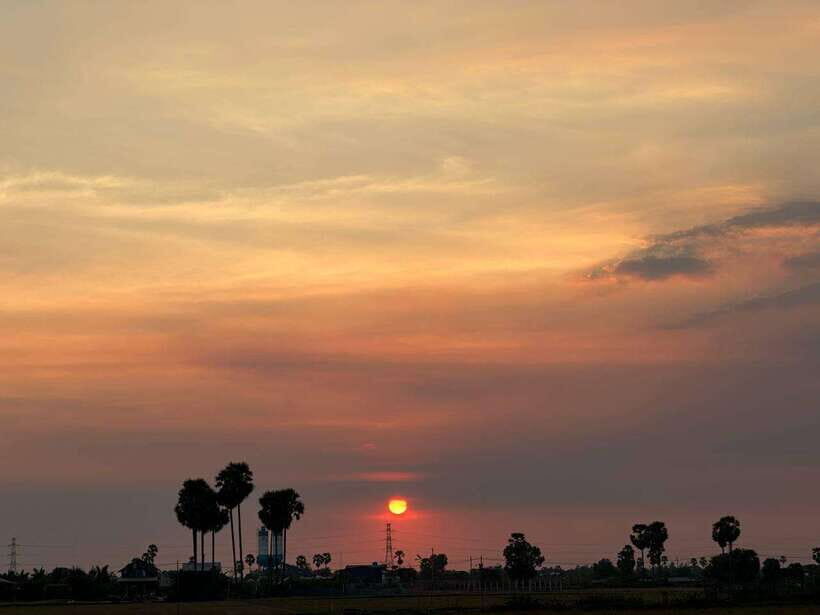
One of the best values in this tour is the food flow. Instead of treating meals as a separate day, you snack your way through rural stops with guidance and explanations.
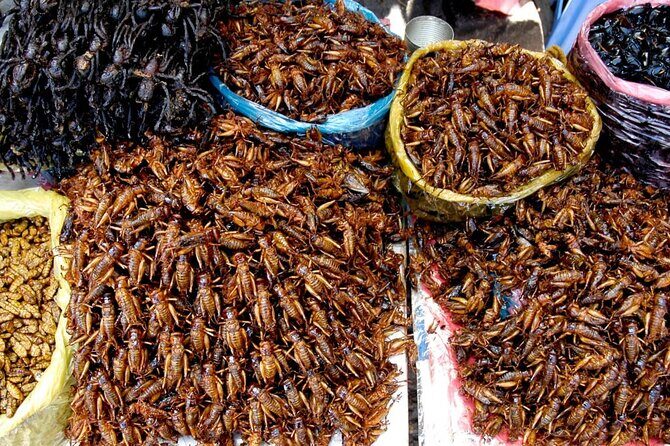
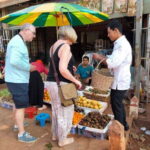
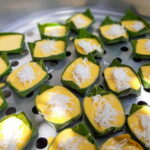
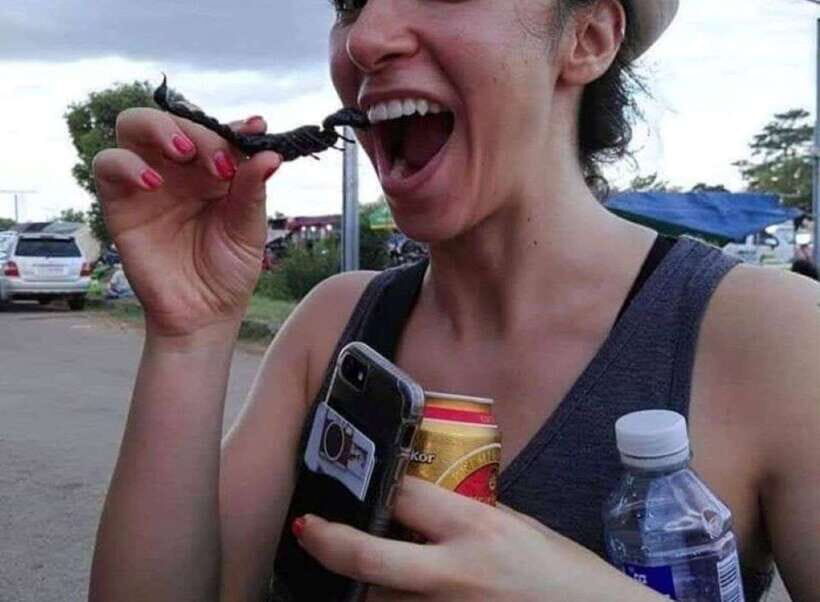
Expect tasting local snacks and deserts during the cycling day. The tour highlights also mention rice wine, which is a nice cultural detail because it ties into how rural communities make, serve, and share drinks in everyday settings. This isn’t just trying food for the sake of it—you’re learning what’s local and why it fits the region.
You’ll likely run into a local recycle factory stop. I like this because it adds a real-world angle. Rural Cambodia includes modern solutions too, and seeing how materials are reused gives you a deeper sense of how communities manage resources.
Food favorites show up in the reviews. Many guests single out the spring rolls as a highlight, plus the general sense that the snacks are generous and varied, not tiny “tour portions.” If you have food preferences, let your guide know early so they can steer you toward what you’ll enjoy and keep you comfortable.
Practical tip: bring a bit of cash. The tour includes drinks and snacks, but having some small bills helps you handle personal purchases like extra snacks or anything not covered by the basic stops.
How good guides make this feel personal (Mr Chai, Sayoeun, Sokpee)
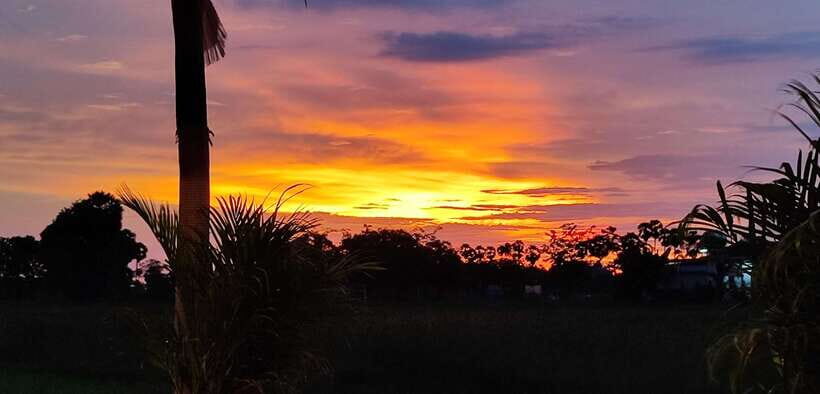
The biggest difference between a decent bike tour and a memorable one is the guide. Here, the guiding team is strongly described as local and long-time—several guests mention 20+ years of area knowledge—and the tours run by people who seem genuinely invested in your day.
Some guide names that pop up in recent experiences include:
- Mr Chai, described as informative and funny, with a temple blessing start
- Sayoeun, praised for friendly, passionate explanations about farming, crafts, and rural routines
- Sokpee, noted for attentive help and making the route feel smooth and caring
- Prin, mentioned as excellent for cultural insight and authentic lifestyle focus
- Sam and Makara also appear in context with hospitality and support
What that means for you: the tour shouldn’t feel like a script. The guide can answer questions on the fly and adjust where you linger—especially at the food stops and viewpoint moments.
If you want the best experience, come with curiosity. Ask about farming tools, what you’re seeing in the fields, or why the food tastes different than what you find in the city. The guide experience level here is part of the value.
You can also read our reviews of more evening experiences in Cambodia
Price and value for $16 over five hours
At $16 per person for about five hours, this tour is priced like a budget-friendly way to get a full rural afternoon. What makes it good value isn’t just the low number. It’s what’s included: pickup/drop-off, bike and safety helmets, a local guide, plus drinks and snacks across multiple stops.
Compare that to how often similar tours charge extra for basic comfort (like transport) and then still leave you managing snacks yourself. Here, the tour builds eating and hydration into the itinerary so you don’t feel like you need to hunt for food between stops.
Also, the sunset viewpoint isn’t a quick photo op. The day’s structure gives it time—so you get that “walk slower, look longer” feeling.
So yes, it’s cheap. But you’re not sacrificing the core pieces: local context, countryside cycling, temple culture, and sunset-time food and drinks.
Who should book this and who should skip it
This tour is a strong fit if you want:
- A countryside afternoon outside the usual Siem Reap temple crowds
- Local food tastings with guidance, not just random street snacks
- Small-group attention so questions and conversations feel easy
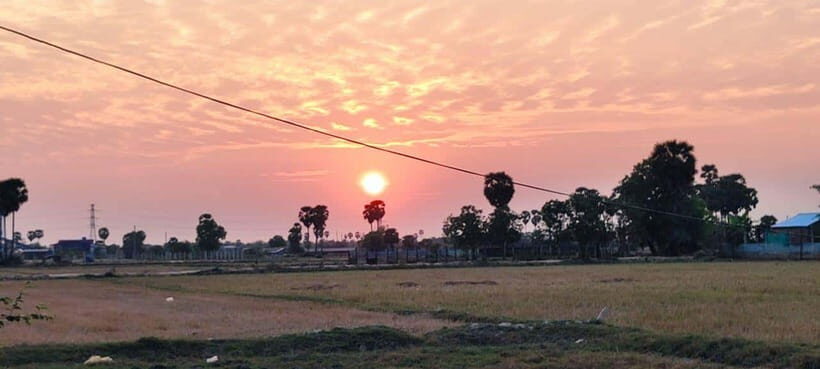
- A sunset ending at Phnom Krom with plenty of time to enjoy the light
It’s less ideal if:
- You need a fully paved route or you’re uncomfortable with dirt roads
- You fall outside the stated suitability window (under 12 and over 70 aren’t recommended)
If you’re traveling with kids, this probably isn’t your day. If you’re older and still determined, your best move is to ask the provider directly about fit and bike comfort—don’t assume.
If you’re a solo traveler, this can be a great way to feel connected quickly. The small-group format and frequent social stops make it easier to talk with your guide and the people you’re riding with.
Should you book Countryside Sunset Bike Tours?
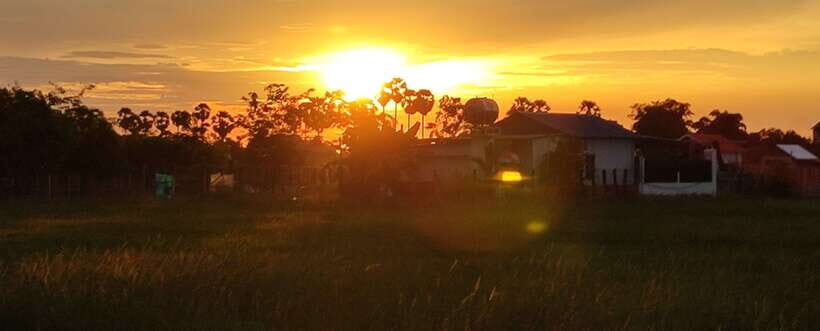
If you’re coming to Siem Reap and you want one experience that feels rural, human, and grounded in everyday culture, I’d book this. The combination of temple blessing, rice-field and lotus farm riding, and a Phnom Krom sunset with food stops is exactly the kind of afternoon that makes the whole trip feel more real.
Book it if you like cycling at an easy-to-moderate pace, enjoy trying local snacks, and want your guide to explain what you’re seeing rather than just pointing and moving on.
Skip it if you’re only looking for paved-road sightseeing, you’re short on time, or you’re not comfortable with the basic physical demands of cycling dirt roads.
If you do book, pack camera + cash, consider insect repellent, and show up ready to be curious. This is the kind of tour where the smiles and stories are part of the package, not an extra.
FAQ
How much does the Small Group Countryside Sunset Bike Tour cost?
It costs $16 per person.
How long is the tour?
The tour duration is 5 hours.
Where does the tour pickup happen?
Pickup is from Krong Siem Reap, and you meet at your hotel lobby.
Is a bike and helmet included?
Yes. The tour includes a bike and safety helmets.
Does the tour include drinks and snacks?
Yes. Drinks and snacks are included, and the itinerary also includes local snacks with beer.
Is the tour guide provided in English?
Yes. The tour guide is English.
What are the main highlights during the ride?
You’ll visit a Buddhist temple with a blessing, cycle through rice fields and a lotus farm, stop at Phnom Krom for sunset, and enjoy food tastings including local snacks, desserts, and rice wine.
What should I bring?
Bring a camera and cash.
Is alcohol allowed during the tour?
No. Alcohol and drugs are not allowed.
Who is the tour not suitable for?
It is not suitable for children under 12 or people over 70.
FAQ
Is it easy to get picked up from my hotel?
Pickup and drop-off are included, and you’ll meet in your hotel lobby about 15 minutes before pickup.
Can I cancel if my plans change?
Yes, free cancellation is available up to 24 hours in advance for a full refund.