REVIEW · SIEM REAP
Angkor Temples Private Full-Day Tour from Siem Reap (Free Child)
Book on Viator →Operated by K-YORK TRAVEL SERVICE CO.Ltd · Bookable on Viator
Angkor is huge, so having a real plan matters. This private full-day tour strings together Angkor Thom, Ta Prohm, and Angkor Wat, with an air-conditioned vehicle and a guide who helps you move efficiently while learning what you’re actually looking at.
I really like the pace: you’re not stuck sprinting with a crowd, and you can pause for photos without feeling rude. Another big win is the guide time and storytelling, from Bayon’s faces to the jungle-snagged stones of Ta Prohm. One thing to watch: the main park admission fee is not included, so your day’s total cost will be higher once you buy tickets.
In This Review
- What you’ll love, and the one catch
- Key highlights at a glance
- Why this private Angkor day feels different
- Price and tickets: what the day really costs
- The day’s game plan: 9 hours, six major stops
- Angkor Thom South Gate: the entrance that sets the mood
- Bayon Temple: the faces that follow you
- Baphuon Temple: a shorter stop with real character
- Terrace of the Elephants: quick time, strong photo geometry
- Ta Prohm: when the jungle takes back the stones
- Angkor Wat: the long finale you’ll actually remember
- Sunset: the payoff after the stone grind
- The A/C, water, and guide energy that actually saves your day
- Dress code and temple etiquette: what you must plan for
- Rain, heat, and pacing: how a private tour helps you cope
- Who this tour is best for (and who should rethink it)
- Should you book this private Angkor temples tour?
- FAQ
- What’s included in the tour price?
- How long is the Angkor temples private tour?
- Which temples and sites are visited during the day?
- Do I need to buy Angkor park admission tickets separately?
- Are meals included?
- What clothing is required to enter the temples?
- Can I bring a professional camera or video equipment?
What you’ll love, and the one catch
You’ll also appreciate the small comforts that add up in Angkor heat—bottled water and wet tissues, plus hotel pickup/drop-off so you don’t waste your best daylight negotiating tuktuks. And because it’s private, guides can tailor the order and timing to your energy level, rain, or photo goals.
The catch is simple: the day is long (about 9 hours), and with the temples spread out, you’ll want good shoes and sun protection, especially if you travel in the hotter months.
Key highlights at a glance
- Private guide + private vehicle keeps you flexible when it’s hot, crowded, or rainy
- Angkor Thom to Angkor Wat route hits the big hitters in one day without chaos
- Bayon and Angkor Wat for serious viewing time (about 1.5 hours and 4.5 hours respectively)
- Ta Prohm time for the classic jungle-temple atmosphere and photo angles
- Sunset viewing gives your day a payoff beyond stone-and-stairs sightseeing
- Included cold comfort: bottled water and wet tissues, plus A/C rides between stops
You can also read our reviews of more private tours in Siem Reap
Why this private Angkor day feels different
Angkor can overwhelm you fast. You arrive with photos in your head, then reality kicks in: long distances, bright sun, and lines that seem to multiply at the worst moments. That’s why I like tours that treat the day like a route, not a checklist.
This one is built for flow. You start with Angkor Thom (the walled “Great City”), then move through standout ruins like Bayon, Baphuon, and the Terrace of the Elephants, before heading to Ta Prohm and finally the showpiece: Angkor Wat. You’re not bouncing randomly. You’re moving in the direction that makes visual sense.
And the private part matters. In past experiences with this style of tour, guides like Sothy, Tip, Raksa, Sampat, or James Bon Thai (names I’ve seen attached to similar private days) focus on making the day understandable. You’re not only seeing temples—you’re learning how each place fits into the Khmer story of power, religion, and myth.
Price and tickets: what the day really costs
The tour price is $54 per person and runs about 9 hours. The big missing piece is the Angkor archaeological park entrance fee: $37 per person is not included.
So for most visitors, you should budget roughly $91 per person for the base tour plus park admission, before meals. Meals aren’t included, but the itinerary is designed so you’ll have time to eat on your own (lunch is not part of the included services).
Is it good value? Usually, yes—because you’re paying for the private guide, air-conditioned private transport, and the time structure. If you’ve ever tried to do Angkor solo with no plan, you quickly realize you also pay in frustration: wrong turns, missed photo angles, and wasted energy figuring out what matters.
The day’s game plan: 9 hours, six major stops
This is a long-but-manageable route, with a mix of “big wow” sites and shorter framing stops that still pay off. Here’s how the day reads in real terms.
Angkor Thom South Gate: the entrance that sets the mood
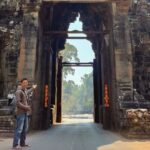
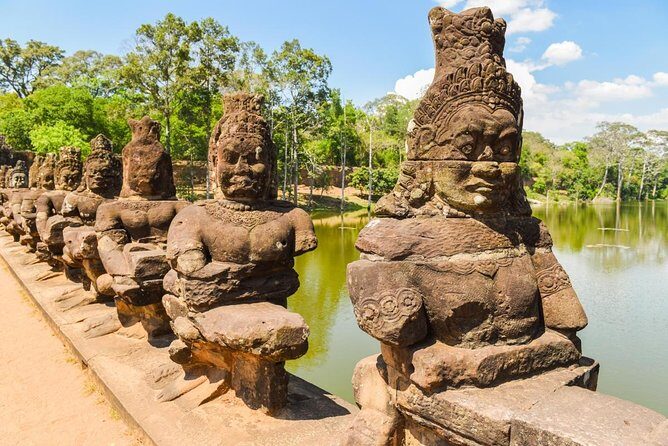
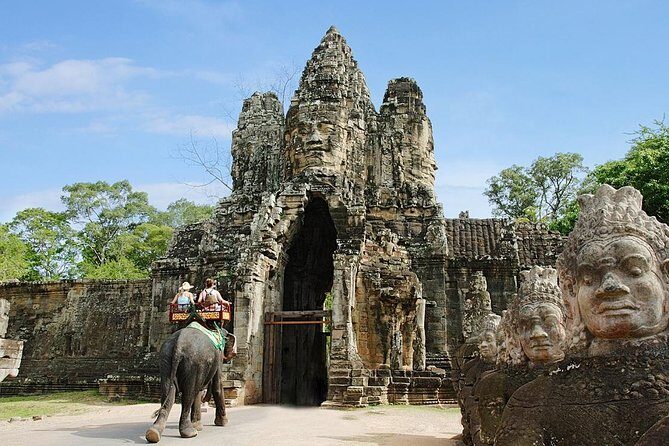
You start at the South Gate of Angkor Thom, where defensive walls once protected the Khmer capital. The South Gate is one of those places where your brain clicks into history mode: you can feel the idea of a fortified city rather than just “temple wandering.”
You’ll have about 30 minutes here. That’s enough time to walk in, orient yourself, and get a sense of the layout. It’s also a good moment to take photos without forcing it—early in the day you’ll usually be less sun-baked.
A few more Siem Reap tours and experiences worth a look
Bayon Temple: the faces that follow you
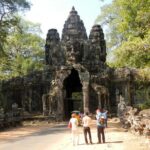
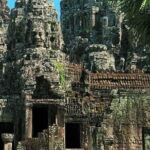
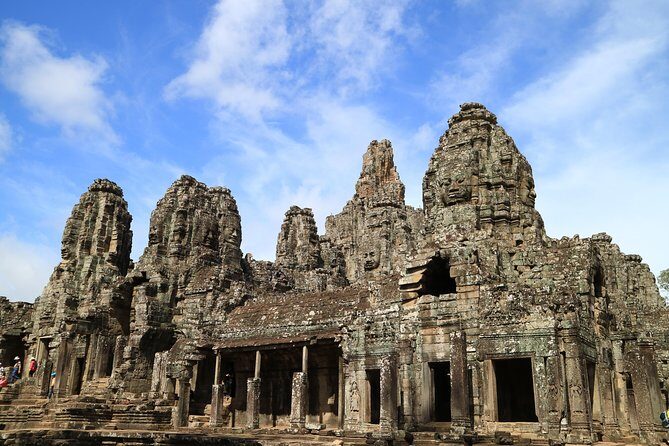
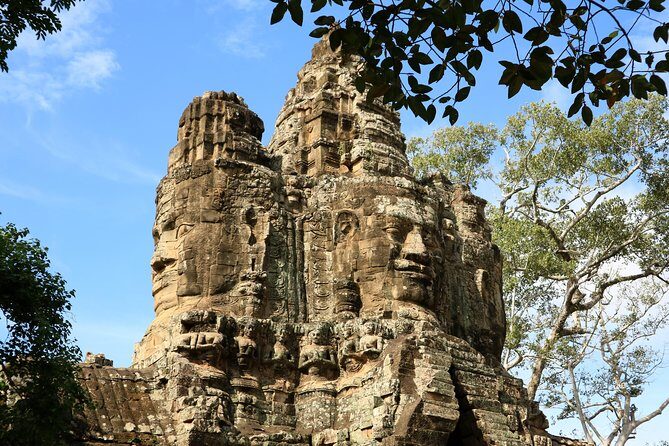
Next is Bayon Temple (about 1 hour 30 minutes). Bayon is famous for its 54 towers, each lined with four huge faces. Even if you’ve seen images before, seeing the faces in person changes the vibe. It’s not just decoration—it feels like the temple is watching you.
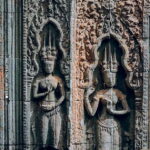
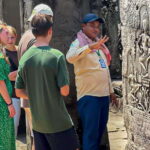
Bayon also has intricate bas-relief carvings showing daily life and battles. This is where a guide earns their keep. Without context, you might admire carvings as “pretty stone pictures.” With the right explanations, you start spotting recurring themes and understanding what kind of world the Khmer builders were imagining.
Practical tip: Bayon can be busy and visually packed. Give yourself time to step back and re-frame shots rather than only photographing from one spot.
Baphuon Temple: a shorter stop with real character
Then you move to Baphuon Temple for about 1 hour. Baphuon is often described as one of the more poorly constructed Angkor temples, but that’s exactly why it’s interesting. The structures you see feel more dramatic and human—like a big project with serious engineering challenges.
This stop works well in the middle of the day because it’s not as time-gobbling as Angkor Wat, yet it still delivers strong visuals and a different architectural feel.
Terrace of the Elephants: quick time, strong photo geometry
Your next short stop is the Terrace of the Elephants (about 30 minutes). It’s a raised platform area built in the late 12th century. The dimensions matter here: roughly 4 meters high and about 15 meters wide along its length.
Why you’ll enjoy it: it’s one of the places where the temple design creates natural “photo lines.” You can stage group shots without needing special angles, and the terraces help you understand how these monumental spaces were used for ceremonies and processions.
Ta Prohm: when the jungle takes back the stones
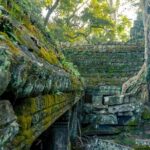
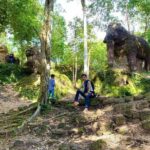
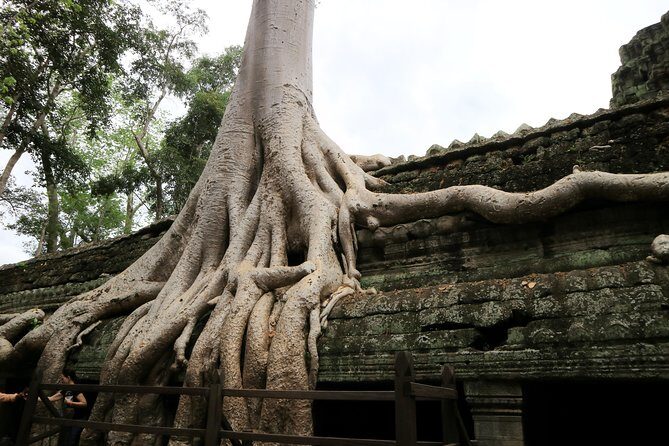
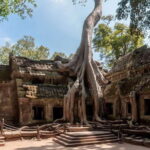
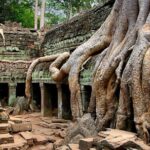
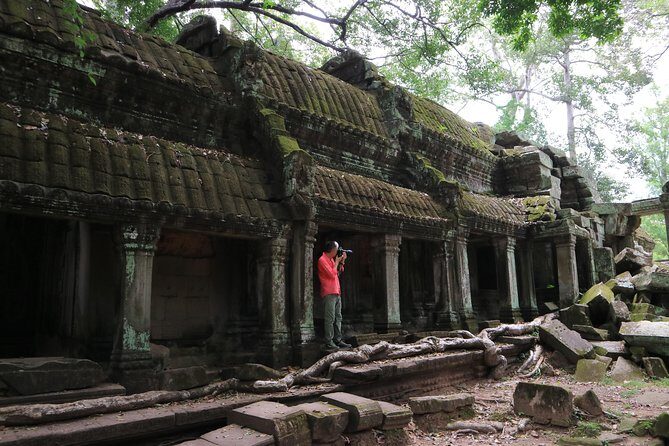
Ta Prohm gets about 1 hour 30 minutes. This is the jungle-temple stop. Trees grow around and through the ruins in a way that makes the whole site feel alive—even when you’re standing in 900-year-old stone.
I like this stop because it breaks the monotony of “temples look similar” that you can feel at Angkor after a few hours. Ta Prohm gives you texture, contrast, and mood. The lighting can be tricky, though. Leaves can create patches of shadow, and the ground can be uneven, so wear shoes you don’t mind getting scuffed.
Also, if it rains (it can happen seasonally, May to November), Ta Prohm is the place where rain can either help (dramatic mood) or slow you down (slippery surfaces). A good guide keeps you moving safely.
Angkor Wat: the long finale you’ll actually remember
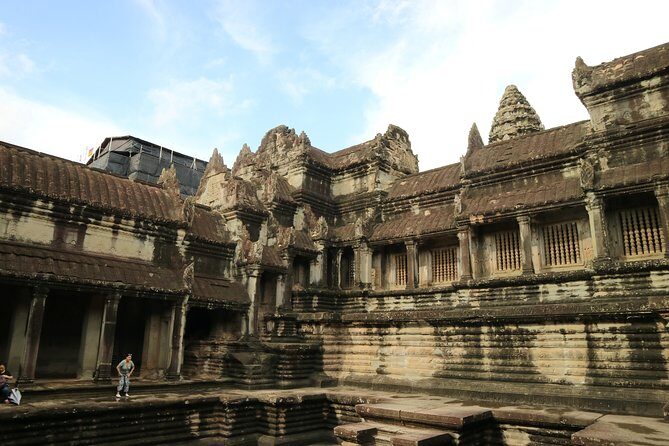
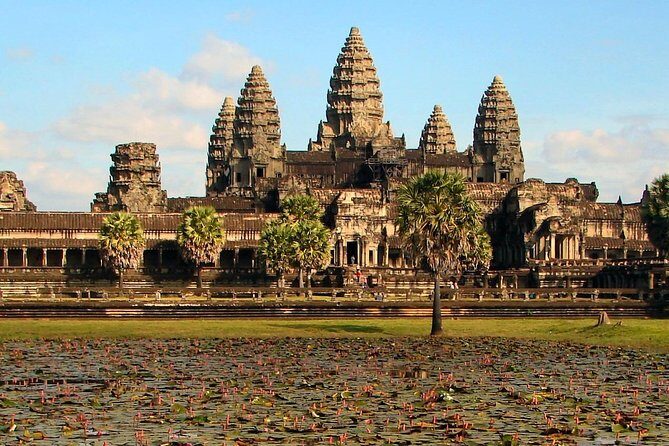
Finally, you reach Angkor Wat, with about 4 hours 30 minutes of time. That’s the biggest chunk of the day for a reason. Angkor Wat isn’t only photogenic—it’s complex. It has layers: towers, courtyards, and bas-reliefs that reward attention.
This is the stop where your day’s value shows up. With a private guide, you’re more likely to get:
- a sensible route through the site
- time to pause and not just “walk past”
- helpful explanations about what you’re seeing
- photo opportunities that don’t require sprinting
One small crowd-management detail you might find helpful: a few people have been taken through a back-gate style entry to avoid the most intense front-gate pressure. You can ask your guide if there’s a quieter way to enter or begin photographing.
And yes, Angkor Wat is famous for a reason. Even if you’ve studied photos for months, the scale in person changes your brain. Four and a half hours sounds long—until you realize you’re not rushing through it.
Sunset: the payoff after the stone grind
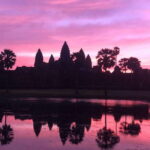
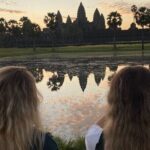
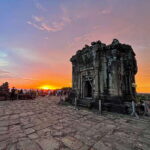
After the temple tour, the plan includes sunset viewing over the UNESCO-listed temple complex. Sunset is the moment when the day stops being about logistics and becomes about atmosphere.
I like sunset because it turns your route into a story. You see the same structures that looked sharp at noon, but now they’re softened by light and distance. Shadows lengthen, details pop out in different ways, and you start noticing patterns you’d miss earlier.
One practical note: sunset spots can be affected by timing and weather. In one example, a client described sunset from Phnom Bakheng. If sunset is your top priority, ask your guide where you’ll be watching from and how long you’ll have on-site.
The A/C, water, and guide energy that actually saves your day
Angkor is physically demanding. Heat, humidity, and walking add up. That’s why the included air-conditioned private transport feels more important than it sounds.
You’re not only traveling in comfort—you’re resetting between stops. Between Bayon, Ta Prohm, and Angkor Wat, that A/C ride helps you keep your energy for photos and longer viewing time.
And you get bottled water and wet tissues. In a place where you’ll sweat quickly, those are not “nice extras.” They’re part of how you finish the day without feeling miserable.
Guides also help with crowd logic. Many clients mention guides directing them to less crowded paths or better photo spots. The big takeaway: don’t treat Angkor like a museum where you just follow hallways. It’s outdoor space with flow. Your guide’s job is to work with that flow.
Dress code and temple etiquette: what you must plan for
Angkor temples are sacred places, and there’s a respectful dress code. You’ll need:
- pants or skirts long enough to cover your knees
- a shirt with sleeves that covers your shoulders
Some items are not allowed at certain areas—like singlets/tank tops, mini skirts, or short pants. Plan your clothing like you’ll be sitting and walking for hours in heat.
A few practical add-ons that come straight from how people handle the site:
- wear comfortable shoes that can get dirty (temple grounds can be dusty)
- sun protection is essential: sunscreen, sunglasses, and a hat
- if you’re traveling May to November, bring an umbrella or raincoat
Also note the camera rule for serious gear: professional commercial camera or video requires an approval letter from the authority. If you’re traveling with a large rig, ask in advance so you don’t get stuck.
Rain, heat, and pacing: how a private tour helps you cope
Angkor weather can shift quickly. One day you’re in blazing sun; another day brings heavy rain around late morning. When that happens, a private guide helps you adapt without turning your day into chaos.
Here’s what flexibility can look like in real life:
- continuing the route even if conditions change
- slowing down or shortening a part of the visit if you get tired
- adjusting timing so you still reach the sunset moment you want
- offering practical solutions like umbrellas if it rains (some drivers have been noted as providing them)
The big advantage: you’re not trapped in a fixed group schedule.
Who this tour is best for (and who should rethink it)
This private Angkor tour tends to be a great fit for:
- Couples and friends who want a smoother day with photo help
- Families who don’t want to wrestle with a big group (a guide has been described as accommodating even a young child)
- Travelers who prefer understanding what they’re seeing, not just taking pictures
- Anyone who wants comfort breaks between long walking stretches
You might rethink it if:
- you’re extremely budget-focused and already plan to self-drive
- you love wandering with zero structure and don’t mind missing context
- you arrive late to Siem Reap and want total last-minute chaos (because you still need tickets and a schedule that works)
Should you book this private Angkor temples tour?
If you want the “classic Angkor hits” in one well-timed day, with comfort and guidance, I’d book it. The value is strongest when you care about more than snapshots—when you want Bayon’s faces understood, Ta Prohm experienced with context, and Angkor Wat enjoyed without rushing.
Book it especially if:
- you want hotel pickup and a stress-free route
- you like having someone manage timing and crowd flow
- you prefer air-conditioned travel and real breaks
The one caution: budget for the $37 park ticket fee and plan for heat/rain with the right clothing. If you do that, this is the kind of day that turns Angkor from a list of names into a place you actually understand.
FAQ
What’s included in the tour price?
The tour includes a private guide, air-conditioned private transport, bottled water and wet tissues, and hotel pickup and drop-off.
How long is the Angkor temples private tour?
It runs for about 9 hours (approx.).
Which temples and sites are visited during the day?
You’ll visit Angkor Thom South Gate, Bayon Temple, Baphuon Temple, Terrace of the Elephants, Ta Prohm Temple, and Angkor Wat. The schedule also includes sunset viewing over the temple complex.
Do I need to buy Angkor park admission tickets separately?
Yes. The Angkor archaeological park entrance fee is $37 per person, and admission tickets are not included.
Are meals included?
No. Meals are not included. Lunch is not listed as included, so you’ll plan on eating on your own expense.
What clothing is required to enter the temples?
You need to wear clothing that respects the sacred sites: pants or skirts that cover your knees and a shirt with sleeves that cover your shoulders. Tank tops, mini skirts, and short pants are not allowed in some areas.
Can I bring a professional camera or video equipment?
Professional commercial camera or video equipment requires approval from the authority. If you plan to bring high-end commercial gear, request the approval letter ahead of time.