REVIEW · CAMBODIA
Sambo cooking class
Book on GetYourGuide →Operated by Sambo khmer and thai restaurant · Bookable on GetYourGuide
Cooking class in Siem Reap feels like a local shortcut.
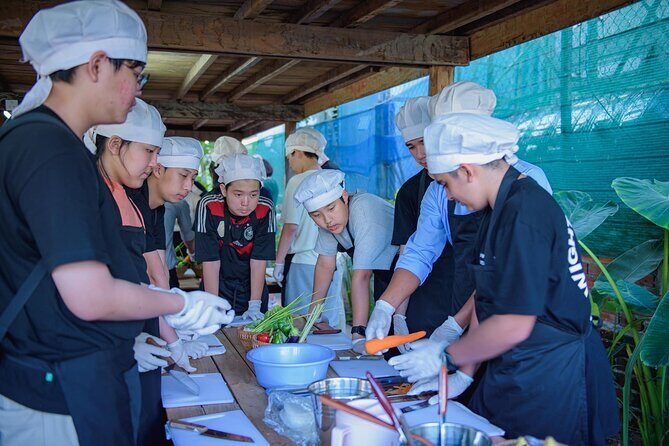
At Sambo Khmer and Thai Restaurant, the Sambo Cooking Class turns Khmer food into something you can actually make at home, starting from a simple, guided flow and ending with the meal you prepared. I especially liked cooking with Sokha and her team, and I loved that you get a full three-course lunch instead of just watching.
The class is hands-on with an English-speaking chef and staff, with a group capped at 12 so questions don’t get lost in the crowd. One thing to consider: if you’re vegetarian or have allergies, you should tell them in advance, since the info says vegetarian options are possible but not automatic.
In This Review
- Key things I’d circle before you book
- Sambo Khmer and Thai Restaurant: where the class actually comes alive
- A 2-hour Khmer food plan that fits Siem Reap days
- Starter focus: glass noodle salad and the hands-on Khmer basics
- Fish Amok main course: the dish everyone comes for
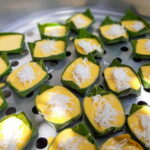
- Banana in coconut dessert: finish sweet, finish satisfied
- Price and value: why $33 makes sense here
- Who should book this class in Siem Reap
- Should you book Sambo’s cooking class?
- FAQ
- Where does the cooking class start?
- How long is the Sambo cooking class?
- What are the available class times?
- What will I cook and eat during the class?
- Does the price include food and ingredients?
- Is there vegetarian food?
- Do I get anything to take home after the class?
- Is the class taught in English?
- Is transportation included?
Key things I’d circle before you book
- Max 12 people means more time at your station, not just for photos
- You cook a full starter, main (Fish Amok), and dessert meal
- Homemade lemongrass tea plus water keeps the pace easy during the class
- You leave with a recipe fact sheet sent to email or WhatsApp
- A restaurant chef team guides you, not a random demo setup
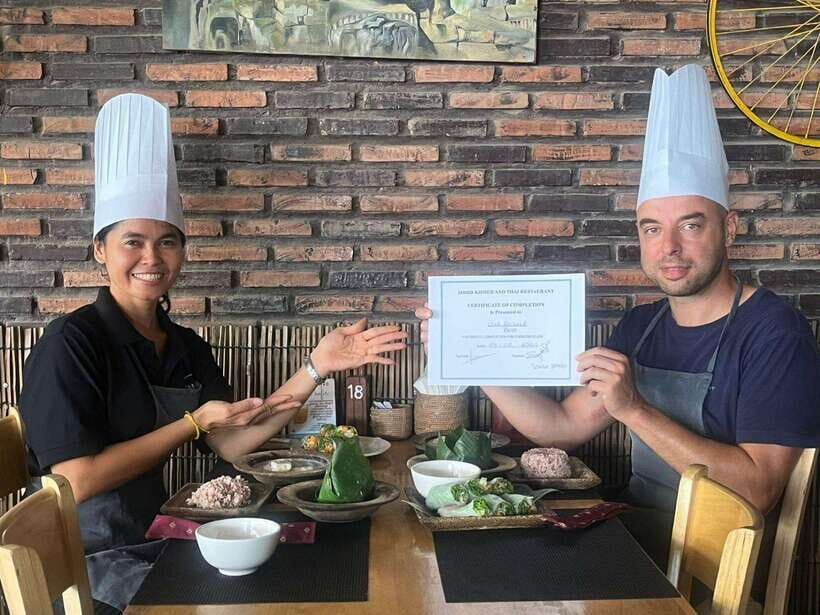
- You get a completion certificate, which sounds small until you’re holding it
Sambo Khmer and Thai Restaurant: where the class actually comes alive
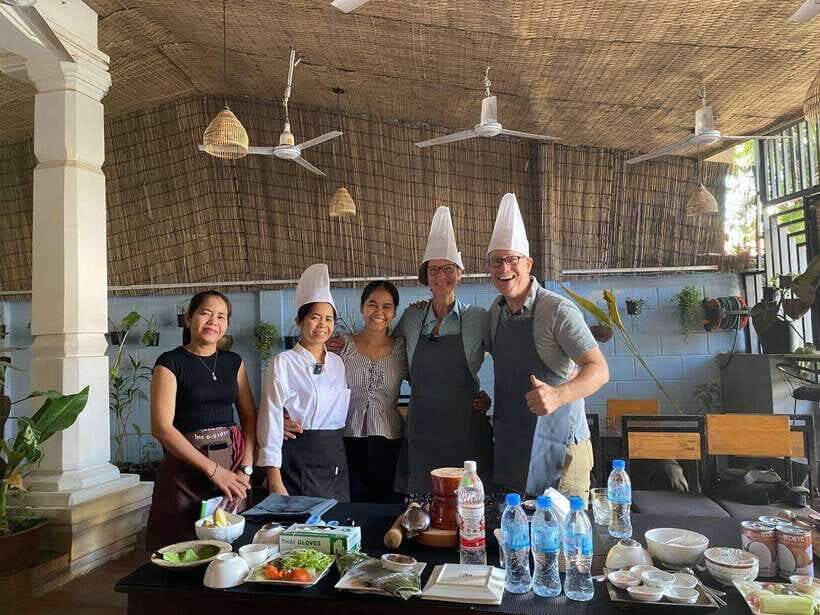
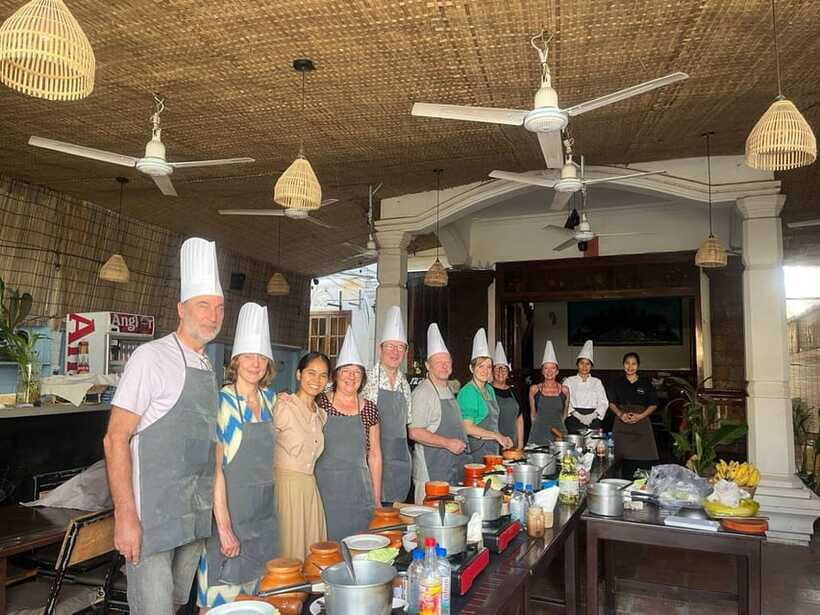
This class starts at Sambo Khmer and Thai Restaurant, and that matters more than it sounds. You’re not wandering into a generic “cooking school” room. You’re joining a real working restaurant setup, led by the chef and experienced staff from the place itself. That usually leads to better timing, better explanations, and a more practical vibe—less theater, more food.
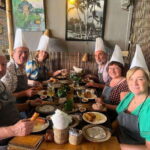
The host you’ll run into is Sokha, and the class has that family-like energy that makes it easier to relax and learn. In one of the notes you’ll see, Sokha and her sister were named as part of what made the experience enjoyable and entertaining. That matches the general tone of the class: interactive, educational, and genuinely fun, not stiff.
You’ll also know what you’re in for right away because the class is built around three very specific Khmer dishes: a glass noodle salad as the starter, Fish Amok as the main, and banana in coconut for dessert. When the plan is clear, it feels simpler to follow along even if your Khmer cooking skills are zero.
If you’re the kind of person who learns best by doing—chopping, mixing, tasting, and adjusting—this is the style that fits. And if you prefer quiet observation, you might still enjoy it, but you’ll need to be okay with participating.
You can also read our reviews of more cooking classes in Cambodia
A 2-hour Khmer food plan that fits Siem Reap days
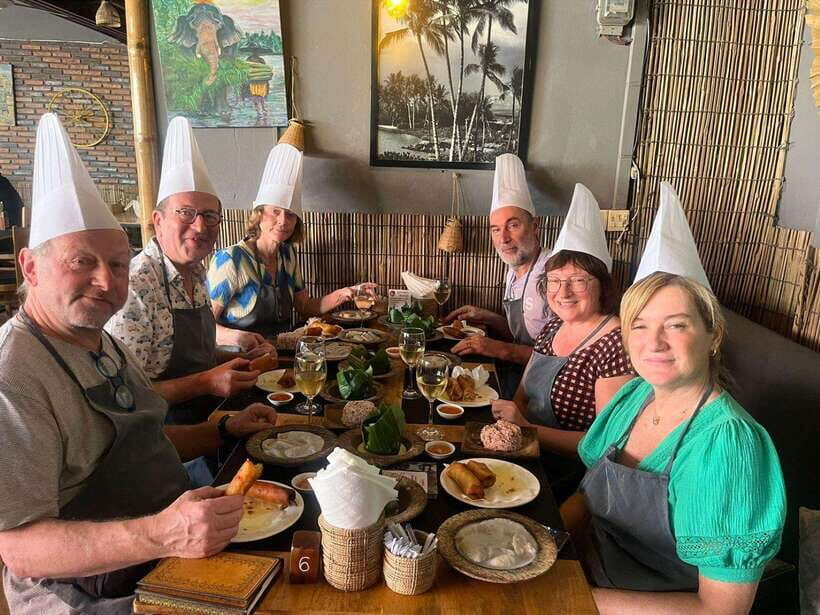
The cooking class runs for 2 hours, with two daily options: 10:00am–12:00pm and 1:00pm–3:00pm. For Siem Reap, that’s a sweet window. It’s long enough to learn real steps and eat, but short enough that it doesn’t chew up your whole day.
Here’s what I like about a schedule like this: it reduces the usual “tour gap.” A lot of activities either start too early, end too late, or drag with waiting. With a compact 2-hour block, you can plan around it—do a morning temple circuit, then come back for lunch with something you made yourself. Or do the late morning, then catch the afternoon class.
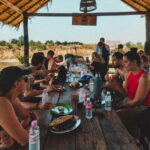
Group size is capped at 12. That’s not a random number. In a class that short, smaller groups usually mean you’re not stuck waiting your turn or watching from across the room while everyone else cooks. It also makes it easier to ask questions in plain English, since the instructor is listed as English-speaking.
If you’re traveling solo or as a couple, this structure is a plus. You’ll still meet people, but you won’t feel swallowed by a huge bus-group dynamic. And because the class ends back at the meeting point, you’re not dealing with another transfer after lunch—just walk away full and happy.
Starter focus: glass noodle salad and the hands-on Khmer basics
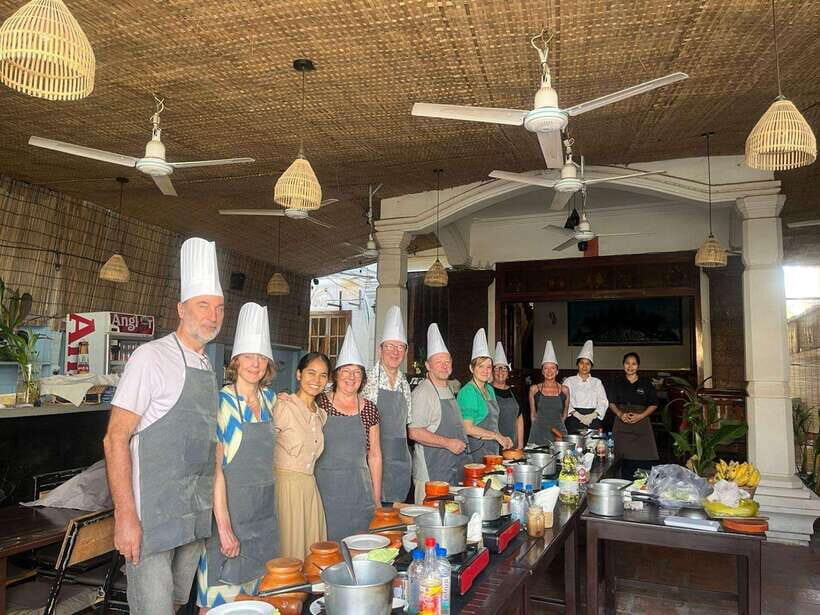
The class includes a starter meal, and yours is a glass noodle salad. Even if you’ve had similar salads in Cambodia before, the value here isn’t just eating it—it’s learning how to assemble it with your own hands while someone experienced explains what matters.
In a 2-hour class, the starter phase has a practical job: it gets you warmed up and gives you the foundation you’ll need for the rest of the meal. It also helps you learn the style of cooking this kitchen expects—how quickly things move, what ingredients tend to go together, and how to taste as you go.
Since the class includes the ingredients and all cooking utensils, you don’t need to source anything or bring equipment. You also don’t need to worry about whether you’ll be stuck with a tiny shared cutting board or a crowded tool situation. The setup is designed for learning, with the chef and staff guiding you as you cook.
The class also includes lemongrass tea and water, so you’ll have a drink break without it turning into a long pause. That might sound like a small detail, but in cooking classes it changes the mood. You’re not just hungry—you’re working.
If you’re sensitive to timing, the short format helps. You’ll get the starter, you’ll move to the main, then dessert—so you’re not stuck waiting for the best parts.
Fish Amok main course: the dish everyone comes for
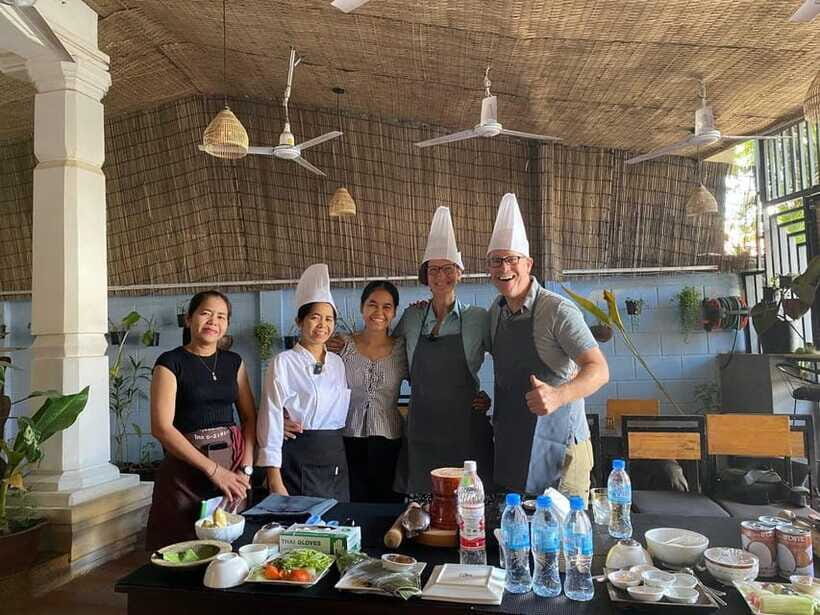
The highlight main dish is Fish Amok. That’s the course most people probably remember after the class ends, because it’s the centerpiece of the meal and the most Khmer-coded dish on the plate.
What you’re paying for here is access to an established restaurant team teaching you how to prepare this traditional Khmer dish using their family recipes. The class description specifically frames it as learning traditional Khmer dishes from those recipes, and that’s a big deal for authenticity. You’re not getting a generic “Cambodian-inspired” version. You’re learning within a real kitchen’s understanding of Khmer cuisine.
Because the class is interactive, you’re not just watching someone else cook. You’ll be involved in the process—guided by the chef and staff—so you can learn the feel of the cooking, not just the list of ingredients. In short lessons, this matters. Skills stick when you do them, even if you make mistakes along the way.
The other advantage is that you cook one standout dish rather than a long menu of filler items. In a 2-hour experience, focus is everything. A single main course that you actually make tends to feel more “worth it” than a class where you only assemble a couple of small bites.
And then you eat what you made. The included lunch isn’t just a meal ticket—it’s proof of the lesson. You get the satisfaction of sitting down with the food you created, not a take-home box you’ll forget about later.
Banana in coconut dessert: finish sweet, finish satisfied
Dessert is banana in coconut. It’s a nice ending for two reasons. First, it rounds out the meal so you truly get the full rhythm of Khmer home cooking: starter freshness, a richer main, then something sweet and comforting.
Second, dessert is usually the best part for relaxation. By the time you reach it, you’re already warmed up from the starter and more confident from the main dish. Even if you’re a bit nervous at the beginning, the class pace gives you a chance to gain momentum.
This course also fits the practical value of the class: you’re not paying just to learn. You’re paying to get a complete lunch experience, including drinks. The class includes homemade lemongrass tea and water, so you’re not hunting for refreshments afterward.
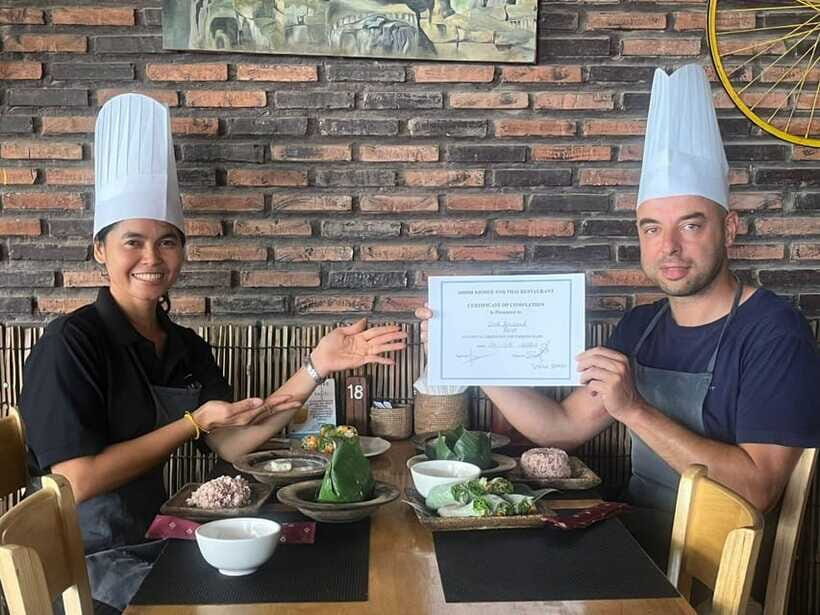
You’ll also receive a completion certificate. It sounds like a small souvenir, but it reinforces the fact that this is a real class with an end point—not a quick demonstration. If you’re the type who likes neat, tangible travel keepsakes, it’s a fun add-on.


Price and value: why $33 makes sense here
At $33 per person for about 2 hours, the first question is always: what’s included? In this case, the answer is strong.
You get:
- Ingredients for your dishes
- All cooking utensils
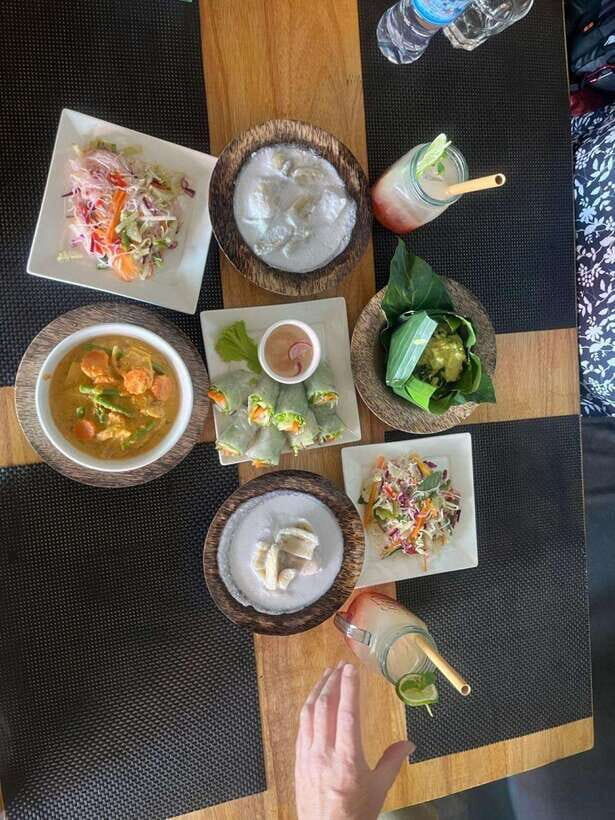
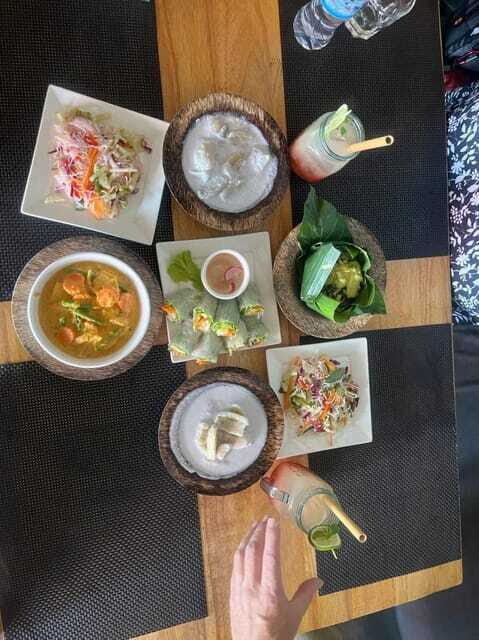
- A three-course meal (starter, main, dessert)
- Ice lemongrass tea and water
- Recipe fact sheet sent to your email or WhatsApp
- Completion certificate
That combination changes the math. You’re not paying only for instruction; you’re paying for ingredients, tools, and a full lunch. In many places, you might spend similar money on a meal alone, then still pay extra for a cooking “show” with no real meal tied to it.
The group size cap of 12 also supports the price. In a class this short, smaller groups typically mean better attention and faster troubleshooting. If you’ve ever been in a cooking class where you can’t get help, you’ll appreciate that.
The class is also listed as wheelchair accessible. That’s relevant for practical planning, and it means you’re not guessing about whether the setup can handle different needs.
What’s not included: transportation and alcohol. So budget time (and a tuk-tuk or ride) to get to the restaurant, and plan on non-alcoholic drinks since the class includes tea and water.
Who should book this class in Siem Reap
This is a great fit if you:
- Love Khmer food and want to learn more than just order it
- Learn best when you’re hands-on and talking with the chef and staff
- Want a short activity that includes lunch and doesn’t steal your whole day
It’s also a good choice for groups up to 12. If you’re traveling with friends, the class size keeps it social but not chaotic.
A couple of you should plan ahead:
- If you’re vegetarian or have allergies, contact them and let them know. The data says vegetarian options are available, and they can make allowances possible if you tell them—but you shouldn’t assume every dish can be swapped on the spot.
- If you need a language other than English, the instructor is listed as English, so confirm if that works for you before booking.
If you want a class that’s mostly about plating and fancy presentation, this might be less your thing. The focus is learning traditional Khmer dishes using family recipes—so the payoff is cooking skills and a real meal, not staged aesthetics.
Should you book Sambo’s cooking class?
I think you should book it if you want a real Khmer cooking experience in Siem Reap with a complete lunch built into the lesson. For the money, the value is the combination of (1) small group size, (2) restaurant chef guidance, and (3) the fact that you cook and eat Fish Amok plus a starter and dessert.
Skip it (or at least ask questions first) if you have dietary restrictions you need handled carefully and you don’t want to communicate ahead of time. Also, if you’re just looking for a quick bite of Cambodian food with no desire to cook, you might prefer a food tour instead.
If you like practical travel experiences—ones that end with you eating something you made—this is an easy yes.
FAQ
Where does the cooking class start?
The class starts at Sambo Khmer and Thai Restaurant in Siem Reap, and it ends back at the same meeting point.
How long is the Sambo cooking class?
It lasts 2 hours.
What are the available class times?
There are two time slots: 10:00am–12:00pm and 1:00pm–3:00pm.
What will I cook and eat during the class?
You’ll cook a three-course meal: a glass noodle salad (starter), Fish Amok (main), and banana in coconut (dessert).
Does the price include food and ingredients?
Yes. The class includes ingredients for your dishes, all cooking utensils, and the lunch you prepare.
Is there vegetarian food?
Vegetarian options are available. If you’re vegetarian or have an allergy, you should let them know in advance so they can make allowances possible.
Do I get anything to take home after the class?
Yes. You’ll receive a recipe fact sheet sent to your email or WhatsApp, and you also get a completion certificate.
Is the class taught in English?
Yes. The instructor is listed as English.
Is transportation included?
No. Transportation is not included, and the activity ends back at the meeting point.