REVIEW · CAMBODIA
Kayaking & Floating Village in Siem Reap
Book on GetYourGuide →Operated by Cambodia Adventure Tour · Bookable on GetYourGuide
Chasing sunrise birds starts fast on Tonle Sap. This tour blends floating village living with mangrove kayaking, plus those calm morning views you’ll want to photograph. I like the way the day connects everyday routines on the lake with quiet paddling, not just big sightseeing stops.
Two things I really enjoyed: learning how families live and trade from inside the floating houses, and gliding through the mangrove channels where birds show up when you move slowly. One possible drawback to keep in mind: kayak time can feel short for active paddlers, and the longer commute plus timing can affect how much sunset you actually catch—so set your expectations for a morning-leaning experience.
In This Review
- Key things to know before you go
- Tonle Sap floating village and kayak focus: the real point of this day
- Price and what $88 buys you for 6 hours
- Hotel pickup and the ride toward Krong Siem Reap’s lake access
- Rice paddies and village life before the boat ride
- Powered boat through canals to Mechrey floating village
- Kayak safety, then slow paddling through floating homes
- The snack-and-bathroom stop on the water (yes, it’s a real comfort)
- Mangrove forest kayaking and bird watching: the main highlight
- The morning Tonle Sap photo spot: why timing matters
- Sunset and the reality of time on the water
- What’s included (and why those details matter on a lake day)
- What to bring, what to wear, and a few comfort hacks
- Who this tour suits best (and who should skip it)
- Final verdict: should you book Kayaking & Floating Village in Siem Reap?
- FAQ
- How long is the Kayaking & Floating Village tour?
- What’s included in the price?
- Do I need to bring anything?
- What happens on low water season between March and June?
- Is pickup included from Siem Reap town?
- Are pets allowed on the tour?
- Who should avoid this tour?
Key things to know before you go
- Floating village reality check: see rice paddies, daily routines, and house-on-water life up close.
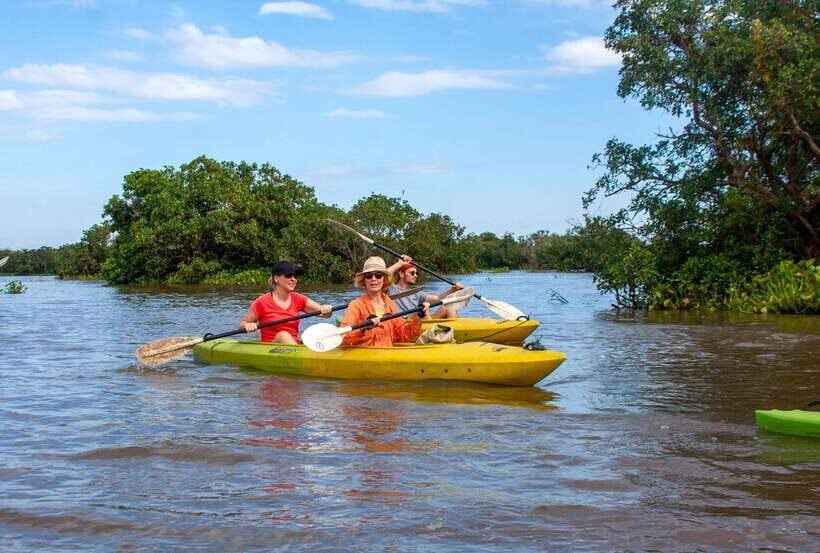
- Kayaking by quiet effort: slower paddling helps you spot nature you’d miss from a boat.
- Mangroves and birds (season matters): March to June often shifts to Open Lake bird watching instead.
- Photo-friendly Tonle Sap views: morning light makes a difference for calm shots.
- Basic comfort supports: snacks, drinks, and bathroom access on a floating house stop.
- English guide quality can vary: strong guides add context; weaker guidance may leave gaps.
Tonle Sap floating village and kayak focus: the real point of this day
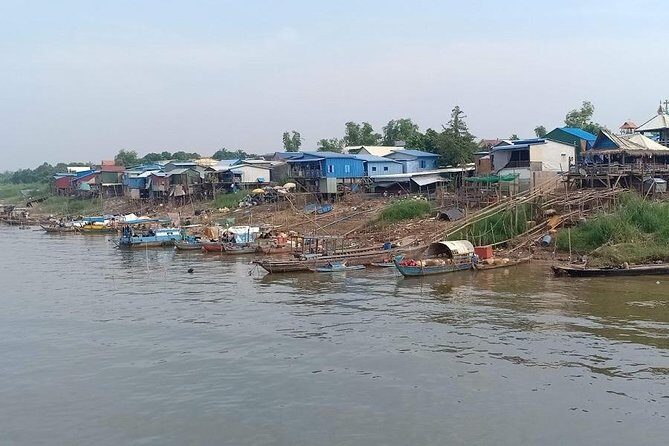
Siem Reap is famous for temples, but this is a different kind of Cambodia day. You’re heading to Tonle Sap Lake, where houses, canals, and daily life are built around water levels. The tour’s core idea is simple: you see village life first, then you move through it in a way that slows you down—on a kayak.
I also like that the day is built like a progression. You don’t just throw people into boats. You start with a land-and-water lead-in (rice paddies and daily routine), then you transition to a powered ride through thicker canal areas, then you switch to paddling. That change of pace helps you notice details.
And yes, you’ll get your photos. The best Tonle Sap shots here are the quiet morning views—soft light, still water, and a sense of “morning routine” rather than postcard chaos.
You can also read our reviews of more tours and experiences in Cambodia.

Price and what $88 buys you for 6 hours
At $88 per person for about 6 hours, you’re paying for more than kayaking. This price bundles several costs together: English guidance, AC vehicle transfers, entrance fees, powered boat rides, kayaking gear and safety support, plus drinks and snacks.
That bundling matters, because the lake area is not a quick hop from town. You’re also getting multiple transport modes (AC vehicle, river boat/powered boat, then kayaking), which is usually where tours either get overpriced or feel “all effort, little content.” Here, the pacing makes sense: lake life plus mangroves equals a fuller use of your time.
If you’re only after a short kayak or only want a sunset cruise, this might feel pricier than the bare-bones options. But if you want the combination—floating village + mangrove paddling + photo-friendly Tonle Sap time—you’re getting more than a one-activity day.
Hotel pickup and the ride toward Krong Siem Reap’s lake access
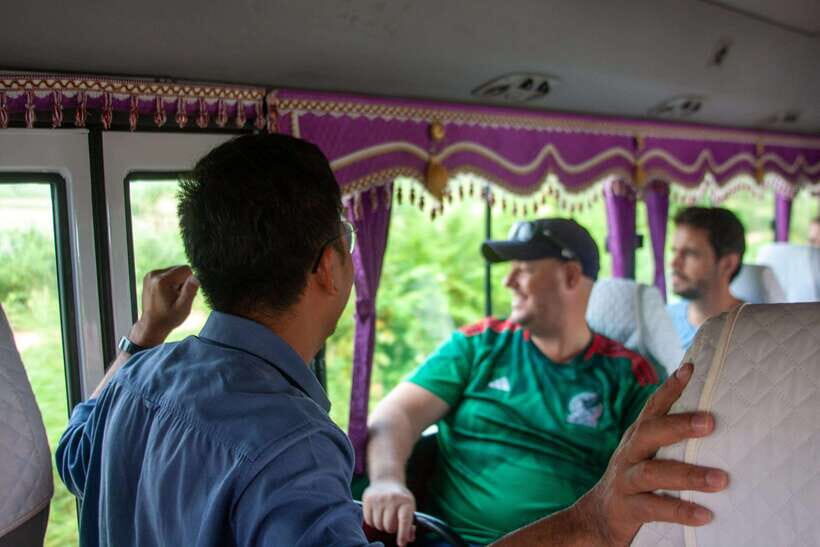
You’ll be picked up from Krong Siem Reap with AC transport, and the driver and guide come about 30 minutes before departure. That detail is more important than it sounds. It keeps the morning from turning into a rushed scramble, especially if you’re already juggling temple visits earlier in the day.
The transfer time is part of the reality of lake tours. Even with smooth logistics, you’re spending a chunk of the day traveling to reach the right canals and viewpoints. If you dislike long “in-between” time, treat this as a dedicated morning/half-day plan rather than a side quest between temples.
Tip for comfort: the tour includes boats and a short time out on the water, so light sun protection helps. Pack what you can wear quickly—sunglasses and sunscreen are the essentials listed for a reason.
Rice paddies and village life before the boat ride
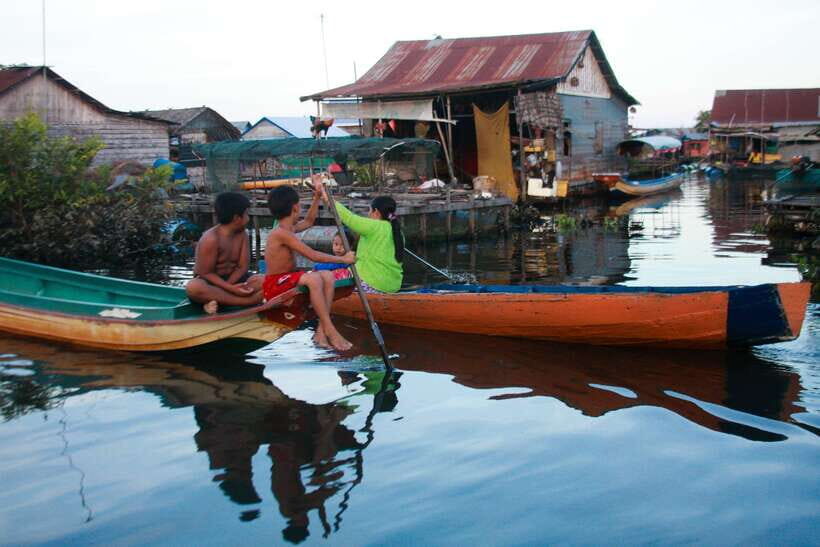
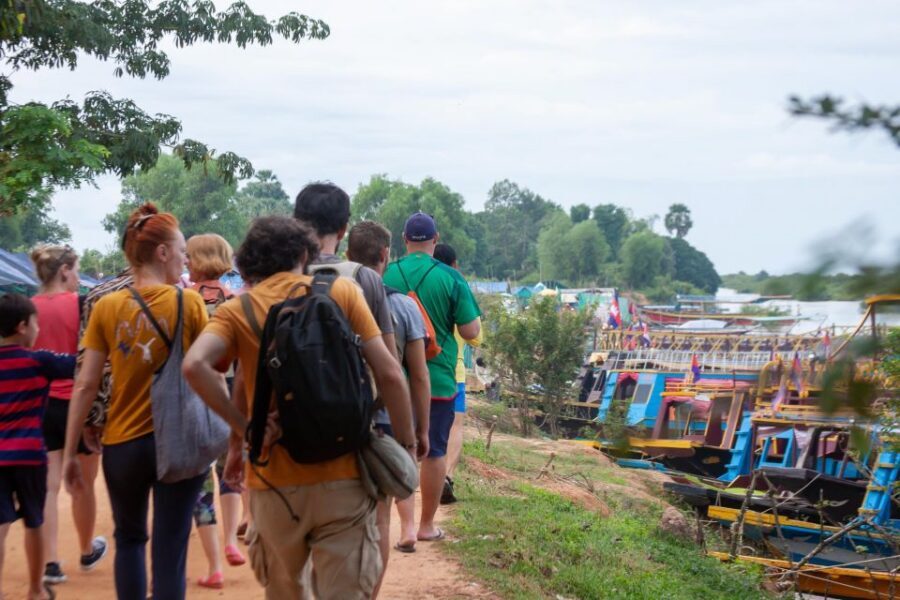
Before you ever touch a kayak, the tour gives you a quick grounding. You’ll transfer to a starting area on Tonle Sap, then observe rice paddies and daily life of local communities before arriving at the dock.
This matters because it changes what you notice during the kayak later. When you already know what you’re seeing—fields, routines, how people move through the area—you’ll read the floating village experience differently. Instead of seeing “cool homes on water,” you start seeing how the system works.
There’s also a practical benefit: this lead-in gives you a mental warm-up. You’ll be sitting on boats and riding through canals shortly, and it helps to start the day oriented.
Powered boat through canals to Mechrey floating village
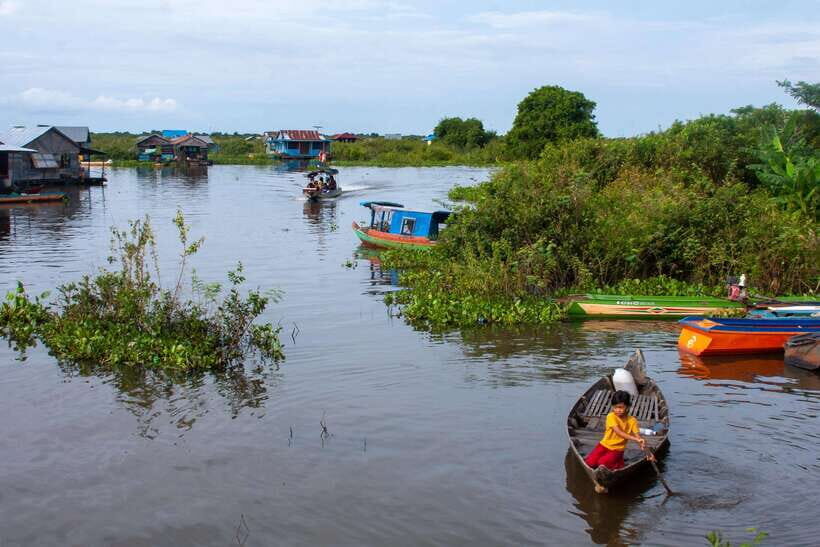
Once you reach the dock, you’ll hop on a powered boat to reach the Mechrey floating village area. The description makes one thing clear: the boat route is designed to push through heavy overgrowth in canal sections.
That’s important for two reasons:
- It explains why a powered boat is necessary at this point.
- It hints at what kayaking later will feel like—narrow, leafy waterways where quiet movement matters.
You’ll then arrive and switch modes. Safety gear comes out, and you move into kayaking equipment at the floating village setting.
Kayak safety, then slow paddling through floating homes
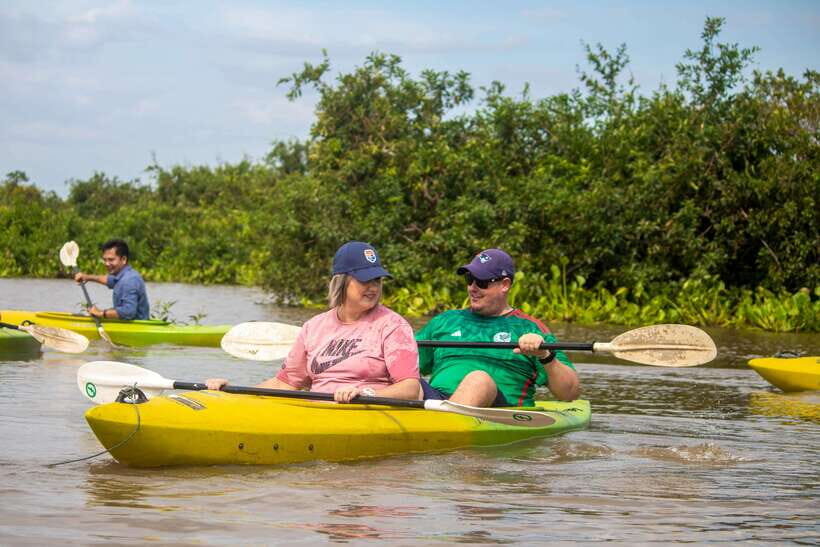
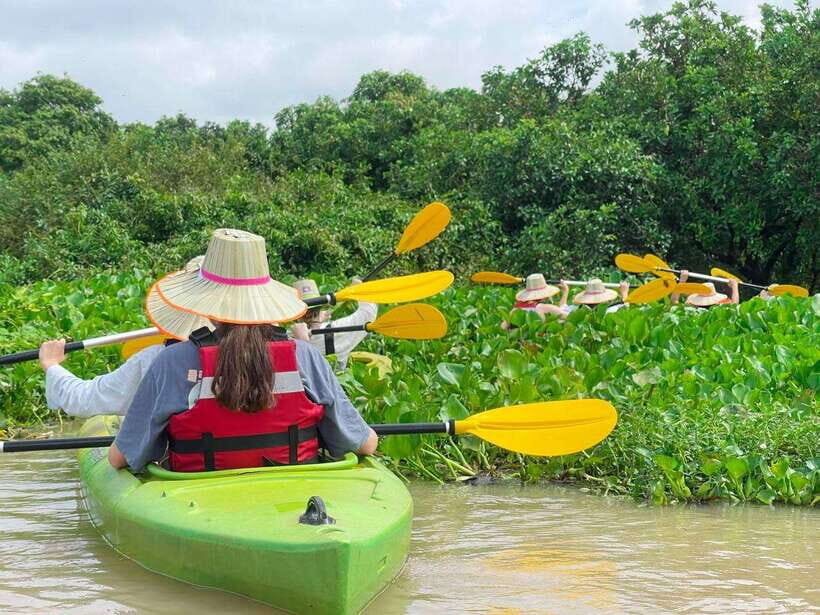
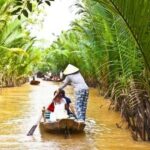
Kayaking starts after you don your safety equipment. You’ll use fiberglass kayaks and paddle gently through the floating village area.
This is the heart of the experience for most people. The tour is designed so you kayak through a village environment at a comfortable pace, not as a race. And because you’re moving quietly, you have a better chance of spotting bird activity and small wildlife than you would from a louder, faster ride.
You’ll also be welcomed with warmth from villagers in the floating houses. That matters because the experience isn’t just nature-only. It’s village-life plus nature, stitched together through your movement on the water.
If you’re the type who likes learning small details, look for your guide’s explanations. Some English guides—names that show up include Chong and Sovandy—tend to do more than translate. They connect village customs to everyday work and lake trading patterns. If your guide speaks less English, you may still enjoy the sights, but you’ll miss context.
The snack-and-bathroom stop on the water (yes, it’s a real comfort)
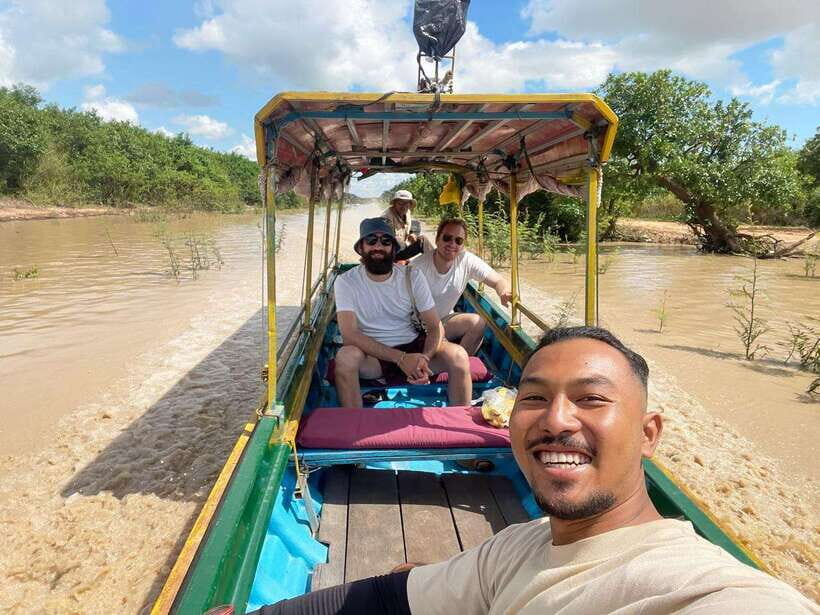
After kayaking through the floating village, you head back to a Kayak Station, which is described as being located on a floating house in the Mechrey area. This is where you’ll get snacks and drinks, plus bathroom access.
I love when tours include this kind of reset. You’re on a lake day, and you’ll likely be in sun and boat humidity. Having a bathroom and a chance to eat something simple helps you stay comfortable for the next part.
Then you rejoin transport by powered boat for the mangrove kayaking segment. So you’re not stuck hungry, wet, and tired while you wait.
Mangrove forest kayaking and bird watching: the main highlight
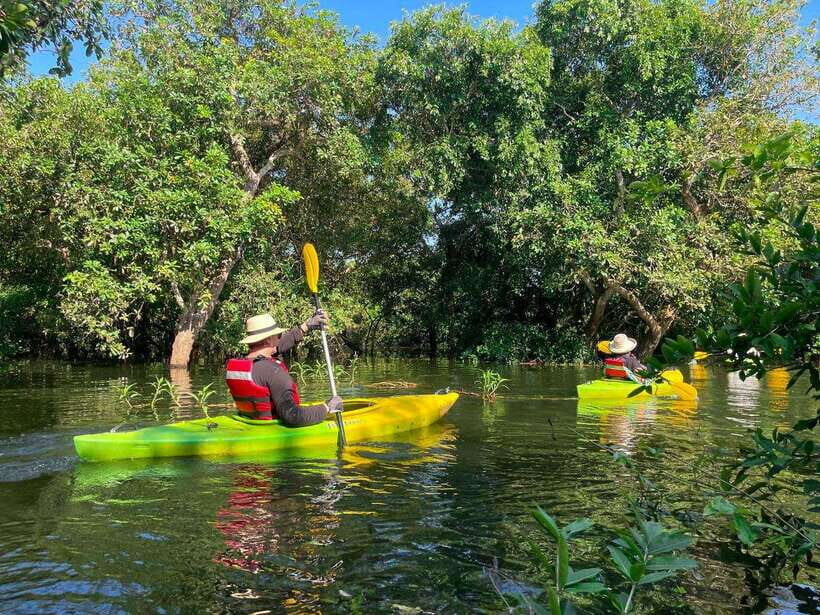
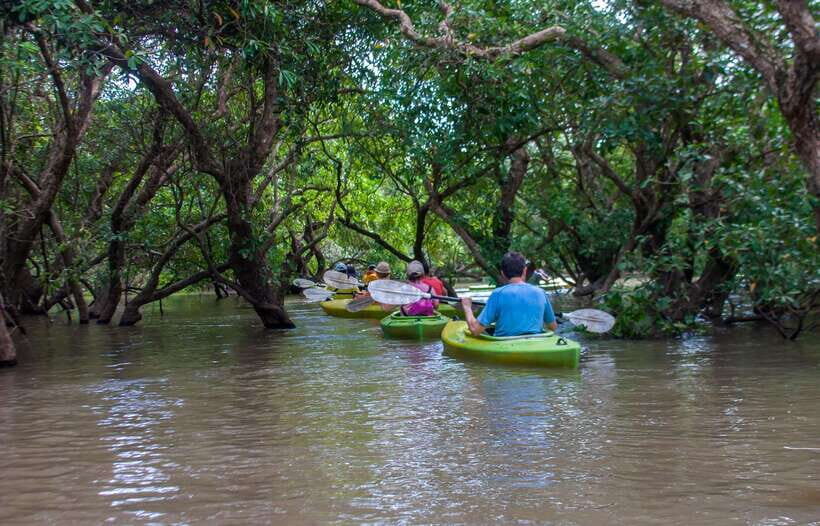
The main highlight is the kayaking through the mangrove forest. This is where you get the calm, branch-and-water feel many people come for.
Your guide helps you paddle quietly, which increases the chance of spotting birds. The tour emphasizes that the slow movement makes nature easier to notice, especially from a small craft.
Here’s the seasonal twist you should plan around: during the low water season between March to June, you kayak in Open Lake Waters instead and focus more on water bird watching. That doesn’t mean the tour loses its charm. It just changes the setting. You might get fewer mangrove visuals, but you can still get plenty of bird moments if you keep your eyes open.
For photos, remember that mangrove kayaking can mean darker water and shaded branches. Your best shots often happen when you angle your camera at eye level and wait for birds or small movements rather than trying to force a wide landscape photo.
The morning Tonle Sap photo spot: why timing matters
Midway through the day, the itinerary builds toward a spot for peaceful morning views of Tonle Sap Lake and excellent photo opportunities. This is one of those “timing is everything” parts of the experience.
If you’re hoping for dramatic sunset light, note that the tour description is structured around morning viewing. Some versions of the day may include extra time for golden-hour moments, but it’s not guaranteed. In plain terms: if sunrise and soft morning calm are your priority, you’ll likely feel satisfied.
When you’re photographing, look for:
- Still water reflections on the lake surface
- Birds moving through the mangrove branches or open water
- Floating houses at a distance, where the scale feels more real
And don’t forget simple things like wiping your lens—boat spray and humidity can fog glass fast.
Sunset and the reality of time on the water
The tour is built as a 6-hour loop with powered rides and kayaking blocks. That structure means sunset depends on how the day flows and how water conditions affect time.
I treat this as a planning note: don’t book expecting a perfect, long sunset sequence like a dedicated evening cruise. Instead, aim to enjoy the lake in its calmer part of the day and use any sunset minutes you get as a bonus.
What’s included (and why those details matter on a lake day)
Included items make a big difference here because lake logistics can get annoying fast:
- English-speaking guide
- All transfers by AC vehicle (helpful for comfort before and after boats)
- Entrance fees
- Boat ride(s) (powered boat segments)
- Kayaking
- Drinks and snacks
- Safety guard + safety gear
Those inclusions reduce your mental load. You don’t need to figure out local entry points, boat coordination, or kayak rentals. And the safety gear piece matters because you’ll be around water channels and boats, not a calm dockside pond.
On the “small but real” side, the provided snacks and drinks also reduce the chance you’ll spend time hunting for food later. That’s especially valuable if you’re still planning temple visits afterward.
What to bring, what to wear, and a few comfort hacks
The tour lists what you should bring: sunglasses, camera, sunscreen. I’d add one practical thought: plan for quick-dry clothing. You’ll be on boats, near splash zones, and in humid air.
Footwear matters too. One helpful tip that shows up with this kind of water activity: choose sandals or shoes that are easy to remove over bulky footwear. You’ll be transitioning between boats and floating areas, and easier footwear changes make the experience smoother.
Also, bring your camera battery backup if you can. Morning light can be gorgeous on the lake, and you’ll likely take more photos than you expect once you’re actually there.
Who this tour suits best (and who should skip it)
This is a great fit if you:
- Want authentic lake life rather than only temple stops
- Like kayaking at a gentle pace
- Prefer nature viewing from a quiet craft (birds, mangroves, water reflections)
- Care about photo-friendly morning scenery
It’s less ideal if you:
- Want lots of strenuous paddling time (the kayaking blocks are shorter than some people expect)
- Need a guaranteed late-day sunset experience
- Are looking for a fully explained history lecture from start to finish (it depends on your guide’s English skills)
The tour notes it’s not suitable for pregnant women and babies under 1 year, and it also says pets are not allowed. If any of that affects you, it’s best to pick a different Siem Reap activity.
Final verdict: should you book Kayaking & Floating Village in Siem Reap?
I’d book this tour if your Cambodia trip includes at least one day where you want to slow down and see life on Tonle Sap Lake. The combination of floating village context plus mangrove kayaking plus morning photo time is the reason the day works.
I’d think twice if your main goal is a long kayak session, heavy instruction, or a full sunset program. In those cases, you might feel rushed or under-informed. But if you go with the right expectations—quiet paddling, village warmth, birds, and calm lake views—you’ll likely find it one of the more memorable experiences around Siem Reap.
FAQ
How long is the Kayaking & Floating Village tour?
The duration is 6 hours.
What’s included in the price?
It includes an English-speaking guide, AC vehicle transfers, entrance fees, boat rides, kayaking, safety guard and safety gear, plus drinks and snacks.
Do I need to bring anything?
Yes—bring sunglasses, a camera, and sunscreen.
What happens on low water season between March and June?
During March to June, the kayaking is done in Open Lake Waters and the tour focuses more on water bird watching instead of the mangrove setting.
Is pickup included from Siem Reap town?
Yes. Pickup is included, and you’ll be picked up about 30 minutes before departure time. You’ll need to share your hotel details for pickup.
Are pets allowed on the tour?
No, pets are not allowed.
Who should avoid this tour?
It’s not suitable for pregnant women and babies under 1 year.