REVIEW · PHNOM PENH
3 Cities Culinary and Cultural Insights
Book on Viator →Operated by Authentic Food Tours : Southeast Asia Bites and Activities · Bookable on Viator
Cambodian food gets better with context. This 7-day private tour turns eating into a real cultural lesson, not just a few nice meals. I like how it pairs Khmer cuisine history with sightseeing so you understand why dishes and traditions matter.
Second, I really enjoy the comfort side: 4–5 star hotels plus private transport means you spend less time wrestling logistics and more time enjoying the day.
One thing to weigh: two genocide sites are heavy. If you prefer light-and-fun only, this part will feel intense.
In This Review
- Key moments that make the trip feel different
- Why this 3-city food-and-culture plan works (and what you’re really buying)
- Khmer cuisine with history (not just a list of dishes)
- Phnom Penh day: Wat Phnom, Central Market, and the riverside mood
- Wat Phnom: a quick history lesson with an easy payoff
- Central Market: shopping time with actual street energy
- Mekong riverfront: sunset time without the stress
- The heavy part: Tuol Sleng and Choeung Ek at close range
- Tuol Sleng: Security Prison 21 in a former school
- Choeung Ek: mass grave site tied to an orchard
- How to make this part easier on yourself
- Battambang: bats, bamboo, and a slower kind of Cambodia
- Battambang Bat Caves: the 15 to 20 minutes you’ll remember
- Bamboo Train: a tourist ride with a dark practical origin
- Siem Reap and Angkor area: Angkor Wat, Bayon, Ta Prohm
- Angkor Wat: the scale and order of the Khmer Empire
- Bayon: faces and bas-reliefs tied to real life
- Ta Prohm: a temple tied to Jayavarman VII’s mother
- Hotels, private transport, and included meals: why comfort matters on a tour like this
- Timing and pace: how to enjoy a full schedule without burning out
- Value check: is $1,499 fair for what you get?
- Should you book this tour?
- FAQ
- Is pickup included?
- What time does the tour start?
- Is this tour private?
- How long is the tour?
- What meals are included?
- Is a cooking class included?
- Are entrance tickets included?
- What kind of accommodation is included?
- Is the tour flexible or adaptable?
- What happens if I need to cancel?
Key moments that make the trip feel different
- A cooking class that helps you bring Khmer flavors home, not just taste them once
- Private transportation and hotel comfort that keep the pace manageable across 3 regions
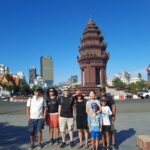
- Phnom Penh’s major sights from Wat Phnom to the Central Market and riverfront sunset time
- History done face-to-face at Tuol Sleng and Choeung Ek, both with included entry
- Battambang experiences with real character like bat caves and the Bamboo Train tradition
- Angkor temples with built-in meaning at Angkor Wat, Bayon, and Ta Prohm
Why this 3-city food-and-culture plan works (and what you’re really buying)
A lot of food tours stop at tasting. This one aims higher. You’re not only eating Cambodian dishes; you’re learning the story behind them, plus how to make at least part of that story in a cooking class. That matters because Khmer flavors often come with regional habits, local ingredients, and historical influences that aren’t obvious just by reading a menu.
The second big reason it’s worth considering is the mix of scope and support. You’re covering Phnom Penh, Battambang, and the Angkor temple area, and you still get breakfast, lunch, and dinner included at the locations. You also get private transportation and 4–5 star hotels, which is the practical difference between a trip that feels smooth and one that feels like constant moving.
The price—$1,499 per person—isn’t “cheap,” but it’s also not paying only for a few meals. Entrance tickets are included for many stops, and you’re getting a full multi-day structure: meals, lodging, transit, and major sights. If you value convenience and guided context, the math starts to look fair.
You can also read our reviews of more tours and experiences in Phnom Penh.
Khmer cuisine with history (not just a list of dishes)
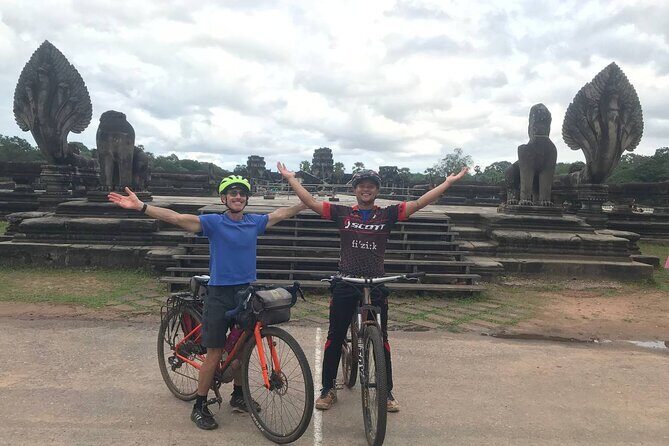
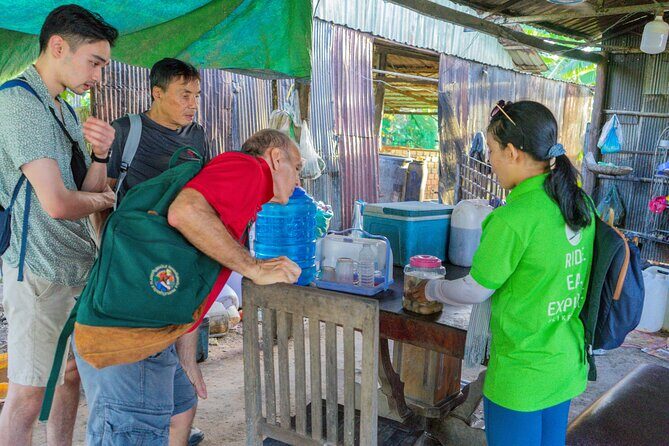
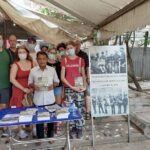
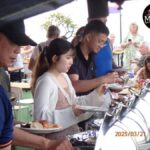
The tour’s core promise is straightforward: you’ll discover “real flavours” of Cambodian cuisine with a comprehensive introduction to Khmer cuisine. You’ll eat carefully chosen authentic dishes that represent Cambodian tastes. The key part is that the guide is there to explain the history and meaning of what’s on your plate.
That’s where many visitors get stuck on their own trip. Cambodia’s food is delicious, but if you don’t know what to look for—how ingredients are used, how dishes relate to culture, and why certain foods show up in daily life—you can miss the point. Here, the structure is meant to fix that.
You also get a cooking class, which is huge for value. Tasting is great, but skills stick. And you’ll be leaving with something practical you can repeat at home, using what you learned locally rather than copying a generic “Cambodia” recipe.
One more plus: the guide’s approach seems designed for real eating. Reviews specifically praise Yi for knowing where the great food is and for taking good care of clients. People also mention his clear English and long experience (more than 13 years). That combination matters. Language issues are one thing. Food misunderstandings are another.
Phnom Penh day: Wat Phnom, Central Market, and the riverside mood
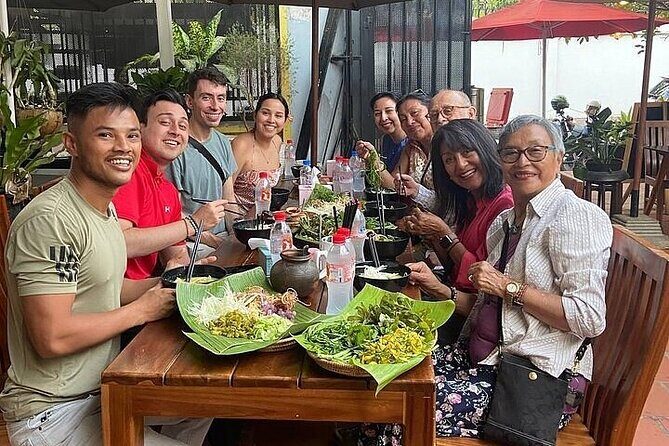
Phnom Penh is where the trip starts feeling layered—religion, daily life, and big national memories all in the same city.
Wat Phnom: a quick history lesson with an easy payoff
At Wat Phnom, you’ll visit a Buddhist temple that symbolizes the name of Phnom Penh. It’s tied to the story of Lady Penh, linked to the discovery of five statues—one Vishnu statue and four Buddha. The temple’s pagoda reaches about 46 meters, and even if you’re not a temple-architecture nerd, the height and the symbolism give you instant orientation.
This stop is also a nice early warm-up: it’s listed as 1 hour with admission included. You’re not stuck for the whole day yet. You get your bearings fast, then the itinerary turns more serious and more local.
Central Market: shopping time with actual street energy
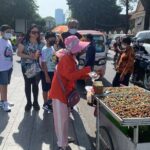
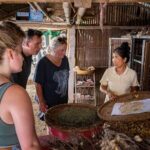
Then you hit the Central Market (Phsar Thmei). It’s described as an art deco landmark in a bright yellow building completed in 1937, with a 26-metre high central dome and four tall arch-roofs. This is the kind of place where Cambodia feels lived-in: clothes, silverworks, jewelry, and food items all under one roof.
The practical win is guidance. You get 1 hour here with admission included, and a food-focused guide can steer you toward things worth tasting or buying rather than wandering randomly. If you love souvenirs that aren’t generic, this is a good place to shop.

Mekong riverfront: sunset time without the stress
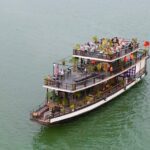
Later, the plan brings you to the Mekong River area, timed for a sunset opportunity. You’ll have a walkable riverfront vibe with parks and restaurants around the Royal Palace complex, plus nearby points like the Silver Pagoda and the National Museum. The tour’s Mekong timing is built for the light shift—when the city looks softer and the river feels like the main stage.
Stop notes also include a rest break at the hotel and then pickup again for the riverside evening. That’s exactly the kind of pacing choice I appreciate on longer tours: you don’t just run all day until you crash.
The heavy part: Tuol Sleng and Choeung Ek at close range
If you choose this tour, you should choose it knowing the middle of the Phnom Penh story includes trauma. Both of the big history stops—Tuol Sleng Genocide Museum and Choeung Ek Genocidal Center—are admissions included.
Tuol Sleng: Security Prison 21 in a former school
Tuol Sleng is a museum chronicling the Cambodian genocide. The site used to be a secondary school, later used as Security Prison 21 by the Khmer Rouge regime from 1975 until 1979. Your time here is about 1 hour, which can feel both quick and heavy. The building itself carries weight, and the museum format is meant to show you the reality of what happened, not just facts in passing.
Choeung Ek: mass grave site tied to an orchard
Then you go to Choeung Ek, a former orchard and mass grave area, about 17 kilometres south of central Phnom Penh. The tour notes killings between 1975 and 1979, tied to victims of the Khmer Rouge. Your time is 2 hours with admission included.
How to make this part easier on yourself
This isn’t light sightseeing. I suggest you do two things: wear comfortable, respectful clothing, and give yourself mental room to step back between rooms or exhibits. If you get overwhelmed fast, it’s okay to pace yourself during the visits rather than forcing through.
This tour’s value here is context. Food and temples are meaningful, but genocide sites explain why Cambodia’s culture, politics, and identity carry such intensity. If you want the deeper “why,” you’ll find it here.
Battambang: bats, bamboo, and a slower kind of Cambodia
Battambang is where the tour slows just enough to feel different. It’s also described as the province that produces the most rice in the nation, established in the 11th century by the Khmer Empire. Even if you don’t dig into dates, that rice-agriculture framing sets the stage: this part of Cambodia feels more grounded in daily work.
Battambang Bat Caves: the 15 to 20 minutes you’ll remember
The Bat Caves stop is one of those experiences that’s hard to describe until you see it. People gather before the bats emerge, with a festive street setup. You can buy food and beverages, and there are tables and chairs. Then comes the moment: the activity lasts 15 to 20 minutes, when bats start to emerge.
Your time here is listed as about 3 hours with admission included. That doesn’t mean the bats are out for 3 hours—it means there’s time to sit, snack, and wait. If you like watching a local event unfold rather than rushing through it, this fits.
Bamboo Train: a tourist ride with a dark practical origin
Next is Battambang and the Bamboo Train segment. The notes explain that bamboo makes up its surface, and it’s known as a straightforward tool used by the Khmer Rouge to move people and goods. Today, it’s a paid tourist attraction still enjoyed on certain road segments.
The listed stop is about 3 hours with admission marked free. The key here is that the ride is both fun and historically complicated. Take it for what it is: a quirky, moving piece of living history. Just don’t let “fun” erase the context.
Siem Reap and Angkor area: Angkor Wat, Bayon, Ta Prohm
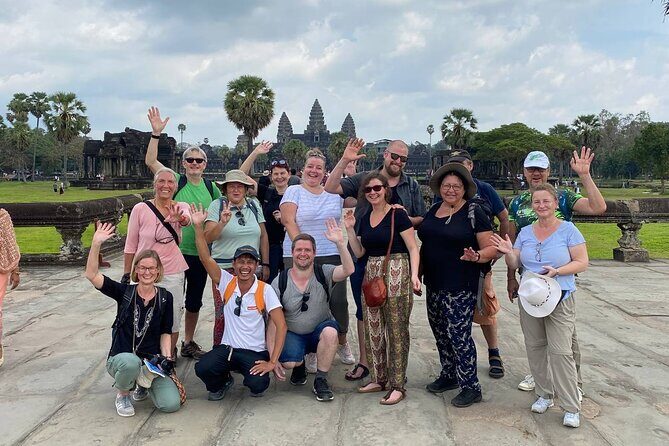
The Angkor temple portion is likely the main wow factor for many people, but this tour treats it like more than a photo shoot. You’re guided through meaning: architecture, religious symbolism, and the day-to-day stories carved into stone.
Angkor Wat: the scale and order of the Khmer Empire
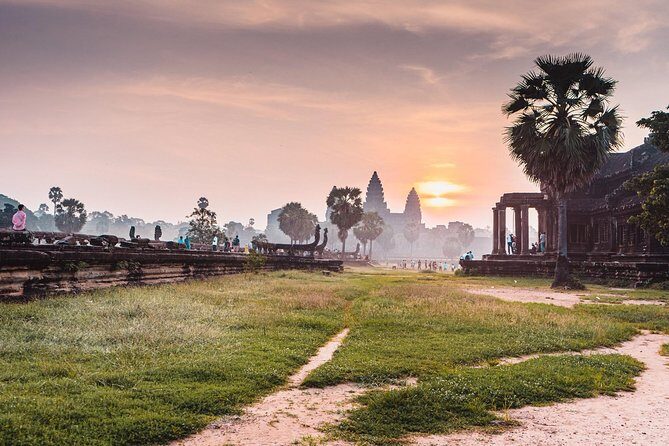
You’ll spend about 4 hours at Angkor Wat with admission included. The notes focus on how the Khmer Empire’s social order and hierarchy show up in the architecture and city layout. Angkor is framed as significant for its architectural, archaeological, and artistic importance as well as cultural and religious symbolism.
If you’ve never seen Angkor before, the biggest surprise is how planned it feels. Even from a distance, the layout looks designed to move you through ideas, not just spaces.
Bayon: faces and bas-reliefs tied to real life
Then you visit Bayon Temple for about 3 hours with admission included. The tour notes emphasize that Bayon is the first and only Buddhist temple built by the Khmer (Angkor) Empire. It’s also known for bas-reliefs that portray scenes from daily life and major events like battles—basically snapshots of what people did and what happened to them in the 12th and 13th centuries.
For many visitors, Bayon is the emotional bridge between Angkor’s grand scale and the human details carved into stone.
Ta Prohm: a temple tied to Jayavarman VII’s mother
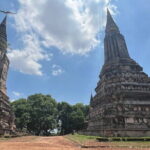
Finally, Ta Prohm (listed as Prohm Kel) is on the schedule for about 2 hours with admission included. The notes say it was constructed in 1186, originally called Rajavihara, and connected to Jayavarman VII’s mother. It’s also noted that inscriptions include details about dependents and inmates.
Ta Prohm is often visually dramatic, but the value here is the story that comes with it. You don’t just see structures; you learn what they were for.
Hotels, private transport, and included meals: why comfort matters on a tour like this
Across 7 days, you’re moving between major hubs: Phnom Penh, Battambang, and the Angkor area. That’s not a small thing. This tour includes 4 to 5 star hotels and private transportation, which can save you from the most common multi-city travel pain: wasted time, crowded rides, and constant re-planning.
Meals are also built in: breakfast, lunch, and dinner are included at all locations. That helps you stay focused on the experience rather than hunting for food every time the schedule changes.
Is every meal going to be a perfect 10? Hard to know. But the structure is a win. You can keep your energy for temple walking, market time, and the heavier history stops without thinking about where the next meal will come from.
One more practical detail: the tour is described as private, so it’s only your group. Private tours don’t automatically mean better, but they usually mean you get a more tailored pace. Reviews also mention personalizing the tour based on hotel location. That kind of flexibility matters when you have a tight sightseeing set.
Timing and pace: how to enjoy a full schedule without burning out
This itinerary packs a lot into a single trip, so you’ll want a sensible approach to your day.
- Start time is 8:00 am, so plan a calm evening the night before.
- Temple and market time can include standing and walking, so wear shoes you trust.
- You have a scheduled rest break in Phnom Penh before the riverside evening pickup. Take that seriously. It’s there so you don’t run out of steam.
Also, remember the tour’s emotional contrast. You’re going from temples and markets to genocide sites. That can hit hard. If you’re sensitive to heavy topics, you might want to bring a small buffer—water, a note app for quick thoughts, or a moment to step aside during museum rooms.
The upside is that your guide is part of the structure. Reviews praise Yi’s care and how he plans around clients. When the day gets intense, a good guide helps you keep your bearings.
Value check: is $1,499 fair for what you get?
Let’s be honest: $1,499 isn’t a budget impulse buy. It’s closer to a “pay for convenience and depth” choice.
Here’s what’s bundled based on the tour details:
- 7 days across three regions
- Breakfast, lunch, dinner included
- 4–5 star hotels
- Private transportation
- Entrance tickets included for multiple key stops (and some marked free)
- A cooking class
- Pickup offered and mobile ticket use
Value is best when you would otherwise have to arrange the same things yourself: hotels at higher standards, private rides between cities and sites, and a guide to connect food with meaning. If you’re the kind of traveler who wants a “reason why” with your meals, this tour saves you time and confusion.
If you already know exactly where you want to go and you’re comfortable building the plan on your own, you might find cheaper options. But you’ll likely give up at least one of these: comfort, guided context, or the cooking-class structure.
Should you book this tour?
I’d book it if you want Cambodian food to come with explanations, and you like the idea of pairing it with major culture and temple sites across multiple regions. The combination of meals included, 4–5 star hotels, private transport, and the cooking class makes it feel like a full package rather than a loose collection of stops.
I would hesitate if you want only upbeat sightseeing. The genocide museums are serious, and they’re not optional on this route.
If you do book, I’d also choose it with one mindset: eat slowly when you can. Your guide’s job is to add meaning; your job is to taste the details.
FAQ
Is pickup included?
Pickup is offered, and the tour schedule includes pickup from your hotel for the riverside part of the day.
What time does the tour start?
The start time is listed as 8:00 am.
Is this tour private?
Yes. It’s a private tour/activity, and only your group will participate.
How long is the tour?
It runs for 7 days, approximately.
What meals are included?
Breakfast, lunch, and dinner are included at all locations.
Is a cooking class included?
Yes. A cooking class is included as part of the experience.
Are entrance tickets included?
Admission tickets are included for several stops (such as Wat Phnom, Tuol Sleng, Choeung Ek, Central Market, Bat Caves, Angkor Wat, Bayon, and Ta Prohm). A few items are marked free, including the Phnom Penh riverside time and parts of the Battambang experiences.
What kind of accommodation is included?
Hotels and accommodation in the 4 to 5 star range are included.
Is the tour flexible or adaptable?
The tour is described as flexible, and it’s noted that the guide can personalize the tour based on hotel location.
What happens if I need to cancel?
This experience is non-refundable and cannot be changed for any reason. If you cancel or request an amendment, the amount paid is not refunded.