REVIEW · SIEM REAP
Angkor Wat Small-Group Sunrise Tour from Siem Reap
Book on Viator →Operated by Green Era Travel · Bookable on Viator
Rise early for the real Angkor magic. This small-group sunrise tour makes the early start feel manageable with hotel pickup and drop-off, plus an English-speaking guide who helps you understand what you’re actually looking at. The value is strong because you’re capped at 15 people, so the whole morning stays calm and focused—one key consideration: you must add the $37 National Park ticket on top of the $39 tour price.
I like how the day is built around timing. Sunrise at Angkor Wat is the main event, and the rest of the circuit follows in a way that keeps you moving without feeling rushed. If the weather is gray or the schedule slips, that can affect the sunrise moment, so bring flexible expectations.
In This Review
- Key things to know before you go
- Sunrise at Angkor Wat: why this timing still wins
- Price and logistics: what you’re really paying for
- Pickup at 4:30am: the part that makes or breaks your comfort
- Stop 1: the first light at Angkor Archaeological Park
- Stop 2: Angkor Wat (2 hours) and the core temple layout
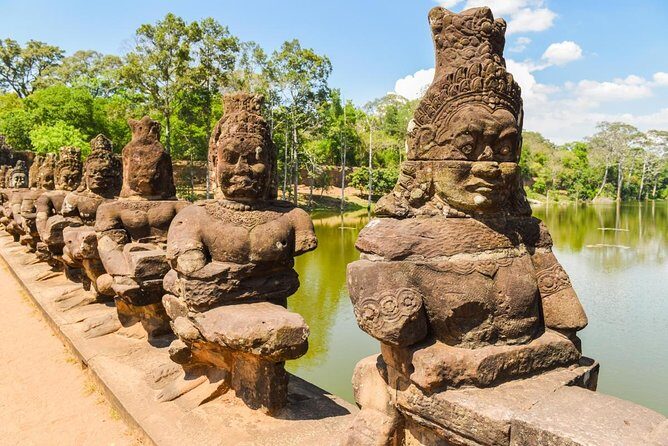
- Stop 3: Angkor Thom South Gate (45 minutes) and the walls’ sheer scale
- Stop 4: Bayon Temple (50 minutes) and the 200 smiling faces
- Stop 5: Ta Prohm (about 1 hour) and the ruins with room to breathe
- The small-group feel: why max 15 actually changes your day
- What to bring for sunrise comfort (so you’re not miserable)
- Timing issues: what can affect the sunrise moment
- Should you book the Angkor Wat sunrise tour?
- FAQ
- What time does the tour start?
- How many people are on the tour?
- What’s included in the tour price?
- Do I need to buy entrance tickets?
- How long is the tour?
- What should I wear or bring for the temples?
- What is the minimum age?
- What if plans change and I need to cancel?
Key things to know before you go
- Max 15 people keeps the pace human and the photo chaos lower.
- Hotel pickup and drop-off removes the hardest part of early-morning Angkor logistics.
- Flashlight + mosquito spray are not optional if you want a smooth start.
- Dress code matters: only trousers or a knee-length skirt/dress are permitted.
- Cold bottled water is included for the early hours.
- National Park ticket is separate ($37 per person), so budget for both prices.
Sunrise at Angkor Wat: why this timing still wins
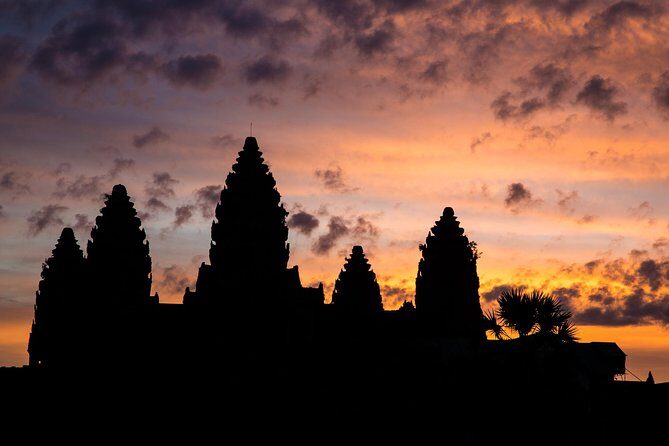
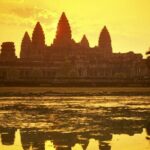
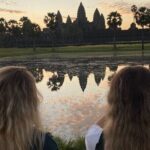
Angkor is big. Really big. The quiet truth is that the difference between a good Angkor day and a special Angkor day often comes down to timing—and sunrise gives you first access to the main stage before the crowds fully arrive.
On this tour, you’re set up for that early light with an early pickup window. You’ll be picked up between 4:20am and 5:20am, and the start time is 4:30am. That means you’re not improvising transport at the last second or paying for a private driver just to beat the morning rush.
I also like that the tour doesn’t treat sunrise like a quick stop-and-go. You then get to explore the major temples with a guide, not just wander around with an audio app. That guidance can turn a “wow” into a “wait, I get it now.”
A few more Siem Reap tours and experiences worth a look

Price and logistics: what you’re really paying for
The tour price is $39 per person, and it usually gets booked about a month ahead. But the cost picture is incomplete until you plan for the National Park ticket ($37 per person, required).
So your realistic total is often around $76 per person before any extra spending like snacks or lunch. Is that still good value? For me, yes, because you’re also getting:
- Hotel pickup + drop-off
- An experienced English-speaking guide
- Transportation (tuk tuk for 1–2 people, minivan for larger groups)
- Cold bottled water
- A structured route across multiple high-demand sites
That’s a lot of service for one morning budget. The only “gotcha” is that sunrise tours are timing-driven. If you’re the type who hates early wake-ups, you’ll feel it. If you’re okay with it, you’ll likely think the money was well spent.
Pickup at 4:30am: the part that makes or breaks your comfort
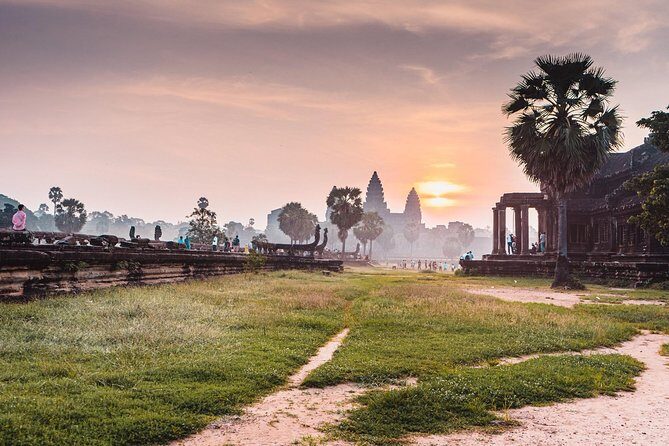
Early mornings sound heroic in ads. In real life, you want comfort and preparation.
Here’s what you should plan for:
- You’ll start extremely early, with pickup between 4:20am and 5:20am.
- The tour requires flashlight. You’ll be moving in low light.
- Mosquito spray is strongly suggested.
- You must follow the temple clothing rule: only trousers or a knee-length skirt/dress.
- Wear comfortable walking shoes. This isn’t a “stand and admire” kind of outing.
One practical way to make the morning feel less painful: wear layers. Dawn can start cool, then warm up quickly. Also, keep your phone charged and your essentials easy to reach because you’ll be out and walking before you’re fully awake.
Stop 1: the first light at Angkor Archaeological Park
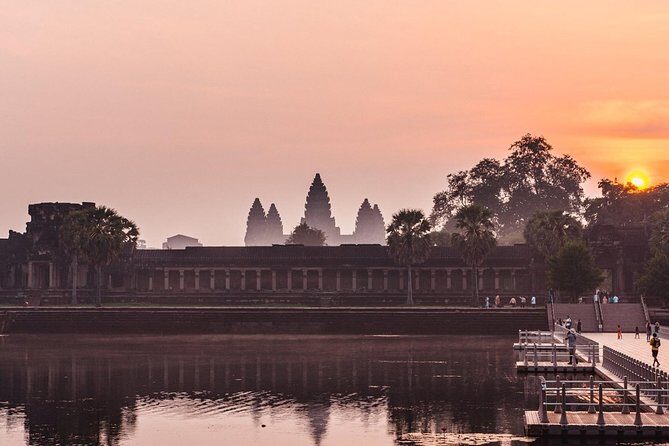
The tour begins with pickup and then you head toward the sunrise area at Angkor Archaeological Park (UNESCO World Heritage site). The day is structured around you being in the right place in time to catch the light and the calm before the main wave arrives.
At this stage, you’ll handle the required entrance (the National Park ticket is the big one you need to budget for). Once you’re in, you’re not stuck figuring out where to go first. That’s a huge deal at Angkor, where confusion is easy and time is tight.
What you’re looking for here is not only the view. It’s the atmosphere: the quiet before the temples turn into a busy backdrop. One strongly praised moment from past guests is the sense of peace while waiting for what sunrise will bring—when the site is still and the light is slow.
Stop 2: Angkor Wat (2 hours) and the core temple layout
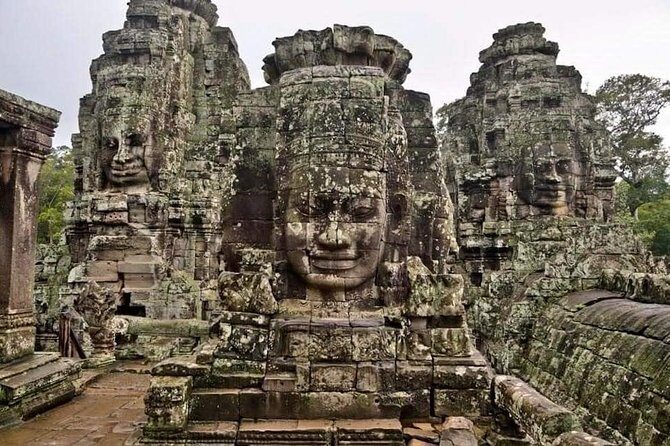
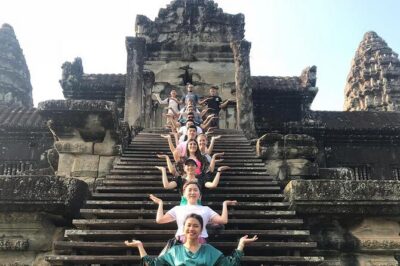
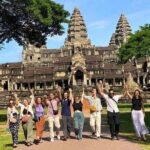
Angkor Wat is the headline. And the tour gives it real attention with about 2 hours on-site.
You’ll be walking through one of the most famous temple complexes in the world, built between 1113 and 1150 AD and dedicated to Vishnu, the Hindu god of preservation. Even if you don’t know the details, the scale hits immediately. The layout and symmetry are part of why this place feels so intentional—like the builders knew people would still be staring 900+ years later.
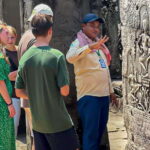
What the guide adds matters here. Without context, you tend to move fast and just point at the big stuff. With a guide, you get a clearer sense of what you’re seeing: how the design relates to the religious purpose, and why this temple is considered the best preserved of Angkor’s major monuments.
A small practical note: plan for photo time, but also plan to pause. Sunrise conditions can be fleeting. The light shifts quickly, and the best photos often happen when you step back for a minute and stop chasing the perfect angle.

Stop 3: Angkor Thom South Gate (45 minutes) and the walls’ sheer scale
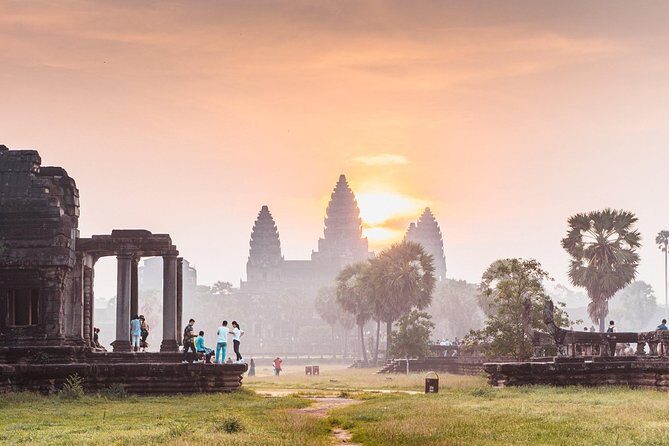
After Angkor Wat, you move into the Angkor Thom complex. The stop here is the South Gate, with about 45 minutes allocated.
This gate sits within the larger fortified area, where the walls are described as massive: around 6 meters wide, 8 meters high, and stretching 13 kilometers in length. Those numbers can sound abstract until you’re looking at them. It’s one of those moments where the architecture tells you this was built for defense, order, and authority—not just ceremony.
Inside the walls, the temple city included the king, relatives, officials, military officers, and priests. That helps you read the site differently. You’re not just looking at stones and carvings. You’re stepping into the outline of a whole political and religious system.
At 45 minutes, you’ll get a taste. You won’t have time to “live” there for hours, so focus on the gate itself and the transitions into the complex.
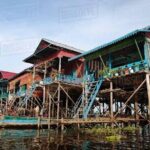
Stop 4: Bayon Temple (50 minutes) and the 200 smiling faces
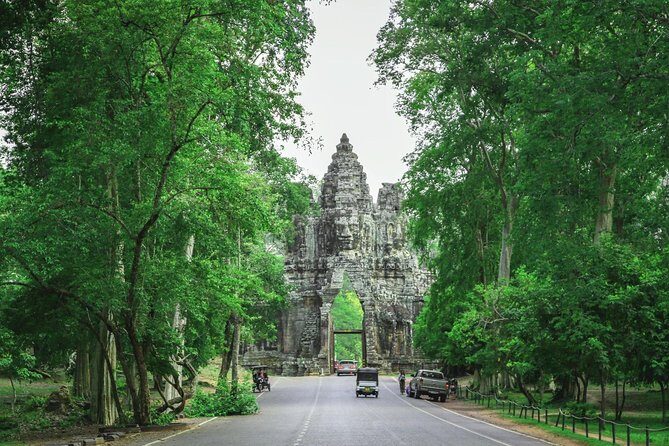
Next comes Bayon Temple inside Angkor Thom, with about 50 minutes.
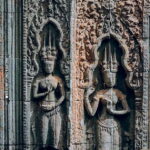
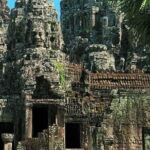
The signature feature is the face towers—described as having 200 endless smiling faces. You’ll see why the place has such a distinctive reputation. The faces feel like they’re watching you from multiple angles, even as you move around the towers. It’s eerie in a fascinating way, like the stones don’t just look back—they follow your path.
This stop also helps you understand the “why” of Angkor Thom’s layout. Bayon sits centrally within the city area, and having a guide helps connect the dots between what’s positioned where and what that meant.
A practical tip: if you want photos without bottlenecks, stand slightly off to the side and let people flow. Bayon draws attention fast, and good angles can come from simply waiting for the crowd to shift.
Stop 5: Ta Prohm (about 1 hour) and the ruins with room to breathe
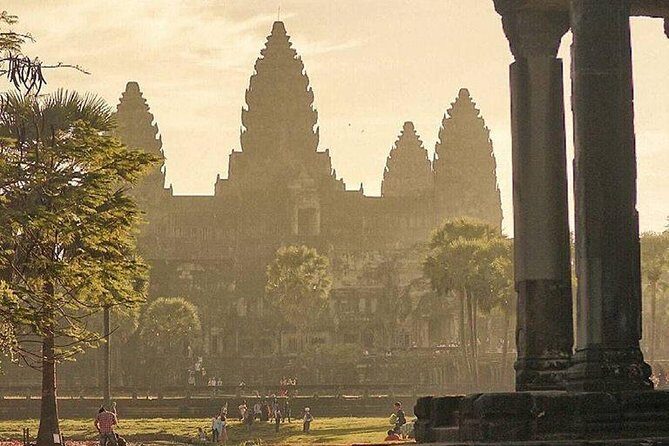
Then you end with Ta Prohm, allocated about 1 hour.
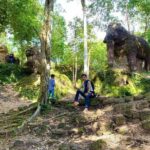
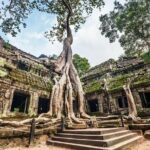
Ta Prohm was built by King Jayavarman VII as a residence for his mother, and it also served as a school. That matters because it’s not just about “cool trees growing on temples.” It’s about a place that once had function—education, residence, daily life—within a sacred setting.
The tour description also notes Ta Prohm was left to the destructive power of time, which is why it looks the way it does today. You’ll be seeing a ruin that has been shaped by time rather than restored into a perfectly polished museum scene.
If you love atmospheric ruins—places where the structure feels fragile and alive rather than staged—this is often the kind of final stop that makes the day stick in your memory.
The small-group feel: why max 15 actually changes your day
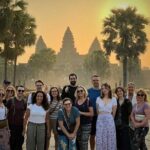
Capped at 15 travelers, this doesn’t feel like a bus tour. It’s more like a group walk with a shared mission: see sunrise, then hit the big temples with enough time to notice things.
That size matters at Angkor because crowds can turn slow walking into stop-and-start frustration. With fewer people, you can:
- keep a steadier pace
- hear the guide better
- spend a little longer on the most interesting spots
- get your questions answered without shouting across a crowd
And the guide side is not an afterthought. A guide named Nak came up in past experiences for enthusiastic storytelling. That kind of energy can turn a temple visit into something you remember for the reasons behind the carvings, not just the carvings themselves.
What to bring for sunrise comfort (so you’re not miserable)
This is one of those tours where being prepared is the difference between enjoying the day and counting minutes.
Bring:
- Flashlight (required)
- Mosquito spray
- Trousers or a knee-length skirt/dress
- Comfortable walking shoes
- A small layer for early morning (dawn can feel chilly)
Since food and drinks aren’t included unless specified, plan to manage your energy. You’ll have water during the tour, but the day is long enough that it’s smart to think about how you’ll handle hunger later. If you’re someone who crashes without food, consider whether you need a light snack strategy before or after.
Timing issues: what can affect the sunrise moment
This tour is built around sunrise. That means it’s sensitive to real-world factors: cloud cover and schedule shifts.
If the sky is cloudy, sunrise can be less dramatic. One disappointment mentioned an early arrival that still found the sky already bright, which reduced the classic “spectacle” feel. Weather and exact timing are outside anyone’s control.
The upside: even when the perfect red-orange show doesn’t happen, sunrise still brings a benefit—quiet. One set of feedback highlighted how peaceful and calm it was while waiting, and how that mood made the temple exploration feel almost surreal.
So keep your expectations flexible. Aim for the experience, not only the photo.
Should you book the Angkor Wat sunrise tour?
If you want a straightforward Angkor plan with hotel pickup, a real guide, and a small group (15 max), I think this is a smart choice. It’s especially appealing if:
- you hate the stress of early-morning transport
- you want the temples explained, not just visited
- you’d rather spend time seeing than negotiating chaos
If you’re very sensitive to early wake-ups or you’re chasing only the dramatic sunrise spectacle, you should know that weather and timing can change the vibe. Still, the structure, the guide, and the early access make it a solid value.
For most people going to Siem Reap for the first time, this is one of the best ways to do Angkor without turning your day into logistics. Book it with the park ticket budget in mind, dress correctly, pack your flashlight, and you’ll be set for one of Cambodia’s most memorable mornings.
FAQ
What time does the tour start?
The start time is 4:30am, and hotel pickup is scheduled between 4:20am and 5:20am.
How many people are on the tour?
The tour has a maximum of 15 travelers, keeping it small-group.
What’s included in the tour price?
Hotel pickup and drop-off, an experienced English-speaking guide, transportation (tuk tuk for 1–2 pax and minivan for more), and cold bottled water during tours are included.
Do I need to buy entrance tickets?
Yes. The National Park ticket is required and is listed as 37USD per person. Angkor Wat and other temple stops have tickets not included.
How long is the tour?
It runs about 6 to 7 hours (approx.).
What should I wear or bring for the temples?
Flashlight is needed, mosquito spray is recommended, and you must wear trousers or a knee-length skirt/dress. Comfortable walking shoes are recommended.
What is the minimum age?
The minimum age is 4 years, and children must be accompanied by an adult.
What if plans change and I need to cancel?
You can cancel for free up to 24 hours before the experience’s start time for a full refund. If you cancel less than 24 hours before, the amount paid is not refunded.