REVIEW · PHNOM PENH
8 Days Private Guide Tour Phnom Penh to Battambang & Siem Reap
Book on Viator →Operated by Global Travel & Tours Asia · Bookable on Viator
Cambodia hits hard, then surprises you. This private 8-day route links Phnom Penh and Angkor with quieter countryside detours, so you get the story and the scenery. You’ll also stay in boutique hotels along the way, which matters because travel days can feel long.
I like two things a lot: the trip stays truly private (no mixing with other guests), and it pairs big, emotional history with hands-on local experiences. It’s the kind of setup where a guide such as Kim and a company owner like Mr Ann (praised for responsiveness) can shift pace when a moment feels heavy or when you want more time to ask questions.
One consideration: the schedule is packed, and you’ll have long road stretches, including the drive from Phnom Penh to Battambang. If you’re sensitive to early starts or car time, plan to bring layers, water, and a bit of patience.
In This Review
- Key Highlights I’d Prioritize
- First Evening in Phnom Penh: Boutique comfort and a Mekong horizon
- Tuol Sleng and Choeung Ek: Visiting genocide sites with clear expectations
- Royal Palace, National Museum, Wat Phnom, and the Mekong cruise: Culture without feeling rushed
- Overland to Battambang via Kompong Luong: The best kind of detour
- Battambang by Bamboo Train, Phare Ponleu Selpak, and Phnom Sampeau
- From Battambang to Siem Reap: Banteay Chhmar and silk work in Puok
- Angkor Thom, Bayon, Ta Prohm, and sunset Angkor Wat: The best flow for day 6
- Beng Mealea and Koh Ker: When Angkor stops being predictable
- Banteay Srei, landmines education, and Kompong Phluk by boat and ox-cart
- Price and value: What $1,676.93 buys you here
- Who This Private Tour Suits (and who should skip it)
- Should You Book This Phnom Penh to Siem Reap Private Route?
- FAQ
- Is this tour private, or do I join other people?
- What are the included hotels in Phnom Penh, Battambang, and Siem Reap?
- Does the trip include Angkor temple tickets?
- Is pickup or airport transfer included?
- Are meals included?
- Which major sites are included in Phnom Penh and Siem Reap?
Key Highlights I’d Prioritize
- Private throughout: You travel with your own guide and driver, not a mixed group.
- Heavy sites done properly: Choeung Ek and Tuol Sleng are included with museum time built in.
- Real village life: Kompong Luong and Kompong Phluk are about living on the water, not just sightseeing.
- Angkor, plus less-visited ruins: Beng Mealea and Koh Ker add that off-grid feeling.
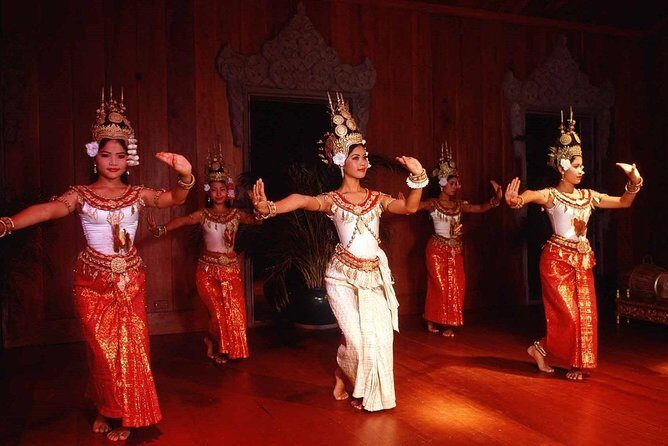
- Support-minded stops: Phare Ponleu Selpak brings you into arts training for youth.
- Boutique hotel base: iRoHa Garden Hotel, Maisons Wat Kor, and Golden Temple Hotel keep evenings comfortable.
First Evening in Phnom Penh: Boutique comfort and a Mekong horizon
Your tour starts at Pochentong Airport in Phnom Penh, with a meet-up time of 9:30am. After you clear immigration and customs, you’re met outside the airport to make the first leg easy, then you’re privately driven to your hotel.
I like that the first evening is intentionally flexible. You’re in the city that used to feel cosmopolitan and colonial, and even with all Cambodia’s turbulence, you can still sense older architecture and river energy. Your day ends with time to unpack, grab something simple to eat, and reset.
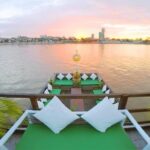
Then there’s the sunset cruise on the Mekong and Tonle Sap rivers. Even if you’ve done other cruises in Southeast Asia, this one works because it passes floating villages and shifting skyline views. It’s a gentle way to get your bearings after a travel day, and it also gives you a mental map of where the city’s life is anchored.
You can also read our reviews of more guided tours in Phnom Penh
Tuol Sleng and Choeung Ek: Visiting genocide sites with clear expectations
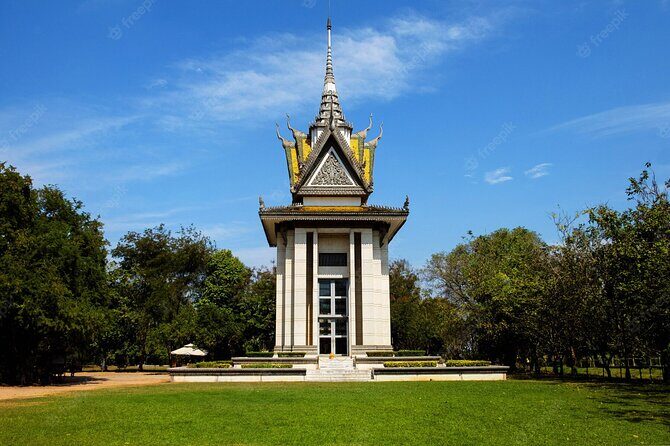
Day 2 is emotionally intense, built around two key stops: Choeung Ek Genocidal Center (the Killing Fields) and Tuol Sleng Genocide Museum (S-21). These are not light attractions, and the tour doesn’t treat them like a checklist.
At Choeung Ek, you see the memorial stupa with skulls arranged by sex and age behind glass panels, plus the broader context of how prisoners were moved from S-21 to this extermination site. The descriptions can be hard to read, and the physical reality is heavier still.
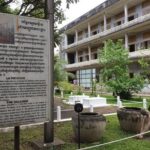
Then Tuol Sleng Museum shows the detention and torture system, with photographs covering the walls from floor to ceiling and the evidence of mass imprisonment. It’s one of those places where your brain keeps trying to switch to tourist mode, and the tour timing helps you stay present.
Practical advice: give yourself a quiet moment after each museum. If you can, avoid stacking too much shopping right after—this day already has a long sequence. Also, wear clothing that you can tolerate for long indoor stretches.
Royal Palace, National Museum, Wat Phnom, and the Mekong cruise: Culture without feeling rushed
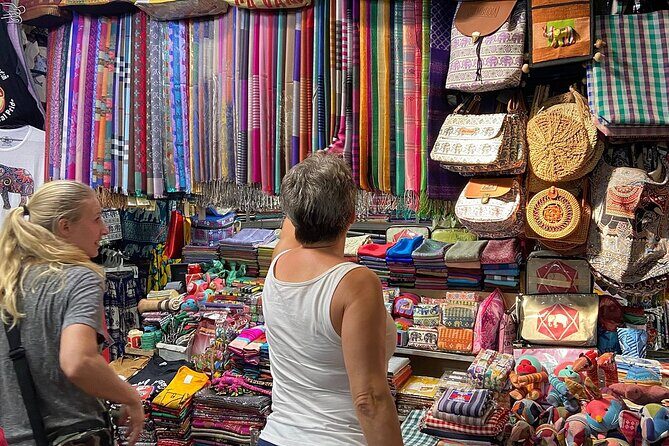
After the memorial sites, the tour shifts gears into Phnom Penh’s cultural core, which I find a smart balancing act. You start with the Russian Market, a classic outdoor market for antiques, silver and gold jewelry, gems, silk items, kramas, and carved goods. It’s easy to browse without needing to buy.
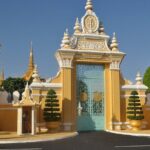
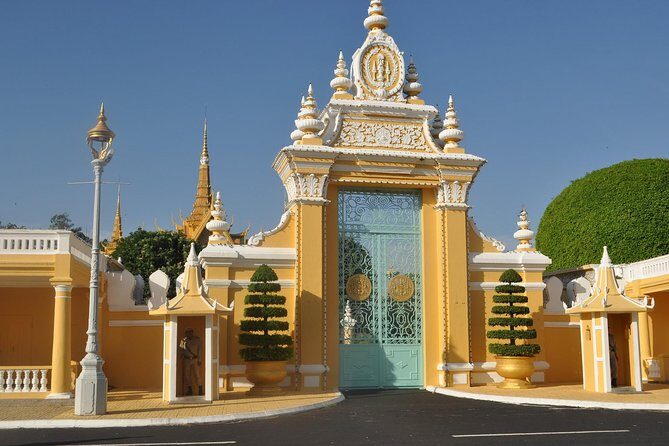
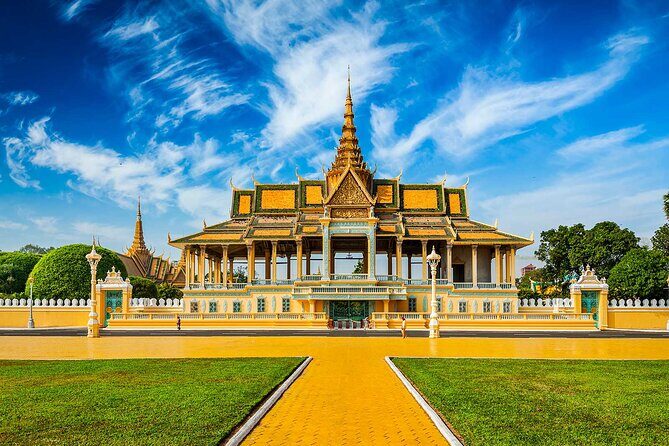
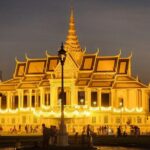
Then you visit the Royal Palace compound, built in 1866. You’ll see multiple pagoda-style structures and spend time at the Silver Pagoda, famous for its floor made from 5,000 silver tiles. There are also notable Buddha statues, including one described as encrusted with diamonds.
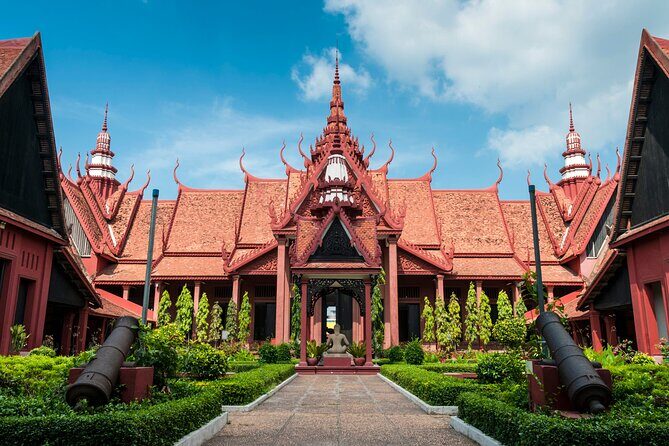
Next comes the National Museum, built in 1917. It’s devoted to Khmer art and sculptures, spanning both pre- and post-Angkorian pieces. If you want your Angkor days later to land harder, this is a helpful bridge.
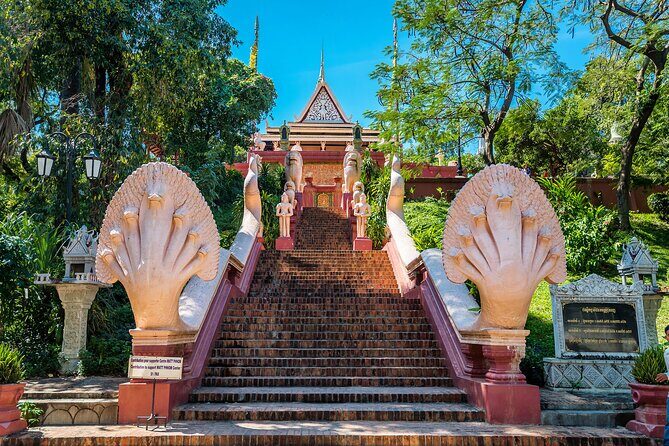
You finish at Wat Phnom, founded in 1373, then take the Mekong river sunset cruise. The day moves fast, but the stops cover different sides of Phnom Penh: markets, royal architecture, museum learning, and a spiritual landmark.
One note: this is still a full day. Keep your phone charged and bring a small umbrella or light rain layer if weather is unpredictable.
Overland to Battambang via Kompong Luong: The best kind of detour
Day 3 is where the trip becomes more than Phnom Penh and temples. You drive from Phnom Penh to Battambang (about 290 km, roughly 4 to 5 hours). You also stop in Kompong Chhnang for a silversmith and pottery village look, then continue through Krakor area to reach the floating town of Kompong Luong on Tonle Sap Lake.
Kompong Luong is the kind of place where you learn how daily life changes when water is part of the address. Schools, clinics, shops, and even a petrol station are described as floating. You explore by boat, which makes it feel less like you’re viewing buildings and more like you’re sharing space with how communities actually function.
After lunch, you head to Pursat for stone carving, then continue onward to Battambang. That sequence matters: you’re not stuck in a single “tour zone.” You see craftsmanship and then real water-based living before reaching the more relaxed tempo of Battambang.
If you get motion-sick, bring what you need. Overland travel is part of the value here—you’re trading flight time for real geography.
Battambang by Bamboo Train, Phare Ponleu Selpak, and Phnom Sampeau
Battambang is often described as quirky, and that’s fair. It has riverside energy and colonial-looking architecture, and the tour gives you time to wander on your own after you check in.
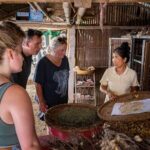
Your full day begins with Wat Ek Phnom and nearby stops. You travel along the Sangker River, visit Wat Slaket, and see a Khmer Ancient House. There’s also a stop for rice paper production used for spring rolls. This is the kind of “small but useful” stop that helps you understand local food systems.
Then comes the famous Bamboo Train ride. The description is simple: a bamboo platform on four wheels with a small motor, created by villagers to transport goods. You travel about 8 km through rice paddies to the next village, then visit a workshop specializing in wooden sculpture. It’s not a theme-park ride; it’s a working-feeling route through countryside.
In the afternoon you visit Phare Ponleu Selpak, a center supporting around 30 orphans and trafficking victims and schooling more than 1,200 pupils. It’s focused on visual arts, music, circus, drama, and dance for leisure or vocational training. This stop adds heart to the day, and it also helps you see Battambang as a place where education and creativity have real traction.
Finally, you head to Phnom Sampeau, a limestone hill with dramatic cliffs, pagodas, caves, and a carved Buddha’s head. The route to the top includes a cave tied to Khmer Rouge-era killings, with bones still remaining. The scenery is impressive, but the message is grim, so give it respect and time.
You can also read our reviews of more private tours in Phnom Penh


From Battambang to Siem Reap: Banteay Chhmar and silk work in Puok
Day 5 shifts gears with a countryside route that pushes beyond the Angkor headline. First you travel to Banteay Chhmar, a 12th-century temple complex described as peacefully resting in the forest. It’s presented as a more intimate experience than more famous temple crowds, and you explore on foot with a community visit along the way.
You also get a picnic lunch near a west gallery bas relief, noted for Khmer craftsmanship. That matters because Banteay Chhmar isn’t just about standing and taking photos. The tour gives you time to feel the scale of carvings and the walkable ruins.
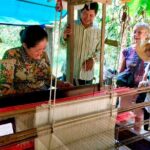
Next you drive to Puok to visit a silk farm. You learn stages of producing handmade silk: mulberry trees, silk worm breeding, silk dyeing, and weaving. Even if you’re not buying anything, you’ll come away with a clearer sense of what silk production actually requires.
Then you transfer to Siem Reap and get the evening free. This is good timing. Your Angkor days start early and run long, so an unstructured evening is a practical gift.
Angkor Thom, Bayon, Ta Prohm, and sunset Angkor Wat: The best flow for day 6
Siem Reap is all about Angkor, and day 6 hits the classic anchor points first thing. You start with Angkor Thom’s South Gate. From there you move into the walled city built under Jayavarman VII, and the scale is the point. You’ll also see the bridge depicting the Churning of the Ocean of Milk from Hindu mythology, with devas and asuras playing tug-of-war with a naga.
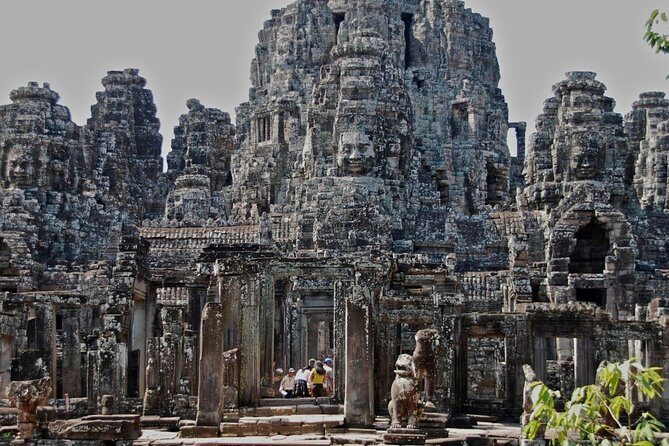
The next stop is Bayon Temple, famous for faces on towers. The tour frames it as an expressive statement by Jayavarman VII, with 54 towers topped by Avalokiteshvara faces. It can feel slightly surreal—like the temple is watching you back.
You continue to Baphuon, Terrace of the Elephants, Terrace of the Leper King, and Phimeanakas. The terraces and towers are smaller than Angkor Wat’s main stage, but they’re often where details pop: symbolic spaces for viewing, ceremonial functions, and how different styles fit into the same city.
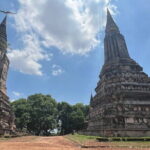
Then you go to Ta Prohm, which is one of the most atmospheric temples in the system. Archaeologists left parts more exposed to show nature’s power here—giant trees growing out of stone structures. The vibe can be very cinematic, but it’s also a real reminder of how quickly time returns when maintenance stops.
Late in the day you visit Angkor Wat for late afternoon and sunset hours. Angkor Wat is described as the largest and breathtaking monument at Angkor, built as a funeral temple for Suryavarman II. Your guide discusses sunset spots, which is a practical advantage—timing and positioning are everything here.
Beng Mealea and Koh Ker: When Angkor stops being predictable
Day 7 is the payoff for people who’ve seen the postcards and want more. You travel to Beng Mealea, described as the lost temple of Angkor consumed by forest. It’s tied to Suryavarman II, and it’s offered as mirror-like to Angkor Wat but with a totally different feeling because nature has taken over the lines and spaces.
This is also where you can get a true Indiana Jones-style exploration (without turning it into something reckless). You’ll be able to clamber around and feel the confusion of scale that makes lost ruins so compelling—big enough to wander, broken enough to lose the map.
Then you head to Koh Ker, a remote Angkorian capital site in northern Cambodia, about 70 miles northeast of Siem Reap. It was briefly the Khmer empire’s capital between 928 and 944 under Jayavarman IV and Hasavarman II. The center of attention is Prasat Thom, a temple-mountain rising about 30 meters above the plain and surrounding forest.
This day works because it changes the rhythm. Angkor Wat and Ta Prohm can feel like a single stage show. Beng Mealea and Koh Ker feel like you’re stepping into older layers of the story where you don’t have to fight crowds for quiet.
Banteay Srei, landmines education, and Kompong Phluk by boat and ox-cart
Day 8 starts with Banteay Srei, a pink sandstone temple from the 10th century dedicated to Shiva. The tour points out the famous fine sculptures, lintels, and friezes, including the lore that the detail may have come from women, giving the Khmer name Fortress of the Women. The scale may be smaller than the big-city temples, but the craftsmanship is the focus.
Next comes a short stop at the Cambodia Landmine Museum. It’s described as a humble look at the land mine problem, past and present. This is brief, but it’s an important context stop that keeps your visit grounded in why “hidden dangers” have affected access to land.
Then you travel to Kompong Phluk. You take an ox-cart ride through villages and rice fields, then have a fresh coconut drink with the family and get time to talk. After that you board a private boat and visit Kompong Pluk village with houses standing on stilts, then ride a pirogue through the seasonally flooded forest.
This is the kind of ending that feels different from a standard temple day. It’s not a museum, and it’s not a shopping spree. It’s about seeing how life adjusts when the ground itself changes.
The afternoon stays flexible, and you’ll have transfer to the airport in time for your flight onward.
Price and value: What $1,676.93 buys you here
At $1,676.93 per person for an 8-day private experience, this isn’t a budget tour. The value comes from three areas:
First, you get private transportation and a professional licensed English-speaking guide for the full run of days, including long overland segments. That’s a big cost driver in Cambodia, and sharing those resources with other groups usually reduces the price—this one avoids that tradeoff.
Second, entrance fees are largely covered. You’re paying for admissions like the Royal Palace and National Museum in Phnom Penh, both genocide memorials, Wat Phnom, and the Angkor Archaeological Park three-day ticket. You also have admissions for Beng Mealea, Koh Ker, and the land mine museum stop, plus other temple entries listed in the program.
Third, your hotel base is included for all nights: iRoHa Garden Hotel in Phnom Penh (2 nights), Maisons Wat Kor in Battambang (2 nights), and Golden Temple Hotel (Deluxe room) in Siem Reap (3 nights) or similar. When you’re doing this many transitions, solid sleep matters.
A small practical point: the tour includes 02 bottles of mineral water per person during sightseeing and transfers. For midday walking and temple heat, it helps to have a plan for extra water beyond that if you’re a frequent drinker.
Who This Private Tour Suits (and who should skip it)
This tour fits best if you want a private pacing style and you care about both history and local life. It’s especially good for couples and small groups because the itinerary is heavy on emotional sites and long days, and having your own guide helps keep the experience thoughtful rather than mechanical.
You may want to reconsider if you dislike intense subjects. Choeung Ek and Tuol Sleng are central here, and they’re not brief or sanitized.
If your idea of travel is “only monuments, no context,” you’ll still see major temples, but the schedule spends time on markets, museums, silk work, floating communities, and education-oriented stops. That’s the point. It turns Cambodia from a photo run into a lived-in story.
Should You Book This Phnom Penh to Siem Reap Private Route?
I’d book it if you want Angkor plus a real sense of how Cambodia works beyond the temple map. The best reason: the trip balances three kinds of travel—learning (genocide sites and museum learning), craftsmanship and culture (palace, carving, silk), and lived geography (floating towns, ox-cart ride, boat and pirogue).
If you’re going to be in Cambodia soon and you like thoughtful guides and clear scheduling, this is a strong match. Just go in with the right mindset for day 2, and you’ll get a trip that feels serious, human, and surprisingly varied.
FAQ
Is this tour private, or do I join other people?
This is a private tour. Only your group participates, and you will not be put together with other guests.
What are the included hotels in Phnom Penh, Battambang, and Siem Reap?
You stay for 2 nights at iRoHa Garden Hotel in Phnom Penh, 2 nights at Maisons Wat Kor in Battambang, and 3 nights at Golden Temple Hotel (Deluxe room) in Siem Reap or similar.
Does the trip include Angkor temple tickets?
Yes. The tour includes admission for the temples in the Angkor Archaeological Park with a three-day ticket.
Is pickup or airport transfer included?
You meet at Pochentong Airport in Phnom Penh (start time 9:30am), and you are privately transferred from the airport to your hotel on arrival. At the end, you also have transfer to the airport in time for your flight.
Are meals included?
Breakfast is included for 7 days, and lunch is included for 3 lunches. Drinks during meals are not included.
Which major sites are included in Phnom Penh and Siem Reap?
In Phnom Penh you visit Choeung Ek Genocidal Center, Tuol Sleng Genocide Museum, the Royal Palace, the National Museum, Wat Phnom, and take a Mekong/Tonle Sap sunset cruise. In Siem Reap you visit Angkor Thom, Bayon, Ta Prohm, Angkor Wat, plus Beng Mealea and Koh Ker, and finish with Banteay Srei and Kompong Phluk.