REVIEW · SIEM REAP
Two-days tour discovering Angkor Wat and Floating Village
Book on Viator →Operated by Angkor Wat Travel Tour · Bookable on Viator
Two days, and you get the key Angkor hits. This tour strings together the big-name temples around Siem Reap with an Angkor Wat sunset finish, plus a real look at life on the lake at Kompong Phluk. I like that the days are built around what you came for, not around figuring out transport.
I especially like the air-conditioned vehicle and the English-speaking guide, which keeps temple time focused and less stressful. I also liked the mix: Angkor’s carved stone masterpieces on Day 1, then lake life, a museum stop, and a stone-carving try on Day 2. The guide for this trip is named Sen, and the experience is known for being smooth and upbeat with the driver.
One consideration: entrance tickets and meals are not included, so you’ll want to budget for that before you go. Also, it’s a full two-day schedule, so if you hate walking on uneven temple ground, plan accordingly.
In This Review
- Key Points You’ll Actually Care About
- Day One: Angkor Thom, Ta Prohm, Banteay Kdei, and the Angkor Wat Sunset
- Day Two: Kompong Phluk Floating Village, Angkor National Museum, and Stone Carving
- Price and Logistics: What $92 Gets You—and What It Doesn’t
- The Stops That Make the Story Click (Not Just the Checklist)
- Timing, Comfort, and How to Avoid Common Temple-Day Friction
- Who This Tour Suits Best (and Who Should Rethink It)
- Should You Book This Two-Day Angkor Wat and Floating Village Tour?
- FAQ
- What time does the tour start?
- Is pickup included?
- What’s included in the price?
- Are entrance tickets included?
- Are meals included?
- How long is the tour?
- What are the main stops on Day 1?
- What are the main stops on Day 2?
- Is this tour private?
- Can children join?
- Do I get a mobile ticket?
Key Points You’ll Actually Care About
- Angkor Wat sunset is built into the Day 1 pacing, not left to chance
- AC transport plus cold water and towels helps you stay comfortable between sites
- English guide keeps the story straight while you move through major ruins
- Kompong Phluk floating village shows stilt houses and lake livelihoods firsthand
- Angkor National Museum adds context between temple mornings and lake afternoons
- Stone carving workshop gives you a hands-on souvenir you can take home
Day One: Angkor Thom, Ta Prohm, Banteay Kdei, and the Angkor Wat Sunset
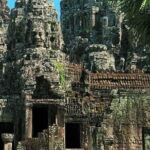
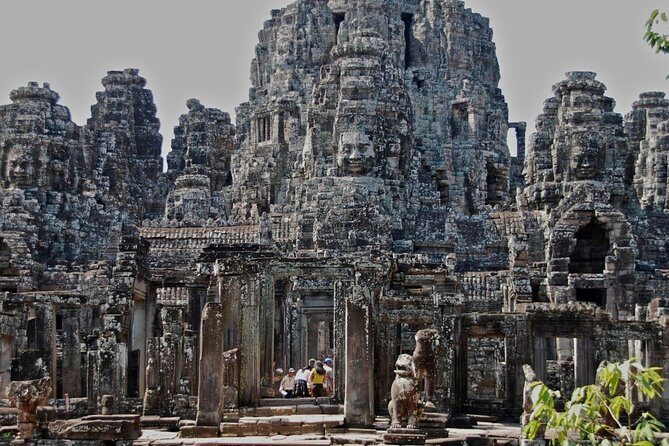
Day 1 starts with Angkor Thom, beginning at the south gate and then moving into the Angkor Thom complex. This is where you see the Bayon Temple’s famous face towers—54 towers and 216 faces linked to Avalokesvara—so you get that instantly recognizable Angkor style right away. It’s a smart opener because it sets the visual theme before you start getting surrounded by trees and ruin textures.
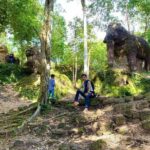
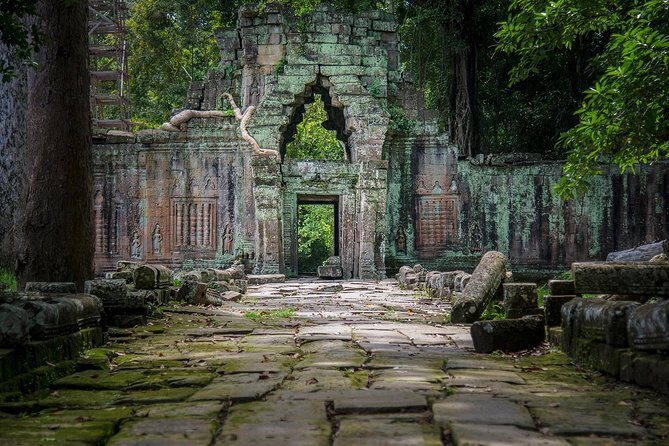
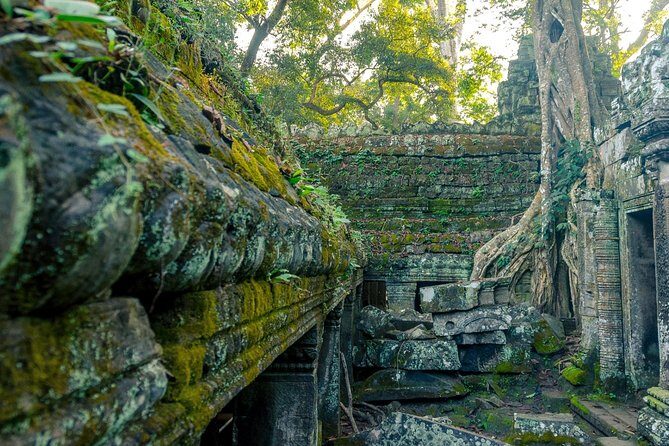
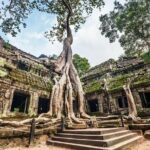
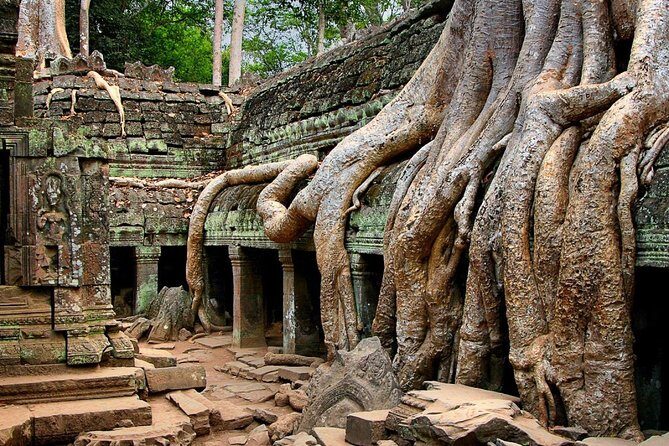
Next up is Ta Prohm, the so-called jungle or tree temple. Here, the draw is obvious once you’re standing there: huge roots wrap around the stones, turning the structure into a meeting point of architecture and nature. The stop runs about 2 hours, which is enough time to look closely, take photos, and still have energy for what comes next.
After that, you head to Banteay Kdei. This temple was built under King Jayavarman VII in the late 12th century, and the guide’s commentary typically helps you place it in the larger Angkor timeline while you walk through the complex. Expect about 1 hour here—long enough for the key features without letting the day drag.
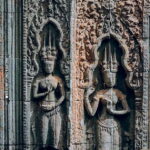
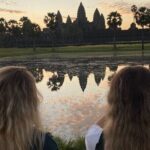
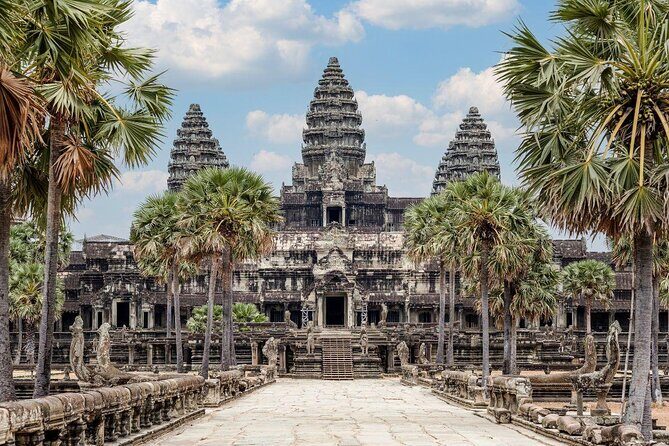
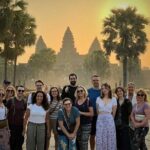
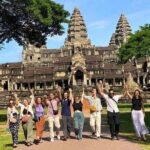
Then comes the main event: Angkor Wat. You get about 3 hours at this World Heritage Site, and the day ends with the sunset over the temple. That sunset finish matters because it changes how you read Angkor Wat’s shapes and details; the light angle makes the carvings and architecture feel sharper, and the whole site looks different from a mid-day visit. If you’ve only ever seen Angkor Wat in photos, this is the moment you understand why it’s the headline.
Practical trade-off: Day 1 is temple-heavy. If you want slower sightseeing with lots of downtime, you’ll want to keep your expectations realistic—this is designed to help you see major sites efficiently while staying comfortable in the car.
You can also read our reviews of more tours and experiences in Siem Reap.
Day Two: Kompong Phluk Floating Village, Angkor National Museum, and Stone Carving
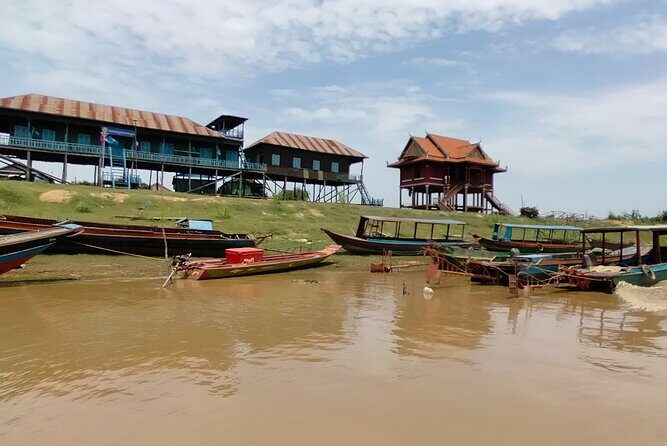
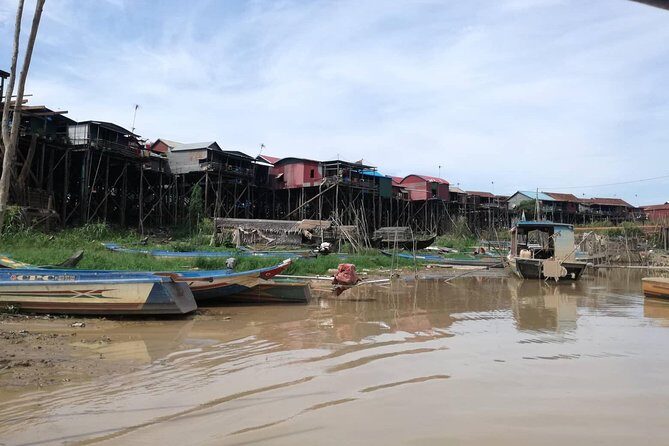
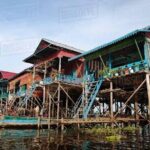
Day 2 shifts from temple stones to water life at Kompong Phluk, about 30 km from Siem Reap. This is a floating village on Southeast Asia’s largest freshwater lake system, where you’ll see traditional Khmer stilt houses and how livelihoods work on the water. The stop runs about 4 hours, so you’re not rushed through the highlights.
What makes Kompong Phluk worthwhile is that it’s not just scenery. You get a look at a floating hospital, fishery life, and the everyday routines that depend on the water levels and the raft-and-stilt setup. You also get natural context: the village is tied to the Tonle Sap lake region, so the experience helps you understand why this kind of housing makes sense here.
After the lake, you’ll head to the Angkor National Museum for about 1 hour. The museum is known for a large collection of Buddha statues and relics gathered into one gallery, which is a helpful reset after hours of temple walking. Even if you’re mostly an outdoor person, this stop can make the temples feel more meaningful because you get background on the objects and religious art linked to the ruins.
Then you finish with Artisans Angkor, also listed as Artisan D’Angkor, where a local NGO runs workshops for people from rural areas. You’ll enter the workshop and try your hand at stone carving, about 1 hour. This is a great place to spend time if you want a hands-on activity that turns into a personal souvenir rather than another photo.
Possible downside to note: Day 2 includes museum time and a workshop, not only more temples. If your top priority is maximizing Angkor ruins above all else, you might wish the day stayed temple-focused. But if you want the trip to feel complete and not one long sprint of sightseeing, this structure works.
Price and Logistics: What $92 Gets You—and What It Doesn’t
At $92 per person for about 2 days, the value comes from what’s included: an air-conditioned vehicle, an English tour guide, and cold water plus a cold towel. That combination sounds simple, but in Siem Reap’s heat it changes the trip. You’re spending most of your day moving between sites, so the comfort factor isn’t fluff.
You also get transport on both days, which matters more than it sounds. Angkor is spread out, and without included rides you’d be juggling timetables and vehicles on your own. This tour keeps your schedule coherent, so you can focus on the temples and the lake rather than solving logistics.
What’s not included is entrance ticket fees and meals (breakfast, lunch, dinner). So you should budget separately for those items. In practice, that means the sticker price is the base cost for guiding and transport, while the final spend depends on how many sites you enter and what you choose to eat.
The tour is private, meaning only your group participates, and there are also group discounts. It’s also built with a mobile ticket, and you receive confirmation at booking. If you travel with a small group and want things to feel organized without feeling like a big bus tour, this format tends to fit well.
The Stops That Make the Story Click (Not Just the Checklist)
A good Angkor plan is more than a list of famous places. It’s about how the sites connect as you move through them.
- Starting at Angkor Thom and Bayon gives you instant visual identity: the many-face towers linked to Avalokesvara set a distinct mood.
- Moving to Ta Prohm shifts the experience into something more surreal, where the trees almost take over the architecture.
- Banteay Kdei bridges you into the Jayavarman VII era and shows how different parts of the Angkor landscape carry different styles and purposes.
- Ending at Angkor Wat at sunset makes the day feel like a finished arc instead of scattered highlights.
Then the second day does a smart pivot. Kompong Phluk adds modern living context on the Tonle Sap lake area, which helps you see Cambodia as more than ruins. The museum stop brings you back into the art and religious artifacts side. The stone carving workshop gives your brain a break while your hands do something creative—useful when you’ve walked a lot.
One of the best signals from the experience quality is the guide’s effect on pace and mood. Sen and the driver are repeatedly described as easy to work with and upbeat, which is exactly what you want when you’re spending long stretches outside and moving between sites.
Timing, Comfort, and How to Avoid Common Temple-Day Friction
The tour start time is 8:30 am, so you’re getting an early launch. That’s a good thing for temple sightseeing because the light and heat are more manageable earlier in the day, and you’ll usually have fewer crowd headaches than later on.
The tour includes cold water and a cold towel, plus A/C rides. That matters because your energy is the limiting factor, not your curiosity. When you take heat and walking into account, comfort becomes part of the itinerary, not just a nice add-on.
Admission tickets are not included, so plan to handle that before you’re standing at a gate. If you’re the type who likes to stay spontaneous, you may still want a quick moment of discipline so the day doesn’t stall over ticket lines or payment confusion.
For your own packing brain, keep it simple:
- Wear shoes you trust on uneven surfaces.
- Bring sun protection and a small layer for cooler shaded areas.
- Carry your essentials in a bag you can keep close while you walk.
The tour itself is designed to keep you from getting stuck on transportation, but you’ll still be walking temple grounds. Prepare like you’re doing a mix of stairs, sand, and stone.
Who This Tour Suits Best (and Who Should Rethink It)
This is a strong fit if you want:
- Major Angkor highlights over two days without spending time arranging transport
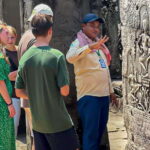
- An English-speaking guide who can explain what you’re seeing as you go
- A sunset moment at Angkor Wat rather than squeezing it in later
- A second day that adds Kompong Phluk, museum context, and a workshop activity
It’s also a good choice if you enjoy a guided pace. Because it’s private, you can usually benefit from a smoother flow through the day. And since the experience is known for being easy to connect with—Sen is the guide name you’ll likely hear—there’s less uncertainty in the lead-up.
Consider a different option if you:
- Only want Angkor temples and nothing else
- Want long sit-down breaks every hour
- Hate structured itineraries and prefer fully independent travel
This is not a slow, meander-at-will day. It’s a well-planned route meant to maximize meaningful time.
Should You Book This Two-Day Angkor Wat and Floating Village Tour?
Yes, if you want your first (or next) Siem Reap visit to feel organized and efficient without turning into a hurry-up photo raid. The biggest reason to book is the balance: major Angkor sites plus a real lake-life stop at Kompong Phluk, then museum context and a stone-carving hands-on moment.
Book it if:
- You care about comfort between ruins (A/C vehicle, cold water, cold towel)
- You want an English guide and included transport for both days
- You like the idea of ending with an Angkor Wat sunset
Pass or compare other options if:
- You want meals and entrance fees fully handled
- You’re looking for a very relaxed schedule
- You’d rather spend every minute inside temples than also do Kompong Phluk and the museum
If you can budget separately for entrance tickets and meals, this tour gives you strong value for a two-day format, and it’s the kind of plan that helps you leave Siem Reap with the feeling you actually understood the places, not just visited them.
FAQ
What time does the tour start?
The tour start time is 8:30 am.
Is pickup included?
Pickup is offered as part of the experience.
What’s included in the price?
Included items are an air-conditioned vehicle, an English tour guide, and cold water and a cold towel.
Are entrance tickets included?
No. All entrance ticket fees are not included.
Are meals included?
No. Breakfast, lunch, and dinner are not included.
How long is the tour?
The tour runs for 2 days (approximately).
What are the main stops on Day 1?
Day 1 includes Bayon Temple (inside Angkor Thom), Ta Prohm, Banteay Kdei, and Angkor Wat, with the day ending at Angkor Wat for sunset.
What are the main stops on Day 2?
Day 2 includes Kompong Phluk, the Angkor National Museum, and Artisans Angkor for stone carving.
Is this tour private?
Yes, it’s private. Only your group will participate.
Can children join?
Children must be accompanied by an adult.
Do I get a mobile ticket?
Yes, the tour features a mobile ticket, and you receive confirmation at booking.