REVIEW · PHNOM PENH
Phnom Penh Kampot Kep Tour “Pepper Farm, Salt Field, Crab Market”
Book on Viator →Operated by Cambodia Tourist Car · Bookable on Viator
Early starts, good stops, and seafood at the end. This Phnom Penh to Kampot and Kep day tour strings together Kampot pepper, Secret Lake, and a hands-on Kep crab market all in one long, air-conditioned ride. I especially like how the day mixes pretty French-era Kampot sights with working farms and markets, not just temples and viewpoints. The pepper stop at La Plantation is the kind of place where you actually learn what you’re eating, and the crab market turns dinner into an experience. One catch: it’s a long day and some parts can feel tiring, especially with the drive out to the cave area.
I also love that the day is built around a small group feel (max 12) and a calm, safe pace thanks to an English-speaking driver. You’ll be picked up early in Phnom Penh, transferred to Kampot, then worked through the sights before heading to Kep for beach photos and seafood. Just keep in mind that salt fields are only available during the dry season, so the timing of your trip matters.
In This Review
- Quick takeaways
- Why this Phnom Penh–Kampot–Kep day trip feels efficient
- Price and what you get for $89
- Getting started at 7:30: pickup, comfort, and small-group pacing
- Kampot arrival: Iron Bridge and the French-era riverside feel
- Phnom Chhngok Cave Temple: pre-Angkorian stop with a road reality
- Secret Lake (Brateak Krola): a man-made dam with deep weight
- La Plantation pepper farm: the learning part you’ll remember
- Salt fields depend on season: plan around the dry months
- Kep crab market: turn seafood into a full cultural stop
- Pace and logistics: how to make the most of the 8–10 hours
- Who this tour suits best
- Should you book this Phnom Penh Kampot Kep Pepper Farm Salt Fields Crab Market tour?
- FAQ
- What time does the tour start?
- How long is the tour?
- Is there an English-speaking guide the whole day?
- Are entrance fees included?
- Are the salt fields included year-round?
- Are meals included?
Quick takeaways
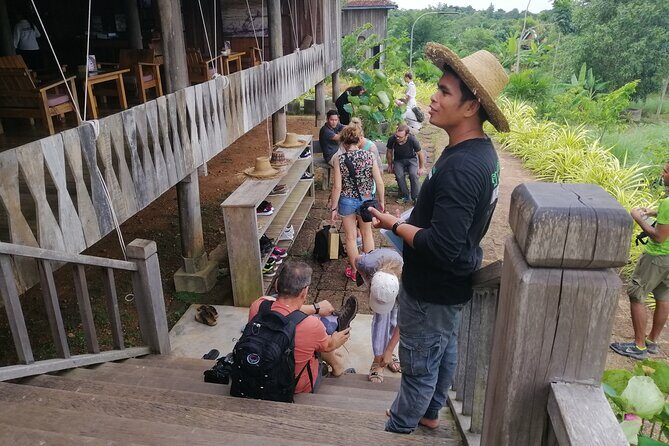
- La Plantation pepper farm gives you a real sense of how Kampot pepper is grown and processed
- Secret Lake (Brateak Krola) is a man-made dam with a heavy Khmer Rouge-era past
- Phnom Chhngok Cave Temple is a Pre-Angkorian stop that’s worth the effort
- Kep crab market is a food experience with bargaining and fresh catch watching
- Salt fields depend on season, so expect that stop only in the dry months
Why this Phnom Penh–Kampot–Kep day trip feels efficient
If you only have one day in Cambodia’s south, this route is one of the smarter ways to see more without bouncing around on your own. You trade planning headaches for a set flow: Phnom Penh pick-up, Kampot sights, pepper and salt, then Kep beach and the crab market.
What makes the whole day work is the balance. You get a classic colonial-era Kampot vibe (river views and French-era architecture) before you move into places tied to everyday local life: farming, salt production, fishing, and cooking. That mix is what makes it feel more authentic than a checklist of isolated stops.
You can also read our reviews of more shopping tours in Phnom Penh
Price and what you get for $89
At $89 per person, this tour isn’t cheap in Cambodian terms, but it does hold up for a full-day package. You’re paying for an air-conditioned vehicle, an English-speaking driver for the long transfers, bottled water, and entrance fees (with several stops charged free on the schedule).
The value improves if you care about not spending your day negotiating transport between multiple towns. The day includes a fairly chunky transfer from Phnom Penh to Kampot (about 160 km, around 3 hours), then continued driving through the Kampot and Kep area, and finally the return drop-off. That kind of routing is hard to recreate cheaply with a patchwork of tuk-tuks.
Also, the pepper farm part includes the one moment where you get a French or English-speaking guide specifically at La Plantation. That’s a big difference from “look around by yourself” farm tours. You’re more likely to leave with actual understanding instead of just photos.
Getting started at 7:30: pickup, comfort, and small-group pacing
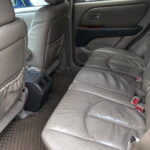
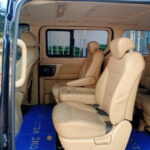
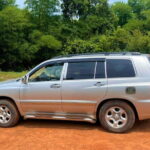
Your day starts early at 7:30 am. You’ll be picked up from your Phnom Penh hotel area and transferred by English-speaking driver in an air-conditioned vehicle. The car is part of the experience here, not just logistics; people who did the trip appreciated that it was spacious and comfortable.
The tour runs about 8 to 10 hours, so you’re looking at a full workday pace, not a slow sightseeing stroll. Group size is capped at 12 travelers, which usually means you get to move as a group without feeling like you’re in a giant bus tour. Depending on how many people book, you can sometimes end up with a smaller, even more private feel.
What I’d plan around: bring water back-up if you drink a lot. Bottled water is included, which is great, but the day moves through dry roads and outdoor stops, and it’s hot in this part of Cambodia.
Kampot arrival: Iron Bridge and the French-era riverside feel
Once you arrive in Kampot town, the first hit is the Iron Bridge that crosses the Kampot River. It’s an older bridge tied to the French colonial era, so it’s not just scenery—it’s a reminder that Kampot’s history includes waves of outside influence.
Right after that, you’ll pass through and see old buildings in the town area. You’ll also get a taste of the river zone, where the light and layout make it easy to take quick photos and get your bearings before you head out to the countryside.
This early town portion works well because it wakes you up, but it doesn’t swallow the day. Even with the driving time, the schedule keeps things moving.
Phnom Chhngok Cave Temple: pre-Angkorian stop with a road reality
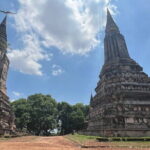
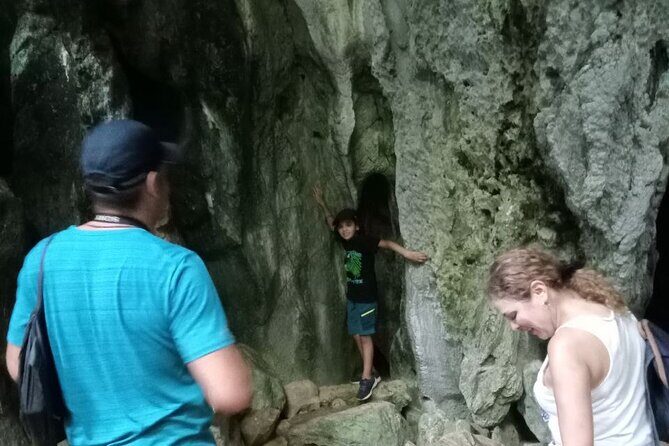
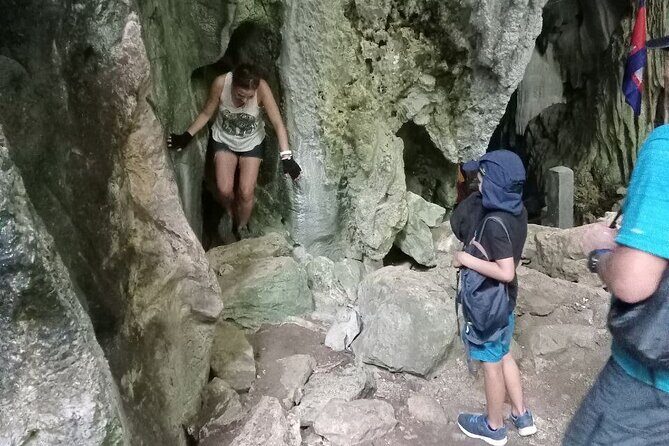
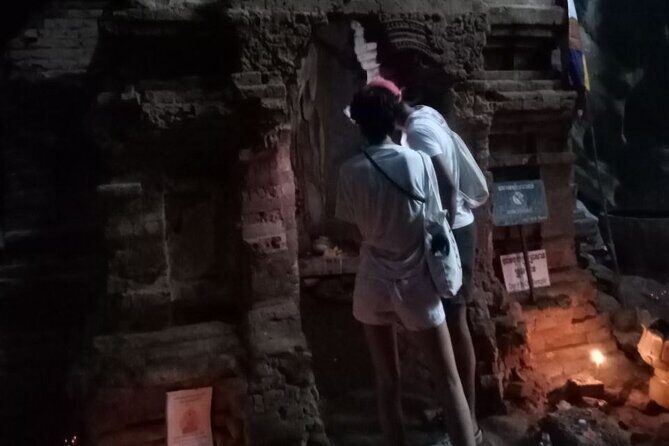
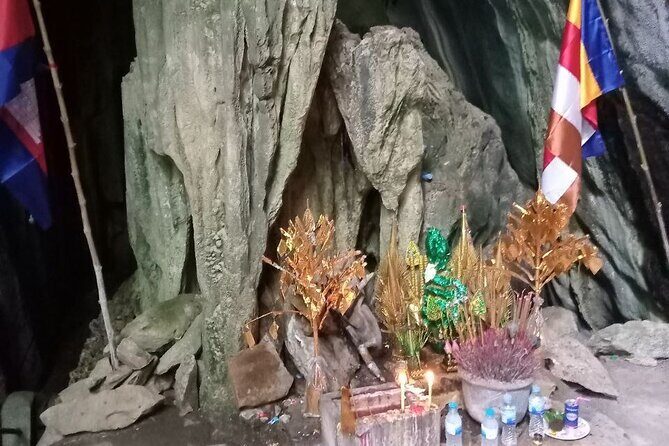
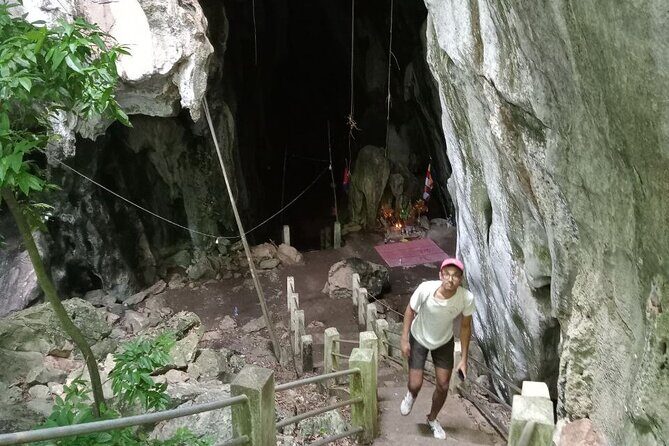
Phnom Chhngok Cave Temple is a Pre-Angkorian site, and that alone makes it interesting if you like seeing layers of Cambodia’s temple timeline. You’ll reach it by going off the main road onto a winding dirt road, and that’s the part to think about.
If you’re sensitive to rough rides or prefer minimal physical fatigue, this is worth considering. The temple stop itself is about the right length to be meaningful without dragging, but the approach can feel tiring.
Here’s how I’d look at it: you’re not just going to see a temple. You’re also getting countryside views on the way, which is part of why it’s fun. If you go prepared for the road, the temple becomes the payoff instead of the grind.
A few more Phnom Penh tours and experiences worth a look
Secret Lake (Brateak Krola): a man-made dam with deep weight
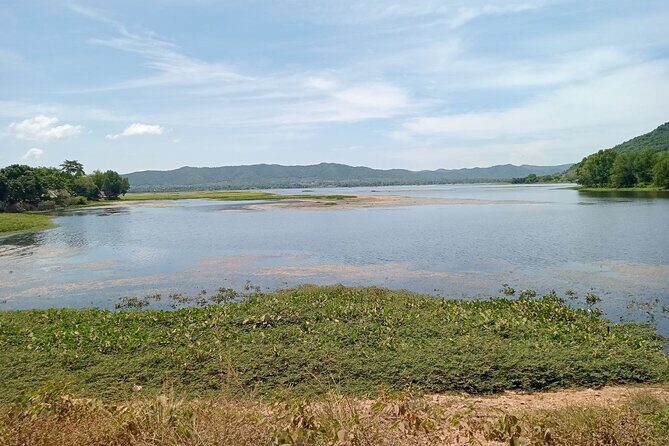
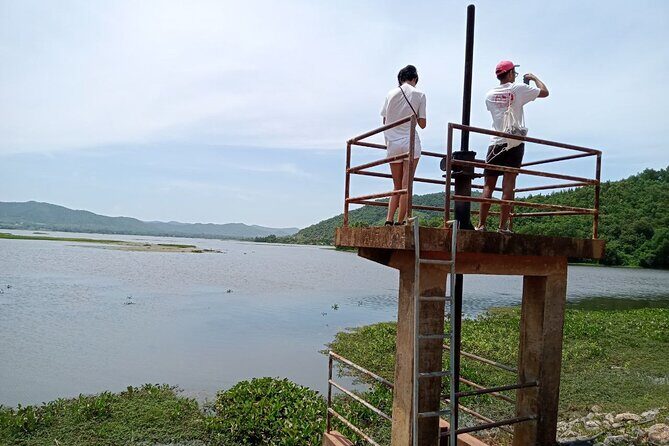
This is the stop where the tour turns from scenic to serious. Brateak Krola Lake, often called Secret Lake, isn’t a natural lake. It’s a dam, and it’s tied to the Khmer Rouge era, when slave labor was used to build it.
The site is big and striking, even though it’s man-made. But it’s also the kind of place that asks you to slow down and pay attention. You’ll be looking at scale, and you’ll also be seeing the human cost behind that scale.
The benefit of including this stop on a day like this is pacing. After pepper and temple sights, you get a different kind of perspective. You leave with more than just “pretty places.” You leave with context about how Cambodia’s landscape was shaped.
La Plantation pepper farm: the learning part you’ll remember
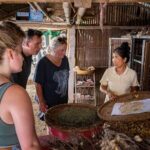
The highlight for many people is La Plantation (La Plantation), a social and sustainable family project focused on pepper. At this stop, you meet a French or English-speaking guide, so you’re not guessing what you’re seeing.
The tour concentrates on Kampot pepper varieties—black, red, and white. It’s also mentioned as having an exclusive fresh pepper product line. That means the guide can explain more than just the plants; you get a sense of the processing and why Kampot pepper has a reputation beyond Cambodia.
What you’ll enjoy most here is how practical it feels. A pepper farm tour is only interesting if it helps you understand what makes the flavor different. This one is set up that way: you’re walking through a working system, not just looking at labeled photos.
If you like food souvenirs, this is also where you’ll find the most meaningful purchase options, because pepper is specific. It’s not like buying generic spices that could come from anywhere.
Salt fields depend on season: plan around the dry months
After pepper, the schedule includes salt fields. The key detail is timing: salt fields are only available during the dry season.
That matters because if you visit in a wetter period, you may not get the same version of this stop. You can still enjoy the surrounding sightseeing, but the salt-production element might not be operational in the same way. Before you book, think about when you’re traveling and whether salt-field access would be a must-have for you.
This seasonal limitation is actually part of the tour’s honesty. Salt-making isn’t something you can force on demand. The tour’s structure respects that reality.
Kep crab market: turn seafood into a full cultural stop
Then comes Kep. The tour includes a photo stop at Kep Beach, which is quick but useful—especially if you want a coastal reset after hours inland.
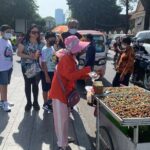
After that, the day ends at the Kep crab market, and this is where the tour earns its name. You’ll learn about Cambodian seafood culture by watching fishermen bring in their catch. You’ll also have time to bargain with vendors to get the best price on your seafood.
This is more engaging than a typical restaurant meal because you’re part of the food marketplace rhythm. You’re seeing what’s fresh, you’re talking to people who sell it, and you’re making choices with your eyes, not just your menu.
A practical note: meals aren’t included in the tour price. That’s normal for a market stop, and it means you have control over what you eat. If you go with an appetite, this ending can be your best meal of the trip.
Pace and logistics: how to make the most of the 8–10 hours
This is not a “sleep in and wander” day. It’s built around getting across distances, hitting outdoor sites, and still leaving time for the market.
Here’s how to enjoy the pace without getting cranky:
- Wear comfortable shoes for the cave approach and market area.
- Bring sun protection; you’ll be outdoors during the drive-to-sights segments and at Kep.
- Save your bathroom timing for when you stop, because the long transfer segments reduce quick options.
- Keep cash handy for market purchases since meals and tips are not included.
The tour provides bottled water, which helps a lot. In hot Cambodia weather, that one included item can be the difference between feeling fine and feeling drained by mid-afternoon.
Who this tour suits best
This day tour is a great fit if you want a structured one-day introduction to Kampot and Kep without dealing with changing transport on your own.
You’ll likely enjoy it if you:
- like food and want a pepper farm that actually teaches you something
- want to see both town sights (like the Iron Bridge area) and working areas (pepper, salt)
- care about finishing with a market experience, not just a bus stop photo
It’s less ideal if you hate early mornings or you strongly dislike long driving days. The winding dirt road to the cave temple is part of the deal, and the overall timeline is packed.
Should you book this Phnom Penh Kampot Kep Pepper Farm Salt Fields Crab Market tour?
I’d book it if you want maximum value from one day and you genuinely care about food culture. The pepper farm at La Plantation is the strongest “learn something real” stop, and the Kep crab market is a satisfying ending where you can eat what you see.
I would hesitate if your trip timing falls outside the dry season and salt fields are a top priority. I’d also think twice if you’re sensitive to a tiring road approach to Phnom Chhngok Cave Temple, because the day is long and you’re moving most of the time.
If you match those two points, this tour is a solid way to connect Phnom Penh with Kampot and Kep in one smooth package—especially with an English-speaking driver who keeps things safe and calm, and with water provided along the way.
FAQ
What time does the tour start?
The start time is 7:30 am.
How long is the tour?
It runs about 8 to 10 hours.
Is there an English-speaking guide the whole day?
The driver is English-speaking, and a French or English-speaking guide is provided at Pepper Farm (La Plantation) only.
Are entrance fees included?
Yes. Entrance fees are included as part of the tour.
Are the salt fields included year-round?
No. Salt fields are available only during the dry season.
Are meals included?
No. Meals are not included, and you’ll handle food expenses on your own.