REVIEW · PHNOM PENH
Phnom Tamao Wildlife Center & Buddha Kiri Cambodia Day Tour
Book on GetYourGuide →Operated by About Cambodia Travel and Tours · Bookable on GetYourGuide
Wildlife and Buddhas in one long day. This Phnom Tamao + Buddha Kiri tour mixes animal rescue you can actually see with a temple complex built for calm and reflection, plus a Ta Prohm-style stop at Tonle Bati. It’s a big cultural hit packed into an 8–9 hour loop.
I love how the day shows Cambodia’s wildlife conservation in a real-world way, with rescued animals and bird aviaries you can walk through thoughtfully. I also like the human touch: guides such as Tokk and Lee Song are good at turning what you’re seeing into clear context, from temple details to animal care. You’ll feel like you’re on a guided route, not just hopping between tickets.
One consideration: it’s a full, active day, and Buddha Kiri includes a stair climb (199 steps). If you’re short on mobility or you dislike long rides and walking, you’ll want to plan for breaks and a slower pace.
In This Review
- Key highlights
- From Phnom Penh to temple calm and animal rescue
- Tonle Bati’s Ta Prohm-style temple: why this stop feels different
- Phnom Tamao Wildlife Rescue Centre: conservation you can witness
- Tamao Mountain: a guided walking break with the right timing
- Buddha Kiri Cambodia (Wat Putt Kiri): the 20,000 Buddhas stair-and-statue experience
- Price and logistics: does $45 feel fair for a private day?
- What the guides and drivers add to the experience
- Who should book this tour, and who should rethink it
- Should you book Phnom Tamao & Buddha Kiri today?
Key highlights
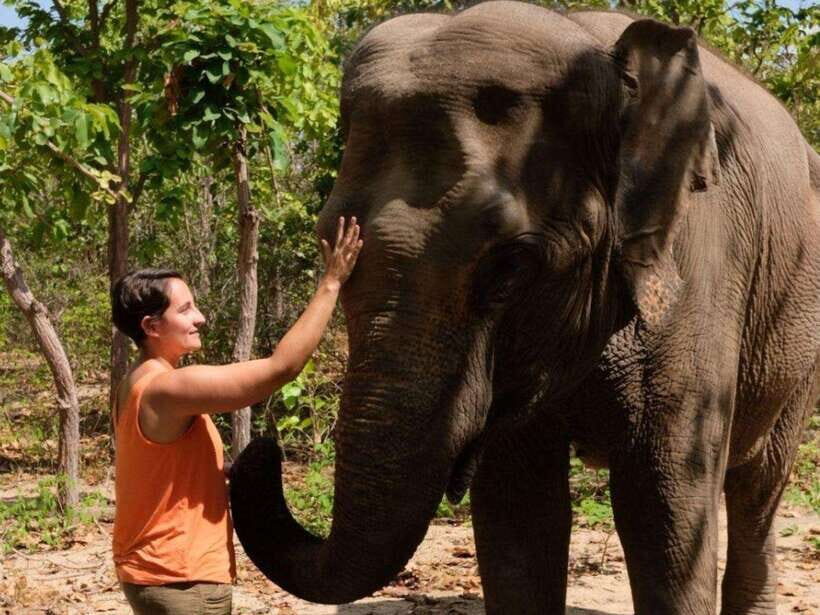
- Phnom Tamao is Cambodia’s largest wildlife rescue center, supporting animals rescued from illegal trafficking and abuse.
- You get hands-on animal viewing, including gibbons, sun bears, elephants, deer, and a large bird aviary.
- Buddha Kiri Cambodia (Wat Putt Kiri) is the main spiritual wow, with 199 steps, 2,000 gold-plated Buddhas, and a 10-meter Buddha.
- Tonle Bati’s Ta Prohm-style temple is quieter and photogenic, set near a lake with detailed stone carvings and bas-reliefs.
- Private pickup and drop-off from Phnom Penh keeps the day moving without bus transfers.
- Cooling comfort can be built in, like cold face washers provided by drivers such as Rain.
From Phnom Penh to temple calm and animal rescue
This is the kind of day trip that’s easier than you think and more memorable than you expect. The idea is simple: you leave Phnom Penh by private air-con vehicle, spend focused time at wildlife rescue and standout religious sites, then return for a calmer evening.
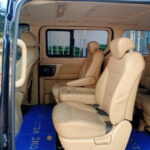
Your day starts with hotel pickup, and you’ll be with an English-speaking guide for the whole route. That matters because the stops are visually interesting on their own, but the guide helps you understand what you’re looking at—why these places exist, and what they’re trying to do.
The pace is full. You’re looking at about an hour at Tonle Bati, an hour at the temple there, an hour at Phnom Tamao, plus another hour for the surrounding Tamao Mountain area. Then Buddha Kiri Cambodia takes about an hour, before you head back to Phnom Penh. It’s not a marathon, but it is a long day with walking, dirt paths, and stairs.
If you’re coming from Phnom Penh, the value is in the time saved. A private vehicle means less coordination and fewer random delays. And since entrance tickets and a cool drink are included, you don’t spend the day doing budgeting math every time you reach a gate.
A few more Phnom Penh tours and experiences worth a look
Tonle Bati’s Ta Prohm-style temple: why this stop feels different
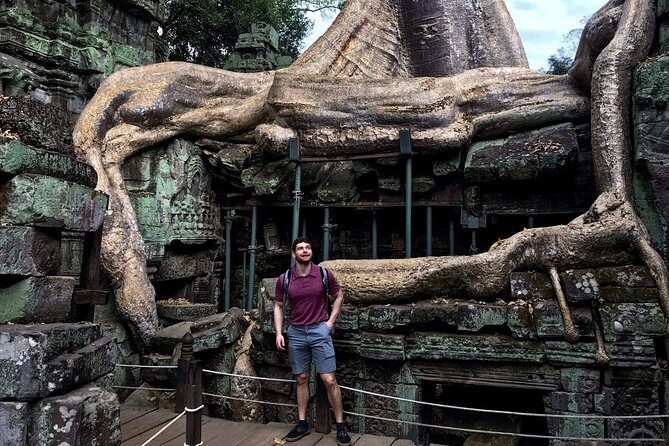
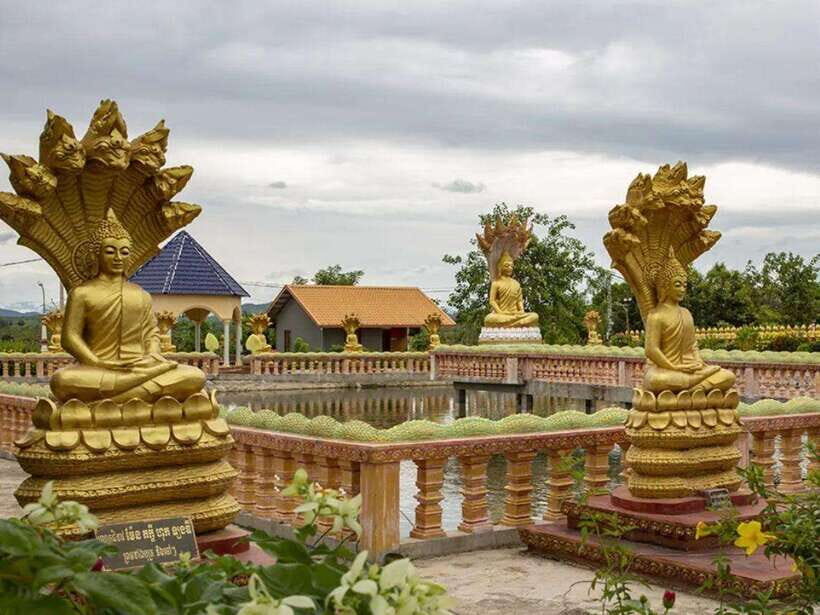
Tonle Bati is your first dose of temple atmosphere, and it’s a good warm-up for the bigger spiritual site later. You’ll spend time sightseeing and walking around the area on the route (about an hour), then you’ll visit the Tonle Bati Temple itself for about another hour.
What I like about this stop is the sense of place. This temple complex is described as originally a sanctuary for Hindu deities, later adapted for Buddhist worship. That shift shows up in the feel of the site, and it’s the kind of historical layering that helps the day feel connected rather than random.
Look for the stone work: rich stone carvings and detailed bas-reliefs. Those details can be easy to miss when you’re rushing, so taking a full guided hour here helps you slow down and actually see the work, not just take pictures.
The other reason Tonle Bati works is the setting. It’s peaceful and sits by a lake, which is great for photos and quieter moments. If you want a break from constant temple crowds, this stop is a smart change of pace while still keeping the day culturally grounded.
Practical note: expect walking. The route is not described as wheelchair-friendly, and you’ll want comfortable shoes. If rain hits, paths can get slippery, so foot care matters.
Phnom Tamao Wildlife Rescue Centre: conservation you can witness
Phnom Tamao is the anchor of the tour, and it earns its reputation. This is Cambodia’s largest wildlife rescue center, and it focuses on animals rescued from illegal trafficking and abuse. That’s a heavy topic, but seeing the work in action makes it real in a way that photos can’t.
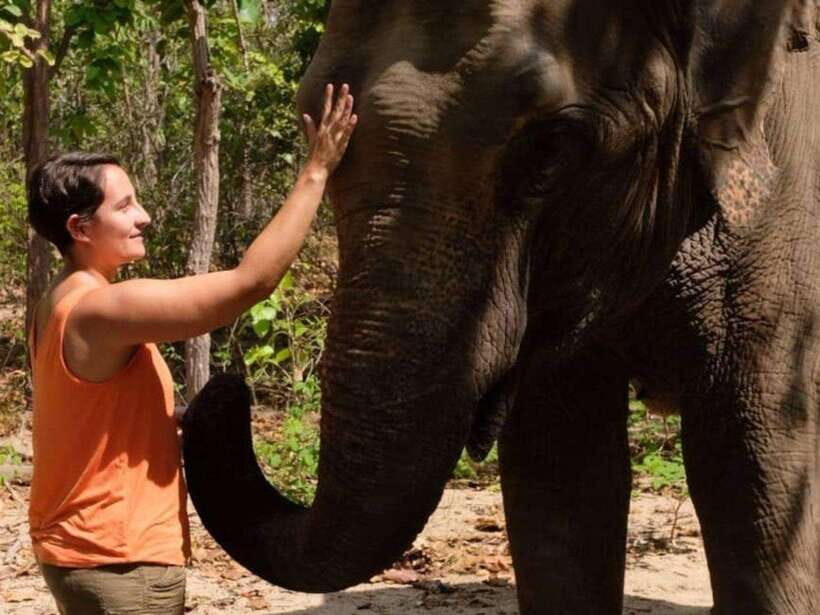
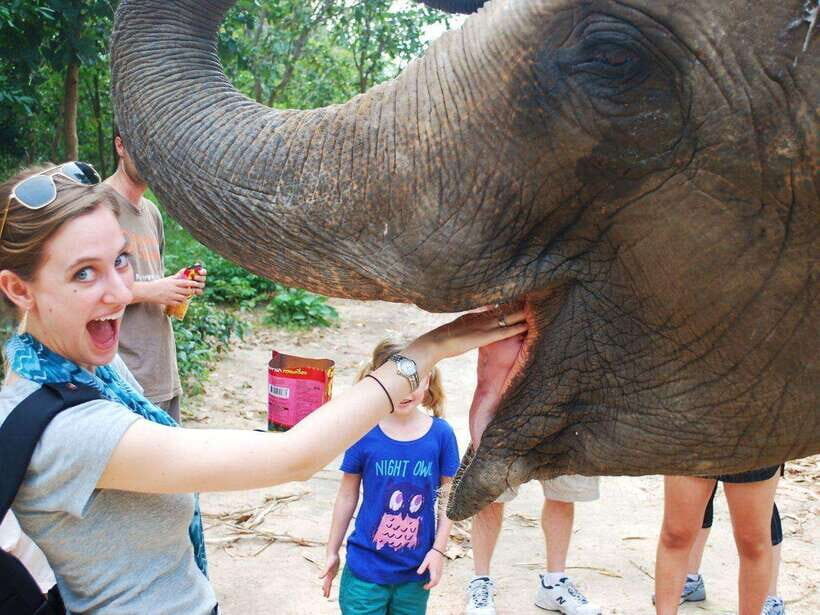
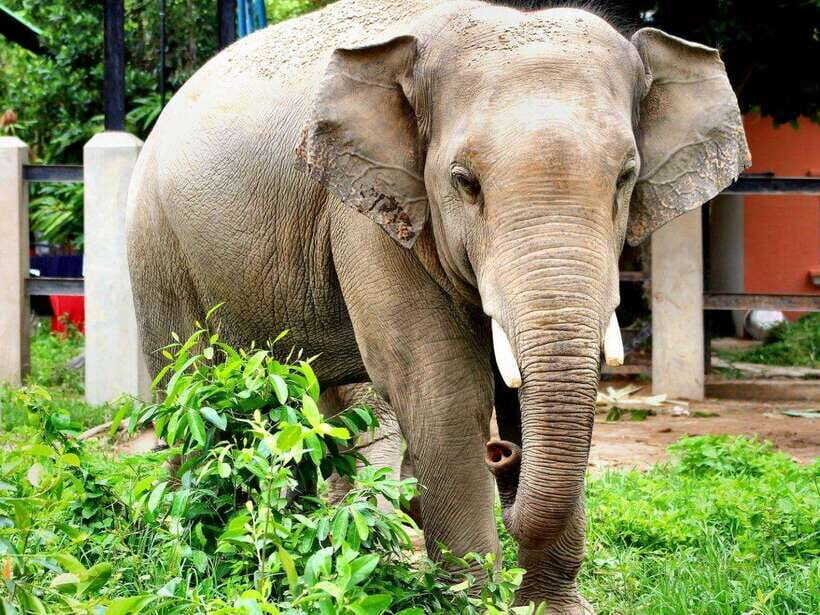
When you arrive, your guided visit is focused on wildlife viewing. The animals listed for viewing include gibbons, sun bears, elephants, and deer, plus a vast bird aviary with exotic species. Even if you’re not a “wildlife person,” this is one of those places where the rescue mission makes the visit feel meaningful.
The center is supported with the help of international NGOs, which helps keep operations going. In plain terms: this isn’t a random zoo stop. It’s a rehabilitation and rescue effort, and the overall mood is more about care than performance.
You’ll also learn that conservation here is still growing. That’s not meant to discourage you. It’s actually part of the story: you’re seeing a system in its early days, doing real work, with staff and keepers who care deeply. One of the strongest themes from the day is that the keepers and team are passionate, and it shows in how animals are presented and explained.
What to watch for during your hour:
- Whether the guide can point out how different animals are housed and cared for
- How the bird aviary experience differs from land enclosures
- Any explanations that connect rescue reasons to current conditions
Because it’s about viewing and learning rather than a timed “show,” you’ll want to give the hour your attention. Stand where the guide suggests, and don’t try to rush to the next enclosure without looking.
Tamao Mountain: a guided walking break with the right timing
Between the wildlife center and Buddha Kiri, you’ll get time around Tamao Mountain for about an hour. The itinerary describes this as a guided visit with sightseeing and walking, so think of it as a stretch break that also fits the nature-and-wildlife theme of the day.
I like this in-between stop because it prevents the day from becoming purely “temple, temple, temple.” You shift from animal viewing into a more outdoors feel, which helps you reset your brain before the big stair climb at Buddha Kiri.
Since detailed features aren’t listed for Tamao Mountain, your best approach is to follow the guide’s lead. Ask what to look for, and notice the way the center’s setting connects to the mountain area around it. Even without a formal “major viewpoint” named in the itinerary, walking time here is useful for pacing.
As with the other sites, wear decent shoes. You’ll be on uneven ground, and the day already has walking and temple steps built in.
Buddha Kiri Cambodia (Wat Putt Kiri): the 20,000 Buddhas stair-and-statue experience
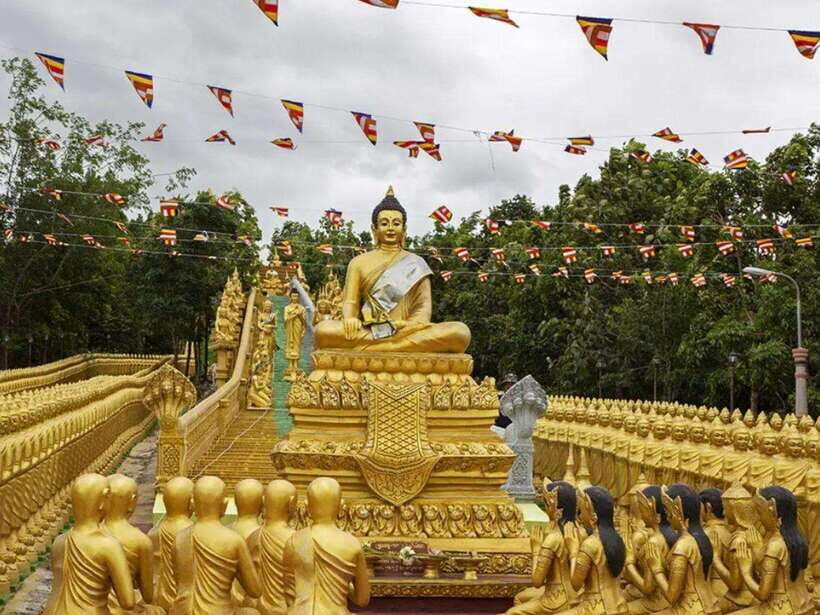
Then comes the spiritual centerpiece. Buddha Kiri Cambodia, also known as Wat Putt Kiri Cambodia, is described as the largest Buddhist center in Cambodia, built as a spiritual space called the Land of 20,000 Buddhas.
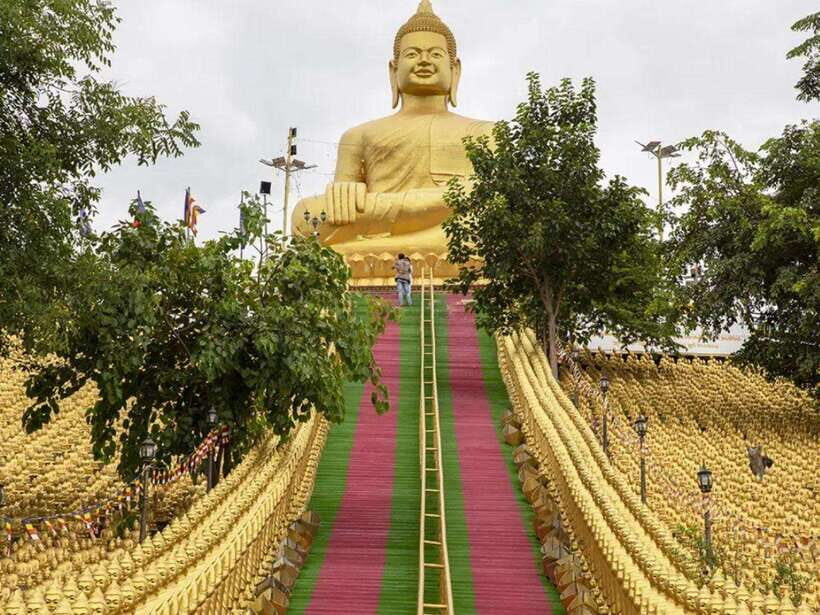
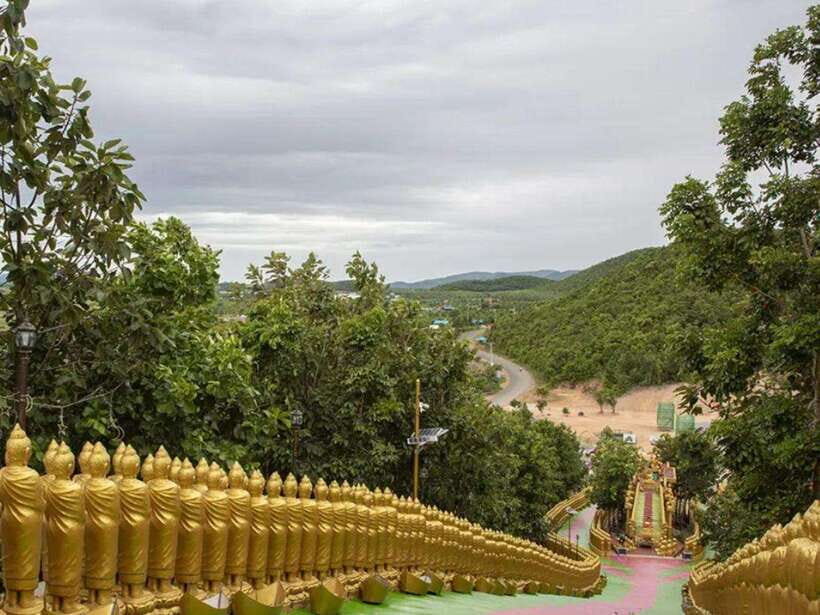
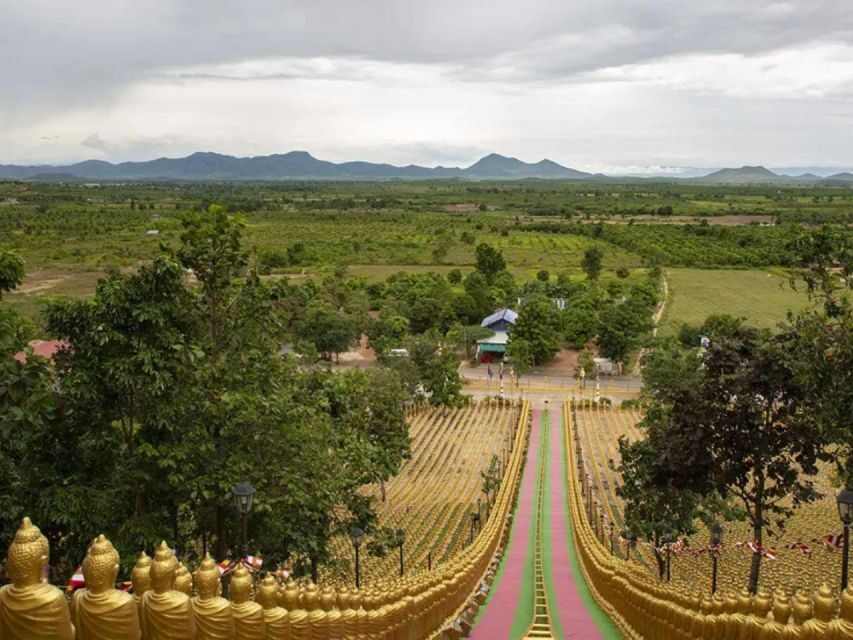
The design is the main attraction. You’ll climb 199 steps lined with 2,000 gold-plated Buddha statues. That kind of repetition can sound like a numbers game, but on-site it’s visual rhythm. It turns the stair climb into a slow-moving devotion rather than just exercise.
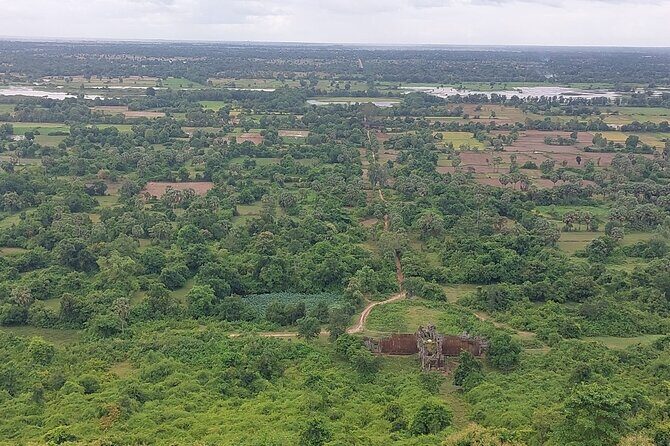
At the top, you’ll see a towering 10-meter Buddha statue overlooking the landscape. The itinerary also notes thousands of meditating Buddhas placed throughout the temple grounds, which means you’re not just looking at one big focal point. The whole complex is built for quiet attention, with many small devotional moments.
This is where you’ll feel the emotional contrast of the day. Earlier you’re seeing rescue and recovery. Now you’re in a space built for meditation and calm. For me, that balance is one of the reasons the whole tour works: it doesn’t stick to one theme.
Tips so you enjoy it more:
- Go at your own pace on the steps. The guided hour is enough if you don’t rush.
- Take breaks if the climb feels like a lot. This is a “see it properly” stop, not a speed run.
- Dress respectfully. Temple grounds are spiritual spaces, so keep shoulders and legs covered in a way that feels comfortable.
If you have knee issues or fatigue, this is the moment to be honest about your limits. The stair climb is the only major “fitness gate” clearly mentioned in the tour description.


Price and logistics: does $45 feel fair for a private day?

The listed price is $45 per person for an 8–9 hour private day trip. That sounds reasonable, and the value comes from what’s included.
You get:
- Hotel pickup and drop-off in Phnom Penh by private air-conditioned vehicle
- An English-speaking licensed guide
- Entrance tickets for all itinerary sites
- A cool drink during the tour
- Services charges and current government VAT
What you’re really paying for is the convenience and guidance. Private hotel pickup alone can make a big difference in a country where travel times vary and schedules matter. Adding entrance tickets into the bundle helps too—no constant on-the-spot ticket decisions.
What’s not listed as included: tips for the guide and driver, and anything else outside the named sites. Lunch also isn’t mentioned in what’s covered. So plan to handle your own food unless you’re sure the day’s timing works for you without it.
In terms of “should I do this vs. DIY?”—here’s my take. If you can arrange transportation and a guide you trust, you could replicate parts of the day. But stitching together wildlife rescue plus Buddha Kiri plus the Tonle Bati temple with solid timing is exactly where a private tour earns its keep.
Also, your specific guide and driver can matter. The experience names Tokk (guide) and drivers including Tia, Rain, and Rith in the accounts you provided. That’s a good sign that this operator assigns staff people who can handle both information and comfort.
What the guides and drivers add to the experience
This tour lives or dies on explanation and comfort. The sites are visual, sure, but the why behind them makes a difference.
You’ll likely hear history and context around Cambodian temples, including how places like Tonle Bati shifted between Hindu and Buddhist use. You’ll also get animal-care context at Phnom Tamao—why certain animals are there and how the rescue mission is being supported.
Some guides are also unusually good at spotting animals quickly. That’s practical. Wildlife viewing can be frustrating if you’re left to scan enclosures alone, so having someone who can find where animals are active makes the hour feel fuller.
Driver handling matters on a day like this too. Long stretches in a car can be draining. One account highlights a driver providing cold face washers to help with heat comfort. That kind of small care makes a big difference when you’ve got temple steps waiting later.
If you want the best day, bring a few questions to ask your guide:
- What should I pay attention to at each enclosure or temple area?
- Are there specific carvings or details people often miss?
- What’s the best pace for the Buddha Kiri steps?
Who should book this tour, and who should rethink it
I think this tour is ideal for two types of travelers.
First, if you like your Cambodia not just as temples, but as a living mix of culture and conservation, this fits the bill. You’re not choosing between animals and religion—you’re getting both in one organized day.
Second, it’s great for people who value a private schedule and a guide who can explain what they see. The combination of English-speaking guide time and hotel pickup makes it easier to relax and focus on the sites.
Who might want to rethink it:
- Anyone with limited mobility should consider the stair climb at Buddha Kiri (199 steps) and general walking on temple and nature paths.
- If you hate long days in transit, you may find the 8–9 hours a bit much—especially since lunch isn’t listed as included.
- If you want a slow, unstructured day where you can linger for hours at a single site, this itinerary is more “see a lot” than “stay forever.”
Still, it’s balanced. The wildlife hour gives meaning, the Tonle Bati stop provides calmer temple atmosphere by a lake, and Buddha Kiri is your big spiritual set piece.
Should you book Phnom Tamao & Buddha Kiri today?
If you want a single-day route that mixes wildlife rescue with a major Buddhist complex—and you prefer private pickup instead of arranging everything yourself—this is a smart buy. For many visitors, Phnom Tamao is the emotional highlight, and Buddha Kiri is the visual one.
Book it if you can handle a full day, comfortable walking, and stairs. Skip or modify your plan if steps are a deal-breaker for you. For everyone else, it’s a well-rounded day that feels both practical and genuinely meaningful.