REVIEW · PHNOM PENH
S-21 Prison and Killing Fields
Book on Viator →Operated by Angkor T.K Travel & Tours · Bookable on Viator
History here hits hard. On this half-day Phnom Penh tour, you’ll visit Choeung Ek Killing Fields and Tuol Sleng (S-21) to understand what the Khmer Rouge did to Cambodian families between 1975 and 1979. It’s a short outing, but it packs in real context: the killing fields are described as the final resting place for over 17,000 people, and S-21 was a high-school-turned prison where torture was used to generate more arrests.
What I like most is the way the sites get framed by an English-speaking guide who keeps the tone respectful. Guides such as Kim and Smiley are singled out for handling the heavy material with tact and empathy, and for clear English that helps you connect details without getting lost. The other win is practical comfort: you get hotel pickup plus an air-conditioned vehicle, along with a cold towel and a refreshment drink.
The only drawback to flag is the obvious one: this is emotionally confronting. If you’re not ready for extremely painful history, you may want to think twice or go with extra care for your own pace.
In This Review
- Key things to know before you go
- The best reason to do S-21 and the Killing Fields in one half day
- Price and admissions: what $100 really covers
- 8:00 am pickup and the drive to Choeung Ek (about 16 km south)
- Choeung Ek Genocidal Center: what to expect on the grounds
- Tuol Sleng (S-21) Genocide Museum: the high school that became a security prison
- Why the guide matters more than you think (and who stands out)
- What makes the route feel meaningful: the two-site story in order
- Comfort, timing, and staying functional during a heavy morning
- Respectful viewing: how to get the most without feeling rushed
- Who this tour suits best (and who should reconsider)
- Should you book this S-21 and Killing Fields half-day tour?
- FAQ
- How long is the S-21 and Killing Fields tour?
- What time does the tour start in Phnom Penh?
- Does the price include entrance fees for both sites?
- Is hotel pickup included?
- Is there an English-speaking guide?
- Is this tour private or shared?
- What is the cancellation policy?
Key things to know before you go
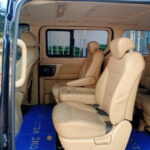
- Hotel pickup and air-conditioned private transport make a tough morning easier to manage.
- Choeung Ek first, then S-21 keeps the story in a clear, chronological flow.
- Site admission is extra: $3 for Killing Fields and $5 for Tuol Sleng.
- Audio at both sites isn’t included, so plan if you like to follow along independently.
- English-speaking guides with strong empathy help you process what you see.
- A short total time (about 3 hours) fits well into a packed Phnom Penh itinerary.
The best reason to do S-21 and the Killing Fields in one half day
If you only have a morning, doing both places together works. You start outside Phnom Penh at Choeung Ek, then you move to Tuol Sleng (S-21) in the city. That pairing helps you understand how the Khmer Rouge system operated: detention and forced confessions inside S-21 feeding further arrests, and the aftermath at the Killing Fields.
It’s also a value play. This tour wraps transport and guide support into one price, so you’re not stuck trying to coordinate two separate visits on your own. At $100 for about three hours, the structure is simple and efficient—then you only add the entry fees for each site.
You can also read our reviews of more tours and experiences in Phnom Penh.

Price and admissions: what $100 really covers
The headline price is $100, and the tour includes an English-speaking guide, a refreshment drink and cold towel, and an air-conditioned vehicle. You also get hotel pickup, and the experience is described as private, meaning it’s only for your group.
What’s not included is important for your budget: Killing Fields entry is $3 per person, and Tuol Sleng entry is $5 per person. Audio for both places is also not included, and that can matter if you prefer spoken interpretation instead of reading placards.
I’d think about it this way: the base fee is mainly for guide time plus transport and comfort items. The paid admissions are the standard site costs, so you’re not getting a surprise at the gate—you just plan for it.
8:00 am pickup and the drive to Choeung Ek (about 16 km south)
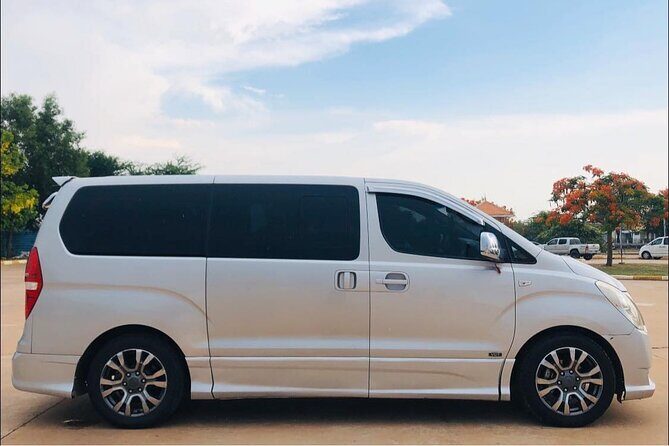
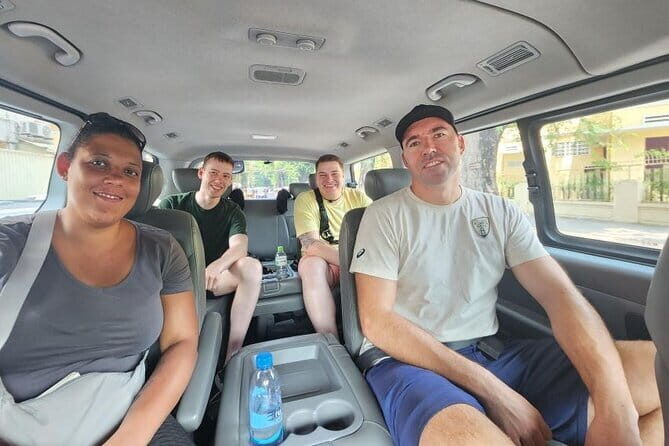
The tour starts at 8:00 am. You’ll be picked up from your hotel and taken by air-conditioned private vehicle to Choeung Ek, which is about 16 km south of Phnom Penh.
That timing helps. A morning start usually means you get into a quieter rhythm before the day gets busy, and it gives your guide room to walk you through what you’ll see without feeling rushed. If you’re sensitive to emotions, the earlier start can also help you avoid dragging the experience across a later, more tiring part of the day.
Choeung Ek Genocidal Center: what to expect on the grounds
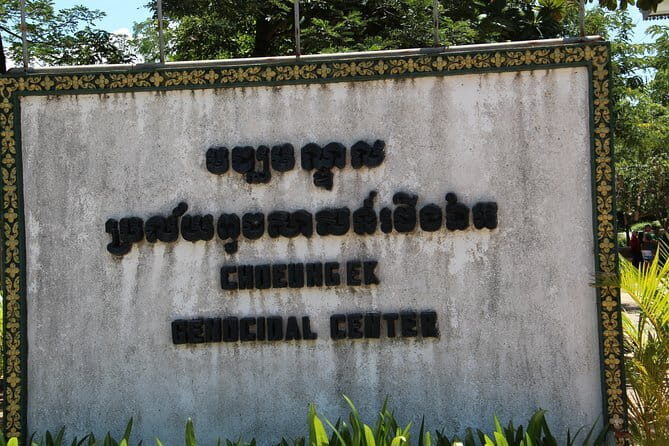
Choeung Ek is the first major stop: the Killing Fields site described here as the final resting place for over 17,000 men, women, children, and infants between 1975 and 1978. Your guide provides a detailed walk-through, and the focus is on helping you understand the reality of what happened—not just looking for photo angles.
It’s also placed in the wider Khmer Rouge timeline. The tour’s framing includes the estimate that the Khmer Rouge regime took the lives of between 2 and 4 million Cambodians during its control from 1975 to 1979. When you hear those numbers while standing at the site, it changes the way you process scale. It’s not abstract anymore.
The listed time at Choeung Ek is about 1 hour 30 minutes, and that feels right for a place like this. You’ll want enough minutes to take in the layout, then still have time to absorb what your guide is explaining as you move through the memorial spaces.
Admission for Choeung Ek is extra ($3 per person), and audio is available but not included. If audio is your thing, you can plan for it ahead so you’re not deciding on the spot while you’re already emotionally loaded.
Tuol Sleng (S-21) Genocide Museum: the high school that became a security prison
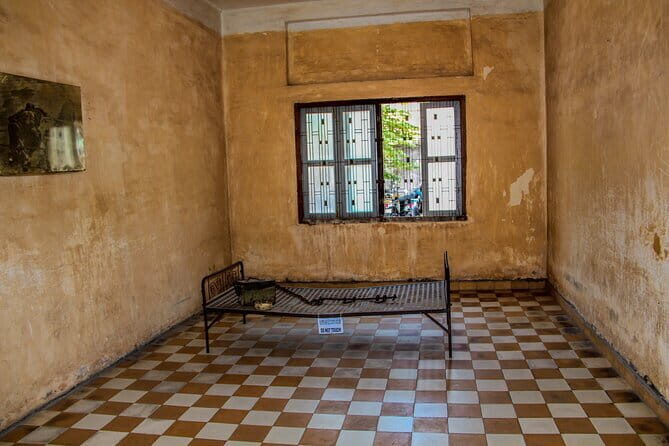
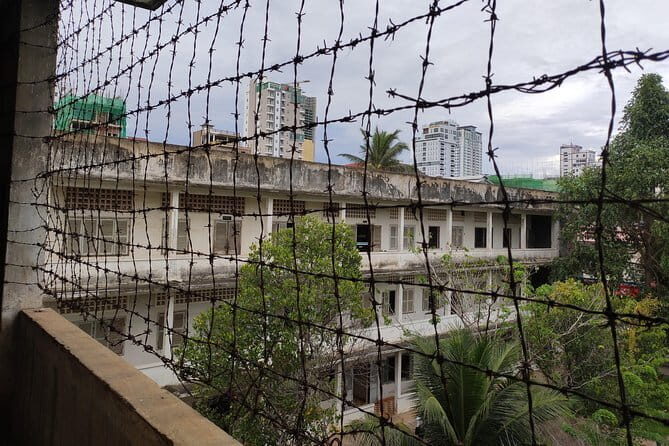
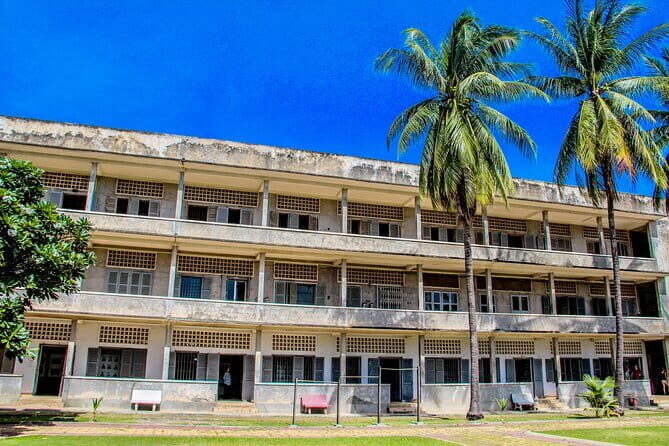
After Choeung Ek, you head to Tuol Sleng Genocide Museum, also known as S-21. The history here is built around a specific transformation: in 1975, the Tuol Svay Prey High School was taken over by Pol Pot’s security forces and turned into a prison called Security Prison (S-21).
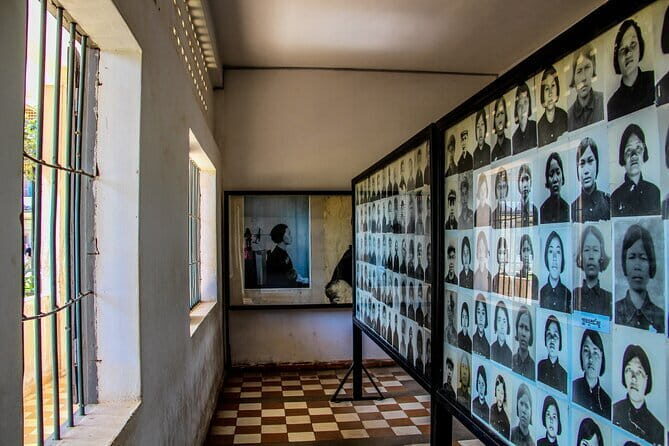
This stop is about detention and the machinery of coercion. S-21 is described as rapidly becoming the largest center of detention and torture in the country. The tour explains that prisoners were repeatedly tortured and coerced into naming family members and close associates. Those names led to more arrests, more torture, and ultimately killings.
You get about another 1 hour 30 minutes at Tuol Sleng. That’s long enough to move beyond headline facts and to connect how the system worked day to day. The prison setting makes it easier to grasp how a bureaucratic process can become a conveyor belt for violence.
S-21 entry costs $5 per person and, again, audio isn’t included. If you tend to focus better when someone narrates, audio can be worth it here. If you prefer reading, your guide should help translate key information as you go.



Why the guide matters more than you think (and who stands out)
This type of tour lives or dies by tone. One of the strongest themes in the feedback you’re acting on is that guides handle the material with care. Kim is highlighted for approaching sensitive topics with tact and empathy, and Smiley is praised for very strong English and a respectful style that keeps explanations clear.
That matters because both sites are intense, and you don’t want the story reduced to facts-only bullet points. A good guide helps you understand what you’re looking at, and also helps you notice the human details without turning the visit into spectacle.
I’d also pay attention to pace. The tour is structured into two solid blocks of time, so your guide can explain what to look for and let you process before moving on. That pacing is part of the value, even though it’s not a line-item on the price.
What makes the route feel meaningful: the two-site story in order
The order—Killing Fields first, then S-21—does something useful for your understanding. At Choeung Ek, you face the end result: the final resting place for thousands of victims. At S-21, you face the process: how people were detained, tortured, forced to name others, and then brought back into the system.
Seeing them in that sequence helps the history click. You don’t just learn that atrocities happened; you understand the connection between detention and outcome. It also keeps you from treating the places like two unrelated stops around Phnom Penh.
There’s also a strong theme of humanity inside the history. Some accounts attached to this experience mention a special moment that can happen during the visit—an opportunity to meet two remaining survivors of S-21. You should treat that as something that may vary by circumstance, but it explains why guides’ empathy is so central to the experience. The story becomes more than records and displays.
Comfort, timing, and staying functional during a heavy morning
Even when the subject matter is heavy, the logistics can be kind. You’ll be in an air-conditioned vehicle and you get a cold towel plus a refreshment drink. Those small comforts sound minor until you’re sitting in traffic or walking under warm Phnom Penh conditions before a mentally demanding visit.
You’re also working with a compact time window: around 3 hours total. That’s helpful if Phnom Penh is already packed with other plans like museums and palaces. It lets you fit this important learning without turning your whole day into a single emotional burden.
And because the tour is private for your group, the schedule tends to be more manageable than a big shared bus day. You can maintain your own rhythm while still getting the benefit of a guided explanation.
Respectful viewing: how to get the most without feeling rushed
You’ll see memorials that are meant to be treated with seriousness. Plan to slow down when your guide points out key details, and don’t feel pressure to keep moving just because others are walking faster.
The best way to get value from a guided history visit like this is to let the guide set the context first, then let the site do the rest. In places like Choeung Ek and S-21, the physical setting carries meaning even when you stop thinking in numbers.
I’d also recommend mentally preparing yourself before you go. This is not the kind of tour where you can skim the facts and move on. If you’re coming in curious about history, you’ll get that. If you’re coming in hoping to be unaffected, you’ll likely be disappointed.
Who this tour suits best (and who should reconsider)
This tour fits well if you want to understand Cambodia’s turbulent past and you’re willing to face difficult truth in a structured, guided way. It’s also a good choice if you don’t have much time, because two major sites happen in one half-day plan.
It may not be the best pick if you get overwhelmed easily by trauma themes or if you know you’ll struggle to handle intense historical sites. If that’s you, consider going with a trusted companion and giving yourself some breathing room afterward so the morning doesn’t spill into the rest of your day.
Should you book this S-21 and Killing Fields half-day tour?
I’d book it if you value context and you want a guide who can explain without turning the experience into something casual. The mix of hotel pickup, air-conditioned transport, a clear two-part route, and strong reviews for tact (with guides like Kim and Smiley) makes this a high-quality way to do the big Phnom Penh history stops without improvising logistics.
I’d pass or reschedule if you’re not ready for what you’ll see. No tour can soften the reality of Choeung Ek or S-21. But a respectful guide and a well-run schedule can help you process it in a way that feels responsible.
If you do book, just plan your budget for the extra admissions and decide ahead of time whether you want audio at the sites.
FAQ
How long is the S-21 and Killing Fields tour?
The tour lasts about 3 hours total, with about 1 hour 30 minutes at each stop.
What time does the tour start in Phnom Penh?
The start time is 8:00 am.
Does the price include entrance fees for both sites?
No. Entrance fees are not included: $3 per person for the Killing Fields and $5 per person for Tuol Sleng. Audio is also not included.
Is hotel pickup included?
Yes. Hotel pickup is included, and you travel by private transportation in an air-conditioned vehicle.
Is there an English-speaking guide?
Yes. The tour includes an English-speaking guide.
Is this tour private or shared?
This is a private tour/activity, meaning only your group participates.
What is the cancellation policy?
Free cancellation is available up to 24 hours in advance for a full refund. Cancel at least 24 hours before the experience start time to get your full refund. Changes within 24 hours of the start time aren’t accepted.