REVIEW · SIEM REAP
Angkor Wat Experience Temple Pass and Siem Reap Food Tour
Book on Viator →Operated by Lost Plate · Bookable on Viator
Angkor Wat plus sunset food is the perfect combo. I like that this tour gives you temple entrance tickets included for the full morning circuit, and I also love the shift into the sunset food tour right after a break. One watch-out: it’s a long 13-hour day starting at 7:30am, so you’ll want to be ready for temple walking and an early start.
What makes it feel good in real life is the small group size and the planning. You’ll have max 12 travelers, with hotel pickup and drop-off plus a tuk-tuk for the day, and you’re also covered with unlimited bottled water and soft drinks.
In This Review
- Key highlights worth your attention
- How this tour fits a realistic Siem Reap day
- Price and value: what $155 actually buys you
- Morning start at 7:30: why pickup and tuk-tuk matter in Angkor
- Stop 1: Angkor Wat and the scale you can’t fake
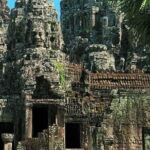
- Stop 2: Bayon Temple—faces, symbolism, and a change of mood
- Stop 3: Ta Prohm—the Tomb Raider temple, with real jungle vibes
- Stop 4: Ta Nei—jungle temple energy off the main path
- The lunch reset that keeps you from burning out
- From temples to countryside food: the sunset switch you’ll remember
- What you’ll eat (and the joy of trying new things)
- Local village moments: why this food tour feels more personal
- Guides and drivers: the human factor that makes the schedule work
- Who should book this Angkor Wat + food combo
- Should you book this tour?
- FAQ
- What’s included in the Angkor Wat Experience Temple Pass and Siem Reap Food Tour?
- How long is the tour?
- What time does the tour start?
- How many stops are in the food tour, and when does it happen?
- What’s the group size limit?
- Is there free cancellation, and how far in advance do I need to cancel?
Key highlights worth your attention

- Entrance tickets included for each temple stop, so you spend less time sorting logistics
- Tuk-tuk with an experienced driver for the full day’s movement between sites
- Morning temple variety: Angkor Wat, Bayon, Ta Prohm, and Ta Nei
- A built-in break between the temple portion and the evening food tour
- Sunset food in rice-country settings with a picnic dinner in the lotus fields
- Guides named in feedback (Chan, Mony, Sann, Hok, Pom) who focus on both temples and everyday Cambodian life
How this tour fits a realistic Siem Reap day
Siem Reap can be a lot: temples in the heat, crowds at the big names, and the usual pressure to “see everything.” This plan works because it splits the day into two satisfying arcs: temples first, then food at sunset.
The morning is designed around famous Angkor sites, but it doesn’t stop at just one hero temple. You get Angkor Wat and then three additional stops that change the feel of what you’re seeing—more faces at Bayon, a ruined-and-overgrown mood at Ta Prohm, and jungle atmosphere at Ta Nei. It’s a strong way to get orientation fast.
Then comes the second act. Instead of doing another temple, you head into a 5-stop food tour through countryside settings, ending with a picnic dinner at sunset. That contrast is more than scenic. It helps you reset your brain after a long string of stone carvings and sun-drenched paths.
Finally, the tour is structured for ease. Hotel pickup and drop-off are included, and you’re in a small group. For many people, that’s what turns a “schedule” into an actual vacation day.
You can also read our reviews of more food & drink experiences in Siem Reap

Price and value: what $155 actually buys you
$155 per person isn’t cheap in Cambodia terms, but this price includes a lot that adds up fast when you plan it yourself: entrance tickets to all temples, tuk-tuk transportation with an experienced driver for the whole day, and meals—lunch and dinner—at local restaurants. On top of that, you get a local English speaking guide plus unlimited bottled water and soft drinks.
What that means for you: less juggling. Temple days can become a stress test—tickets, lines, timing, transport, and then figuring out food. Here, the day is pre-built around your time, so you spend your energy on seeing and tasting, not coordinating.
The value also comes from the pacing. Reviews attached to this experience often highlight that the schedule doesn’t feel like nonstop trudging; you get a proper break and a clean handoff from temples to the evening food tour.
The main thing to consider is your tolerance for a long day. If you want a relaxed 4–5 hour outing, this isn’t it. If you’re okay with a full day (and you have moderate physical fitness), the included transport, tickets, and meals make the price easier to justify.
Morning start at 7:30: why pickup and tuk-tuk matter in Angkor
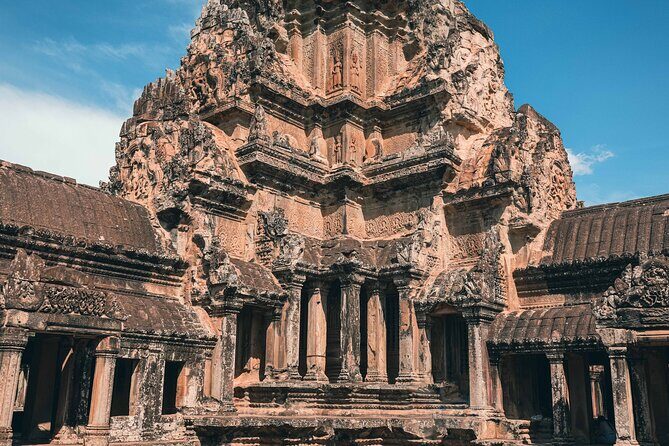
The day starts at 7:30am with hotel pickup. Early matters here because temple visiting is more comfortable when you’re moving before the hottest stretch. It also helps you avoid the “I missed my time” scramble, which can happen when you’re trying to coordinate rides on your own.
Once you’re out, you’re traveling by tuk-tuk with an experienced driver for the full day. That’s practical. Angkor sites are spread out enough that constant changing of transport can eat your time. With one vehicle plan and a driver who’s used to the routes, your guide can keep the day flowing and you can focus on what’s in front of you.
The small group size (up to 12) adds another layer of comfort. You don’t feel lost in a huge crowd, and you’re more likely to keep up with explanations without feeling rushed.
Stop 1: Angkor Wat and the scale you can’t fake
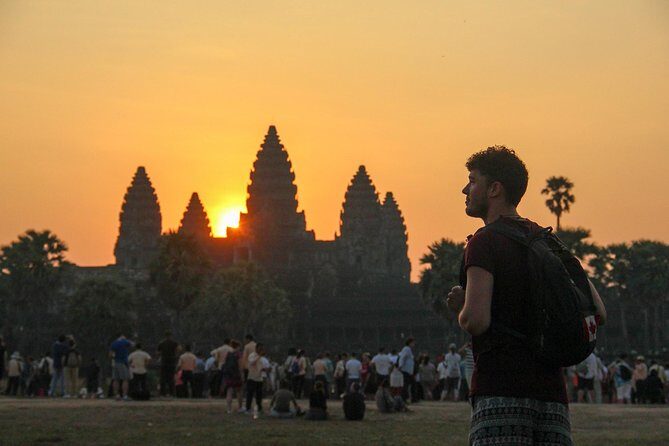
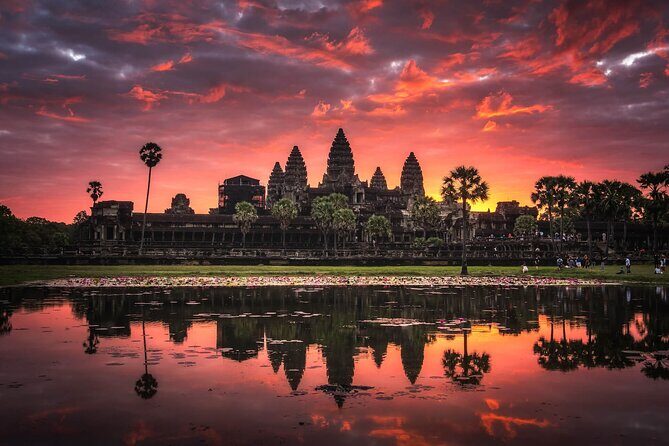
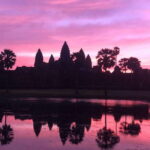
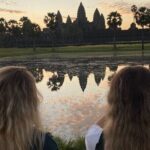
Angkor Wat is the reason most people come to Siem Reap, and this tour starts there. You’re given 1 hour 30 minutes with admission included, which is enough time to appreciate the key visual moments without turning it into a photo marathon.
What stands out in the way this visit is framed is scale. Angkor Wat’s walls are described as 12th-century work that took over 30 years and 5 million tons of sandstone. Even if you don’t memorize those numbers, the guide’s framing helps you “read” the place. You stop seeing it as one giant monument and start noticing it as a human project with serious weight behind it.
What to watch for: plan your pace early. Angkor Wat is big, and if you try to sprint through everything, you’ll miss the story the guide is sharing. The benefit of having a planned route is that you don’t have to guess where to go next.
Possible drawback: if Angkor Wat is your one must-see and you’re the type who wants more than 90 minutes, you might wish for longer. For most first-timers, though, this time window hits the sweet spot.
Stop 2: Bayon Temple—faces, symbolism, and a change of mood
After Angkor Wat, you move to Bayon Temple for about 1 hour, with admission included. This stop is important because it nudges you beyond the single most famous postcard view.
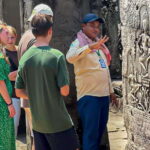
The tour’s emphasis here is on understanding the broader Angkor world—history, landscape, and the cultural context around the main temple complex. The practical benefit is that you start connecting why these temples sit where they do and how the art fits the beliefs of the time.
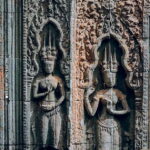
Why this stop matters: it shifts your perspective. If Angkor Wat is all about grand architecture, Bayon adds a different kind of visual character and helps the day feel varied rather than repetitive.
What to keep in mind: if you’re sensitive to heat or you need frequent breaks, Bayon can feel like a “steady climb” day after Angkor Wat. Bring your slowest pace friend-energy and keep moving with the group.
A few more Siem Reap tours and experiences worth a look


Stop 3: Ta Prohm—the Tomb Raider temple, with real jungle vibes
Ta Prohm is where the day gets cinematic. You’ll have about 1 hour 30 minutes, and the description leans into its famous Tomb Raider nickname and the sense of ancient mystery created by the ruins.
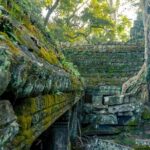
This is a very different experience from Angkor Wat. The mix of stone and nature is the point. The temple feels more like it’s being reclaimed, and that changes how you look at it. Instead of thinking only about human design, you start thinking about time, wear, and how the place keeps evolving.
Why you’ll likely enjoy it: Ta Prohm is one of those temples that makes you slow down naturally. The environment pulls your attention.
A small consideration: it can feel uneven underfoot and you may have spots with less shade than you’d like. It’s not a reason to skip, just a reason to wear comfortable shoes and stay patient with the pace.
Stop 4: Ta Nei—jungle temple energy off the main path
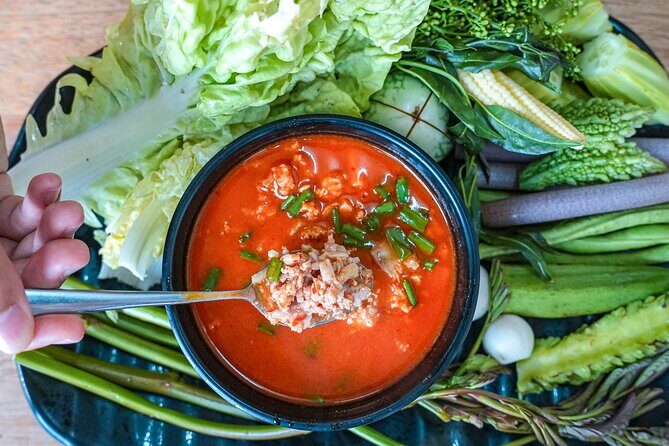
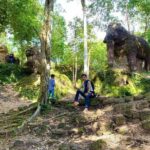
Ta Nei is the “lesser-visited” style stop that gives the tour its edge. You’ll spend about 1 hour here, with admission included, and it’s described as being in the jungle—an atmosphere that feels more remote than the headline temples.
This is a meaningful part of the schedule because it prevents the day from being a single-theme checklist. The temple style is different, and the setting helps you understand how varied the Angkor sites can feel even within one day.
Why this stop is worth the time: it gives you a quieter, more atmospheric contrast. If you only see the biggest names, you can end up with a “same look” memory of the whole morning. Ta Nei helps you avoid that.
The lunch reset that keeps you from burning out
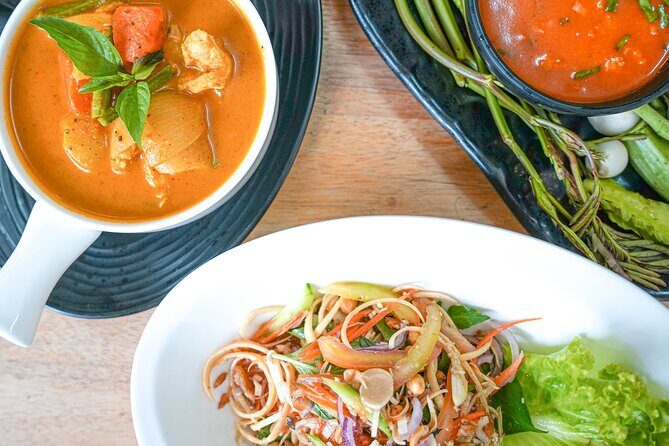
Lunch is included, and it’s served at authentic local restaurants. One detail that shows up in feedback is that lunch can include dishes like eggplant and chickpeas—good comfort food after temple walking.
The point of lunch here isn’t just calories. It’s timing. After Angkor Wat and Bayon and Ta Prohm, you need a proper reset before the afternoon push and then the evening food portion.
I’d treat the lunch stop as part of the experience. Don’t rush it. Use it to hydrate, cool down, and regroup your energy.
From temples to countryside food: the sunset switch you’ll remember
After the morning temple portion, you’ll rest back at your hotel and then start the food tour later—timed for the countryside sunset feel.
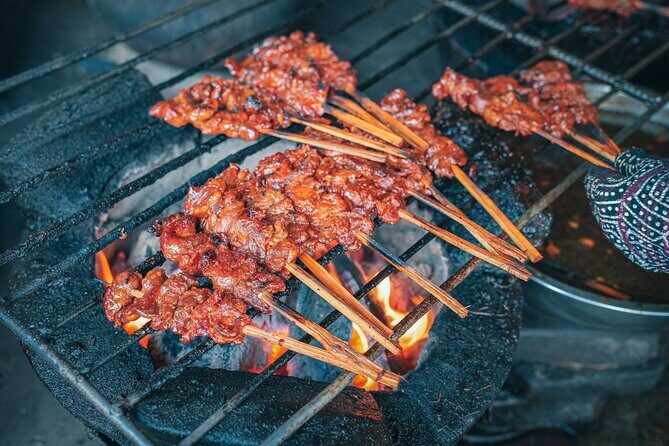
The evening tour is a 5-stop food tour that moves through lotus fields and rice paddies. It’s described as a countryside experience with water buffalo roaming in the area, plus a picnic dinner at sunset.
This is the part that turns the day from “history and photos” into “a real taste of daily life.” Temple days can make you forget that Cambodia is also a food-and-community culture. The sunset food tour brings you back into that rhythm.
What to expect from the route: it’s not only eating in one restaurant. It’s a sequence of stops, so each meal and snack builds on the last. The scenery changes, and you’re out in the open-country setting long enough to feel the evening shift.
What you’ll eat (and the joy of trying new things)
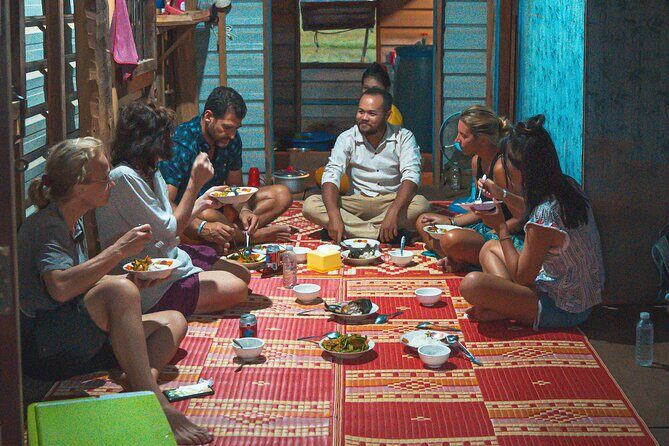
The tour includes lunch and dinner, and the food tour includes multiple stops where you’ll try more than a dozen dishes. That’s a lot of variety, and one review-style theme here is that it’s definitely a try-new-things kind of experience.
That’s good news if you like sampling. It’s not ideal if you’re extremely picky or you want a menu with only familiar flavors.
One specific detail that sticks: you’ll likely get standout flavors tied to Cambodian comfort cooking and local ingredients, and guides often frame what you’re eating in cultural context. In feedback, guides such as Chan and Mony are praised for adding explanation, not just handing you a plate.
Also, the tour includes unlimited bottled water and soft drinks throughout the day. That’s a practical bonus when you’re hopping between stops in warm weather.
Local village moments: why this food tour feels more personal
Some tours feed you and then rush you to the next stop. This one tries to add meaning to the route.
In feedback, one highlight is a stop connected to a local village and the home of Mr Vet, with the tour ending at a cocktail bar. That kind of structure makes the food portion feel less like a tasting event and more like a shared evening—community, stories, and then drinks to round it out.
Even if you’re not the type who cares about “where the food comes from,” these interludes can make the evening more memorable. Food tastes better when you understand the story behind it.
Guides and drivers: the human factor that makes the schedule work
A long day like this can go wrong fast if the guide isn’t organized or the group gets scattered. Here, the experience is built around experienced drivers and a local English speaking guide.
What’s striking in the feedback is how often different guide names show up as standouts: Chan, Mony, Sann, Hok, and Pom. The praise patterns are consistent: guides explain temple meaning and Cambodian everyday life, and they keep the pace feeling professional rather than chaotic.
That matters for you because temple visits can turn into random wandering unless someone helps you connect the dots. A good guide helps you see the art and the architecture as cultural communication, not just ancient stone.
The same idea applies to the food tour. If someone explains what you’re eating and why it’s part of local life, you taste more. You don’t just snack through the evening.
Who should book this Angkor Wat + food combo
This tour is a strong fit if:
- you’re doing Siem Reap for the first time and want a single-day overview of major temples plus a food night
- you like guided context (temples and culture explained, not just free time)
- you want a small group and included transport so your day runs on rails
- you enjoy trying new foods rather than sticking to a short safe list
You might want to skip or reconsider if:
- you want a low-effort itinerary with minimal walking
- you get cranky about early starts and long days
- you’re very picky and don’t want a multi-stop tasting approach
Should you book this tour?
Yes, if you want one day that meaningfully mixes Angkor’s big moments with Siem Reap’s food culture—and you’re okay with a full 13-hour schedule. The value is real because temple admission tickets, tuk-tuk transport, lunch, dinner, a local guide, and unlimited bottled water/soft drinks are all included.
My “book it” advice: if you’re the type who likes a plan that’s busy but not messy, this is a good match. It also works well for short stays because you’re getting the temple highlights and then a sunset food experience without needing to arrange anything separately.
If you prefer a slower, temple-only day, you’ll probably be happier with a more relaxed temple-focused plan. But for most people chasing both culture and local food in one shot, this combo hits.
FAQ
What’s included in the Angkor Wat Experience Temple Pass and Siem Reap Food Tour?
Entrance tickets for all temples, hotel pickup and drop-off, tuk-tuk transportation with an experienced driver for the day, a local English speaking guide, lunch and dinner at authentic local restaurants (with over a dozen dishes on the food tour), and unlimited bottled water and soft drinks.
How long is the tour?
The duration is about 13 hours.
What time does the tour start?
The tour starts at 7:30am.
How many stops are in the food tour, and when does it happen?
The food tour is a 5-stop tour and it runs in the late day into sunset, including a picnic dinner at sunset after returning for a rest back at the hotel.
What’s the group size limit?
The tour has a maximum of 12 travelers.
Is there free cancellation, and how far in advance do I need to cancel?
Yes, you can cancel for a full refund up to 24 hours in advance of the experience start time. Changes or cancellations within 24 hours of the start time aren’t refundable.