REVIEW · PHNOM PENH
From Phnom Penh: Kampot Day Trip to Beautiful place W/ Guide
Book on GetYourGuide →Operated by Angkor Dynasty Travel · Bookable on GetYourGuide
A trip this long lives or dies on pacing. This one mixes rural agriculture with coastal food culture in a single private day. I like that you’re not just driving past sights—you get guided time at each stop, from pepper learning to a walk through the cave temple. One thing to plan for: it’s a full day (about 9 hours), and some parts involve walking/hiking, so wear shoes you trust.
What makes it especially appealing is the contrast. You start inland with Kampot pepper and temple cave quiet, then shift to the coast for salt fields and the Kep seafood buzz. Guides named Thorn and Pizza come up in descriptions as warm, readable, and good at answering questions—so you’ll get more than photo stops. The pepper portion can feel more structured and tourist-friendly than the other countryside stops, but it’s still a solid way to understand how Kampot pepper is grown.
In This Review
- Key Things You’ll Notice on This Kampot and Kep Private Day Trip
- Price and What You’re Actually Getting for $49
- Getting Out of Phnom Penh: The First Win Is Comfort
- Stop 1: The Kep Crab Market Seafood Stop (and Why It’s More Than a Walk)
- Stop 2: Brateak Krola Classroom-Style Time (Expect Hands-On Learning)
- Stop 3: La Plantation Pepper Farm Visit (Touristy, But Useful)
- Stop 4: Phnom Chhngok Cave Temple (Quiet, Peaceful, and Walkable)
- Stop 5: Salt Fields at the Kampot Salt Producers Association (Seasonal Reality Check)
- Stop 6: Seahorse Statue Area and Street Snacks (Local Flavor Without a Big Detour)
- The Day’s Coast-to-Countryside Balance (Why This Itinerary Works)
- What the Private Guide Adds (and Why People Mention Them)
- Practical Tips: How to Prep So You Enjoy Every Stop
- Should You Book This Kampot and Kep Day Trip?
- FAQ
- How long is the Phnom Penh to Kampot and Kep day trip?
- Is this a private tour or a shared group?
- Where does pickup happen?
- What language is the live tour guide?
- What’s included in the price?
- What is not included?
- Are the salt fields always available?
- What are the main stops and activities?
Key Things You’ll Notice on This Kampot and Kep Private Day Trip
- Hotel pickup and private transport keep this day calm and efficient, especially with a long drive from Phnom Penh.
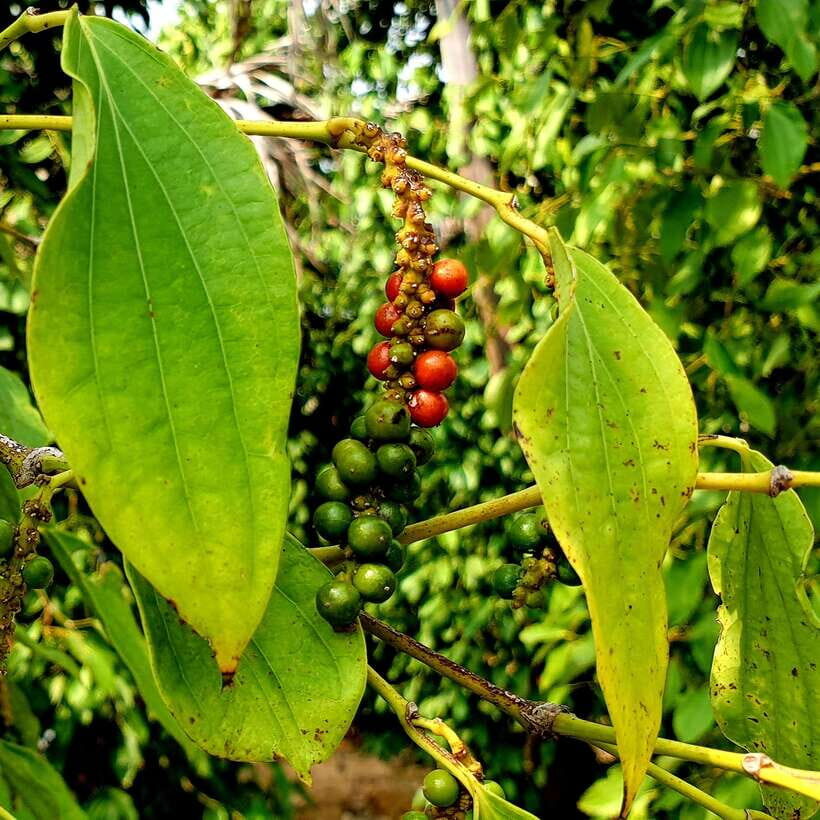
- Kampot pepper agri-tourism gives you a real sense of how the crop is grown and processed, not just a roadside photo moment.
- Phnom Chhngok Cave temple adds a peaceful, spiritual pause with a guided walk inside the cave area.
- Dry-season salt fields are a seasonal highlight, so timing matters if you’re visiting outside peak dry months.
- Kep crab market seafood moment means you can watch the seafood action up close and have it prepared with spices and sauces.
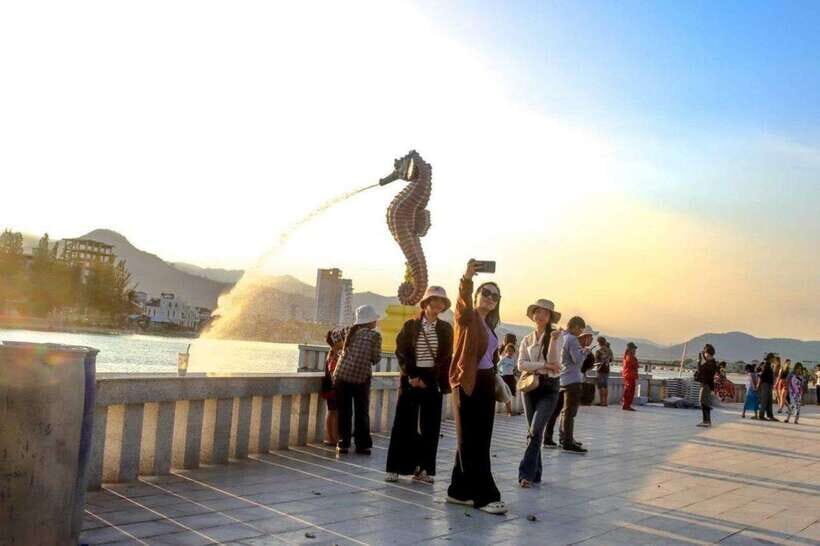
- Short locals-focused stops (like the Seahorse area) round out the day with coastal flavor without eating all your time.
Price and What You’re Actually Getting for $49
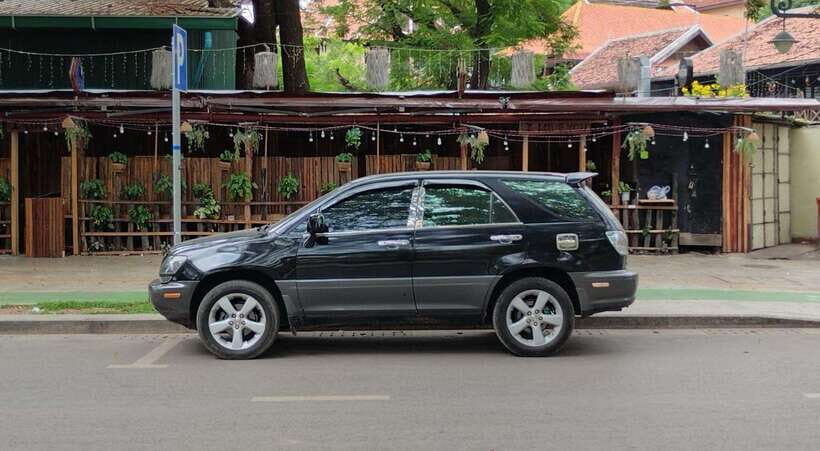
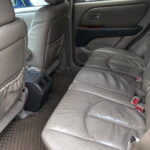
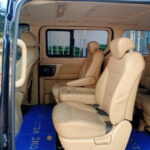
At $49 per person for a 9-hour private day trip, the value comes down to what’s bundled in: private air-conditioned transport, a licensed private driver, a licensed English-speaking guide, and hotel pickup/drop-off in Phnom Penh. You also get cold waters and wipes, plus parking and toll roads handled.
If you’re comparing this to piecing together multiple taxis and separate guides, the math usually gets messy fast—especially on a day like this where you’re crossing from the city into Kampot Province and then toward Kep’s coast. The biggest cost items you still need to cover are meals and a temple ticket (the tour doesn’t include those).
So I’d frame it like this: you’re paying for the convenience of one team coordinating everything, plus guided time at several specific stops. If you like a structured day with local context, this price feels reasonable for Cambodia’s south-coast route.
You can also read our reviews of more guided tours in Phnom Penh
Getting Out of Phnom Penh: The First Win Is Comfort
Your day starts with pickup from your Phnom Penh hotel lobby—plan to be ready and waiting about 10 minutes early. Then you’ll ride out in an air-conditioned vehicle with a private driver and a licensed guide.
This matters more than it sounds. The route is long enough that you’ll want the day to begin with comfort, not logistics. With a private setup, you’re not dealing with people being late or waiting around for multiple pickup points. Instead, your guide can keep momentum, and you can treat the stops as scheduled chapters of the day.
Bring a light layer too. Even if it’s hot outside, long rides in AC can feel chilly once you’re settled.
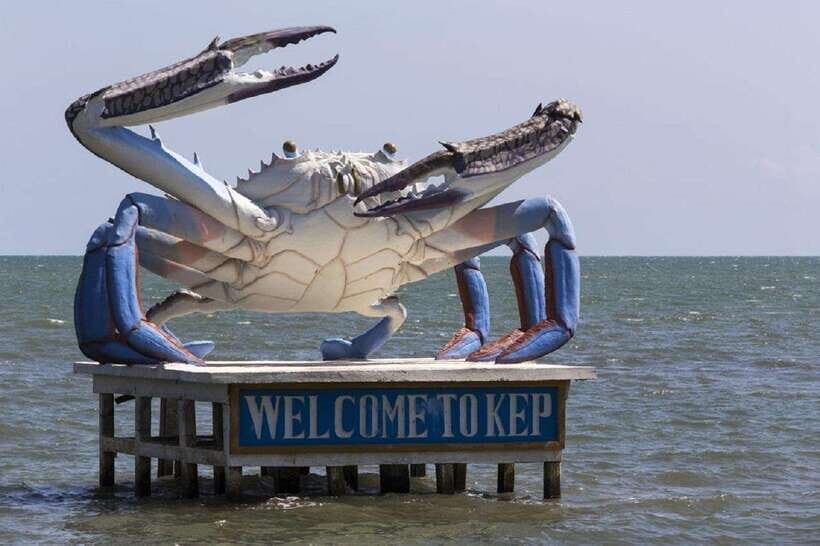
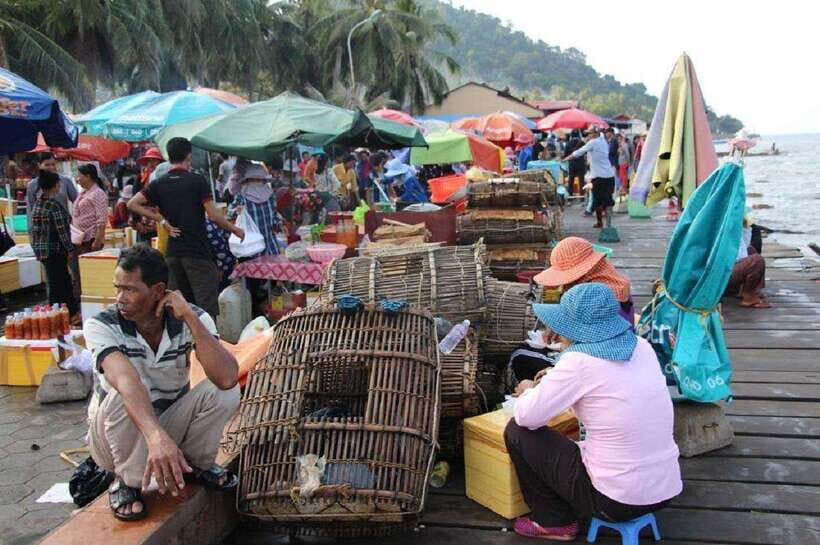
Stop 1: The Kep Crab Market Seafood Stop (and Why It’s More Than a Walk)
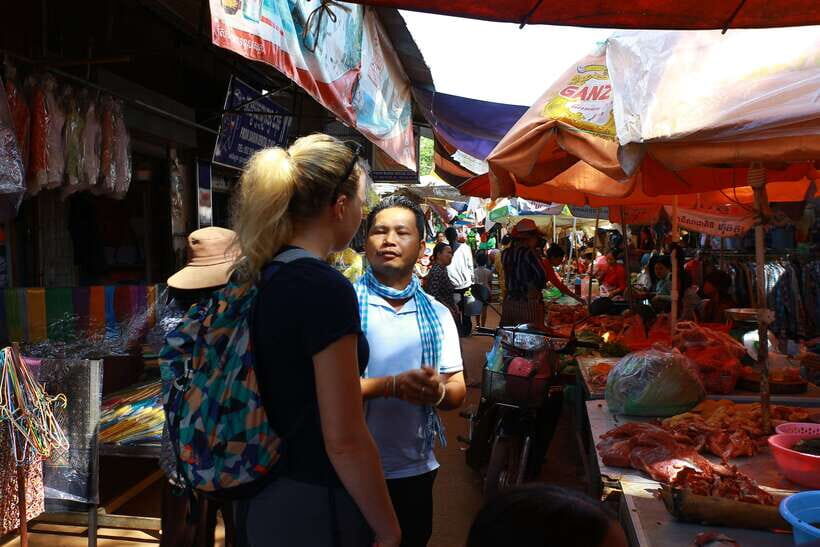
The first major Kep moment is the Kep Crab Market, with about an hour for photo stops, guided touring, and walking. This is where the day shifts from countryside learning to coastal food culture.
What I like about this stop is the sensory quality. The market isn’t just about crabs as an idea—it’s about the variety of shellfish you’ll see in motion, and the practical reality of how it gets handled and sold. If you want to eat, you can: the market setup includes seafood preparation on request, and you can pair it with an ice-cold beer if that’s your style.
A practical tip: if you want to order seafood, ask for what spice and sauce options they recommend. The description says you can have seafood prepared with amazing spices and sauces, which means your meal can be a big part of the experience rather than an afterthought.
Stop 2: Brateak Krola Classroom-Style Time (Expect Hands-On Learning)
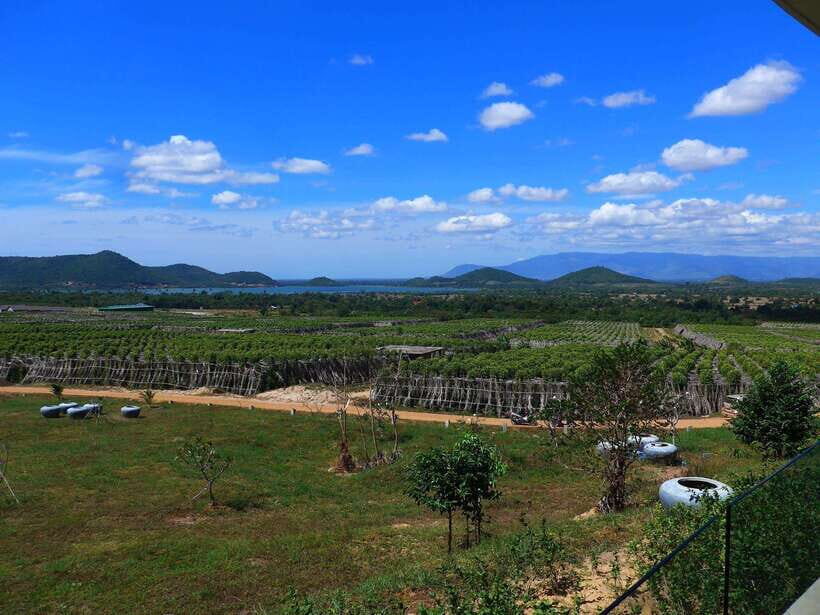
After the crab market, the itinerary moves into a more educational mode at Brateak Krola. You’ll have around 1.5 hours, including a class element along with photo stops, guided touring, and walking.
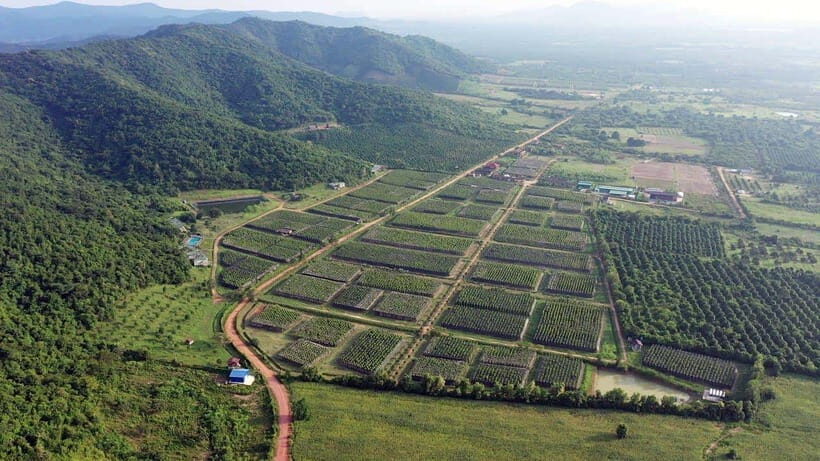
This stop is part of the tour’s agri-tourism approach. The theme of the day is Kampot pepper growth, so this is likely where the guide helps you connect what you’re seeing on farms with how pepper is grown, handled, and understood as a crop.
Drawback to know up front: classroom-style time can be less exciting if you prefer pure sightseeing and minimal instruction. But if you enjoy questions—how pepper is cultivated, what to look for, what makes Kampot pepper special—this is the sort of stop that turns a farm visit into something you remember.
Stop 3: La Plantation Pepper Farm Visit (Touristy, But Useful)
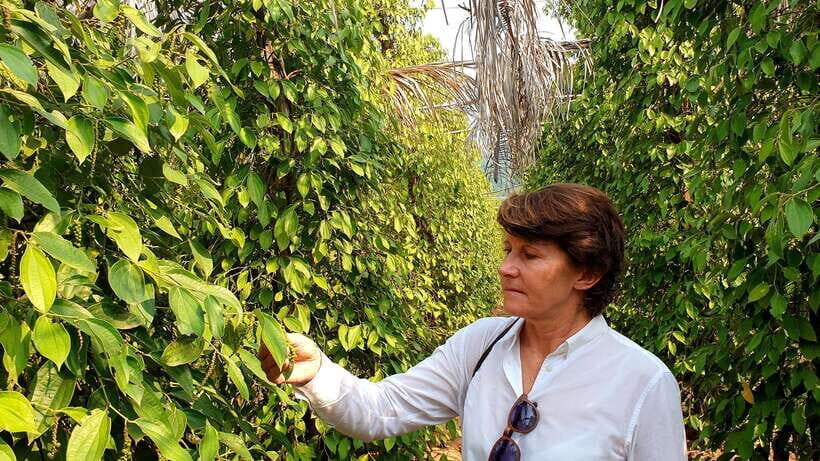
Then you move to La Plantation for about 1 hour. Expect guided touring, walking, photo stops, and sightseeing.
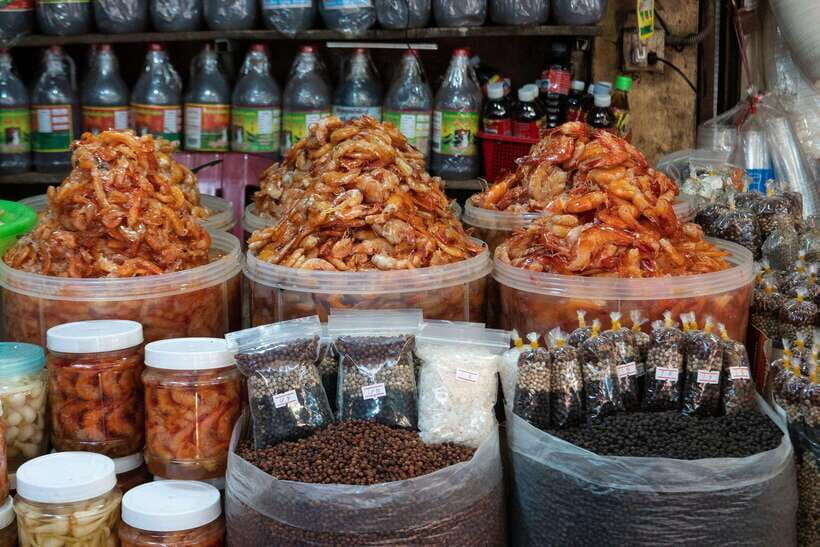
This is the part many people label as the most touristy element of the day. It can feel more organized and photo-driven than the salt fields or the market. Still, the pepper farm visit is useful because it gives you the big picture: you’ll see pepper in a real working environment, not just as packaged products.
If you’re the type who buys Kampot pepper at home, this stop helps you buy smarter. You’ll have better context for what you’re actually purchasing and why people talk about Kampot pepper’s quality.
Wear shoes you can stand in comfortably. Farm ground can be uneven, and you’ll probably do a bit of walking even when the stop is “just” an hour.
A few more Phnom Penh tours and experiences worth a look
Stop 4: Phnom Chhngok Cave Temple (Quiet, Peaceful, and Walkable)
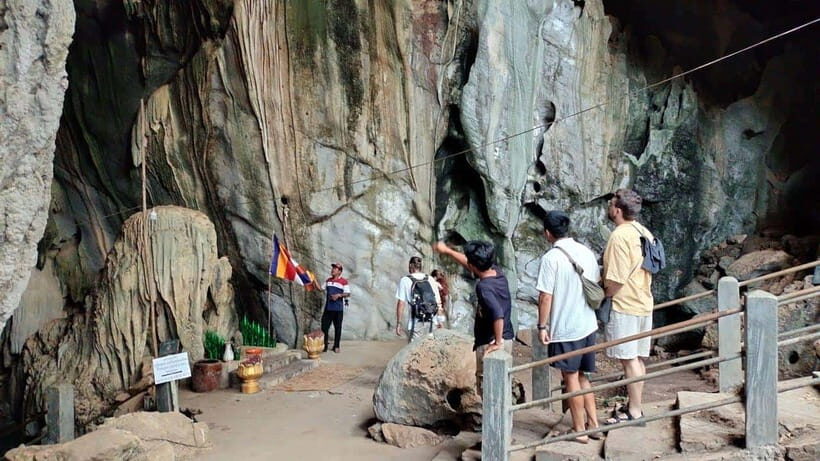
The day slows down at Phnom Chhngok Cave, also referred to as the cave temple stop. You’ll have about 50 minutes here for photo stops, guided time, and a walk.
This isn’t a huge temple complex. The focus is on a small temple inside the cave area, described as Pre-Angkorian Period. That word matters because it signals you’re looking at something with serious age and cultural weight, even if it feels intimate rather than monumental.
The cave setting is the real draw: you’re moving from daylight into a space with its own atmosphere. Even when it’s not crowded, it tends to feel like a pause in the day. One more note: there’s often walking/hiking involved on these stops. The cave portion is manageable for many people, but if you’re sensitive to uneven surfaces, go slow and ask your guide where the easiest paths are.
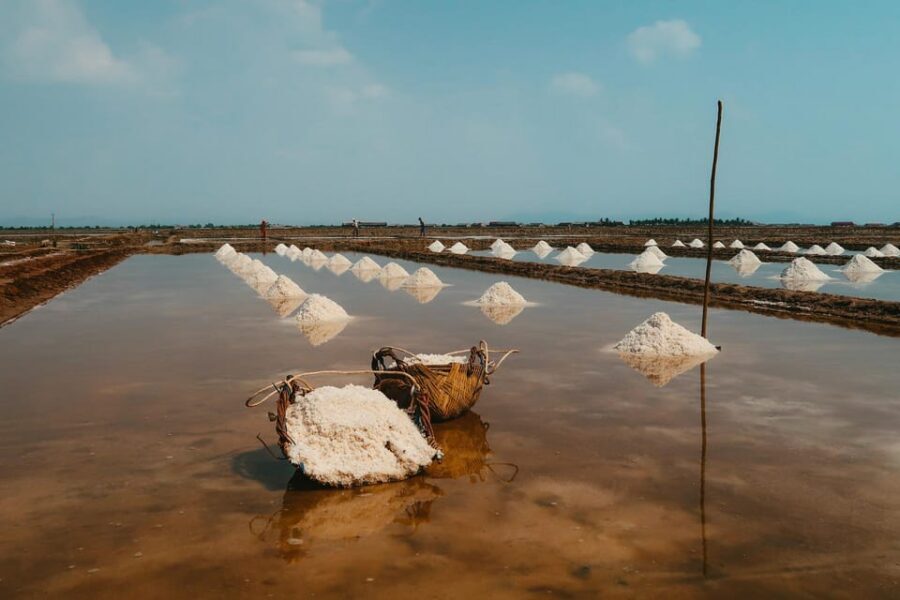
Stop 5: Salt Fields at the Kampot Salt Producers Association (Seasonal Reality Check)
Next up is a salt-fields stop tied to the local salt producers association in Kampot/Kep region (listed as a walk and guided touring with about 1 hour). You’ll do photo stops and sightseeing here too.
Here’s the important consideration: salt fields are available in the dry season only. So if you’re visiting during wetter months, you might see different conditions than what you’d picture in your head.
In the right season, salt isn’t just a scenic backdrop—it’s part of how you understand coastal economies. Your guide can connect the place to how salt is produced and why this area matters.
Practical tip: salt areas can be dusty and bright. Bring sunglasses and consider a hat. Also, keep an eye on footwear again. Even if you’re not hiking hard, you may walk on ground that isn’t “city clean.”
Stop 6: Seahorse Statue Area and Street Snacks (Local Flavor Without a Big Detour)
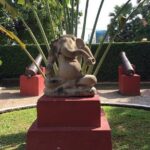
After the salt stop, you’ll visit the Seahorse Statue area (about 1 hour including guided touring and local snacks). The description places the Seahorse statue next to Prek Terk Chuu, so you’re not just jumping into a photo spot—you’re in a waterside setting.
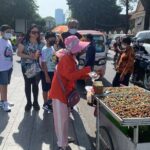
This is a good place to reset. You get a light local snack component, plus guided commentary that helps you understand what you’re seeing. If you like coastal Cambodia, this stop gives you that sense of place without requiring you to commit to another long activity.
If you have dietary needs, this is a good moment to speak up early with your guide so they can steer you toward options that fit.
The Day’s Coast-to-Countryside Balance (Why This Itinerary Works)
The itinerary is built on contrasts: pepper learning inland, then cave temple calm, then salt production at the edge of the coast, ending with seafood at Kep. That rhythm keeps the day from feeling repetitive.
Here’s how to read each chapter:
- Agriculture (pepper) gives context for what Kampot is known for.
- The cave temple offers a quieter, more reflective break from “shopping for a memory.”
- Salt fields show another side of coastal industry, tied directly to the landscape and seasons.
- Kep crab market is your reward, because the food here is immediate and interactive—you can watch, choose, and have seafood prepared.
One drawback to consider is that the day is long, about 9 hours. Make sure you don’t plan anything important in Phnom Penh afterward. This is a full-day outing, not an appetizer tour.
Also, while the tour includes cold waters and wipes, meals aren’t included. Build your expectations around that: you’ll either eat lunch on your own or eat at places your guide recommends during the day.
What the Private Guide Adds (and Why People Mention Them)
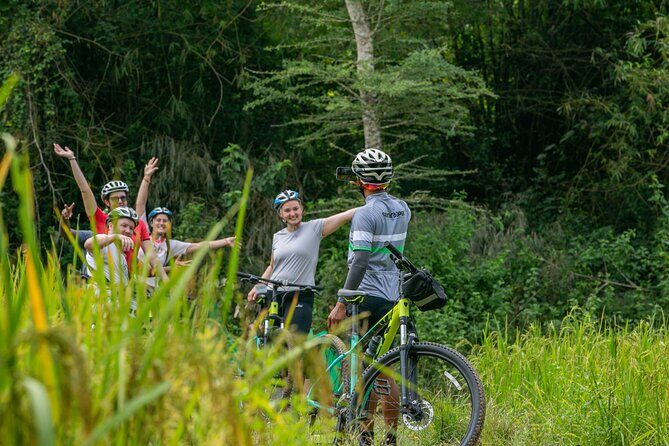
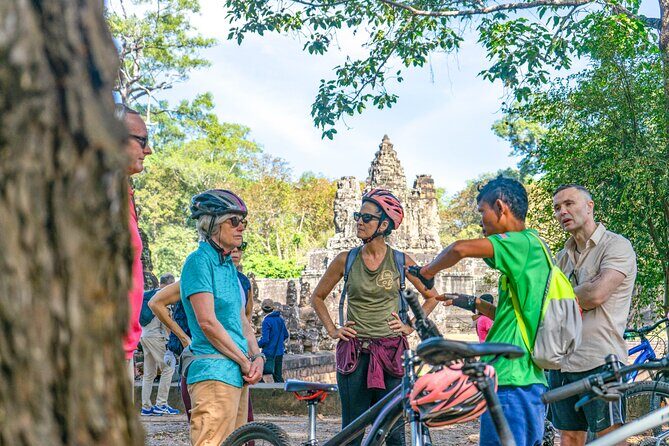
This is a private tour, which means your guide can actually read the room. In descriptions of guides tied to this experience, people highlight that they’re not just reciting facts—they’re friendly, hospitable, and quick to answer questions.
You’ll also notice that the guide role goes beyond “walking next to you.” For example, one description includes a side detour to a cave where school children came and swam inside. You shouldn’t assume every trip gets that kind of extra, but it’s a sign that the guide may look for moments that fit the day and your interests.
If you enjoy conversation—what you’re seeing, how people live, why they do things a certain way—this tour format is built for that. If you prefer quiet and minimal chat, you can still do it that way, but you’ll likely be offered information because that’s part of the value here.
Practical Tips: How to Prep So You Enjoy Every Stop
Before you go, think about comfort and timing more than sightseeing checklists.
- Wear closed-toe shoes you can walk in. Even “short” stops add up across uneven ground.
- Bring a hat and sunglasses if you’re visiting during bright sun, especially for salt fields.
- Bring cash for meals since meals and the temple ticket aren’t included.
- Be ready for questions if you want pepper and salt explanations. This tour is set up for guided learning.
- Don’t schedule evening plans in Phnom Penh. You’ll be tired in a normal human way by the time you return.
Also, keep expectations realistic about the pepper farm being more structured. That’s the tradeoff: you get clarity and learning, but the vibe can be more “tour stop” than “wandering.”
Should You Book This Kampot and Kep Day Trip?
I’d recommend booking this if you want a guided, private day that hits both inland agriculture and coastal seafood without having to plan and coordinate multiple independent trips. It’s especially good for couples, friends, or solo travelers who like learning from a local guide and want value in the form of transport + organization.
Skip it or rethink it if:
- You hate long travel days or you’re not comfortable with walking/hiking.
- You’re only interested in one type of experience (like pure nature or pure food). This tour mixes several themes, and pepper learning is a meaningful chunk of the day.
For most people choosing between “do it on your own” vs “have a guide handle it,” this one is a strong choice because the route is coherent, the stops are specific, and the guide work is a big part of why people enjoy the day.
If you go, show up early, wear solid shoes, and come hungry for Kep seafood. That combo is how the day turns from a drive into a story.
FAQ
How long is the Phnom Penh to Kampot and Kep day trip?
The tour runs for about 9 hours, listed as a one-day experience.
Is this a private tour or a shared group?
It’s a 100% private tour with the number of people you book, not a join tour.
Where does pickup happen?
Pickup is from your hotel lobby in Phnom Penh (plan to wait about 10 minutes before pickup time).
What language is the live tour guide?
The live tour guide speaks English.
What’s included in the price?
Included are private air-conditioned transport, a private licensed driver, a licensed guide, hotel pickup and drop-off, toll roads, parking, and cold waters & wipes.
What is not included?
Meals and the temple ticket are not included.
Are the salt fields always available?
Salt fields are available in the dry season only.
What are the main stops and activities?
The route includes Kep Crab Market, stops connected to pepper growth and pepper plantation, Phnom Chhngok Cave temple, salt fields, and the Kampot Seahorse Statue area, with time for guided touring and walking at each.