REVIEW · PHNOM PENH
Oudong Mountain & Phnom Baset Private Tours from Phnom Penh
Book on Viator →Operated by About Cambodia Travel & Tours · Bookable on Viator
Oudong turns a city day into a story. This private tour pairs hotel pickup with all entrance fees, then stacks temple stops from Oudong’s royal past to Phnom Baset’s older temple views. I especially like the private, air-con transport (comfort matters in Cambodia heat) and the way your guide ties sites together with clear explanations. One consideration: it’s a long day (about 7–9 hours), and food is on your own dime.
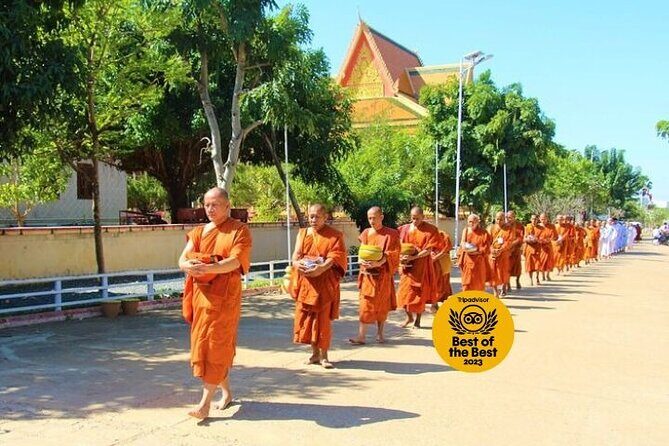
If you get a guide such as Makara, Ching & Tuk, or Tok (names often linked with this tour), you’re in good hands. People highlight patience, kindness, and the practical habit of helping you enjoy the heat—like offering cold drinks and cold towels along the way. My only caution is pace: the itinerary is packed with religious sites, so if you prefer slow wandering, you may want to ask for extra time at your favorite stop.
In This Review
- Key Points You’ll Actually Care About
- A Private Day Trip From Phnom Penh to Oudong and Phnom Baset
- Oudong Temple on Mountain-Time: Royal Capital on Three Hills
- Phreah Reach Troap and Phnom Oudong: Relics and Sacred Mountain Meaning
- Royal Tombs of Oudong: Over 200 Years of Remains and Stupa Dots
- Preah Sakyamoni Chedi: A Photographer’s Reward, With a Good Reason
- Vipassana Dhurak and Sontte Wan Buddhist Centers: Quiet Practice in a Busy Day
- Koh Chen and Kampong Luong Pagoda: Crafts, Worship, and a Curious Story
- Phnom Baset: Pre-Angkorian Temple, Reclining Buddha, and Big Plains Views
- Wat Sowann Thamareach: A Rarely Seen Architectural Twist
- The Guide Commentary Is What Makes This Feel Like More Than Sightseeing
- Price, Comfort, and Where the Day Adds Up
- Who This Oudong and Phnom Baset Tour Suits Best
- Should You Book This Tour?
- FAQ
- How long is the Oudong Mountain & Phnom Baset private tour?
- Do I get hotel pickup and drop-off?
- Are entrance fees included?
- Is lunch included in the tour price?
- What kind of guide will I have?
- Is free cancellation available?
Key Points You’ll Actually Care About
- Hotel pickup and drop-off mean you’re not wrestling with tuk-tuk logistics before temple time
- Entrance fees are included, so you can budget without surprise costs at the gate
- Private luxury air-con vehicle keeps the day comfortable between hilltops and pagodas
- Expect multiple Buddhist centers (Vipassana Dhurak and Sontte Wan) that shift the mood from stone monuments to living practice
- The day includes Oudong’s royal tomb areas and chedi structures, not just one viewpoint photo stop
- Food isn’t included, so plan for lunch at local restaurants (with vegetarian options)
A Private Day Trip From Phnom Penh to Oudong and Phnom Baset
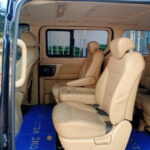
This is built as a full, single-day circuit out of Phnom Penh. You get pickup and drop-off at your hotel, plus a private ride in a luxury air-conditioned vehicle, which is a big deal when the afternoon sun hits. Entrance fees for the stops on the program are covered, so your money stays focused on the day rather than tickets.
The route is designed to give you history and contrast. Oudong is about kings, religious monuments, and the big “on-the-hill” view of Cambodia’s past. Phnom Baset adds a different feel, with a pre-Angkorian temple and a reclining Buddha, plus open plains views.
Also, this is private. It’s just your group in the vehicle and with your guide, so you can ask questions and slow down at the parts you like.
You can also read our reviews of more private tours in Phnom Penh

Oudong Temple on Mountain-Time: Royal Capital on Three Hills
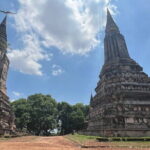
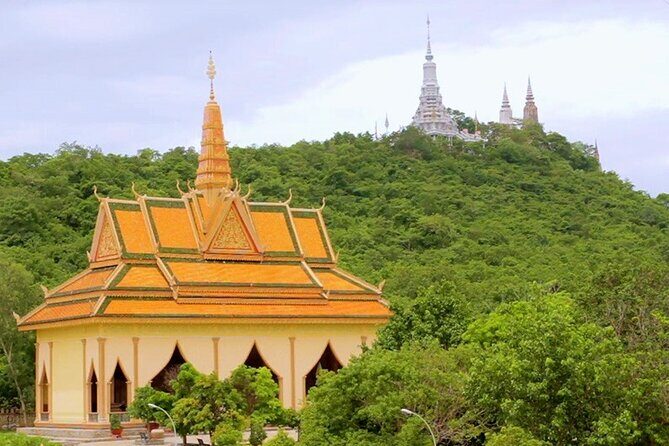
The day kicks off at Oudong Temple. Oudong served as the royal capital between 1618 and 1866, before the capital shifted to Phnom Penh. The area’s temples and stupas spread over three hills, and those huge stupas can be seen from miles away—so even before you fully reach the details, you get a sense of scale.
What I like about starting here is that you get the “why” first. Oudong isn’t just a viewpoint; it’s the historic center that shaped religious and political life for centuries. If you come with questions—about rulers, changing capitals, or how Buddhism ties into the monument layout—this is a strong place for answers.
A practical consideration: hilltop sites can mean walking and uneven stone. The tour keeps things structured with time blocks, but you’ll still want comfy shoes and a water plan.
Phreah Reach Troap and Phnom Oudong: Relics and Sacred Mountain Meaning
Next up is Phreah Reach Throap Mountain, also tied to Phnom Oudong. This sacred mountain is described as having relics from ancient settlement times, which gives you a deeper layer than “just temple buildings.”
From a travel-writer lens, this stop matters because it shifts the day from dates and dynasties to physical reminders of much older occupation. It’s the kind of place where a guide’s explanations can turn stones and stairways into something you can actually picture in your head.
Then the route returns to the Phnom Oudong hill area for the royal tomb zone. That sets up a logical rhythm: sacred mountain → royal meaning → memorial objects.
Royal Tombs of Oudong: Over 200 Years of Remains and Stupa Dots
The Royal Tombs of Oudong are on a hill also called Phnom Oudong. Here you’ll see remains associated with rulers spanning over 200 years, and the area includes several stupas along the east–west layout.
This is one of those stops where it helps to have someone narrate what you’re looking at. The tombs aren’t just a single monument; they’re a complex area where spacing and placement add to the atmosphere. If you’re the type who likes to connect the dots—who’s buried where and why—give yourself a bit of mental space and take your time reading what your guide points out.
Time is shorter here (about 30 minutes), so don’t expect a museum-style pace. Think of it as a focused walk with meaning, not a long excavation of details.
Preah Sakyamoni Chedi: A Photographer’s Reward, With a Good Reason
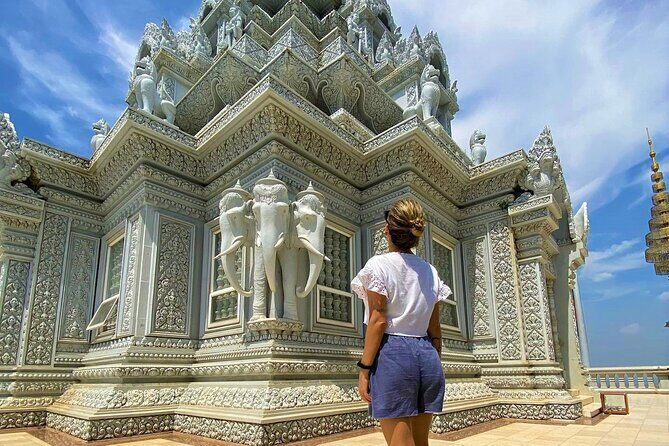
After the royal tombs, you’ll visit Preah Sakyamoni Chedi. This chedi is described as picturesque and worth patience for photos, and it’s also noted for being one of the best and most intact chedi structures in Oudong.
Why this matters: an intact structure can show you more clearly how the design was meant to look. Even if you’re not a “temple architecture” nerd, you’ll likely notice cleaner lines, clearer form, and less guesswork about what’s original versus restored.
If you want the best chance at great pictures, plan to slow down at the chedi itself and let your guide show you angles. Even within a short stop, a little guidance can prevent you from shooting the same view everyone else gets.



Vipassana Dhurak and Sontte Wan Buddhist Centers: Quiet Practice in a Busy Day
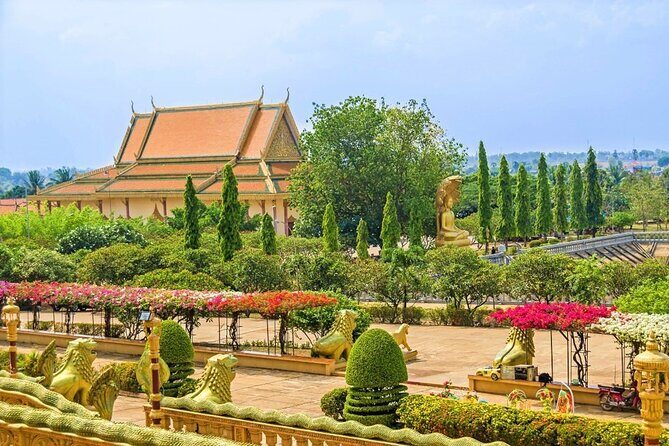
The itinerary then moves from royal monuments into active religious spaces. At Vipassana Dhurak Buddhist Centre, the main purpose is teaching Vipassana meditation techniques, but the complex is open to the public so you can wander the gardens. This can feel like a mental reset after the more memorial-heavy Oudong sites.
Sontte Wan Buddhist Meditation Center follows, and it’s highlighted as the largest Buddhist center in Cambodia. It’s also described as very beautiful in decoration, which is your clue that you’ll get more visual richness here than at many strictly utilitarian temple buildings.
The program includes a longer visit around the Sontte Wan complex (there’s an additional stop segment tied to the center area). In practice, that gives you time to take in details and move at your own speed, which is handy when you’re balancing heat, shade, and your own curiosity.
A respectful tip: these are places with living purpose. Keep your voice down, watch where you step, and use your guide as the translator for how to behave in the space.
Koh Chen and Kampong Luong Pagoda: Crafts, Worship, and a Curious Story
Midday, you’ll hit Moni Sakor Pagoda and a nearby stop connected to Koh Chen island. Koh Chen is in the Tonle Sap Lake area, described as easy to reach from Oudong and Phnom Penh. The program specifically mentions visiting Koh Chen and a village known for silver crafts.
This stop works well because it breaks the strict temple sequence with something hands-on and local. Even if you don’t buy anything, watching craft traditions is a different way to learn about the region than reading plaques.
Then the tour goes to Kampong Luong Pagoda, noted as a place of worship. There’s also a detail about a secretary of the museum mission having great difficulty convincing the chief of the pagoda, which hints at how careful people can be about changes and access around religious spaces. It’s the kind of anecdote your guide can put into context, turning a quick stop into a moment with meaning.
Phnom Baset: Pre-Angkorian Temple, Reclining Buddha, and Big Plains Views
The program’s feel changes again at Phnom Baset. You’ll see a pre-Angkorian temple from the 8th century and a reclining Buddha. The view from the temples over the surrounding plains and rice-fields is also called out as beautiful, and that’s the payoff moment on a long day.
If you like when history opens into scenery, this is where you get it. Oudong gives you monument scale on hills, but Phnom Baset adds breadth—fields spreading out beyond the temple structures.
Time here is about 2 hours, which is generous compared with many temple stops. Use that extra time for two things: sit for a minute and absorb the view, and then do a slower look inside the temple areas rather than rushing for photos.
Wat Sowann Thamareach: A Rarely Seen Architectural Twist
The last major temple stop is Wat Sowann Thamareach. It’s described as rarely visited, but worth the time for a very different architectural monument in a new Buddhist temple complex. The notes emphasize that it isn’t your typical traditional layout, which means you’ll likely see forms and styles that feel less familiar than the older, classic temple look.
This is a smart way to end the temple-heavy day. Instead of repeating the same monument type again, you get a different visual vocabulary, which keeps your brain awake for the last stretch.
The Guide Commentary Is What Makes This Feel Like More Than Sightseeing
This tour is sold on having an insightful personal guide. That’s not just marketing talk—here, it actually changes how the sites land. Oudong’s religious and royal context can be confusing if you only look at buildings, but when your guide explains what you’re seeing and why it was built that way, the day clicks into place.
The best-rated experiences tie directly to how guides handled questions. People mention patience and the ability to answer lots of queries, which matters because temple areas often raise practical questions like how rulers, relics, and Buddhist practice connect. If you’re the type who likes to understand what you’re looking at rather than just snapping pictures, this is the part you’ll remember after the photos fade.
Also, the guides and drivers are described as attentive. One detail repeated in the feedback is cold drinks and cold towels during hot weather, which turns a long day into something easier to handle.
Price, Comfort, and Where the Day Adds Up
The price is $135 per person for a 7–9 hour private tour with hotel pickup, a private luxury air-con vehicle, and entrance fees included. That’s not a bargain-basement price, but it’s also not an out-of-this-world splurge considering the convenience and the covered tickets.
Here’s how I’d think about value:
- If you’d otherwise pay for a driver plus separate entrance fees, the all-in approach can feel fair.
- If you’re coming as a couple or small group and want the comfort of air-con and a guide who can answer questions, you’re paying for time saved and stress avoided.
What’s not included is lunch. You’ll need to eat on your own at local restaurants, with dish prices roughly $3–$10 and both vegetarian and non-vegetarian options. For a full-day tour, plan ahead so hunger doesn’t decide your mood.
Tips for the guide and driver are also your responsibility. This is standard in Cambodia, but I like to mention it because it prevents the end-of-day surprise feeling.
Who This Oudong and Phnom Baset Tour Suits Best
This tour fits best if you want a structured day outside Phnom Penh without losing control of your schedule. It’s ideal for first-time visitors who want a strong overview—royal capital monuments, major Buddhist centers, and a pre-Angkorian temple with classic views.
It also suits travelers who enjoy conversation. The format is private, and the tour is explicitly guided with commentary designed to help you make sense of Cambodia’s past.
If you prefer mostly free-choice wandering with no set stops, this might feel too scheduled. And if you hate temple walks and heat, you’ll need to manage expectations with water, shade breaks, and slower pacing.
Should You Book This Tour?
I’d book this tour if you want a comfortable, private day that mixes Oudong’s royal significance with Phnom Baset’s older temple atmosphere, all with entrance fees handled for you. The big “selling point” is the guide-led understanding plus the practical comfort of private air-con transport.
I’d think twice only if you’re on a tight schedule, very budget-focused, or you’d rather do a slower, do-it-yourself route. In that case, you may prefer a lighter day with fewer stops.
If you do book, come ready for a long but rewarding temple-and-culture circuit, and bring a little patience for the heat. That’s when the cold drinks and towel details start to feel like a small luxury.
FAQ
How long is the Oudong Mountain & Phnom Baset private tour?
The tour runs about 7 to 9 hours.
Do I get hotel pickup and drop-off?
Yes, pickup and drop-off at your hotel are offered. You provide your hotel name for pickup.
Are entrance fees included?
Yes. All entrance fees for the sites included on this tour are provided.
Is lunch included in the tour price?
No. Lunch is not included, and you’ll eat at local restaurants at your own expense.
What kind of guide will I have?
You’ll have a professional English-speaking licensed tour guide.
Is free cancellation available?
Yes. You can cancel up to 24 hours in advance for a full refund, with the cut-off based on local time.