REVIEW · PHNOM PENH
Chiso temple, Neang khmao, and Taprum temple historical site Tour
Book on Viator →Operated by The Killing Field and S21 Genocide Tour · Bookable on Viator
From rice-field views to crumbling brick towers, this route packs surprises. You’ll see Phnom Chisor from the back-side viewpoint, with a clear line of sight into the countryside, then move on to Angkor-era structures like Prasat Neang Khmau. I especially liked how the stops connect history, big scenery, and real, lived-in spirituality.
The other thing I really value is the way the guide explains what you’re looking at on the ground. In my case, the English-speaking guide Soapheak brought serious detail to the pagoda lifestyle and the surrounding structures and characteristics, not just dates on a sign.
One possible drawback: it’s a full 8-hour day, so you’ll want to plan for sun, walking uneven stone, and not having any included food. If you’re heat-sensitive, bring shade gear and snacks.
In This Review
- Key things you’ll notice on this tour
- Phnom Chisor: 11th-century sculptures and a viewpoint that does the work
- Prasat Neang Khmau: crumbling brick towers and an active pagoda
- Tonle Bati: the local-lake pause that breaks up temple time
- Ta Prohm Temple: King Jayavarman VII’s smaller version with standout art
- Yeay Pov Temple: finishing with more sacred geometry
- What an 8-hour private circuit is like in the real world
- Price and value: $190 per group (up to 5) with guide, A/C, and fees
- Guide quality: why Soapheak’s style matters on temples
- Who this tour suits best (and who should think twice)
- Should you book this Chiso–Neang Khmau–Ta Prohm circuit?
- FAQ
- What is the duration of this tour?
- How much does the tour cost?
- Where is the pickup location in Phnom Penh?
- Is the tour private?
- Are temple admissions included?
- Is food included?
- Do I need cash for tickets or fees?
- What is the cancellation policy?
Key things you’ll notice on this tour
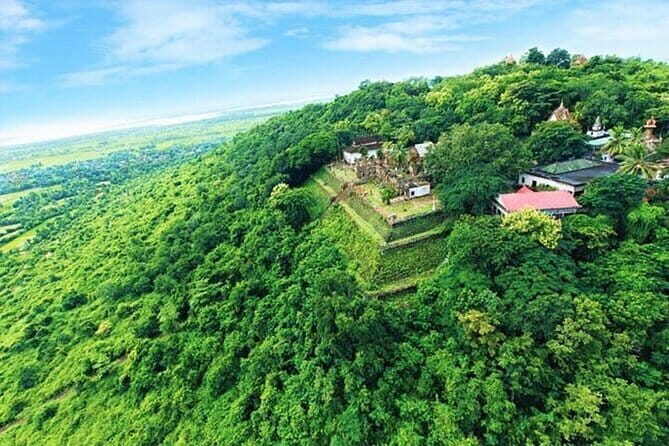
- Phnom Chisor’s back-view photo spot over rice fields and countryside from temple ground level
- A Shiva connection at Prasat Neang Khmau with brick prasats tied to King Jayavarman IV
- An active pagoda feel at Neang Khmau, where the site is still part of daily religious life
- Ta Prohm’s unique art, smaller than Angkor but built in the era of King Jayavarman VII
- Tonle Bati as a local break near Phnom Penh, known for weekends and fishing
- Private, group-of-up-to-5 format with air-conditioning, cool water, and all fees included
Phnom Chisor: 11th-century sculptures and a viewpoint that does the work
Phnom Chisor is the kind of temple you remember because of the combo: carvings up close, and scenery when you step back. Dating to the 11th century, it’s filled with sculptures that still read well today, and you can walk through different galleries and even go into the worship areas.
What makes Chisor especially practical is the viewpoint experience. At the back of the temple, you get a prime spot for pictures where you can see a vast plain of rice fields and countryside stretching out around Phnom Chisor. That’s the moment when the temple stops feeling like a single monument and starts feeling like part of a working region—farm land, distance, and daily life.
Also pay attention to what the view is showing you. Looking down to the east, there’s an avenue that forms a straight line connecting major features: two outer temples with a cruciform ground plan and a moat. You’re not just sightseeing; you’re seeing how the site’s layout was designed to guide your eye.
What could slow you down here: the walking paths and gallery areas can mean uneven footing and a decent amount of sun exposure. If you’re moving slowly, plan time to pause and still enjoy the view.
You can also read our reviews of more historical tours in Phnom Penh

Prasat Neang Khmau: crumbling brick towers and an active pagoda
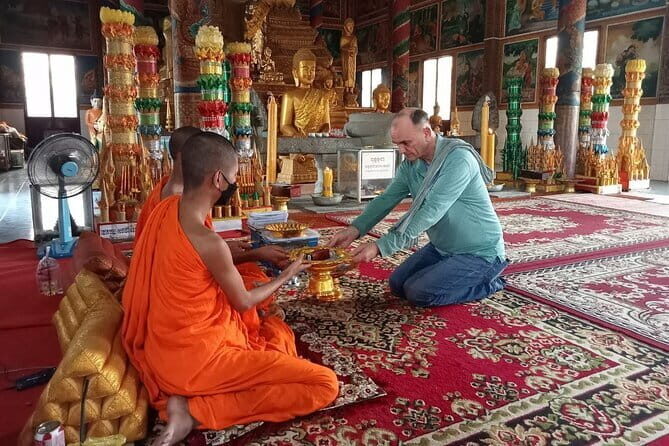
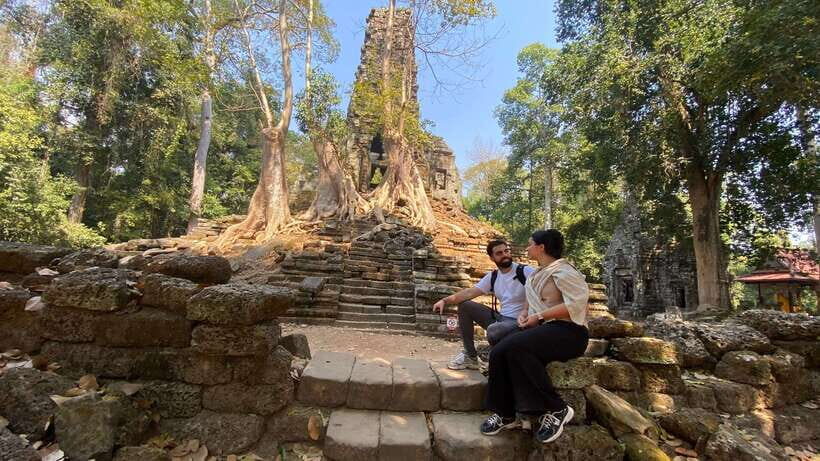
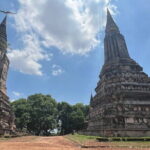
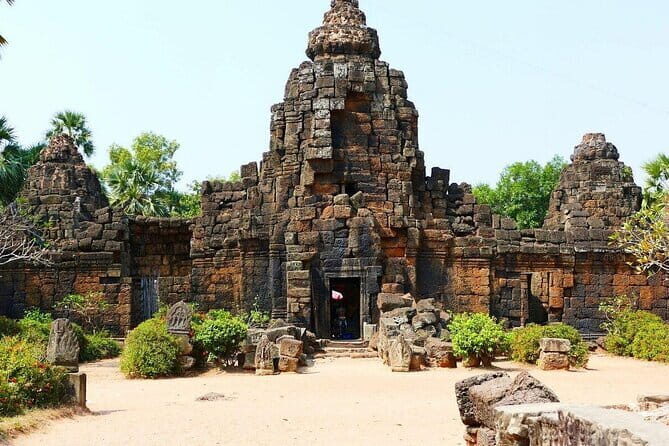
Next is Prasat Neang Khmau, and this stop feels different right away. Instead of a big, polished complex, you’ll be looking at two deteriorating brick prasats (towers) built in the Angkorian era in the 10th century under King Jayavarman IV. The site also sits beside an active pagoda, so the atmosphere is not frozen in time.
Here’s a detail worth keeping in mind as you walk: it’s believed the original layout may have included at least one more, and possibly as many as three additional ancient prasats. Standing there with only two visible towers, you start imagining the missing pieces—and the guide’s explanation helps that mental reconstruction click.
Prasat Neang Khmau also has a clear religious origin. It was originally dedicated to the Hindu god Shiva. Even if you’re not focused on the doctrine, it adds meaning to the carvings, placement, and the way the site is treated today. This is one of those moments where history and present-day practice sit side by side.
Tip for better photos: since you’re at a working spiritual location, keep your camera low and your movements calm when people are nearby. It’s not a place to rush.
Tonle Bati: the local-lake pause that breaks up temple time
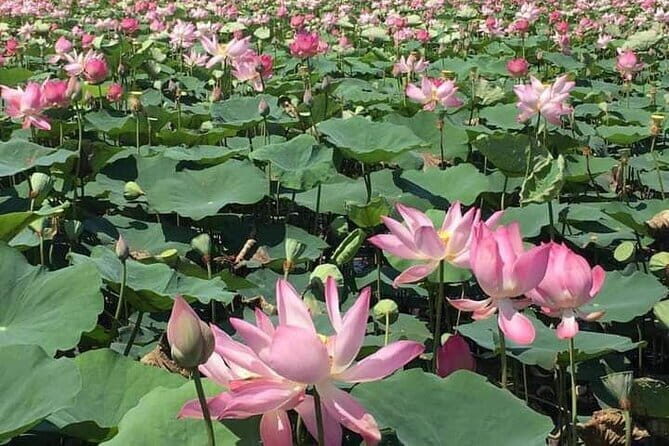
After temples, Tonle Bati is a nice reset. It’s a small lake about 30 km south of Phnom Penh, and it’s popular as a weekend destination for local people. It’s also known as a fishing spot, which gives the lake a more everyday feel than a purely tour-focused viewpoint.
This stop works for a practical reason: it gives your legs a break. You’re shifting from stone galleries and climb-like temple paths to open air and the kind of casual wandering that helps you absorb what you just saw.
There’s no indication of a ticket requirement here in the tour info, so this is mainly a time-and-attitude stop—slow down, look around, and let the day breathe. If you like photographing water and daily life (rather than just monuments), this will likely be a highlight.
Ta Prohm Temple: King Jayavarman VII’s smaller version with standout art
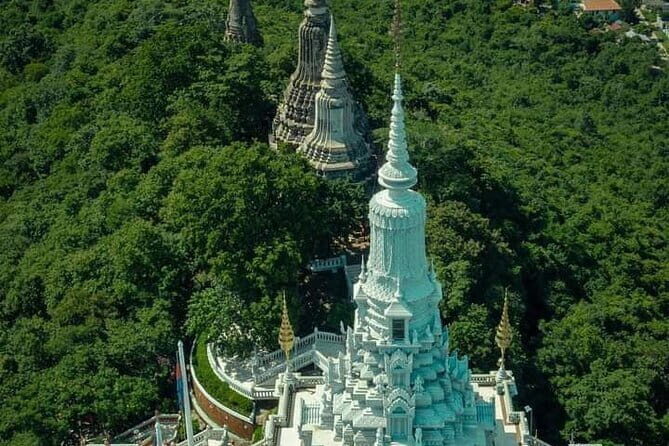
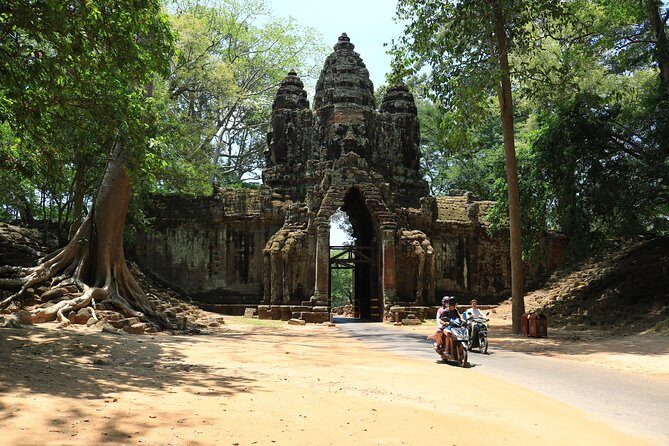
Then the tour moves to Ta Prohm Temple. If you’ve heard of Ta Prohm at Angkor, this is the key distinction: this Ta Prohm is smaller than the famous one, but it features a lot of very unique art.
The timing is also different in the story. This temple was built during the reign of King Jayavarman VII, in the late 12th or early 13th century. That means you’re looking at another phase of Khmer temple design and decoration, not just a random detour.
What I like about including Ta Prohm (even in a smaller form) is that it gives you a visual comparison point. You can see how style shifts across reigns and how artistry survives in different scales. And because the tour keeps you moving through related sites, your brain starts connecting themes—layout choices, stone treatment, and the way religious spaces are expressed through decoration.
Possible drawback: if you’re the type who wants only the biggest-name monuments, the “smaller than Angkor” note might feel like a compromise. But if you’re here for details and craftsmanship, the unique art is exactly what you came for.
Yeay Pov Temple: finishing with more sacred geometry
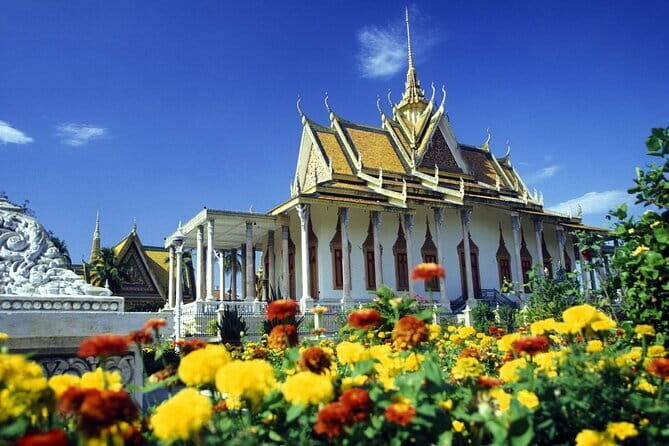
Yeay Pov Temple is the tour’s last temple stop mentioned in the route overview. Even without lots of extra detail provided here, it still plays a role in how the day feels: you’re not just doing one-off temple hits, you’re ending with another sacred site that keeps the Khmer temple thread going.
Think of Yeay Pov as the closing chapter. By the time you reach it, you’ve already learned the basics of the day’s theme: Angkorian-era construction, earlier connections to Hindu devotion, and the way some places stay active for worship while other parts crumble or shift over time.
This kind of ending tends to land well if you’ve been paying attention earlier—especially if you noticed how Chisor’s eastern line of sight ties multiple features together. Yeay Pov helps you wrap the circuit into a single story instead of a list of stops.
You can also read our reviews of more museum experiences in Phnom Penh

What an 8-hour private circuit is like in the real world
The tour runs about 8 hours total and starts at 8:00 am. It’s built as a private experience for your group (up to 5 people), and transport time is already included in that total. Pickup is at River Crown Restaurant, 357 St. 178, Prehsisovath Quay, Phnom Penh 12206, Cambodia, and the tour ends back at the same meeting point.
Itinerary-wise, you’ll spend:
- Around 2 hours at Phnom Chisor
- Around 1 hour at Prasat Neang Khmau
- About 1 hour at Tonle Bati
- Plus additional time at Ta Prohm Temple and Yeay Pov Temple to complete the full circuit
Because the day is temple-heavy, your comfort will depend on weather and walking. Bring a hat, sun protection, and practical shoes. The tour includes cool water, but it doesn’t include food or beverages—so plan to bring your own light snacks or budget for a break outside the tour’s inclusions.
Good to know: each stop’s admission is listed as free in the provided tour details. That’s one of those details that quietly improves the value, since temple ticket costs can add up on other tours.
Price and value: $190 per group (up to 5) with guide, A/C, and fees
The price is $190 per group up to 5 people. That means the value changes a lot depending on your group size, and this is one of those tours where splitting it makes a big difference.
Here’s the math in plain terms:
- If you’re 1–2 people, you’re paying a premium per person for a private car and an English-speaking guide.
- If you fill the group closer to 5 people, it becomes much easier to justify—because the same vehicle and guide time covers more mouths.
What you’re getting that supports the price:
- An English-speaking tour guide
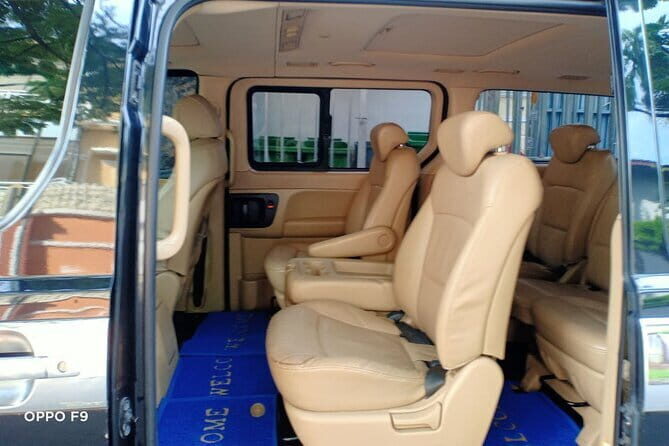
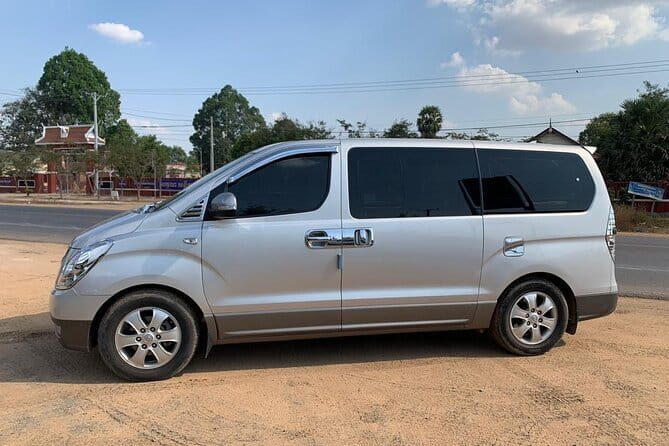
- Transportation by air-conditioned vehicle described as clean and hygienic
- A save-and-friendly driver
- Cool water
- All fees and taxes
What you’re not getting:
- Food and beverages
- Travel insurance
- Tipping (not included for guide/driver)
- Personal expenses
For many people, the best value is the combo of private pacing + included guide explanations + free admissions. If you’re traveling as a couple or solo, ask yourself whether you prefer private comfort over the chance to share costs on a larger group tour. If private matters to you, this price can work well—especially if you book early (this one often is, based on how far in advance it’s typically reserved).
Guide quality: why Soapheak’s style matters on temples
The standout praise in the reviews centers on the guide. The name Soapheak comes up with a comment about his depth of knowledge around pagoda lifestyle and the surrounding structures and characteristics.
That matters more than it sounds. On temple sites, details can get lost if the guide only says what’s written on a plaque. A guide who can explain how the pagoda functions and how the architecture behaves helps you see patterns—placement, deterioration, and what you can realistically interpret from the ruins.
If you like learning in a way that connects to what you physically see, this tour’s guide component is a strong reason to book.
Who this tour suits best (and who should think twice)
This tour is a good match if you want:
- Khmer temple sights without being locked into the biggest-name circuit
- A day that mixes architecture with views and a local-feeling lake stop
- A private format where you can ask questions and move at your pace
- An English-speaking guide who can explain what you’re looking at
It’s less ideal if you:
- Need a lot of built-in downtime or air-conditioned rest stops during the day
- Want food included in the price
- Prefer only fully restored temple complexes, since Neang Khmau includes deteriorating brick towers
Should you book this Chiso–Neang Khmau–Ta Prohm circuit?
I’d book it if you’re the type of traveler who enjoys tracing connections: a temple viewpoint that shows layout planning, a Shiva-related prasat site with visible history in the bricks, and a final day rhythm that includes Tonle Bati’s local calm. The free admissions and included A/C transport also help the cost feel more grounded.
I’d hesitate if you’re shopping on a strict budget as a small group, because the $190 private price can feel heavy per person if you don’t fill up to 5. In that case, consider whether you’d rather split costs with other travelers on a shared tour.
If you do book, go in with the right mindset: wear comfortable shoes, plan for sun, and use the guide’s explanations to turn ruins into readable places.
FAQ
What is the duration of this tour?
The tour lasts about 8 hours total.
How much does the tour cost?
It costs $190 per group (up to 5 people).
Where is the pickup location in Phnom Penh?
Pickup is at River Crown Restaurant, 357 St. 178, Prehsisovath Quay, Phnom Penh 12206, Cambodia.
Is the tour private?
Yes. Only your group participates.
Are temple admissions included?
Admission tickets are listed as free for the stops shown.
Is food included?
No. Food and beverages are not included.
Do I need cash for tickets or fees?
The tour includes all fees and taxes, and it also uses a mobile ticket.
What is the cancellation policy?
You can cancel for a full refund up to 24 hours before the experience starts.