REVIEW · SIEM REAP
Classic Angkor Wat Sunrise or Sunset Private and Small GroupTour
Book on Viator →Operated by MyProGuide Cambodia · Bookable on Viator
Angkor looks different when you catch it at the right moment. This tour works because it pairs a pro guide with timing—so you’re not just walking stones, you’re learning how the temples were built to be seen. I like the calm, well-paced route through Angkor Wat and Angkor Thom highlights, with Ta Prohm’s tree-wrapped ruins and Bayon’s faces.
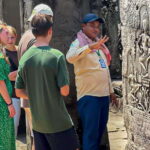
What I especially like is the human touch: a guide who can explain what you’re looking at without turning it into a lecture. In one set of past service, guide Tola was singled out for his history storytelling and even for being helpful behind the camera—useful if you want your photos to come out right.
One thing to consider: the tour price doesn’t include temple admission, and that’s a real add-on for Angkor Wat. Also, sunset and sunrise plans can depend on good weather, so you should be flexible.
In This Review
- Key Highlights If You Care About the Details
- Choosing Sunrise vs Sunset at Angkor: What Changes in Real Life
- Angkor Wat Without the Guesswork: The First Major Stop
- Ta Prohm’s Tree-Wrapped Ruins: The One Stop Everyone Talks About
- Ta Nei and Bayon: When Angkor Thom Becomes Understandable
- Phnom Bakheng Sunset: The Panorama Moment and the Trade-Off
- How the Day Actually Runs: Pace, Vehicle, and Small-Group Reality
- Price and Value: What $14.40 Really Buys You
- What to Wear, Bring, and Expect So You’re Comfortable
- Who This Tour Suits Best (and Who Might Want Something Different)
- Should You Book This Classic Angkor Wat Sunrise or Sunset Tour?
- FAQ
- Which temples are included?
- Do I choose between sunrise and sunset?
- What’s included in the tour price?
- Are admission fees included?
- How large is the group?
- How long does the tour take?
- What should I wear and bring?
- What if weather is bad or I need to cancel?
Key Highlights If You Care About the Details
- Small group size (up to 15) keeps the day from feeling like a conveyor belt.
- Hotel pickup and drop-off removes the hardest part of Angkor logistics.
- Professional English-speaking guide makes each temple easier to read.
- Sunrise option at Angkor Wat / Sunset at Phnom Bakheng gives you a true “morning vs evening” experience.
- Air-conditioned vehicle + water and towel helps when the heat ramps up.
Choosing Sunrise vs Sunset at Angkor: What Changes in Real Life
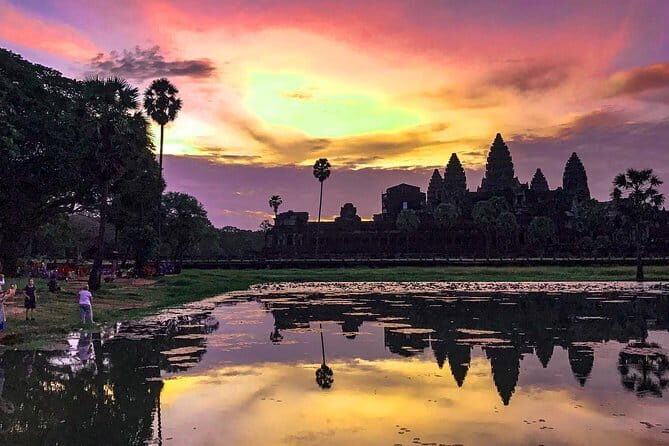
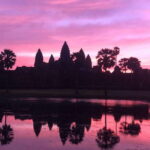
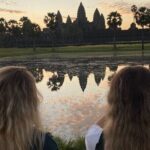
You’re choosing more than a time slot. Sunrise at Angkor Wat is about light, quiet, and getting your bearings early, while sunset at Phnom Bakheng is about the big panorama moment—when the whole area goes warm and the sky turns photogenic.
If you pick sunrise, you’ll start early and move through Angkor’s main sites when many other people are still getting going. If you pick sunset, you’ll usually spend the afternoon temple-hopping and then aim for Bakheng Mountain near the end, when the light shifts fast and everyone crowds toward the view points.
A practical tip: whichever option you choose, wear comfortable shoes and plan to cover your shoulders and knees. That dress rule isn’t just “nice to have”—it’s part of getting into sacred spaces smoothly.
You can also read our reviews of more private tours in Siem Reap


Angkor Wat Without the Guesswork: The First Major Stop
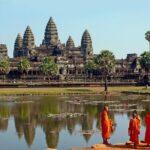
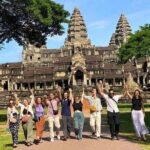
Angkor Wat is the obvious draw, but the smart part is having someone explain what you’re seeing as you walk. You’ll spend about 1 hour 30 minutes here, and that time is best used when you know the basic layout: where you should look first, how the axis lines up, and why certain views feel more dramatic from specific angles.
Because admission fees aren’t included (Angkor Wat entry is listed as USD $37 per person), I treat the start of the day like a “pay-your-way-into-the-main event” moment. The tour handles the guide and route, so you’re not stuck figuring out entrances while you’re already there with limited time.
Also, if your goal is photos, sunrise or sunset both matter—but so does where you stand. Having a guide who knows the best viewing approach can save you from wandering at the exact moment the light changes.
Ta Prohm’s Tree-Wrapped Ruins: The One Stop Everyone Talks About
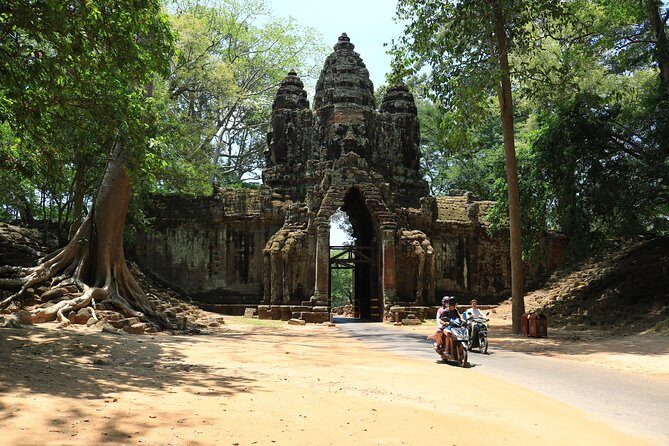
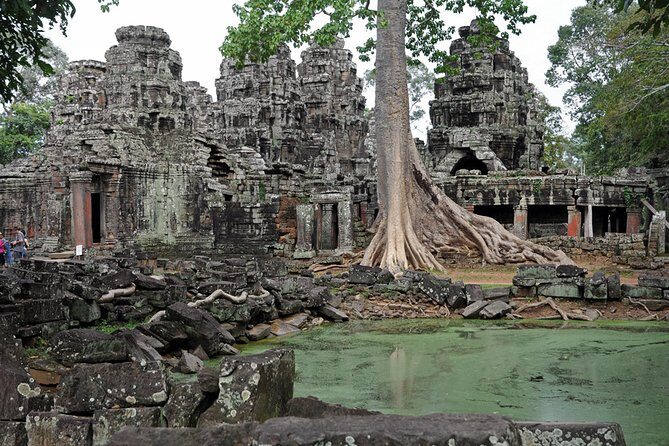
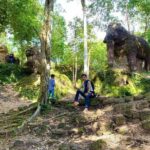
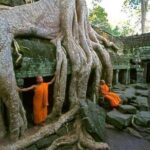
Ta Prohm is famous for a reason: the ruins look like nature grabbed the stones and refused to let go. On this tour, you’ll spend about 1 hour here, which is enough time to see the main structures and catch a couple of angles without feeling rushed.
The payoff is less about the “wow” factor (you’ll get that anyway) and more about context. A good English-speaking guide helps you understand what you’re looking at—why the site feels different from other temples, and how restoration efforts and history shaped how Ta Prohm stands today.
One drawback to plan around: Ta Prohm can get busy. If you care about clear photos, remember that the best shots often come just before the biggest wave of people fully arrives, especially in the morning-focused sunrise option.
Ta Nei and Bayon: When Angkor Thom Becomes Understandable
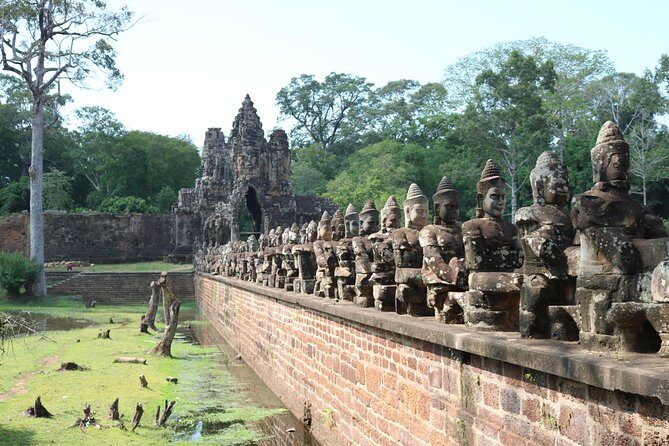
After Ta Prohm, the tour moves into a calmer rhythm with Ta Nei (about 1 hour) and then Bayon Temple (about 1 hour). This is where the “classic Angkor route” becomes more than a checklist: you start seeing patterns in how the Khmer builders organized space, and why these temples feel tied together.
Ta Nei is a strong contrast stop. It has a monastic complex feel, and the atmosphere tends to feel quieter—more about walking, noticing small architectural details, and letting the scale sink in at your pace.
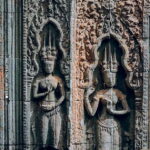
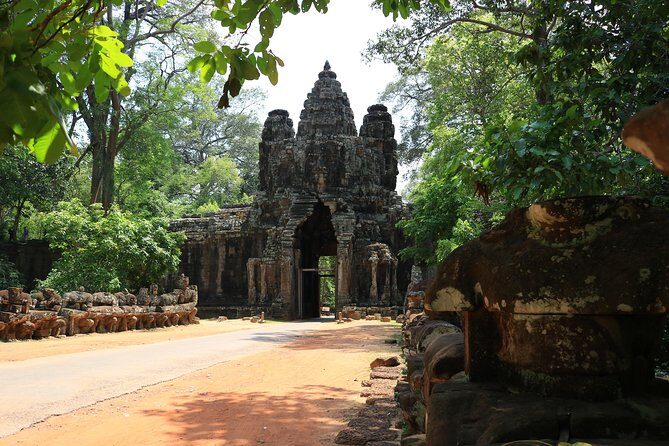
Then you’ll reach Bayon, inside the Angkor Thom area. Bayon is the one with those famous faces, and the guide’s job matters here. If you know what features to look for, you stop seeing it as just “cool carvings” and start reading it like a statement—Buddhist symbolism, 12th-century influences, and the way the temple’s design directs your movement.
Spending about an hour at Bayon is a smart amount of time. Too short and you miss the main viewpoints; too long and you start repeating the same angles without gaining new understanding.
Phnom Bakheng Sunset: The Panorama Moment and the Trade-Off
If you choose the sunset option, the final temple-related stop is Phnom Bakheng for sunset views (about 1 hour). This is where the day pivots from temples-as-artifacts to temples-as-landmarks in the landscape—again, it’s about light and scale.
You’ll get a breathtaking panorama when the sun drops, and this is also where patience matters. Viewpoints can get crowded, and the light changes quickly, so you’ll want to stay where your guide suggests rather than chasing every “maybe better” angle.
The main trade-off is time and heat management. Sunset tours still involve walking and waiting, so pack your patience along with the sunscreen. The tour includes water and a towel, which helps, but you’ll still want comfortable clothes for moving around in warmer weather.
You can also read our reviews of more evening experiences in Siem Reap

How the Day Actually Runs: Pace, Vehicle, and Small-Group Reality
This is marketed as a private and small-group tour, with a maximum of 15 travelers. That matters on Angkor days, because crowding is often the biggest problem—not the temples themselves.
You’ll ride in an air-conditioned vehicle and get hotel pickup and drop-off. For me, that’s one of the biggest “value for effort” parts of booking: you remove a whole layer of stress from the day and can focus on the temples, not the clock.
The guide is a central benefit. A professional English-speaking guide keeps you from spending your energy translating everything in your head. Plus, a good guide can adjust on the fly—slowing where the lines or crowds are worse, speeding through less critical bits, and explaining what you’re seeing right then.
Another small but welcome detail: cold water and towels. It sounds basic, but on an Angkor day those comfort items can keep you from feeling wrecked before the best moment (sunrise light or sunset panorama).
Price and Value: What $14.40 Really Buys You
The tour price is listed as $14.40 per person. That sounds low for a full temple day, but here’s the honest math: temple admission is extra. Angkor Wat admission is listed at USD $37 per person, and admission fees are generally not included.
So you’re really paying for the package of:
- Professional guide
- Air-conditioned vehicle
- Hotel pickup and drop-off
- Water and towel
- A route through the major classic sites, including Ta Prohm, Ta Nei, and Bayon
- A small-group cap (up to 15)
Is it worth it? If you’d otherwise struggle with timing, ticket lines, and interpreting what you’re seeing, yes. You’re not just buying transportation—you’re buying a smoother day and a clearer understanding.
If you’re an independent planner who already has temple access sorted and you don’t care about guided context, you might question the extra cost. But most people at Angkor hit the same wall: it’s too much to manage alone without losing time.
My rule of thumb: if you want the day to feel organized and educational, this is strong value. If you just want to wander at random, DIY might be cheaper, but you’ll spend more time figuring things out.
What to Wear, Bring, and Expect So You’re Comfortable
The tour asks for casual clothes and comfortable shoes, with shoulders and knees covered. That dress guidance is practical—Angkor is sacred ground, and it can also reduce awkward moments when entering temple areas.
Bring small cash if you want seasonal fruit or souvenirs. That’s one of those “you’ll be glad you thought of it” things because you’ll see vendors nearby and not everyone can handle card payments in the same way.
For the day itself, keep expectations realistic: you’re walking. Some sections can be uneven, and you’ll spend time waiting for light if you choose sunrise or sunset. Comfortable shoes do more than protect your feet—they protect your ability to enjoy the view.
Who This Tour Suits Best (and Who Might Want Something Different)
This tour fits best if you want a guided classic Angkor circuit without dealing with every logistics headache. It’s also a good match if you care about timing—sunrise light at Angkor Wat or sunset panorama from Phnom Bakheng—because the guide and structure help you use those moments effectively.
It can also work for first-timers who don’t want to overwhelm themselves. Four major temple stops in one day—Angkor Wat, Ta Prohm, Ta Nei, and Bayon—are a lot, but the included guide context makes it feel coherent rather than chaotic.
You might consider an alternative if you want total freedom to skip stops, or if you hate early starts (sunrise option) or late evenings (sunset option). Also, if you need strict control over your own pacing, a guided route may feel limiting.
Should You Book This Classic Angkor Wat Sunrise or Sunset Tour?
I’d book it if you want a structured, small-group Angkor day with real context and comfort. The big strengths are hotel pickup, air-conditioned transport, and a guide who can explain what you’re seeing—plus the fact that you get both a classic temple lineup and a true sunrise/sunset experience.
I’d hesitate if you’re tight on budget once you add admission fees, or if your trip schedule can’t flex around weather. Since good weather is required and changes can happen, build a bit of wiggle room into your day plans.
If you want a safe call, aim for sunrise for the calm light and dramatic first impressions, and choose sunset if you’re chasing that wide-open panorama feeling at Phnom Bakheng.
FAQ
Which temples are included?
You’ll visit Angkor Wat, Ta Prohm, Ta Nei, and Bayon Temple. If you choose the sunset option, you’ll also go to Phnom Bakheng for sunset.
Do I choose between sunrise and sunset?
Yes. The tour is offered in a sunrise option (sunrise over Angkor Wat) and a sunset option (sunset at Phnom Bakheng).
What’s included in the tour price?
Included are a professional English tour guide, water and a towel, and an air-conditioned vehicle. Hotel pickup and drop-off are also included.
Are admission fees included?
No. Admission fees are not included, and Angkor Wat admission is listed as USD $37.00 per person.
How large is the group?
This tour has a maximum of 15 travelers.
How long does the tour take?
Expect about 8 to 9 hours.
What should I wear and bring?
Wear casual clothes and comfortable shoes, with shoulders and knees covered. Bring small cash if you want to buy seasonal fruit or souvenirs.
What if weather is bad or I need to cancel?
This experience requires good weather. If it’s canceled due to poor weather, you’ll be offered another date or a full refund. Cancellation is free up to 24 hours in advance for a full refund.