REVIEW · SIEM REAP
2-Day Angkor Wat & Tonle Sap Tour
Book on Viator →Operated by Asia Voyage Travel · Bookable on Viator
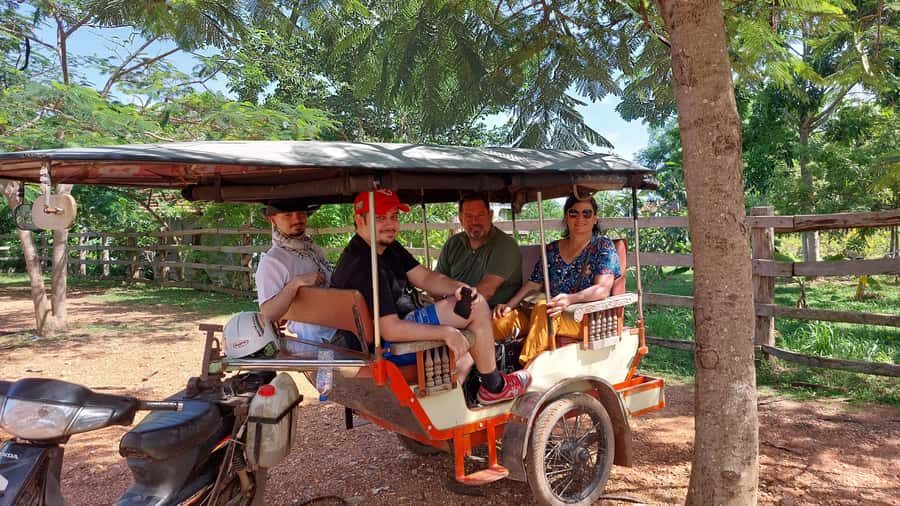
Sunrise and sunset here feel like a plan you can actually win. This private 2-day tour stacks Angkor highlights with two big spectacle moments: sunrise at Angkor Wat and sunset at Phnom Bakheng. I like how it also adds variety beyond the postcard views, with stops for Angkor Thom faces, Ta Prohm roots, and time around the Tonle Sap’s stilt villages. The tour is also built around convenience: hotel pickup, air-con car, a guide, and a motorized boat fee are handled for you.
My favorite part is the pace control. A good guide can keep you moving without rushing your photos, and the guide named Mr. Seng is repeatedly praised for clear explanations and for answering questions with precision. I also like that you’re not only chasing temples; you get a boat ride and a look at daily life on the lake, including a floating cafe stop. One thing to consider: temple passes and meals are not included, and the sunrise day starts extremely early (5:00am or earlier), which means you’ll want a good night’s sleep.
In This Review
- Key moments I’d circle on your schedule
- Sunrise at Angkor Wat and Sunset at Phnom Bakheng: timing you’ll feel
- Day 1 through Angkor Thom and Ta Prohm: classic faces and strange stone
- Why Angkor Wat gets two visits (and how to use that)
- Day 2 after breakfast: Prep Rup, Banteay Samre, and Banteay Srei
- Tonle Sap Lake by motorized boat: stilt villages and a floating cafe
- Price and value: $250.26 per group, up to 3 people
- Guide and pacing: Mr. Seng and the flexibility factor
- Logistics that actually affect your day
- Who should book this (and who might skip it)
- Should you book the 2-Day Angkor Wat & Tonle Sap Tour?
- FAQ
- Are Angkor temple passes included in this tour price?
- Does the tour include hotel pickup and drop-off?
- Is the boat trip on Tonle Sap included?
- What time do they pick you up?
- Is this tour private?
- Are meals included?
- What fitness level do you need?
Key moments I’d circle on your schedule
- Sunrise at Angkor Wat plus an early return to breakfast back at your hotel
- Sunset at Phnom Bakheng with crowd/number limits, handled by an early start
- Angkor Thom circuit (Bayon faces, Baphuon, and terrace stops) in one smooth flow
- Ta Prohm with massive tree roots swallowing stone
- Tonle Sap boat trip through stilted villages, with time for a floating cafe visit
Sunrise at Angkor Wat and Sunset at Phnom Bakheng: timing you’ll feel
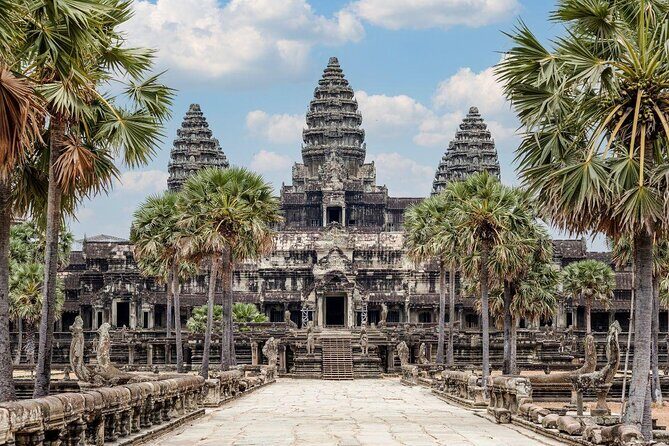
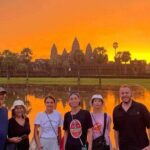
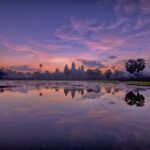
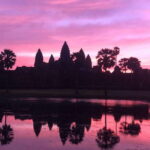
If you’ve ever watched temple photos online and thought, sure, that looks beautiful… then you’ll understand why people build their whole Angkor plan around light. This tour does it in a practical, no-nonsense way: you’ll see sunrise at Angkor Wat on the second day and sunset at Phnom Bakheng on the first day.
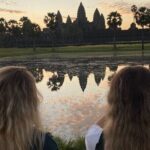
The sunrise is the big “wake up now” moment. The tour leaves your hotel at 5:00am or earlier, and you go straight to Angkor Wat. That early timing matters because you’ll be in place before the worst of the crowd wave, and because the light changes fast. You’ll have that classic wide sky feeling over the main towers—if the weather is kind, of course.
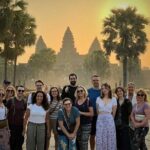
Then there’s Phnom Bakheng for sunset. This is where timing becomes logistics. The summit has restrictions on numbers, so you don’t just stroll up when you feel like it. You go a bit early, and you may have to wait before you can get up to the viewing area. It can feel like standing around in the heat with other early birds, but that’s the price of the view. The upside is that you’re there for the real payoff.
If you’re the kind of traveler who hates missing the best light, this schedule will make you happy. If you’re the kind of traveler who hates early mornings, at least this one has a payoff planned into it.
A few more Siem Reap tours and experiences worth a look

Day 1 through Angkor Thom and Ta Prohm: classic faces and strange stone
Day 1 is built around the core cluster in Angkor: Angkor Thom first, then moving outward to a highlight run that ends with the sunset climb.
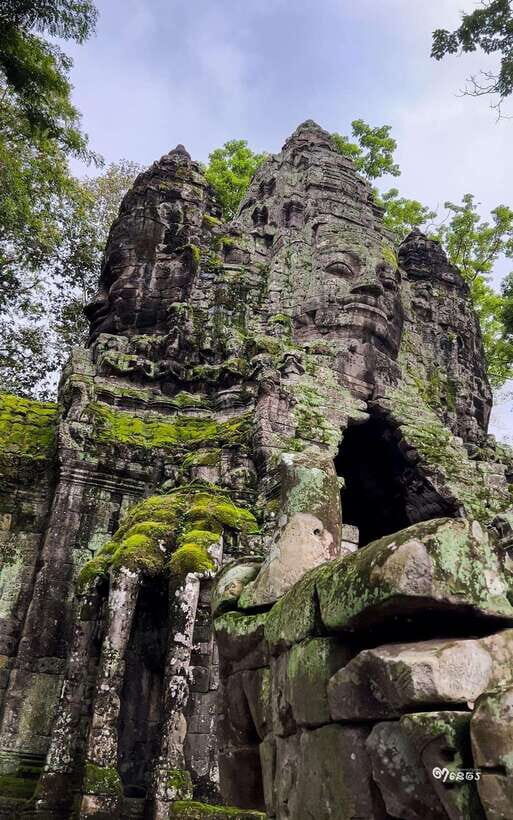
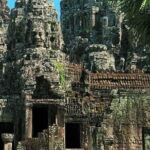
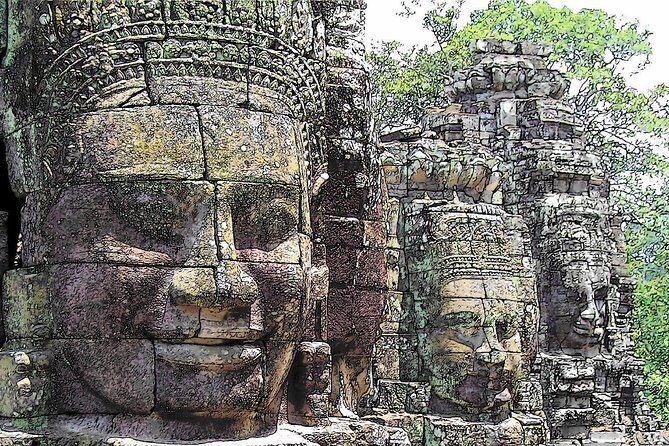
Angkor Thom is one of the fastest ways to orient yourself in the ruins. You’ll start with Bayon temple, famous for its many stone faces. It’s not just a “look at the carvings” stop. The faces feel like they’re watching you from every angle, and once you start looking, it’s hard to stop. The stop is long enough (about 2 hours) to actually take your time, not just snap a picture and bolt.
From Bayon, you’ll make a quick hop to Baphuon. This is a shorter stop—around 30 minutes—so think of it as a breather with a reward. It’s right nearby, so you’re not burning time in the car, and you get another temple silhouette to compare against what you just saw.
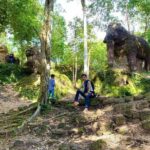
Next comes two terrace stops inside Angkor Thom: the Terrace of the Elephants and the Terrace of the Leper King. The time here is short (about 30 minutes), but it’s a good way to understand Angkor Thom isn’t one single monument. It’s a whole ceremonial zone, and these terraces help you read the layout.
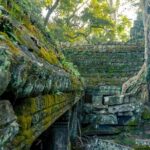
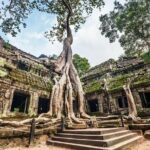
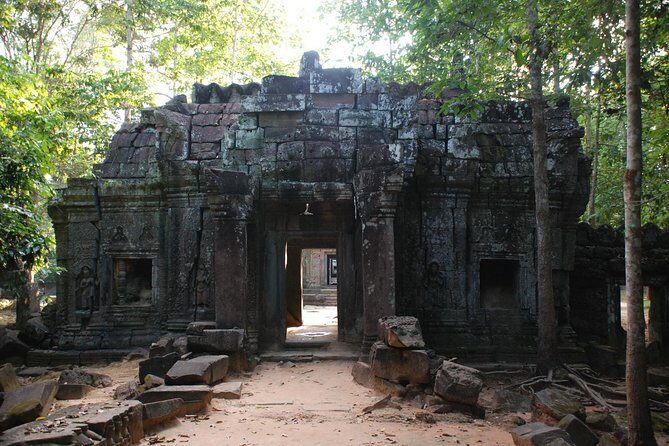
Then you swing east toward Ta Prohm, the famous temple where enormous tree roots wrap around the stone. You get about 1 hour here, which is a solid amount of time because Ta Prohm rewards slow looking. You’ll see how the roots don’t just sit there—they create pathways, frame doorways, and change how the ruins feel in motion. It’s also one of those places where photos make sense, even if you’re not trying to pose. The scene is already doing the work for you.
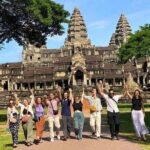
After lunch, the tour moves into Angkor Wat for about 3 hours on Day 1. That means you get to see it in daylight before sunrise on the next day. For me, that’s a smart move. You’ll learn where things sit, so when you come back at sunrise you’re not orienting from scratch.
Finally on Day 1 you head to Phnom Bakheng. Plan for crowds at the top, and plan for the waiting. The good news: the tour structure handles the timing piece, so you’re not scrambling on your own.
Why Angkor Wat gets two visits (and how to use that)
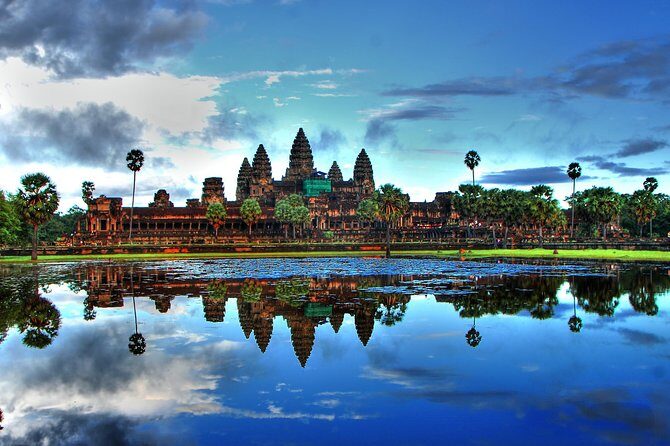
A lot of Angkor plans treat Angkor Wat as a single moment. This one gives you two. Day 1 gives you daytime time—about 3 hours—and Day 2 is the sunrise run—about 1 hour for the morning visit.
You’ll feel the difference in how you experience the site.
- Day 1 is for understanding the geometry. You can see the main layout more clearly, and you can wander at a speed that feels human.
- Day 2 is for light and atmosphere. You’re not trying to solve the ruins; you’re watching the sky change.
There’s another practical reason this works: after sunrise, the tour returns you to your hotel so you can enjoy breakfast. The tour specifically builds in time for breakfast at your hotel (assuming it’s part of your room rate), and it notes that you can stop at a restaurant if you prefer. Either way, you’re not forced to start the day on empty stomach.
So you get both: the temple as a place and the temple as a show.
Day 2 after breakfast: Prep Rup, Banteay Samre, and Banteay Srei
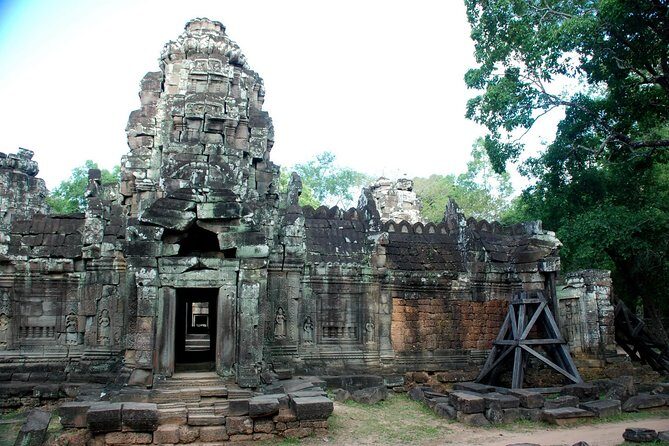
Day 2 keeps moving after the early start. You’ll go from sunrise back to your hotel, then you head out again after breakfast.
One of the nice touches here is that the day isn’t only about the headline temples. After breakfast, you visit Prep Rup and then continue to Banteay Samre. The time window for this part is about 3 hours, with a note that you may also stop briefly at something like palm sugar manufacture or the landmine museum.
That choice matters because it shifts the day from “stone-only” tourism to a more grounded view of the region’s reality. Even if your main interest is temples, a quick stop like this can add context without taking over the day.
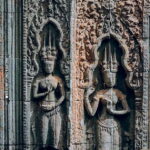
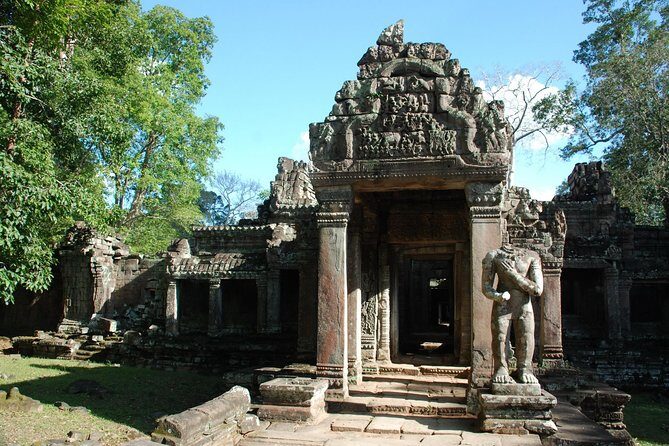
Then comes Banteay Srei, often called the pink temple. The drive is described as a long one, and the visit time here is about 2 hours. This is a temple stop you’ll probably want to slow down for. It tends to feel more delicate than the big mass sites, and you’ll see details better when you’re not constantly running from one “top view” to the next.
If you like variety—big dramatic spaces one day, more intricate stonework the next—this second half of Day 2 is a good fit.
Tonle Sap Lake by motorized boat: stilt villages and a floating cafe
If temples are the headline, the Tonle Sap is the palate cleanser. After lunch, you head to the edges of Tonle Sap in the Kompong Pluk area and cruise around the water villages on stilts by motorized boat. The boat fee is included, and the tour also includes cold bottled water and cold towels, which helps more than it sounds like it should during a lake day.
A strong part of this stop is that you get to see a living setup, not just a photo viewpoint. The lake communities sit right on the waterline, and the stilt houses create a whole different sense of scale compared with stone monuments. The stops are time-based (about 3 hours total for the Tonle Sap portion), so it’s long enough for a real look, not just a quick skim.
You’ll also stop at a floating cafe. Even if you don’t buy anything, it’s a useful marker of how the lake economy works. This tour doesn’t pretend it’s a long dining experience—it gives you the sight and the setting, then moves on.
If you’re worried about this being too “touristy,” I’d frame it differently: you’re still seeing something that locals actually use. You just get a guide and a boat to make it smooth.
Price and value: $250.26 per group, up to 3 people
The price is $250.26 per group for up to 3 people, for a tour lasting about 2 days. That’s the key: it’s priced for sharing. If you’re traveling solo, it’s harder to see it as value. If you have even one companion, it starts making sense fast.
Here’s what you’re getting for that group price:
- Private transportation in an air-conditioned vehicle
- Hotel pickup and dropoffs
- A guide
- Motorized boat fee
- Cold bottled water and cold towels
- Mobile ticket
What you’re not getting:
- Temple passes for the 2-day entry
- Meals (and soft drinks/alcohol)
That last part is the main variable in total cost. Temple passes can change your math depending on how you plan your days, but the tour is still set up to reduce your hassle. Instead of building the schedule yourself—sunrise timing, sunset number limits, transport, and the lake boat—you buy a smooth plan.
Also, you’re booking a private setup. You’re not trapped waiting for other people’s decisions. That’s a real quality-of-life upgrade at Angkor, where timing can make you feel either smart or stressed.
Guide and pacing: Mr. Seng and the flexibility factor
I’d book this kind of tour for one reason: you want your time in Angkor to feel organized, not random. The guide is central to that.
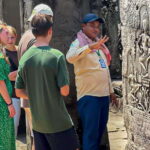
The reviews highlight a guide named Mr. Seng for giving interesting information and clear explanations. The praise also mentions that he answers questions precisely and offers flexibility so you can explore at your own pace. That matters more than it sounds. When you’re surrounded by ruins, you don’t always want to be herded. You want someone who can explain what you’re seeing, then let you spend a few extra minutes where you care.
This tour also has pacing built in: shorter stops for quick “read the structure” moments (like Baphuon and terrace viewpoints), longer stops for big wow scenes (Bayon, Ta Prohm, Angkor Wat, and the sunrise/sunset moments). You’re not stuck spending the same amount of time everywhere.
The end result is that you cover a lot without feeling like you’re rushing through the most important stuff.
Logistics that actually affect your day
A few practical notes can save your sanity.
1) Two different early wake-ups
Sunrise at Angkor Wat means leaving at 5:00am or earlier. That’s not optional if you want the sunrise experience. On the other hand, it’s followed by a return to your hotel for breakfast, so you’re not stuck exhausted all day.
2) Phnom Bakheng has a number limit
You’ll be sent early and may wait due to restrictions on summit numbers. If you hate waiting, bring that calm energy. If you don’t mind, the wait becomes part of the process—because once you’re up, the view is why you endured it.
3) Temple passes are separate
The tour mentions that temple entry is not included. Plan on buying or arranging the 2-day passes so you don’t waste time in person. Also, this is a “moderate physical fitness” style of day, so expect some walking and stairs.
4) Meals aren’t included
Lunch is described as a break at nearby restaurants on Day 1, and there’s mention of lunch before the Tonle Sap segment. You should plan for restaurant meals yourself during the breaks.
5) It’s private and limited to your group
This is listed as private—only your group participates. That’s a big deal when you want a guide’s attention and a schedule that fits your pace.
Who should book this (and who might skip it)
This is a strong match if:
- You want both sunrise and sunset without juggling tickets and transport on your own.
- You care about temples but also want a real look at Tonle Sap floating life.
- You value a private guide and the ability to ask questions (especially if you like history and myth through guided storytelling).
You might skip it if:
- You don’t want early mornings. Sunrise is built in.
- You’re trying to minimize costs and you’d rather handle everything independently, including passes and scheduling.
- You expect meals to be included in the tour price (they aren’t).
Should you book the 2-Day Angkor Wat & Tonle Sap Tour?
I think this is worth booking if you’re going for maximum impact in limited time. You get a balanced package: the big temple hits (including the two lighting moments), plus Tonle Sap by boat, not just a drive-by. The private setup makes it easier to keep your day flowing, and the guide—especially Mr. Seng—is repeatedly praised for clear explanations and flexibility.
The main “yes, but” is cost structure: temple passes and meals are on you. If you budget for those ahead of time, the overall value feels solid because you’re buying time, convenience, and logistics done right.
If you want Angkor to feel organized and memorable—rather than a stressful checklist—this tour is a smart way to do it.
FAQ
Are Angkor temple passes included in this tour price?
No. The tour notes that temple passes for 2-day entry are not included.
Does the tour include hotel pickup and drop-off?
Yes. Hotel pickup and drop-offs are included.
Is the boat trip on Tonle Sap included?
Yes. The tour includes the fee for the motorized boat.
What time do they pick you up?
Day 1 starts around 8:30am. For the sunrise visit at Angkor Wat, the tour leaves your hotel at 5:00am or earlier.
Is this tour private?
Yes. It’s listed as a private tour/activity, with only your group participating.
Are meals included?
No. The tour states that meals are not included.
What fitness level do you need?
The tour says moderate physical fitness is required.