REVIEW · SIEM REAP
Siem Reap: Half-Day Kampong Phluk with Sunset, Boat & Guide
Book on GetYourGuide →Operated by Wadi Rum Fire Camp · Bookable on GetYourGuide
Floating houses at sunset beats the usual tour. This half-day ride to Kampong Phluk puts you on Tonlé Sap’s water with a guide who explains what you’re seeing—stilted homes, floating schools, and daily life that changes with the seasons. I really like the on-the-water motorized boat time (so you’re not just looking from the shore) and I like having an English-speaking guide to connect the views to how people actually live.
One thing to consider: the day is packed with set photo and viewpoint stops, so if you want a slower, deeper village visit, the time on the water portion is fixed (about an hour at Kampong Phluk). Still, with a good guide—like Nan, who grew up in the village areas covered—the tour keeps a solid pace even when weather turns.
In This Review
- Key things I’d circle before you go
- First Stop: Pickup, Countryside Drive, and the Ro Lus Market Pause
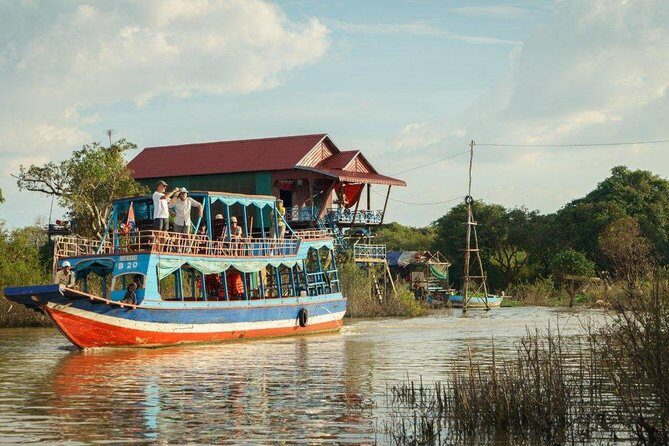
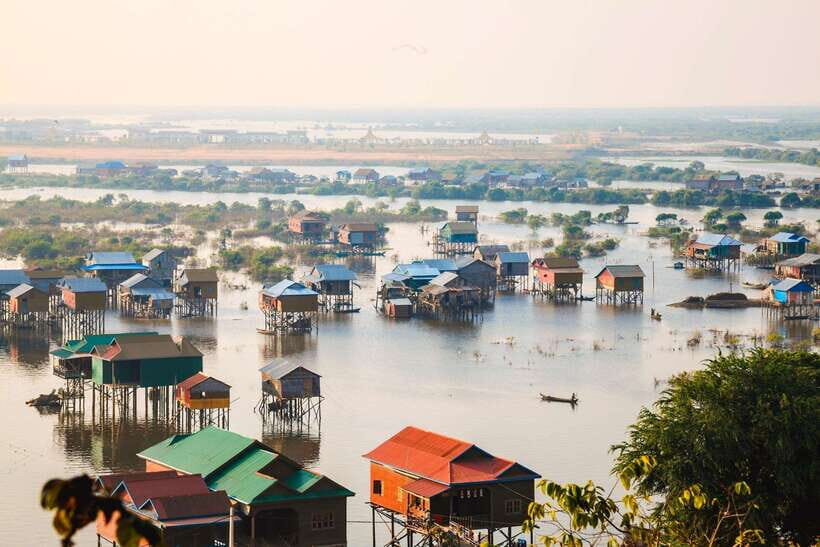
- Kampong Phluk by Motorboat: Stilt Homes, Floating Schools, and a Living Routine
- Tonlé Sap Views and the Float-Through Feeling That Stays With You
- Seasonal Water Levels: Dry Season vs. Rainy Season (What Your Eyes Will Notice)
- Optional Mangrove Rowing Canoe (Oct–Jan) and the Floating Café Moment
- Extra Stops: Viewpoints, Photo Pauses, and the Sunset Push
- Guide Quality Matters: English Support and Local Context
- Price and Value: What $24 Buys You for 5.5 Hours
- What to Bring and How to Prepare for Boat Time
- Who This Trip Fits Best (and Who Might Want a Different Plan)
- Should You Book This Kampong Phluk Half-Day at Sunset?
- FAQ
- How long is the Kampong Phluk half-day tour?
- Is hotel pickup and drop-off included?
- Will I ride a boat through the floating village?
- Is the mangrove rowing canoe included?
- What should I bring with me?
- Is the tour wheelchair accessible?
Key things I’d circle before you go
- A motorboat plan, not a static photo stop: you move through the floating village on Tonlé Sap, not just around it.
- Real daily life on the water: schools, homes, and markets adjust as the lake rises and falls.
- Nan-style local storytelling: you get grounded context from guides with village knowledge.
- Season matters for what you’ll see: dry-season stilt houses show more; rainy-season water makes it feel like a floating world.
- Sunset timing plus extra viewpoint pauses: you get photo chances built into the schedule.
- Optional mangrove canoe from Oct–Jan: a different vibe if that extension runs on your date.
First Stop: Pickup, Countryside Drive, and the Ro Lus Market Pause
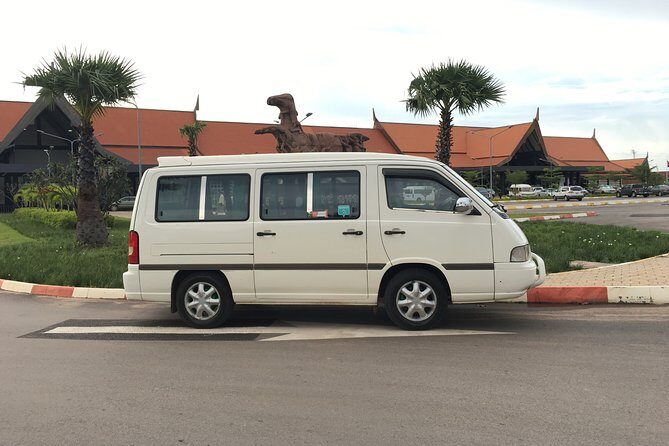
You start with hotel pickup in Krong Siem Reap, then climb into an air-conditioned minivan/minibus for about 45 minutes. The road leg matters more than you might think. You’re heading into Tonlé Sap territory, and that short transfer gives you a feel for how the countryside works—rice fields, straight rural roads, and the sense that Siem Reap’s busy center fades fast.
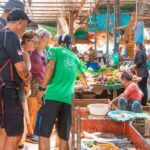
Next comes Ro Lus Market. Plan for a photo stop with a quick walk and guided tour (around 40 minutes). Markets in Cambodia aren’t just shopping. They’re where people gather, trade, and keep routines going. Even if you’re not buying anything, this stop helps you understand what you’ll see later on the lake—floating economies that depend on seasonal water and local fishing rhythms.
Tip I’d follow: bring some small cash. The tour notes you should have cash on hand, and local vendors are the kind of place where you’ll naturally want to grab water, snacks, or small items if the moment hits.
You can also read our reviews of more boat tours in Siem Reap
Kampong Phluk by Motorboat: Stilt Homes, Floating Schools, and a Living Routine
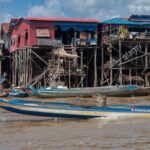
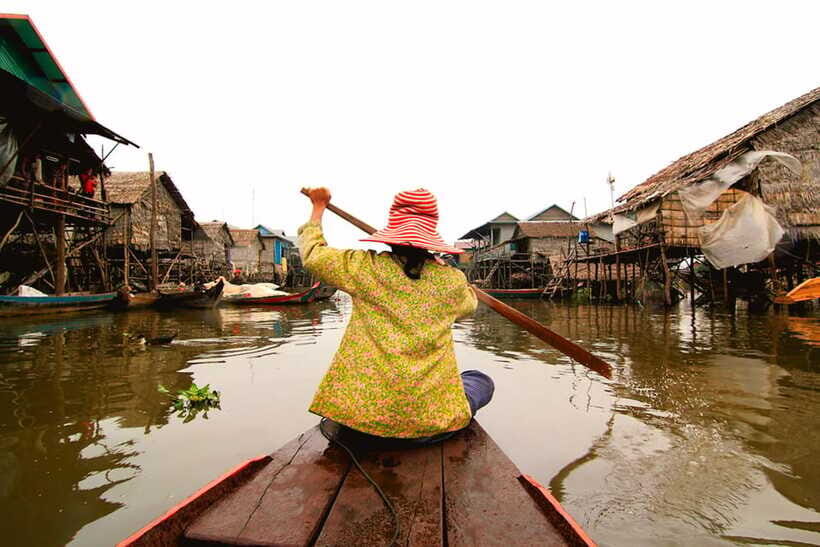
Then the day’s center happens: Kampong Phluk. Expect about 1 hour here, with both sightseeing and a guided component plus a safety briefing before you get moving. You’ll board a motorized boat for the Tonlé Sap experience, and that’s the key difference between this trip and the generic “look and go” tours.
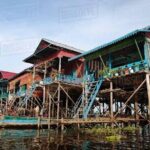
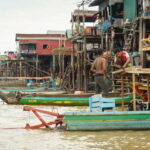
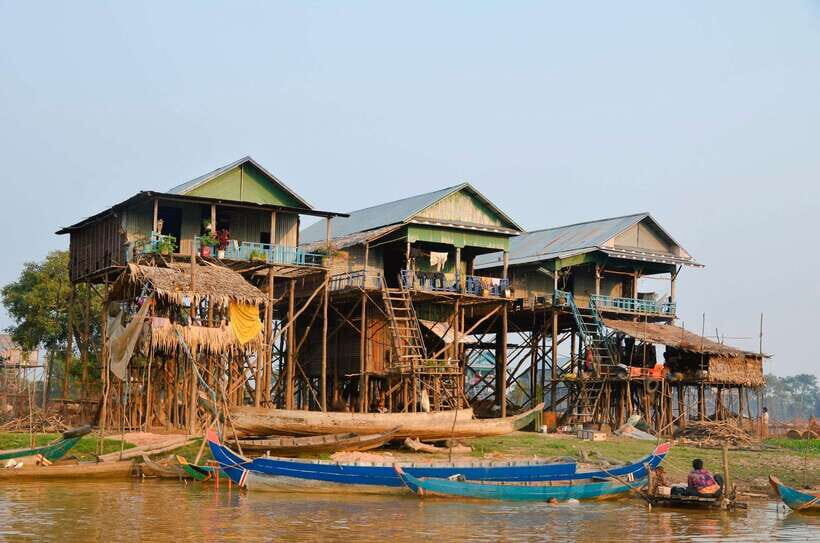
What you’re looking at is a floating village built to survive constant change. Depending on season, stilt houses may be more exposed or more submerged. You’ll see structures that make sense only when you understand the lake’s behavior—homes, and even schools and market spaces that adapt when the water level shifts.
Why it hits: the place doesn’t feel staged. It’s more like you’ve been invited into a schedule that’s already been running for generations. Your guide’s job is to translate that into everyday terms: who uses what spaces, what changes when the water rises, and how families manage school, basic services, and daily movement while living on the water.
Also, you get life jackets and a safety briefing. That’s practical, and it helps you focus on the scenery instead of worrying about the boat.
Tonlé Sap Views and the Float-Through Feeling That Stays With You
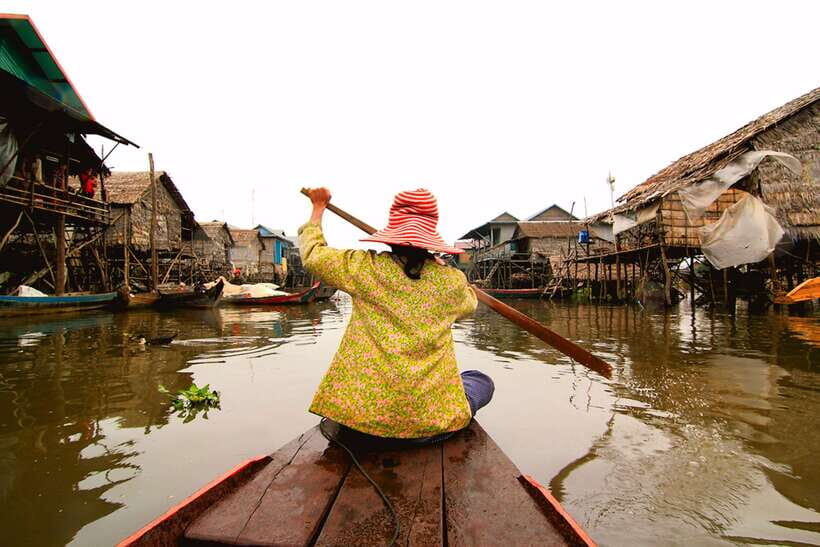
After the Kampong Phluk portion, the route continues along the water theme. You’ll have another Tonlé Sap stop with photo opportunities, guided bits, and free time (about 1 hour). This is the part where you get to slow down a bit and just take in the lake itself—wide water, small boats, and the sense that everything is connected to water level.
You’ll also pick up more context on how communities deal with the lake’s seasonal fluctuations. The tour specifically includes an explanation of how those changes affect local life. That matters because without it, Kampong Phluk can become just “cool floating houses.” With it, it becomes a real system—people planning their lives around a natural rhythm.
A quick note on photos: if you’re serious about pictures, bring a phone camera-friendly mindset. The boats move. Light changes fast near sunset. A little patience beats trying to shoot everything at once.
Seasonal Water Levels: Dry Season vs. Rainy Season (What Your Eyes Will Notice)
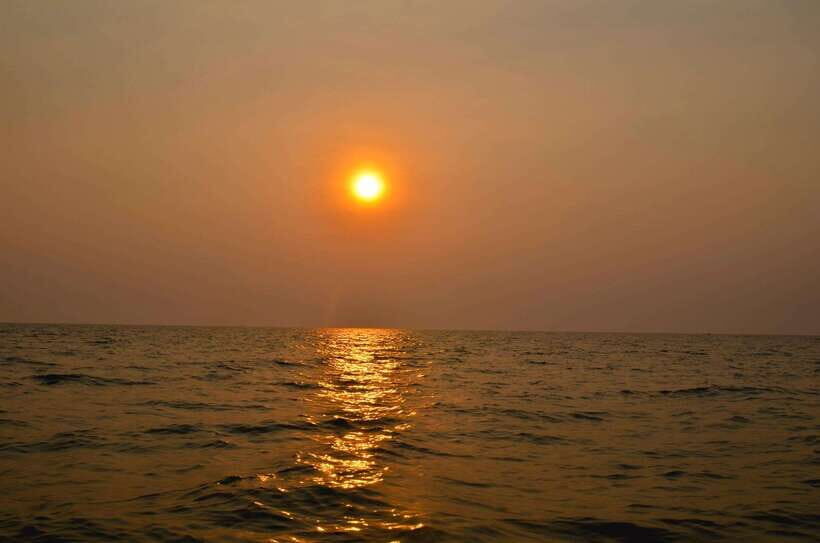
One of the most useful parts of this tour is that it sets expectations for what you’ll see based on the time of year. Here’s the simple version:
- November–April (dry season): the floating town tends to have lower water levels, and you’ll see more stilted dwellings exposed. It can feel more “built on poles” than “floating island.”
- May–October (rainy season): water levels rise, and the village can look like a watery wonderland. You’ll have lush vegetation, rain-soaked surroundings, and often more dramatic sunset color if the sky behaves.
What to do with this information: pick your travel month based on your mood. If you want clarity in structures and a stronger sense of the engineering, go dry season. If you want the lake to look bigger and more surreal, rainy season is the one.
Either way, the boat ride is the thing. Even if your photos are imperfect, the experience is visual and physical—you’re moving through the same environment that locals navigate every day.
Optional Mangrove Rowing Canoe (Oct–Jan) and the Floating Café Moment
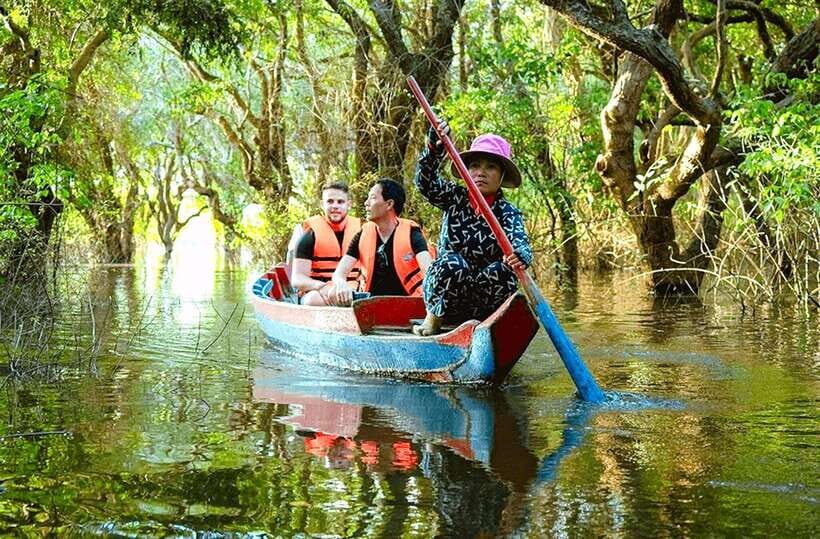
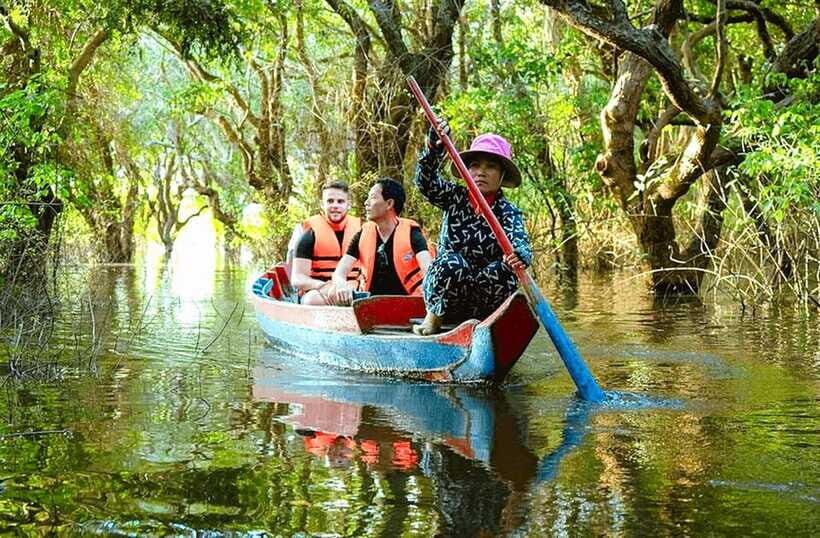
If your date falls between October and January, the tour includes an optional rowing canoe excursion through the mangrove forest. This is a different pace from the motorboat. It’s quieter, tighter, and more about turning your head slowly and noticing the edges of the water rather than the big views.
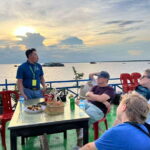
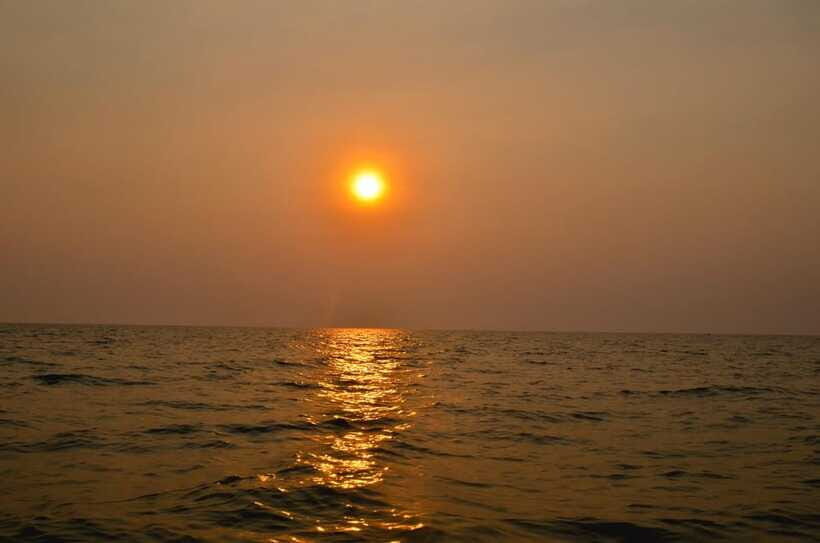
The canoe makes a halt at a small floating café, described as a good spot to watch the sun go down—if weather permits. That phrase is important. In Cambodia, weather can change quickly, and the best plan is to treat sunset as a bonus, not a guarantee.
If this extension runs on your day, I’d consider it worth the extra cost since it’s rowing-based and specific to that season window. You’ll also see mangroves and shoreline ecology that you don’t get during the main village boat loop.
You can also read our reviews of more guided tours in Siem Reap
Extra Stops: Viewpoints, Photo Pauses, and the Sunset Push
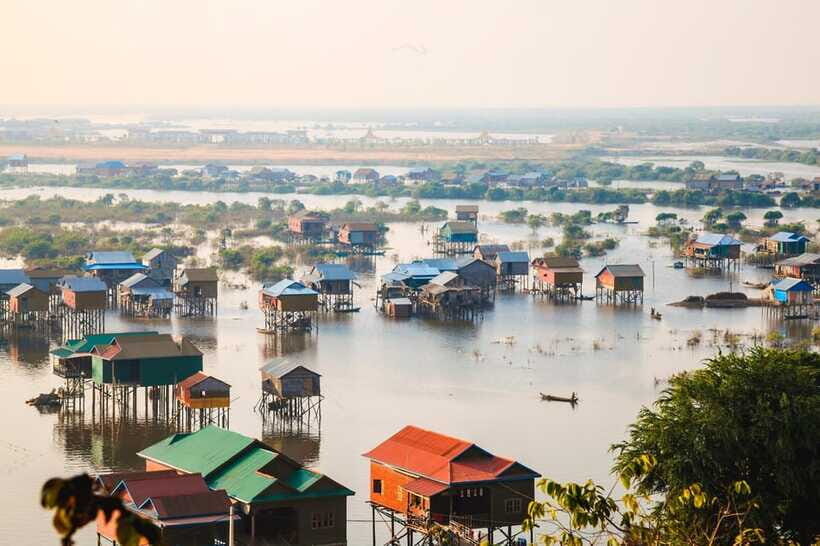
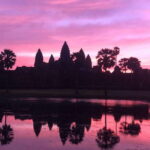
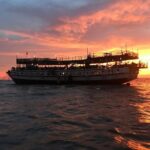
Like most half-days with a sunset target, this one builds in extra time for pauses. After Tonlé Sap, you’ll have a scenic viewpoint stop (about 30 minutes) labeled as a smaller “hidden” stop in the schedule. Then there’s another secret/sunset photo stop (about 25 minutes) where the goal is—yes—sunset.
Here’s how to make these stops work for you:
- Use them to reset. Stand up, stretch, and drink the cold bottled water the tour provides.
- Take wide shots first, then switch to close-ups of boats, shoreline details, and village structures.
- If the sky clouds up, shift your goal. Reflections and moody light still look good on the lake.
One practical upside: multiple short pauses mean you’re not constantly rushing. The schedule moves, but it doesn’t feel like nonstop sitting in a boat seat for five hours straight.
Guide Quality Matters: English Support and Local Context
You’ll travel with a professional English-speaking guide (English and Cambodian). This is what turns a pretty boat ride into something you can actually explain later.
In the experience feedback you provided, Nan is specifically mentioned as a great guide. The standout detail: Nan grew up in the village area covered on the trip. That kind of local background usually means the explanations land more naturally—less “tour script,” more lived context.
Also, the guide handling heavier rain was praised. That tells me the operation doesn’t fall apart when conditions aren’t perfect. The tour also states it operates in most weather conditions, which is a big deal in Tonlé Sap season.
Price and Value: What $24 Buys You for 5.5 Hours
At $24 per person for about 5.5 hours (including pickup and drop-off), the value is fairly strong for a sunset-timed half-day.
What you get included:
- Hotel pickup and drop-off
- Air-conditioned transport
- Guide fees and a professional English-speaking guide
- Motorized boat fees and the boat experience
- Entry to Tonlé Sap Lake
- Local community entry fees
- Life jacket, bottled water, fuel/parking, and taxes
The only thing to watch: the optional rowing canoe (Oct–Jan) costs $5.50 USD per person and is not included. Meals and alcohol aren’t included either.
Is it worth it? If you want Kampong Phluk in a format that’s guided, safe, and actually takes you through the village water routes, yes. If you already know you’re the type who wants to wander longer and skip extra stops, you might feel the half-day structure is a little rigid. But for most people—especially first-timers—that structure is what makes the trip workable.
What to Bring and How to Prepare for Boat Time
This is a “bring cash and be ready” kind of tour.
Bring:
- Cash (the tour explicitly asks for this)
- If you plan to swim: your own swimsuit and a towel (it’s mentioned as an option)
Not required:
- No strict dress code.
You’ll be on boats, so use basic common sense: wear comfortable slip-resistant footwear if there’s any walking around markets or boarding areas, and keep your phone secured.
Also remember: this tour is not suitable for wheelchair users, so if that’s relevant, you’ll want another option.
Who This Trip Fits Best (and Who Might Want a Different Plan)
This is a great fit if you:
- Want a first look at Kampong Phluk and Tonlé Sap without doing logistics on your own
- Like guided explanations, not just sightseeing
- Prefer a half-day format that still includes a real boat experience and sunset viewpoints
It may be less ideal if you:
- Want lots of unscheduled time to wander beyond the set village and photo stops
- Have mobility constraints that conflict with the boat/transfer format
- Get frustrated when weather changes plans (the tour runs in most conditions, but sunsets depend on skies)
Should You Book This Kampong Phluk Half-Day at Sunset?
I’d book it if you’re trying to see Tonlé Sap the practical way: pickup, boat, guide context, and a sunset push without turning it into a full-day project. The strongest reason is simple—this tour places you on the water and then explains what you’re seeing, which is exactly what floating villages need.
One last decision tool: choose based on season. Dry months usually give you more visible stilt structures. Rainy months make the village feel more like it’s suspended in water—and that can be visually dramatic. Either way, you’ll come away understanding that the floating life here isn’t a gimmick. It’s an adaptation.
FAQ
How long is the Kampong Phluk half-day tour?
The tour lasts about 5.5 hours, and that timing includes pickup and drop-off.
Is hotel pickup and drop-off included?
Yes. Hotel pickup and drop-off are included, with pickup arranged in Krong Siem Reap.
Will I ride a boat through the floating village?
Yes. You’ll take a motorized boat for the Kampong Phluk and Tonlé Sap experience, and you’ll also receive a safety briefing and life jacket.
Is the mangrove rowing canoe included?
The rowing canoe through the mangrove forest is optional and is described as available from October to January. It is not included in the base price and costs $5.50 USD per person if you choose it.
What should I bring with me?
The tour advises bringing cash. If you want to swim, bring a swimsuit and towel.
Is the tour wheelchair accessible?
No. The tour is not suitable for wheelchair users.