REVIEW · SIEM REAP
Sunrise at Angkor Wat and Small Tour with Tours Guide
Book on GetYourGuide →Operated by Etrip Asia · Bookable on GetYourGuide
Waking up early makes sense here. This sunrise at Angkor Wat experience pairs a very early pickup with guided temple-walking so you can see the complex before the day crowds in, with help finding strong viewpoints. It also includes a local English-speaking guide who connects what you’re looking at to Cambodian culture, art, and history—not just signboards and photos.
Two things I’d call out right away: the chance to see the “big hitters” of Angkor in a tight circuit, and the way the guide turns it into a story you can follow. You’ll also get the kind of temple focus I like—South Gate of Angkor Thom, Bayon, and Banteay Kdei—plus a stop at Ta Prohm, where the jungle feel is real. One consideration: Angkor passes are required and admission is not included, so the price you see for the tour isn’t the full cost of entering the temples.
In This Review
- Key Highlights to Know Before You Go
- 4:30 AM Sunrise at Angkor Wat: What Makes Dawn Worth It
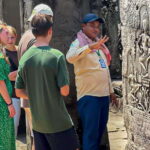
- The Small-Group Advantage: Your Guide Is Part of the Experience
- Angkor Wat Sunrise and the Temple Walk You Actually Need
- South Gate to Bayon: Where Angkor Thom Feels Like a Living Landmark
- Elephant Terrace and Leper King Terrace: Royal Power, Not Just Scenery
- Ta Prohm Jungle Temple: The Temple That Looks Like It’s Fighting Back
- Banteay Kdei: A Strong Ending to the Circuit
- Cost and Value: Why the $6 Price Isn’t the Final Number
- Logistics That Can Make or Break Your Morning
- Who Should Book This Sunrise and Small-Group Tour?
- Should You Book This Sunrise and Small-Group Tour?
- FAQ
- What time is the pickup?
- Does the tour include Angkor Wat admission?
- Are meals included?
- Is the guide English-speaking?
- Can I choose a shared or private tour?
- What information do I need to provide for pickup?
Key Highlights to Know Before You Go
- 4:30 AM pickup from your hotel so you’re at Angkor while it’s still calm
- Angkor Wat sunrise viewpoints guided for strong sightlines and photos
- Bayon and Baphoun context with 54 towers and 216 Avalokesvara faces explained
- Ta Prohm jungle temple with trees wrapped around stone structures
- Royal terraces stops at the Elephant Terrace and Leper King Terrace
- Private or shared tour choice for the group vibe you want
4:30 AM Sunrise at Angkor Wat: What Makes Dawn Worth It
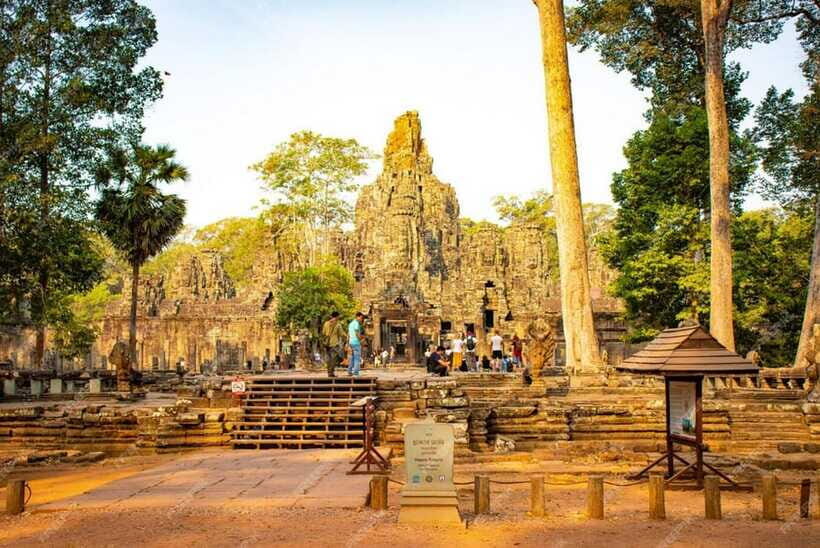
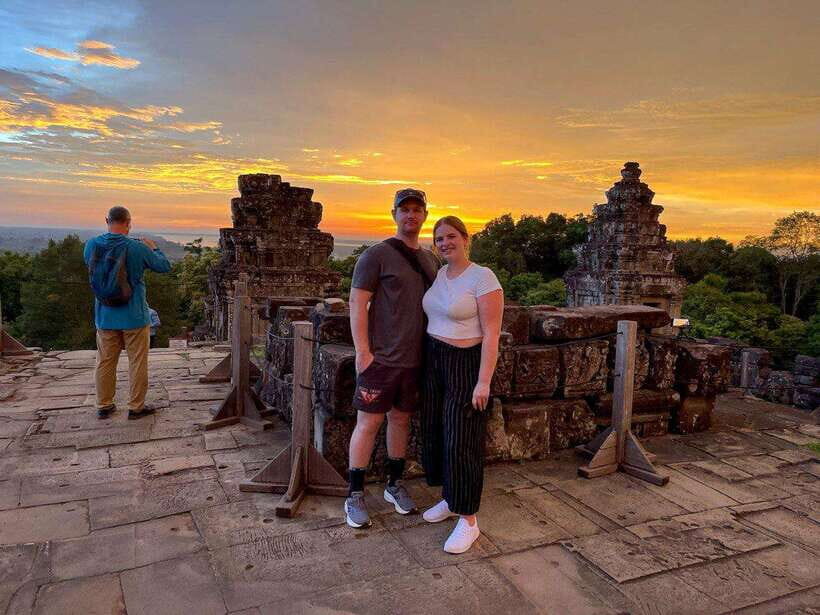
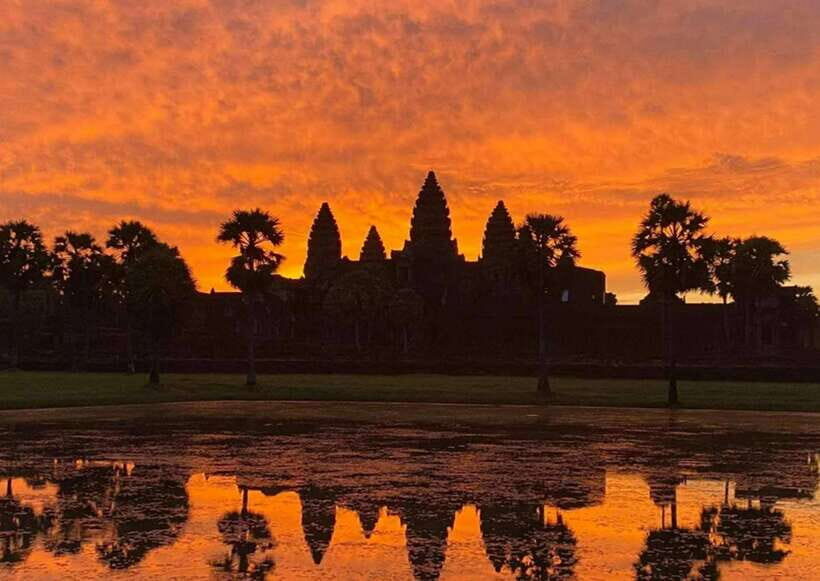
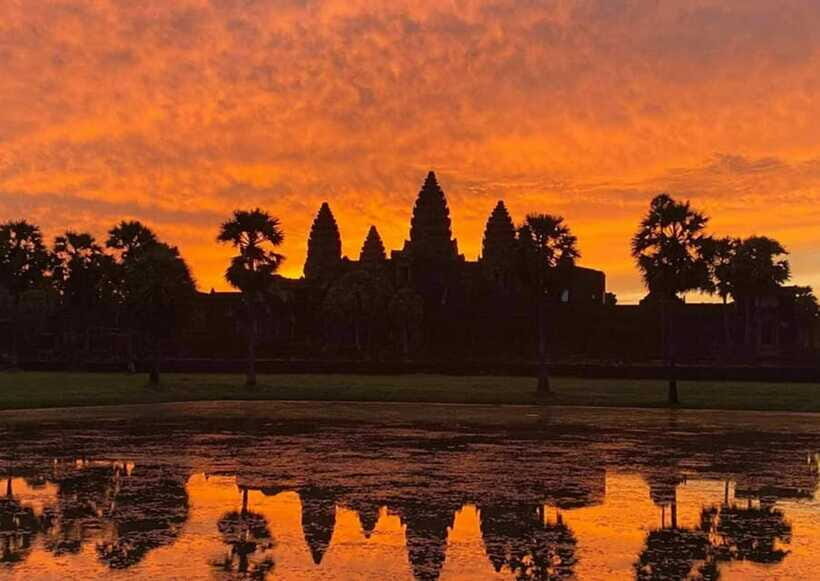
Angkor Wat at sunrise isn’t just a scenic moment—it changes how the whole place feels. In the early hours, the temple’s scale and symmetry land differently. Instead of fighting daytime heat and noise, you’re watching the light come up over stone carvings and long sightlines while the rest of Siem Reap is still waking up.
This tour is built around that timing. You’re picked up from your hotel at 4.30 AM in an air-conditioned vehicle and taken to the main entrance so you can get into the flow before the busiest rushes. The schedule then centers on a guided sunrise experience at Angkor Wat, with time to walk and take in the view at the moment the sky shifts.
Here’s the practical part you’ll care about: sunrise isn’t flexible. If you miss the early start, you lose the best part of the day. That’s why having a guide guiding the timing and the best viewing spots is a real value add. One past guest specifically praised a guide named Ounra for starting right on time at 5.00 AM and steering them to strong viewpoints while also helping with photos. That’s exactly what you want from a dawn tour: fewer wasted minutes, more meaningful minutes.
If you’re thinking about whether you can handle the early call time, do it honestly. It’s early. But the payoff is that you’re seeing Angkor when it’s at its most atmospheric.
You can also read our reviews of more guided tours in Siem Reap
The Small-Group Advantage: Your Guide Is Part of the Experience
This isn’t just a driver with a checklist. The tour includes an English-speaking guide and it shows in how the stops are explained.
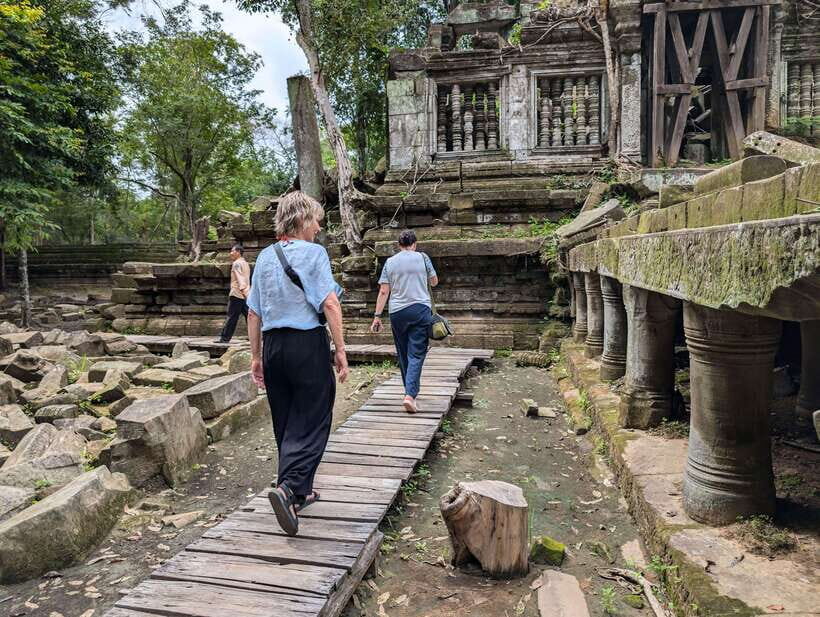
You’ll get historical and artistic context as you move between temples. For example, at Bayon and Baphoun, the guide doesn’t only point out the faces and towers—they explain what you’re looking at and how it fits into the Khmer empire’s story. At the same time, the tour keeps moving so you don’t end up stuck in one place while the morning fades.
The “small tour” part matters because temple visits can get chaotic fast. A smaller group gives your guide more flexibility to help with pacing, photo angles, and route flow. In one review, the guide was described as knowing the best spots for viewing and how to avoid the crowds. That kind of local attention is hard to replicate when you self-tour.
Also, you have a choice: shared group or private tour. If you want quiet, personal pacing, or simpler photo time, private is usually worth it—especially on an early-morning schedule when you don’t want to constantly negotiate with a group.
The only caution I’ll add: English quality can vary. In one booking, a guest mentioned the guide’s English was sometimes difficult to understand. If clear narration is your top priority, a private tour can help because you’ll often get slower, more direct explanations.
Angkor Wat Sunrise and the Temple Walk You Actually Need
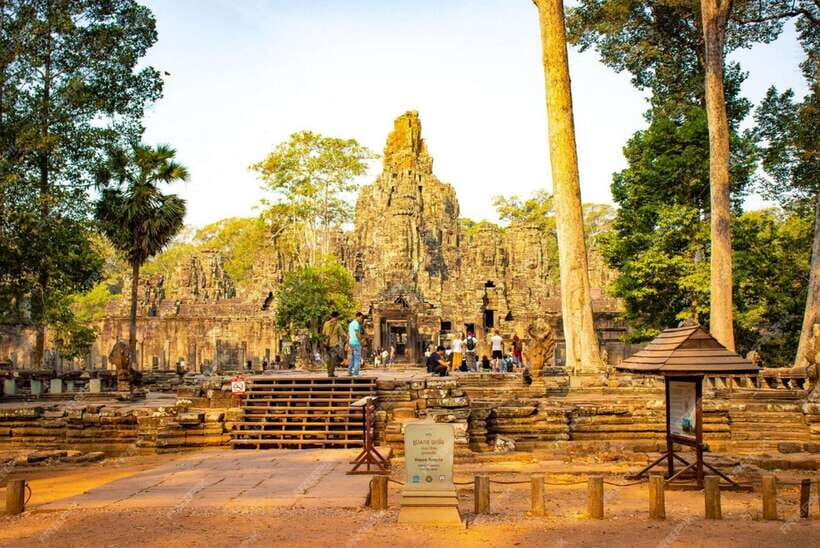
You start with the main event: sunrise at Angkor Wat. The tour includes a guided look plus time walking around the complex areas, with the sunrise itself built into the timing. Even if you’ve seen photos before, sunrise makes the carvings and structure feel more dimensional. The light isn’t flat, and details like balustrades and doorways stand out better.
You’ll also get a break early enough to keep your day workable. After the first blocks of temple time, the schedule includes break time and even a designated breakfast window. But there’s an important detail: meals and beverages aren’t included. So plan for food as an extra cost, and keep your expectations flexible if you’re hungry.
This is where good tour planning saves you. When you’re moving through Angkor, it’s easy to burn your energy on the wrong priorities. This itinerary keeps Angkor Wat as the core anchor and then focuses your attention on the most famous “next stops” rather than scattering you across lesser-known areas.
Also, pay attention to entry rules. Angkor Wat requires the right pass to enter temples, and your tour includes the guide and transfers—not the temple admission.
South Gate to Bayon: Where Angkor Thom Feels Like a Living Landmark
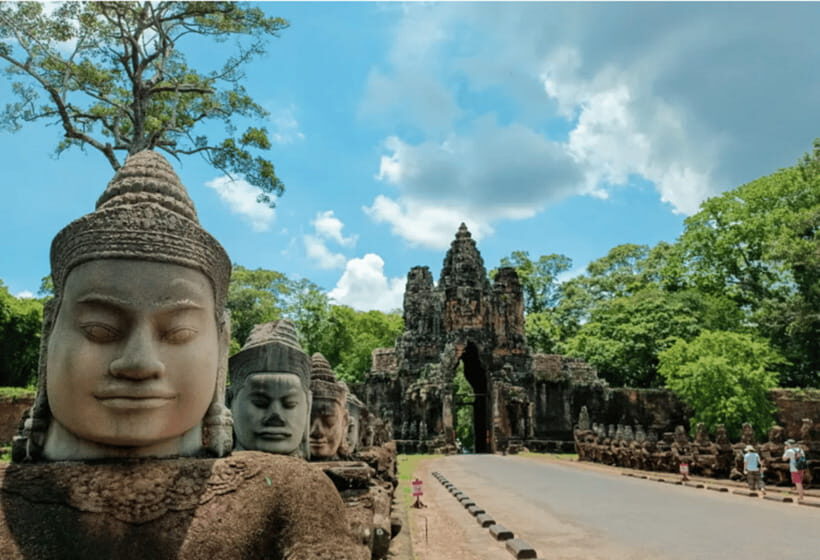
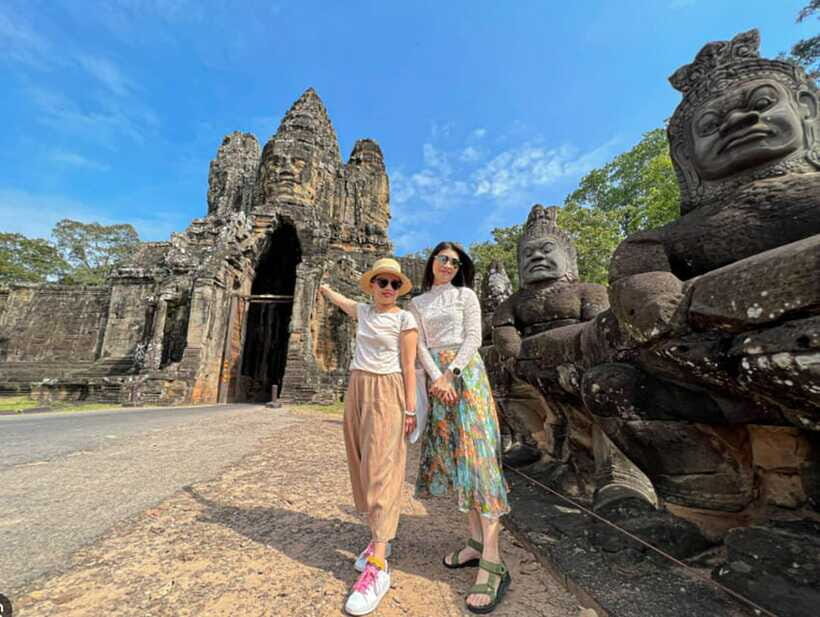
After sunrise time, the route shifts from the symbolism of Angkor Wat to the denser experience of Angkor Thom. You’ll head to the South Gate first, a dramatic entry point that sets the tone for what comes next.
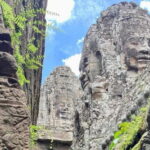
From there, you visit key temples including Bayon and Baphoun, with guided explanations along the way. This is one of the most visually distinctive parts of Angkor: Bayon is famous for 54 towers and 216 faces of the bodhisattva Avalokesvara. It’s the kind of detail that can feel like trivia when you read it later. On-site, it becomes the centerpiece of the whole walk.
The guide’s job here is valuable because it turns numbers into meaning. Why those faces? What were they meant to communicate? How does Bayon fit into the Khmer capital story? When those answers are part of the walk, you’ll understand the temple instead of just looking at it.
One practical upside: Bayon and its surrounding areas often concentrate your photo time. So even if you’re not a “standing still and soaking it in” traveler, you’ll still get a structured route with built-in viewing points.
Elephant Terrace and Leper King Terrace: Royal Power, Not Just Scenery
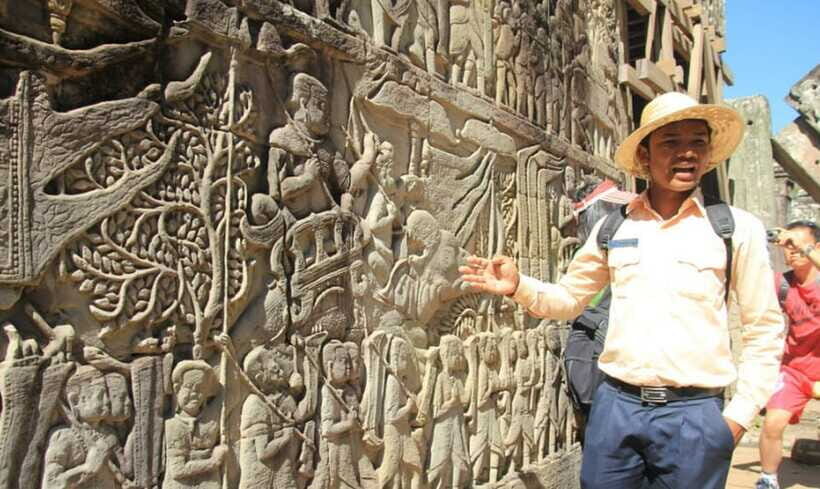
After the mid-day break and lunch time, the itinerary moves to two of Angkor’s most famous carved terraces: the Terrace of the Elephant and the Terrace of the Leper King.
What I like about these stops is that they slow you down in a way the main gates sometimes don’t. These terraces are connected to royal life—described in the tour plan as a royal viewing platform and part of the stage for the king’s great audience hall. In other words, you’re looking at places meant for ceremony and status, not just religious worship.
Even if you don’t read every carving, the terrace locations help your brain understand how power and public ritual worked in Khmer times. You’ll get a clearer sense of who would have been watching from where, and how the architecture supported that kind of display.
The drawback to know: terraces can be crowded depending on timing. You’re on a structured circuit, though, so you’re not randomly wandering at peak times. That structure is part of the value: you get a guided flow that reduces decision fatigue.
A few more Siem Reap tours and experiences worth a look

Ta Prohm Jungle Temple: The Temple That Looks Like It’s Fighting Back
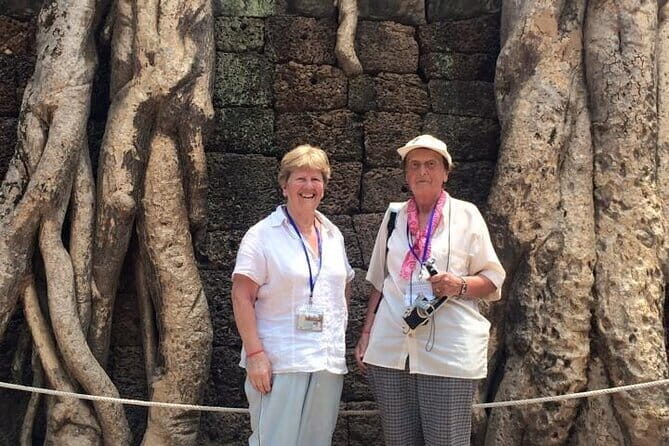
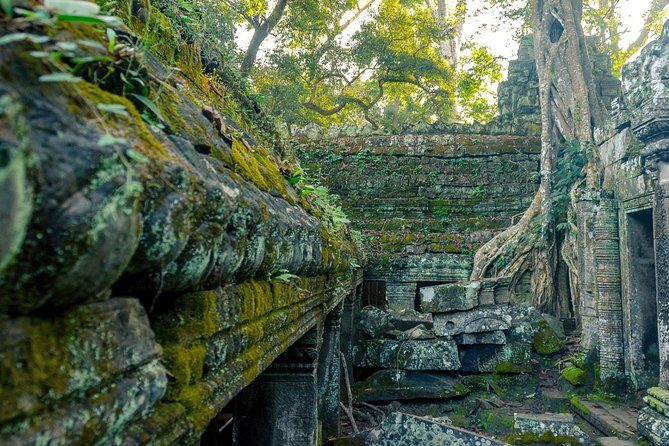
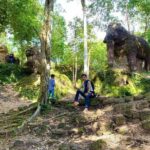
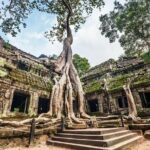
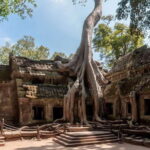
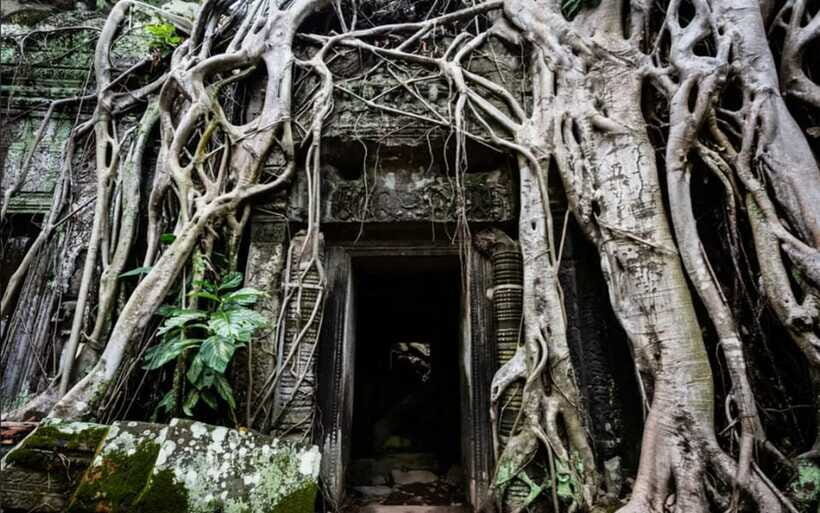
Then comes one of the most iconic scenes in all of Angkor: Ta Prohm. This is the jungle temple stop, where trees grow around and through stone structures in a way that makes the place feel almost alive.
The tour includes guided time at Ta Prohm, with a focus on the surrounding trees and the way nature and stone interact. What makes this stop work is contrast. You’ve spent earlier hours with symmetry and wide views. Ta Prohm gives you tight detail—roots, beams, and stone frames—and it changes your visual rhythm.
If you’re traveling with anyone who wants something more than “the same-looking temple from different angles,” Ta Prohm usually lands well. It’s a temple that comes with its own atmosphere, and the setting helps you remember it long after you leave.
Banteay Kdei: A Strong Ending to the Circuit
The day finishes at Banteay Kdei, built by King Jayavarman VII in the late 12th century. This is a good last stop because it feels like an open chapter after the more famous names.
You get a guided visit to close out the temples of the day before heading back toward Siem Reap. For me, the key with an ending like this is energy management. You’ve seen enough by then. You don’t need a fifth “all-out” major highlight. Banteay Kdei helps the day feel complete without turning into a marathon of constant walking.
Cost and Value: Why the $6 Price Isn’t the Final Number
Yes, the listed price is very low—$6 per person for an 8-hour tour with transfers, an English-speaking guide, bottled water, and a cold towel. On paper, that sounds like a steal, and the core value is real: you’re paying for a guided, timed sunrise plus a full temple route with transportation.
But here’s the key money reality: temple admission is not included, because Angkor passes are required. Your pass choice comes with set prices:
- 1-day pass: USD 37
- 3-day pass: USD 62
- 7-day pass: USD 72
…and they need to be used on consecutive days.
So the true value question becomes: how many days of temple entry do you plan to do in Angkor overall? If you’re staying only one day, you’re paying a lot for the pass anyway. If you’re planning a multi-day Angkor schedule, the 3-day or 7-day pass can feel much more reasonable—and then the tour price starts to look even better in comparison.
Also remember: meals and beverages aren’t included. The schedule includes time for breakfast and breaks, but you’ll likely be paying your own way for food during those stops.
Where the tour still wins is time and guidance. For sunrise tours, getting the timing right matters. For temple circuits, reducing confusion matters. This tour targets that.
Logistics That Can Make or Break Your Morning

This itinerary is timed tightly around early entry and temple visits. Here’s what you should keep in mind so it feels smooth rather than stressful.
Pickup matters. The tour pickup depends on your selected option, and you’re supposed to provide your hotel name (and room details if asked). If you’re booking, make sure you share your information clearly so the pickup doesn’t turn into a half-hour wait in the dark.
Group choice matters too. The tour offers both shared and private options. If you’re sensitive to crowd noise or you want more time for photos, private can reduce friction.
And know the rules: alcohol and drugs aren’t allowed. That’s standard for temple tours, but it’s worth noting so you can plan accordingly.
One more note from actual guest feedback: the tour lists bottled water and a cold towel as included, but at least one booking reported not receiving them. So it’s reasonable to double-check early with your guide at pickup and then adjust expectations if something feels off.
Who Should Book This Sunrise and Small-Group Tour?
I think this tour is best for you if:
- You want Angkor Wat at sunrise and don’t want to figure out the timing alone
- You like having an English guide explain what you’re seeing (not just walk past it)
- You want a well-known Angkor circuit without picking and choosing stops yourself
- You’re okay with a long day and an early start
I’d be careful if:
- You’re over 70 years old, since the tour notes it isn’t suitable
- You strongly rely on consistently easy-to-follow English narration, since one past guest flagged occasional difficulty
- You don’t want additional spending for Angkor passes and meals
If you’re traveling with kids or you’re especially mobility-limited, the plan’s walking-heavy temple stops may feel demanding. The data doesn’t spell out accessibility details, so if that’s your concern, ask the provider what the walking involves for your situation.
Should You Book This Sunrise and Small-Group Tour?
If you’re choosing between DIY sunrise and a guided circuit, I’d lean toward booking—especially for your first Angkor day. The combination of early pickup, sunrise timing, and a guide who explains the temples is exactly what makes “seeing Angkor” feel more than just photo hunting.
The decision comes down to your pass strategy and comfort with early mornings. If you already plan multiple days of Angkor, the pass cost becomes easier to justify, and this tour’s low base price feels even smarter. If you’re doing only one day, you’ll still enjoy the tour, but you should go in knowing the pass and meal costs are real.
Bottom line: this is a strong choice when you want the morning magic at Angkor Wat and a structured, meaningful run through the biggest surrounding sights.
FAQ
What time is the pickup?
You’re picked up from your hotel at 4.30 AM in an air-conditioned vehicle.
Does the tour include Angkor Wat admission?
No. Angkor passes are required to enter temples, and temple admission is not included in the tour price. Pass options are available for 1 day, 3 days, or 7 days.
Are meals included?
No. Meals and beverages are not included, even though the schedule includes break and breakfast time.
Is the guide English-speaking?
Yes. The tour includes an English-speaking live guide.
Can I choose a shared or private tour?
Yes. Private group available, and you can also choose a shared group option.
What information do I need to provide for pickup?
You should advise your hotel name (and pickup details may request your room number). The provider also notes you can share details via email or WhatsApp.