Four Angkor temples in one packed day. This 8 to 9 hour tour from Siem Reap strings together Angkor Wat, Banteay Srei, Ta Prohm, and Angkor Thom so you don’t waste limited time waiting around. You start at 7:30 am, ride out through local countryside, and finish back at your hotel with a full circuit of the most in-demand sights.
I especially like the small-group feel, since it’s set up as a private experience for your group, not a cattle-line throwback. I also love how much the day can feel like a guided story—English-speaking guides such as Bunleat (Horng Bunleat) are praised for explaining what you’re seeing, keeping families with kids engaged, and even helping with practical stuff like meal choices and logistics advice.
One consideration: the $65 price covers the guide and car, but temple admission tickets and lunch are not included, so you’ll want to budget extra before you go.
In This Review
- Key highlights you’ll feel right away
- Four temples, one tight route starting at 7:30 am
- Angkor Wat at first light: what to focus on beyond the photos
- Banteay Srei: the countryside drive and the delicate carvings
- Lunch break planning: what’s not included and how to handle it
- Ta Prohm: the tree roots and the dramatic feel of surviving stones
- Angkor Thom: Victory Gate and Bayon’s faces
- Price and logistics: is $65 good value here?
- Your guide’s style: why Bunleat (and similar guides) matter
- Who this tour fits best (and who should reconsider)
- Small notes that make the day smoother
- Should you book this 4-temple Angkor day trip?
- FAQ
- Which temples are included in this day trip?
- What time does the tour start?
- How long is the tour?
- What’s included in the $65 per person price?
- Is lunch included?
- Are temple admission tickets included?
- Are there extra costs for other temples like Preah Vihear or Ko Ker?
- Is pickup offered?
- Is this a private tour?
- What happens if weather is bad?
- What is the cancellation policy?
Key highlights you’ll feel right away
A 7:30 am start that gives you time for four major temple stops
Banteay Srei reached via a countryside drive through local villages
Ta Prohm’s jungle-root atmosphere, including the famous intertwined tree roots
Angkor Thom includes the Victory Gate and Bayon temple
English-speaking guide support plus AC vehicle and bottled water
Guides like Bunleat are known for engaging explanations and family-friendly pacing
Four temples, one tight route starting at 7:30 am
If your time in Siem Reap is short, this is the kind of day trip that makes sense. You’re not choosing between the headline sites—you’re stacking them. Starting at 7:30 am also helps because the day is built for motion: temple walk time, short travel stretches, and enough time for a proper sit-down break.
The whole experience is set up for an 8 to 9 hour block. That matters because Angkor isn’t “see it and leave” sightseeing. Even when you’re not doing anything extreme, you’re still walking temple paths, climbing in places, and spending time looking up at carvings.
You’ll be in an air-conditioned vehicle, and you get bottled water. Those sound like small perks, but in Cambodia’s heat they genuinely help you stay upright and attentive. This is also a private tour for your group, so you’re not dealing with random pacing from strangers.
One more practical point: the tour requires moderate physical fitness. That doesn’t mean you need to be an athlete, but it does mean you should expect some walking and uneven temple surfaces.
You can also read our reviews of more tours and experiences in Siem Reap.
Angkor Wat at first light: what to focus on beyond the photos
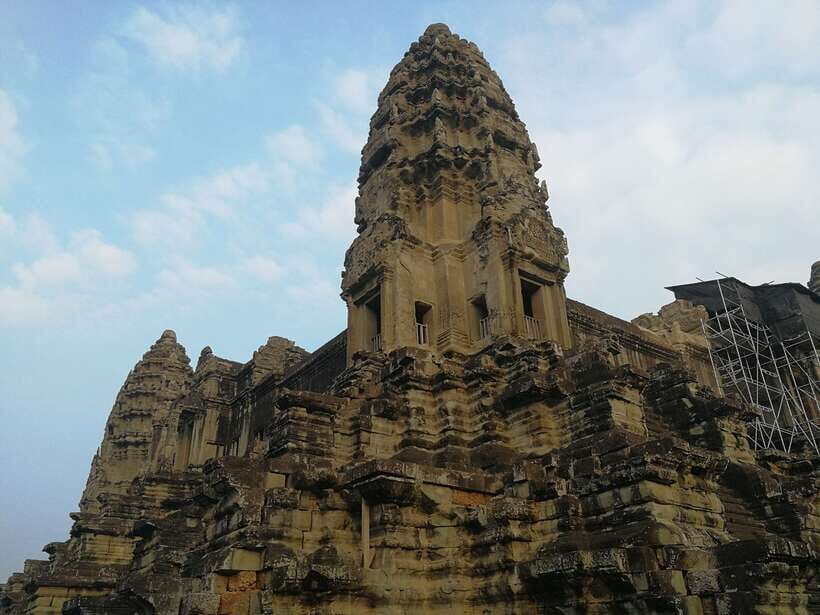
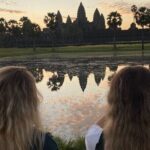
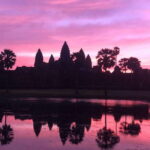
Angkor Wat is usually the one you’ve already seen in posters and phone wallpapers. The trick is learning how to look at it during your limited time. With an English-speaking guide, you’ll get context for the temple’s layout and the kinds of details you’re passing without noticing on your own.
Since your day starts with Angkor Wat, you’ll be able to spend more time here than you would if you started later. The guide’s job isn’t just naming places—it’s helping you connect shapes, carvings, and the temple’s layout to the big picture.
What I like about this stop is that it sets the tone for the rest of the day. Angkor Wat can feel like the “formal” statement of the complex, and then the other temples you visit later start to look different in comparison—more intimate, more dramatic, or more overtly swallowed by nature.
If you care about photos, the guide’s attention can help you time shots and get useful angles. In past trips with guides like Bunleat, people have specifically praised the added value of photography help, not just “here’s where to stand.”
Banteay Srei: the countryside drive and the delicate carvings
After Angkor Wat, you don’t just jump to the next building—you move through countryside and local villages. That drive is part of why this tour feels like more than a checklist. It gives you a sense of where the temples sit in daily life, not just inside a fenced-off attraction zone.
Then comes Banteay Srei, a temple that often feels different from the bigger, grander sites. The focus here tends to be on fine details and craftsmanship. Even if you’re not a sculpture nerd, you’ll notice that the carvings invite slower looking.
This stop is a good match for people who want variety. Angkor Wat can overwhelm at first glance. Banteay Srei gives your eyes a smaller target and a more intimate vibe, so you’re not always in “bigger is better” mode.
You should also remember the pacing: this tour is meant to be efficient, so you’ll likely cover the essentials without getting stuck. If you’re the type who wants to linger for hours on one corner of a temple, this may feel quick. If you want a strong overview across four major sites, it’s a solid rhythm.
Lunch break planning: what’s not included and how to handle it
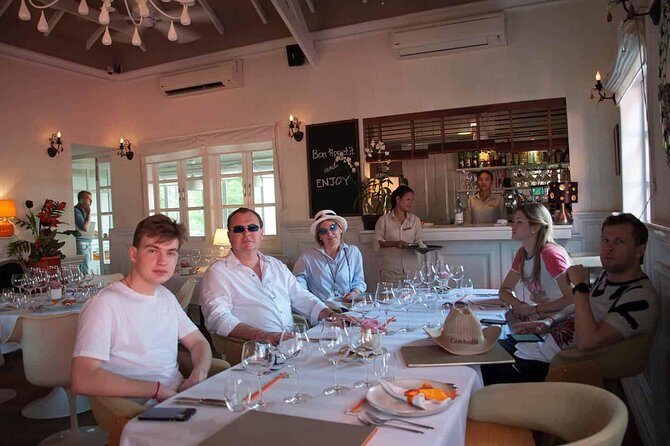
Lunch is not included, which is important to know upfront. The good news is the tour builds in a break after Banteay Srei, so you can refuel before the more atmospheric stops later in the day.
In practice, guides such as Horng Bunleat have helped families find local lunch options, including veggie and vegan-friendly choices. That kind of suggestion can save you time and stress, especially if you’re traveling with kids or you have dietary needs.
So here’s your best move: decide early whether you want a sit-down meal near the route or a quick bite and keep moving. Because the day continues on to Ta Prohm and Angkor Thom, staying energized matters.
Also, don’t forget that you’ll already have bottled water provided. That’s one less thing you need to hunt down during your breaks.
Ta Prohm: the tree roots and the dramatic feel of surviving stones
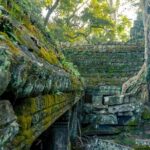
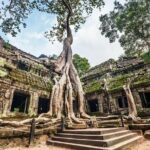
Ta Prohm is where the day turns more cinematic. You’ll see a jungle-clad temple with those famous tentacle-like tree roots creeping into the structure and holding it in place.
This is one of those stops where you don’t need a huge lecture to appreciate what’s happening. The roots create a visual story: time, damage, and survival all tangled together. A good guide helps you make sense of what you’re seeing so it doesn’t feel like random chaos.
The time you spend here is also about atmosphere. The shadows, the textures of stone and roots, and the way the temple frames the surrounding greenery make Ta Prohm a favorite for many visitors.
If you care about photos, focus on getting a few strong shots rather than trying to photograph everything. The guide’s help with timing and angles can be useful here, and it’s also helpful for people traveling with kids because it keeps the day from turning into a “everyone is bored, everyone is melting” situation.
Angkor Thom: Victory Gate and Bayon’s faces
After Ta Prohm, you’ll head to Angkor Thom, starting with the Victory Gate. This is the kind of landmark that quickly makes the rest of the complex feel real—you get a strong entry moment, not just another temple doorway.
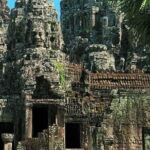
Then you’ll visit Bayon temple, known for its face-like stone towers. This stop is great for your brain because it’s different from what you’ve already seen. Instead of focusing on one huge centerpiece, Bayon keeps repeating its visual themes as you move around.
What makes Bayon work on a day like this is the sequencing. After Angkor Wat’s formality and Ta Prohm’s jungle drama, Angkor Thom feels more intense and direct. You’re looking at a temple designed to project meaning in a very physical way—through placement, scale, and repetition.
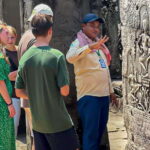
Like the other temples, the guide’s English explanations can help you read the patterns, so you don’t just walk past carvings. The point is to make your photos and memories feel connected, not random.
Price and logistics: is $65 good value here?
The headline price is $65.00 per person, and the tour lasts about 8 to 9 hours. The included items are clear: an air-conditioned vehicle, bottled water, and an English-speaking tour guide.
So the “value” question becomes: what do you pay on top? Two big things are explicitly not included:
- Lunch
- Admission tickets for temples
That doesn’t mean the tour is expensive—it means you should plan your budget correctly. If you show up expecting the $65 to cover everything, you’ll be surprised at the last step.
Also note the tour listing includes other temple-related costs as not included: Preah Vihear temple ticket is listed at $10 per person, plus a $25 USD pick-up truck cost to go up and down the Preah Vihear mountain. Ko Ker is listed at $10 USD per person. Those are separate items, so if you’re thinking of adding more temples beyond the main four, budget accordingly.
Here’s how I’d judge it for your wallet:
- If you want a guided day that covers multiple headline temples, the $65 fee mostly pays for logistics and interpretation.
- If you’re already comfortable navigating everything alone and don’t care about explanations, you might not need this guide.
- But if you like context and want a smooth, timed day, this price can feel fair.
One more bonus: pickup is offered, and you can get group discounts and a mobile ticket. Those are small items, but they reduce friction at the start and keep the day from feeling messy.
Your guide’s style: why Bunleat (and similar guides) matter
This tour lives or dies by the guide experience. The standout theme across strong feedback is how guides like Bunleat (Horng Bunleat) combine clear explanations with a relaxed, friendly approach.
People praise him for being:
- personable
- patient
- engaging for families, including kids
- responsive when plans shift or questions come up
- helpful with practical logistics like advice related to border crossing from Thailand
- focused on helping you enjoy the experience, not just “finish the route”
That last point is underrated. With a day this packed, a guide who can keep the group energized makes the difference between a “hard day of walking” and a “I’m tired but I’m glad I did this.”
There’s also a practical angle: guides who know what to say can help you understand the temple layouts quickly. That means less time stuck wondering what you’re looking at, and more time noticing details that make each site unique.
And if you care about photos, guides who are good at photography support can help you get better images without wasting your whole day searching for the perfect spot.
Who this tour fits best (and who should reconsider)
This is a good fit if:
- You have limited time in Siem Reap and want four major temples in one day.
- You prefer a plan and a guide instead of DIY navigation.
- You want English explanations and value the context behind what you’re seeing.
- You’re traveling with kids or a mixed-age group and want someone who can keep the energy up.
It might not be ideal if:
- You hate early mornings. The 7:30 am start is firm.
- You want a slow, unhurried pace at one site. This day aims to cover big highlights efficiently.
- You’re on a tight budget and don’t want to add temple admissions and lunch on top of the $65 fee.
Also take the moderate fitness requirement seriously. If your mobility is limited, you might find this day feels demanding. The route is a lot of temple walking, even if the stops are well organized.
Small notes that make the day smoother
You get bottled water, and you ride in an air-conditioned vehicle, which helps a lot. Still, you should plan for a full-day schedule where lunch is your main longer pause. Since lunch isn’t included, having a plan for where and what you’ll eat can prevent last-minute stress.
Comfort matters. Wear comfortable footwear and be ready for uneven temple surfaces. The tour is designed for people with moderate physical fitness, so don’t treat it like an easy stroll.
One more practical detail: you receive confirmation at booking time, and the tour uses a mobile ticket. That’s useful if you like having everything ready on your phone.
Finally, the experience depends on weather. If conditions are poor, it can be rescheduled or refunded, so keep that in mind when planning other activities.
Should you book this 4-temple Angkor day trip?
Book it if you want a structured, guided day that covers Angkor Wat, Banteay Srei, Ta Prohm, and Angkor Thom without the hassle of organizing transfers between them. At $65 per person, you’re paying for smooth logistics and interpretation, not for temple admissions and meals.
Skip it or look for a slower alternative if you’d rather focus deeply on one temple and linger. Also consider it carefully if early starts are hard for you or if your mobility is limited, since the tour calls for moderate physical fitness and a full day on your feet.
If your goal is to see the big names and come away understanding what you saw, this tour is a strong bet.
FAQ
Which temples are included in this day trip?
The tour covers Angkor Wat, Banteay Srei, Ta Prohm, and Angkor Thom, including Bayon temple.
What time does the tour start?
The start time is 7:30 am.
How long is the tour?
It runs about 8 to 9 hours.
What’s included in the $65 per person price?
The price includes an air-conditioned vehicle, bottled water, and an English-speaking tour guide.
Is lunch included?
No, lunch is not included.
Are temple admission tickets included?
No. Admission tickets are not included.
Are there extra costs for other temples like Preah Vihear or Ko Ker?
Yes. Preah Vihear temple ticket is listed as $10 per person, and Preah Vihear mountain transport is listed as $25 USD per truck. Ko Ker is listed as $10 USD per person. Those are not included.
Is pickup offered?
Pickup is offered.
Is this a private tour?
Yes. It’s private, and only your group participates.
What happens if weather is bad?
The experience requires good weather. If it’s canceled due to poor weather, you’ll be offered a different date or a full refund.
What is the cancellation policy?
You can cancel for a full refund up to 24 hours in advance of the experience’s start time. If you cancel less than 24 hours before the start time, the amount paid is not refunded.