REVIEW · PHNOM PENH
A Day Trip to Kep Beach and Kampot from Phnom Penh
Book on GetYourGuide →Operated by Cambodia Taxi Driver · Bookable on GetYourGuide
Salt fields, pepper farms, and sea crabs. That mix is why this trip works so well, pairing Kampot’s colonial streets with hands-on stops at the pepper plantations.
I also like that you get an English-speaking driver who actually explains what you’re seeing, not just seat time. One thing to plan for: it’s a long 11.5-hour day with plenty of sun and walking, so bring the right gear and pace yourself.
In This Review
- Key things I’d plan for before you go
- Phnom Penh to Kampot and Kep: a long day that stays worth it
- Kampot town with colonial bones and smart photo stops
- Fish market area and salt production scenes in the Kampot region
- Phnom Chhngok Cave Temple: calm views and respectful wandering
- La Plantation pepper time: learn how Kampot pepper grows
- Kep Market lunch and why seafood here matters
- Kep Beach: real downtime after a full run
- Price and value: what $135 gets you for a private day
- Practical tips to make it feel easy, not exhausting
- Who should book this Kep and Kampot day trip?
- Should you book this tour to Kep and Kampot from Phnom Penh?
- FAQ
- How long is the day trip from Phnom Penh to Kep and Kampot?
- Where can I be picked up, and where do I return?
- What’s included in the tour price?
- Is the seafood lunch included?
- What should I bring for the day?
- What are the tour’s main activities?
Key things I’d plan for before you go
- Door-to-door pick-up options: Phnom Penh or Techo International Airport (KTI), then return to your starting point.
- A tight cultural-food-natural route: colonial town views, fish market area, salt production scenes, a cave temple, pepper farming.
- Salt fields photo timing: the salt production process is most visible in December and May.
- Temple calm, not a hike marathon: Phnom Chhngok Cave Temple is scenic and peaceful, but it still involves getting around on foot.
- Kampot pepper tasting angle: you’ll meet local farmers on the plantation and learn how the pepper is grown.
- Kep Beach recovery time: after lunch, you get a real window to relax and even swim.
Phnom Penh to Kampot and Kep: a long day that stays worth it
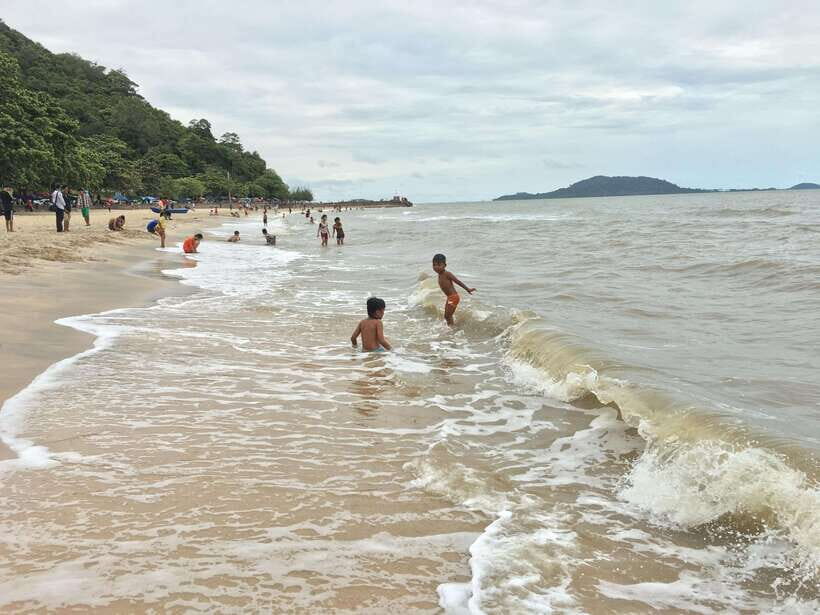
This is a full-day route built around one idea: you can’t see Kampot and Kep properly by rushing them on your own. The trade-off is time. Expect an early start and a big chunk of driving. The transfer into Kampot is about 3 to 4 hours, and the return to Phnom Penh is about 3 hours (traffic can stretch it).
Once you’re in the Kampot area, the day moves in blocks: a quick look at the town, a salt-and-market stretch, a temple and pepper stop, then down to Kep for lunch and beach time. If you like structure, this itinerary fits your style. If you prefer slow travel with long pauses, you’ll need to use the included beach time as your “reset.”
I also like that this isn’t just driving past sights. You spend real time at the market area, salt fields, the cave temple, and the pepper plantation, then you actually get to sit on Kep Beach.
A few more Phnom Penh tours and experiences worth a look
Kampot town with colonial bones and smart photo stops
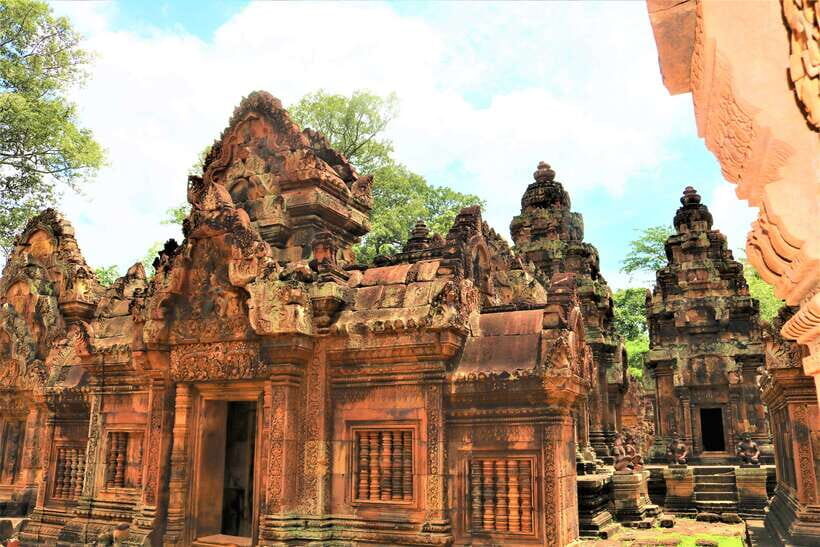
Kampot’s colonial architecture is the first mood shift. Even when you’re only walking for a short while, the preserved buildings give you context for why the town mattered historically and why people still come for that old-town feel.
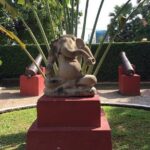
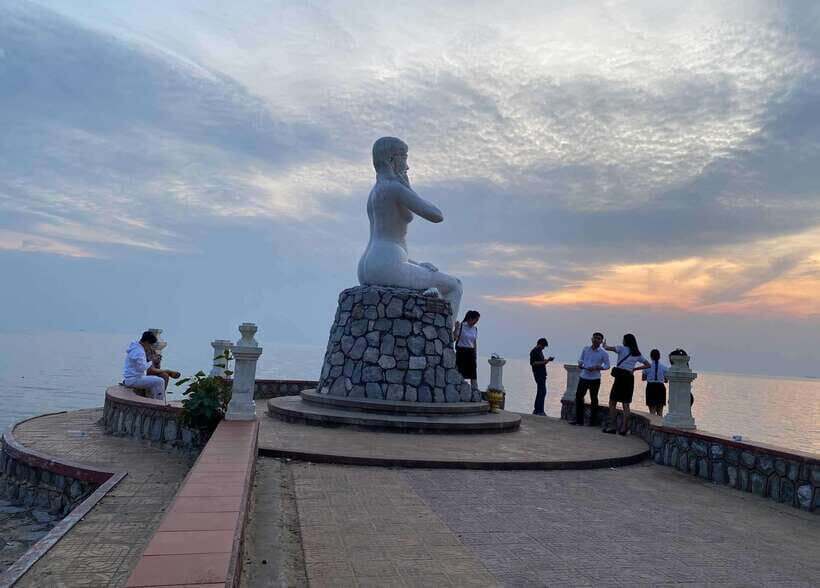
You also get a photo stop at the Seahorse Statue. It’s quick, but it helps you orient you in Kampot, especially if you’re arriving from Phnom Penh and the area feels new. I like these micro-stops because they turn “arrival time” into “I’m already getting value” time.
That said, town time is not huge. If you want hours of wandering cafés and museums, you’ll probably want to add a separate night in Kampot. For a day trip, though, this balance makes sense: a fast look at the town, then you move into the regional specialties.
Fish market area and salt production scenes in the Kampot region
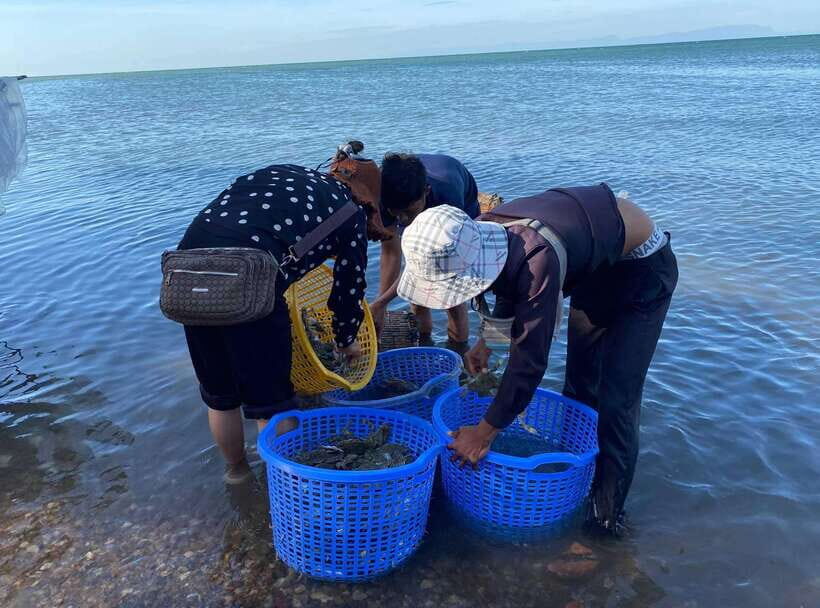
After the town segment, the day leans into Kampot’s working life. You’ll spend time around the Fresh Fish Market in Krong Kampot, with a photo stop and some walking. Even if you don’t buy anything, it’s a good place to understand how seafood and daily commerce shape the local rhythm.
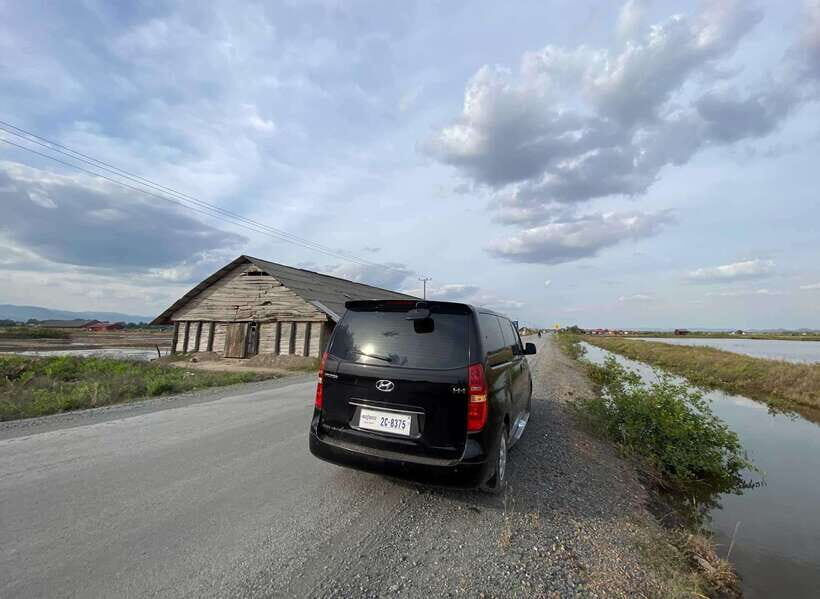
Then comes one of the most memorable stops: the salt fields. You’ll be able to see the salt production process sites, and the timing matters. The salt production is most visible in December and May, so if your dates line up, you’ll likely get clearer views of how the process looks on the ground. When it’s visible, it also makes photography much easier because you can actually read the activity in the scene.
Two practical notes:
- Plan for heat. Salt flats and open areas don’t forgive sun.
- Don’t expect a single “perfect postcard spot.” This area rewards slow scanning and short photo walks rather than one big viewpoint.
If you’re into food origins, salt is one of those things people rarely notice until they see it produced. This stop helps connect the dots between what you eat in Cambodia and the production behind it.
Phnom Chhngok Cave Temple: calm views and respectful wandering
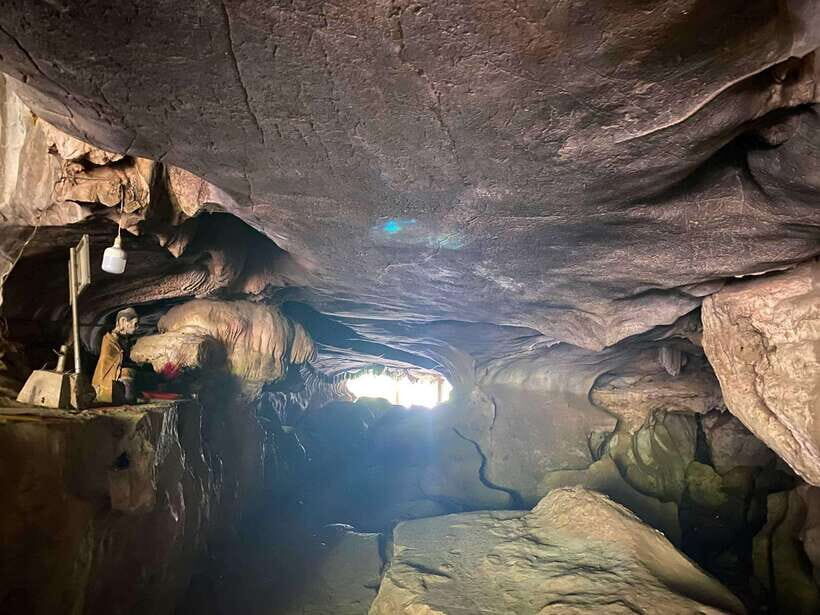
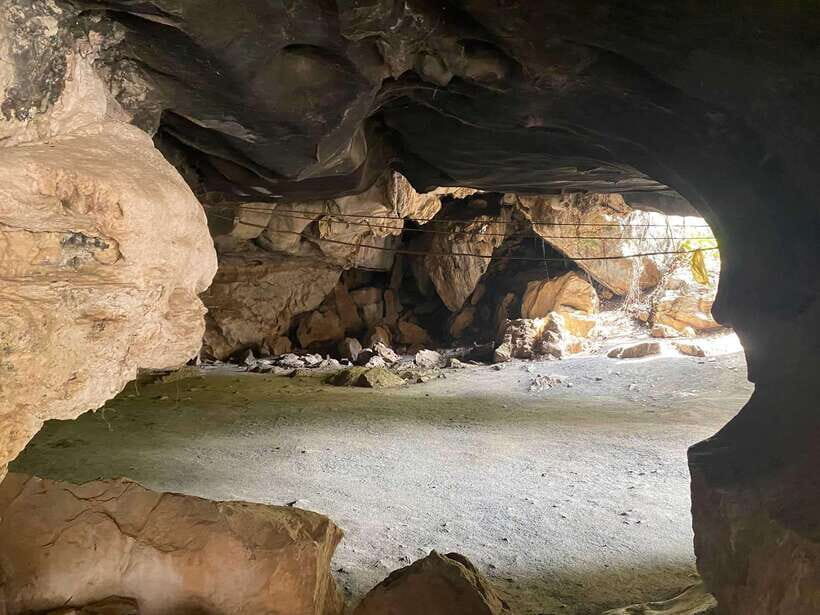
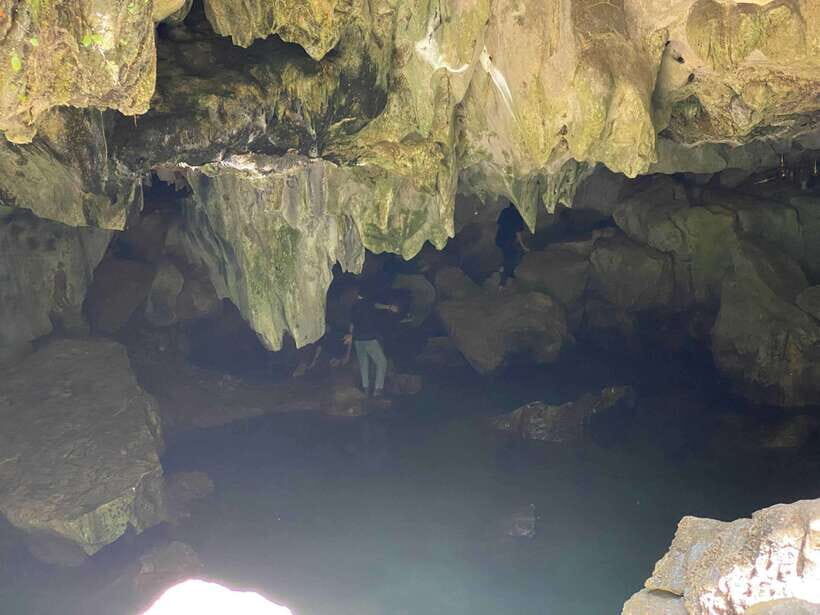
The Phnom Chhngok Cave Temple is your nature-and-tranquility break. It’s set in a scenic environment, which gives you a different feel from the town and the fields. You’re not just looking at a structure; you’re also stepping into a place where the surroundings do part of the work for your mood.
This is also a spot where I’d go for attitude over ticking boxes. Slow down. Look around. Let the setting settle your pace after market heat and salt-field sun.
A few common-sense tips help here:
- Wear comfortable shoes. You’re walking in and around a temple environment.
- Dress respectfully. If you’re not sure what’s acceptable, cover shoulders and knees.
- Bring a little patience. Temples tend to be calmer when you don’t treat them like a race.
If you’re expecting a long hike, temper that. You’ll enjoy it most if you see it as a scenic, peaceful pause that complements the pepper and salt learning later in the day.
La Plantation pepper time: learn how Kampot pepper grows
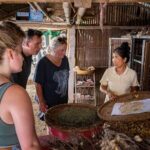
If you care about flavor, the pepper stop is the heart of this trip. You’ll visit La Plantation, where a local farmer guides you through pepper cultivation. The day gives you time to learn the process, then you also get a tasting session.
I like this structure. A pepper tasting without cultivation context can feel random. With the farm visit, you understand what you’re tasting: the local growing approach, how the pepper is handled, and why Kampot pepper has its reputation.
You’ll also get scenic views while you’re there, and that matters more than you might think in a day trip. It breaks the pattern of only indoor learning and quick roadside stops.
One consideration: plantation visits can be sun-heavy and involve walking on uneven ground. You’ll get the best experience if you wear shoes you can trust and keep hydration in reach.


Kep Market lunch and why seafood here matters
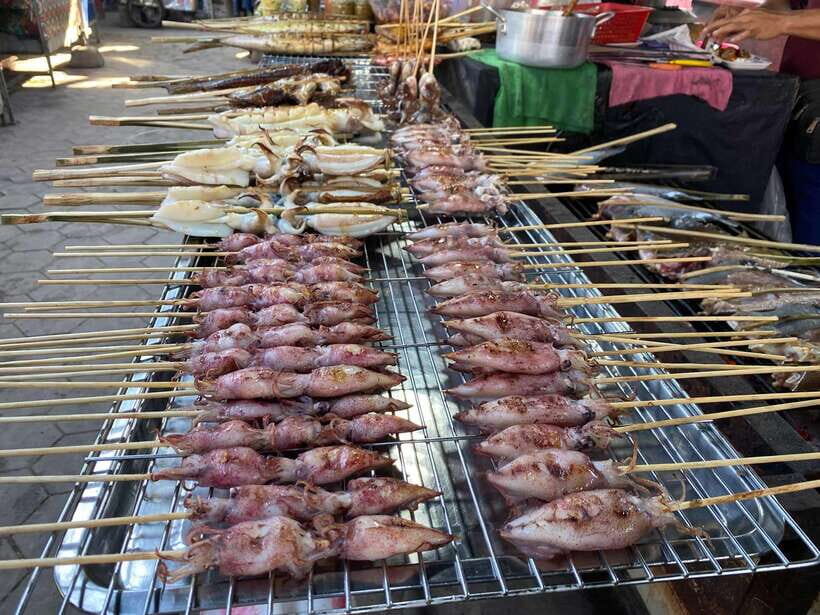
After pepper, you head toward Kep Market for lunch. This is one of the places where the tour gives you flexibility without losing direction: you’ll eat a seafood meal at a local restaurant in Kep, and the area is famous for fresh crab dishes.
Important detail: seafood lunch isn’t included in the price. That means you get control over what you order, but it also means you should budget extra on the day. If you’re on a tight budget, you can still eat well, but you won’t get the tour deal pricing advantage unless the restaurant options are priced accordingly.
How to think about value here: the lunch is part of the story, not just a meal slot. You’re eating near the beach region after a day focused on regional products (salt and pepper). Choosing what to order at lunch feels like a final chapter.
Tip for your order: if crab is your thing, this is the moment to treat yourself, since you’re in Kep specifically for that seafood reputation.
Kep Beach: real downtime after a full run
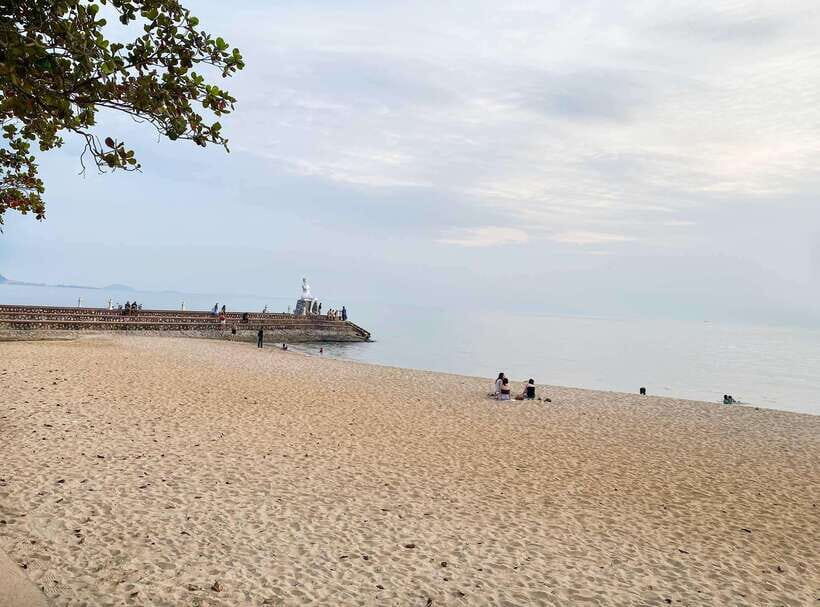
Then you shift from learning and sightseeing to pure relaxation. Kep Beach is about 25 minutes from La Plantation, so the transition is quick.
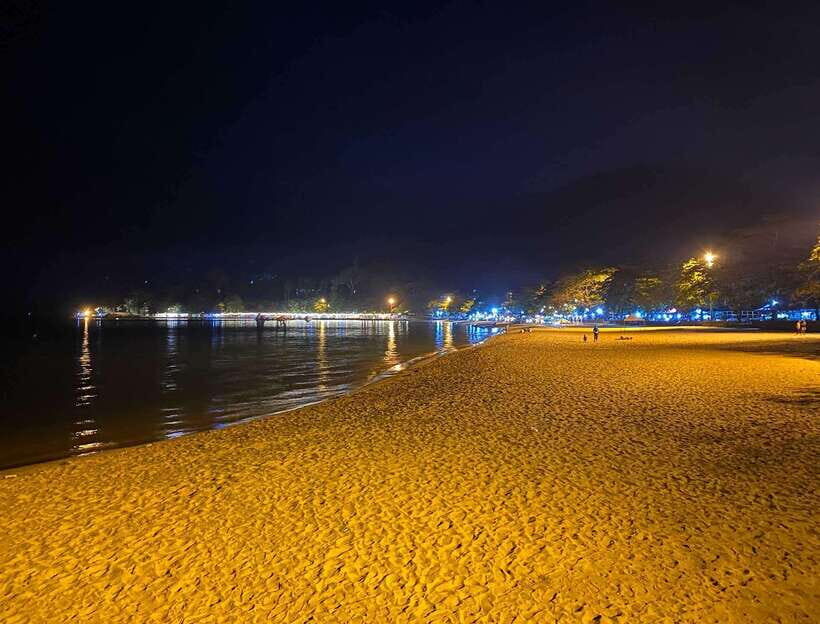
You’ll have time to relax at the beach: stroll along the shore, unwind, and even swim. This is where you’ll feel the benefit of the day trip format. Without beach time, the day could feel like constant movement. With it, you get a place to reset before the drive back to Phnom Penh.
Don’t show up underprepared. Bring swimming dress, and use your sunscreen properly. The sun has already been part of the salt and plantation segment, and Kep Beach doesn’t slow down just because you’re relaxing.
If you’re prone to over-sunning yourself on day trips, treat this as a scheduled break. Sit, drink water, swim if you want, then cool down before you start traveling again.
Price and value: what $135 gets you for a private day
At $135 per person, this private tour is trying to solve a very real problem: moving efficiently between Phnom Penh, Kampot, and Kep in one day. The value is strongest if you don’t want to plan transit, timing, and entry steps yourself.
Here’s what you’re paying for in plain terms:
- English-speaking driver guided trip with a private group feel
- Transport by car or minivan, plus pick-up and drop-off from Phnom Penh or Techo International Airport (KTI)
- All ticket and entrance included for the planned stops listed in the experience
- Visits centered on the big themes: Kampot colonial buildings, salt fields, Phnom Chhngok Cave Temple, and the pepper plantation at La Plantation
- Relaxation time at Kep Beach
Two budget items to remember:
- Seafood lunch in Kep is not included
- Any personal expenses are on you
One more value point: the quality of guidance. In one recent booking, the English-speaking driver/guide was Vannak, described as professional and able to explain things in detail. That kind of on-the-ground commentary is a big part of why private day trips feel smoother than DIY.
So is it worth it? It’s a good deal if you want one guided day that hits the region’s signature experiences without you stitching together logistics. If you already know how you’ll travel, and you don’t care about the pepper-and-salt learning, it may feel pricier than you’d like.
Practical tips to make it feel easy, not exhausting
Because this is a full day, the “small stuff” changes your experience a lot.
Bring and wear
- Sunglasses
- Sun hat
- Sunscreen, including biodegradable sunscreen
- Comfortable shoes for walking around market areas, temple grounds, and plantation paths
- A water bottle, and drink regularly
- Swimming dress for Kep Beach
Think ahead
- Expect a full schedule. This tour starts early and runs until early evening depending on traffic.
- Don’t plan extra stops after the tour. The drive back can be long.
Know the rules
- Pets are not allowed.
- Smoking in the vehicle isn’t allowed.
If you’re sensitive to heat, aim to slow your pace at open-air stops like the salt fields and beach. Your best photos will often come from taking a breath, not sprinting between viewpoints.
Who should book this Kep and Kampot day trip?
You’ll likely love this if you want a guided day that mixes:
- Colonial town atmosphere in Kampot
- A real look at salt production process sites
- A peaceful cave temple stop
- A hands-on pepper plantation visit with tasting
- A payoff end section at Kep Beach
It’s also a good match if you want an English-speaking guide to connect the dots between places instead of just dropping you off.
If you’re over 95 years or have altitude sickness, this isn’t set up for you. Also, if walking in heat is tough, be honest with yourself about the temple and open-air stops.
Should you book this tour to Kep and Kampot from Phnom Penh?
Book it if your priority is a structured, private day trip that hits Kampot and Kep’s signature experiences without you dealing with transfers and timing. The $135 price makes sense because it bundles transport, guided stops, and entrance for the main sites, plus you end with actual beach downtime.
Skip it (or consider splitting it into two days) if you hate long drives, dislike sun-heavy outings, or want lots of free time in town. This day is packed by design.
If you want a day that feels like a guided taste of Kampot and Kep—salt, pepper, temple calm, and seafood by the water—this is a strong way to do it.
FAQ
How long is the day trip from Phnom Penh to Kep and Kampot?
The duration is about 11.5 hours.
Where can I be picked up, and where do I return?
You can choose pick-up from Phnom Penh or Techo International Airport (KTI), and you’ll be dropped off at the same location option.
What’s included in the tour price?
It includes an English-speaking driver-guided trip, car or minivan transportation, pick-up and drop-off, tickets and entrance for the planned stops, visits to Kampot colonial buildings, salt fields, Phnom Chhngok Cave Temple, and the pepper plantation visit, plus relaxation time at Kep Beach.
Is the seafood lunch included?
No. Seafood lunch in Kep is not included.
What should I bring for the day?
Bring sunglasses, a sun hat, sunscreen (biodegradable sunscreen is recommended), and comfortable walking shoes. Also carry water, and bring swimming dress for Kep Beach.
What are the tour’s main activities?
You’ll see Kampot’s colonial buildings, visit salt production sites and a fish market area, visit Phnom Chhngok Cave Temple, tour La Plantation for Kampot pepper cultivation with a tasting session, and relax at Kep Beach.