REVIEW · SIEM REAP
Cambodia 7 Days Tour from Siem Reap to Battambang and Phnom Penh
Book on Viator →Operated by About Cambodia Travel & Tours · Bookable on Viator
Temple mornings, genocide afternoons, bamboo rails. This Cambodia 7-day tour moves you from Angkor Wat to Phnom Penh with stops that mix awe, everyday rural life, and the hard truth of the Khmer Rouge. I like the way the plan includes crowd-busting temple highlights plus quieter sights like Banteay Chhmar (Jungle Temple). The one thing to consider is the pace: it’s a lot of days on the move, and some museum visits are emotionally heavy.
What really makes it work is the human touch. In past trips, guides such as Mr Sara and others like Meng or Vany are praised for clear English and temple history that actually sticks, while drivers like Mr Art get called out for careful, steady driving. You also get city-center hotel options, so you’re not spending every evening in transit.
In This Review
- Key Points That Make This 7-Day Cambodia Route Worth Your Time
- The Big Picture: Siem Reap to Phnom Penh, Two Worlds in One Week
- Day 2 and Beyond at Angkor: Angkor Thom’s Gates, Bayon Faces, and Ta Prohm’s Trees
- Tonle Sap to Kampong Phluk: Lake Life, Mangroves, and Craft Work in Siem Reap
- Battambang by Bamboo Train: norry Rides, Pagodas, Markets, and Bat Caves
- Day 5 on the Road to Phnom Penh: Udong Mountain and a Vipassana Meditation Center
- Phnom Penh Essentials: Royal Palace Views, Wat Phnom, and Khmer Rouge Memorials
- Price and Logistics: Are You Getting Value at Around $1,025 Per Person?
- Who This Tour Suits (and Who Should Think Twice)
- Should You Book This Siem Reap to Battambang to Phnom Penh Tour?
- FAQ
- How much does the 7-day tour cost?
- How long is the tour and what route does it follow?
- Where do transfers happen (start and end points)?
- What is included in the price, and what is not?
- What hotel options are available during the tour?
- Which Khmer Rouge-related sites are visited in Phnom Penh?
- What is the cancellation policy for a full refund?
Key Points That Make This 7-Day Cambodia Route Worth Your Time
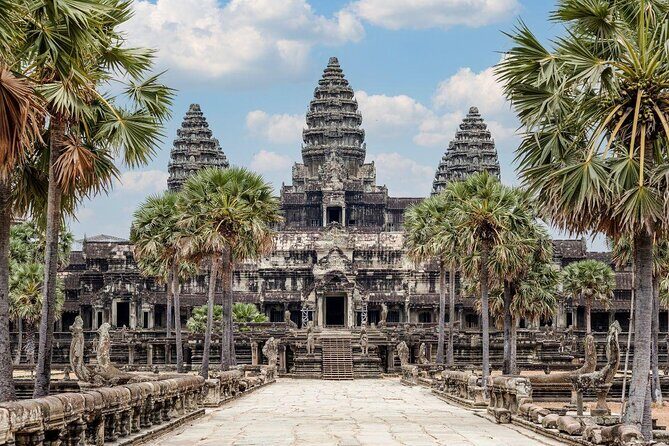
- Angkor Wat and Angkor Thom in full temple-complex mode, not just a quick photo stop
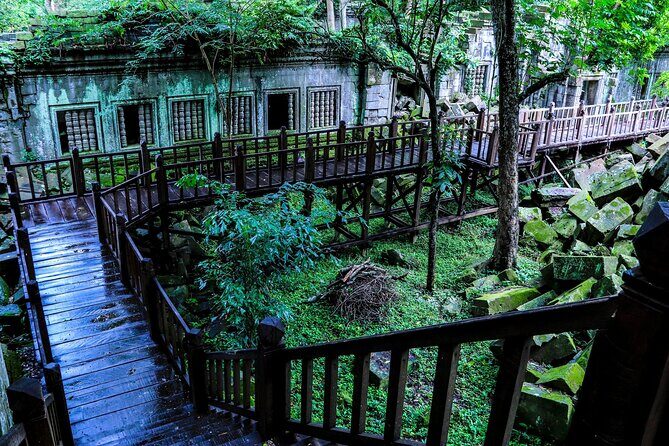
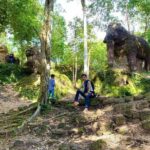
- Jungle-time at Banteay Chhmar, a calmer change of scenery from the main Angkor circuit
- Tonle Sap and Kampong Phluk, where you see how people make a living on the lake
- Battambang by bamboo train plus bat cave spectacle, a very Cambodian kind of fun
- Phnom Penh with both royal landmarks and Khmer Rouge memorial sites, so the story isn’t one-sided
- English-speaking guide, private transport, and included tickets/fees, which saves you time and hassle
The Big Picture: Siem Reap to Phnom Penh, Two Worlds in One Week
This tour is built for travelers who want more than Angkor Wat and then a check-out. You start in Siem Reap, then head overland to Battambang, and finish in Phnom Penh. Along the way, you’ll see temples, markets, countryside, and the lake life around Tonle Sap—plus major Khmer Rouge sites in Phnom Penh.
The best part is how the route keeps switching gears. One day is mostly Angkor (stone giants and tree roots). Another day is countryside (floating villages and mangroves). Then you hit Battambang’s slower rhythm, ending with bat caves at Phnom Sampeau. By the time you reach Phnom Penh, you get the city’s royal side, then the painful history side.
The downside is simple: you’ll be tired. Between museum time, travel time, and long temple walks, this is not a slow, sit-and-relax itinerary. Also, Tuol Sleng and the killing fields are not light visits. If you prefer cheerful-only sightseeing, this tour may feel like a pressure cooker.
You can also read our reviews of more tours and experiences in Siem Reap.
Day 2 and Beyond at Angkor: Angkor Thom’s Gates, Bayon Faces, and Ta Prohm’s Trees
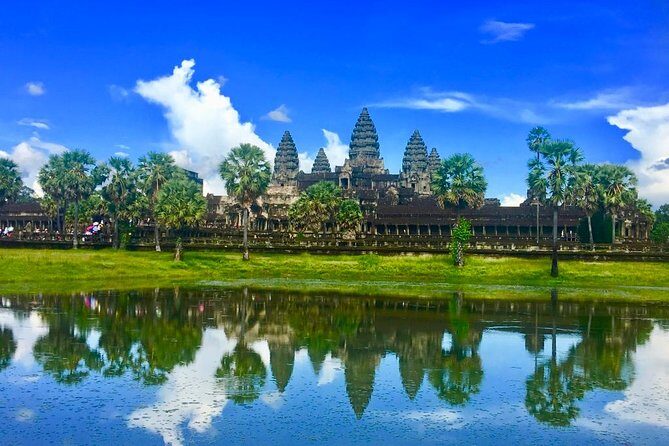
Angkor is the obvious draw, but the way this itinerary is structured helps you see it in a more satisfying order.
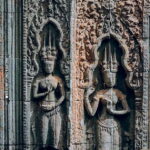
On day 2, you begin at Angkor Thom South Gate, then work through key Royal City structures: Bayon Temple, Baphuon, Phimeanakas, and the terraces around it. The sequence matters because Bayon and the terraces (like the Terrace of the Elephants and Terrace of the Leper King) connect you to what Angkor meant as a living royal center—not just a pile of ancient stones.
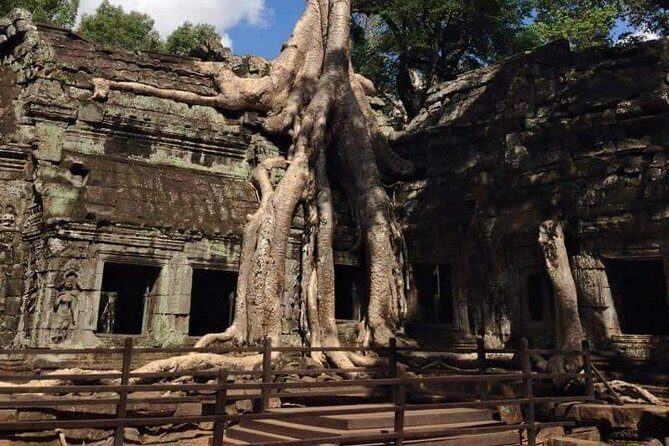
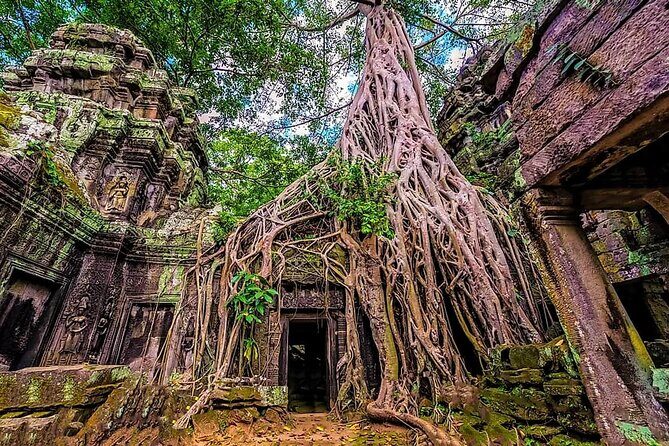
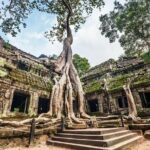
Then you get Ta Prohm, the temple famous for the trees growing into the ruins. It’s popular for a reason, but you’ll enjoy it more if you slow down and look past the main wow shots. Try to notice how the stone is reinforced for visitors and how the temple’s layout still feels like a real place you’d have walked through.
The day finishes with Angkor Wat and Phnom Bakheng. Angkor Wat usually steals the show because it’s so well preserved, and Phnom Bakheng adds a temple-mountain feel. Practically, this is a long temple day, so plan for heat, dust, and lots of stairs. Wear grippy shoes and bring water.
If you care about storytelling, this is where a strong guide earns their keep. Guides highlighted in earlier trips (including Mr Sara) are praised for explaining Khmer history and temple symbolism in a way that makes the shapes and carvings easier to understand while you’re standing in front of them.
Tonle Sap to Kampong Phluk: Lake Life, Mangroves, and Craft Work in Siem Reap
Day 3 shifts from temples to daily life. You start at Tonle Sap Lake, described as the largest freshwater body in Southeast Asia. The lake supports carp breeding and harvesting, and there are floating fishing villages where people live largely from the lake’s rhythms.
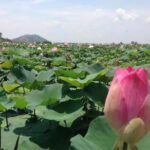
Then you visit Kampong Phluk Floating Village. What I like about this stop is that it’s tied to real ecology and local livelihoods, not just a scenic boat ride. The area also includes a nearby mangrove forest, which helps make the landscape feel alive rather than staged.
After the lake, the tour adds two stops that balance the day out. Artisans Angkor is a Cambodian social business that supports young people in rural areas and revives traditional Khmer craftsmanship. Even if you don’t buy anything, it’s a useful change from sightseeing-only tourism.
Finally, you get Wat Bo Temple and Royal Residence back in Siem Reap. Wat Bo is known for preserved wall paintings from the 19th century. The Royal Residence is a royal villa used when the King visits Siem Reap. These last stops are calmer, so you can absorb what you’ve already seen instead of rushing.
Practical tip: ask your guide about the best time to move between lake areas and indoor stops. Weather can shift fast, and this day depends on timing.
Battambang by Bamboo Train: norry Rides, Pagodas, Markets, and Bat Caves
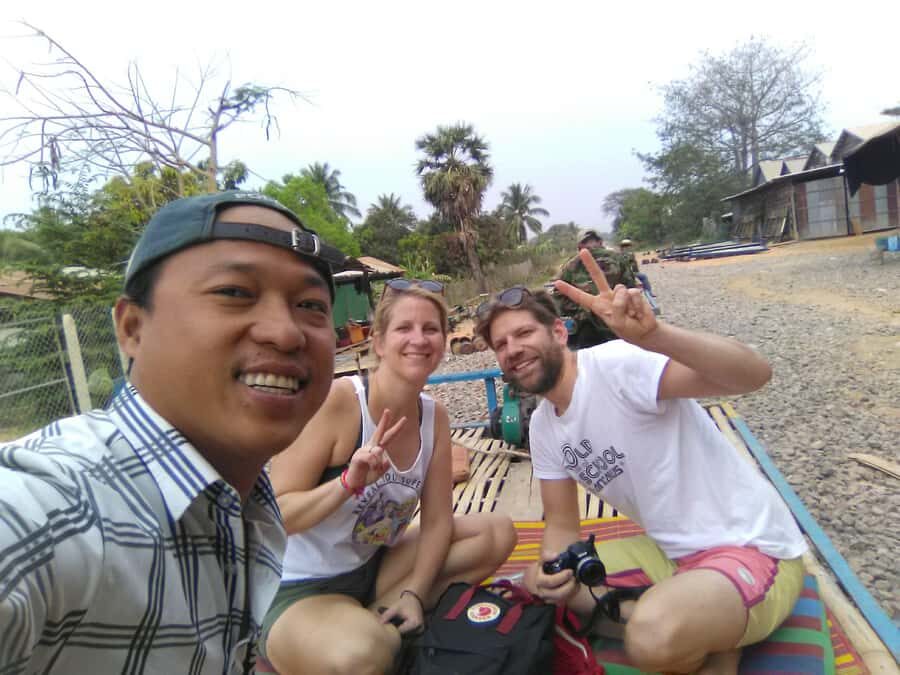
Battambang is where the tour feels more playful. Day 4 starts with the bamboo train (also called norry). It’s described as a simple but essential form of transport in Cambodia, and you’ll hear that it’s fast, on time, and fun compared to the old passenger train schedule.
Next comes Battambang Central Market, plus White Elephant Pagoda (Wat Tahm-rai-saw). The pagoda stop adds an architectural and spiritual contrast to the day’s more “scene and spectacle” elements.
Then you get an excellent pacing choice: Cambodia Peace Gallery (Cambodia Peace Museum). Instead of repeating the war story, this museum focuses on recovery and Cambodian engagement in peace efforts. It helps the emotional weight from earlier history feel less one-note as you keep moving through the country.
Day 4 also includes several temple and viewpoint-type stops: Ek Phnom Pagoda, Phnom Sampeau, and Battambang Bat Caves. Phnom Sampeau is known for its shape, and the bat caves are timed around sunset, when millions of bats pour from caves as the light fades. This is one of those moments that feels both ordinary and magical at the same time.
It’s also a good day to remember: Battambang is not Angkor-sized crowds. You’ll likely feel more room to move and breathe. Still, the day stacks multiple sites, so bring energy and plan to rest on day 5 if you’re running on fumes.
A final note: if you plan to shop, keep your luggage situation in mind. One traveler mentioned buying a traditional Cambodian instrument and then struggling to bring it as hand luggage or fit it in a case for air travel, often needing to send it as a parcel. If you want souvenirs like that, plan early so you’re not scrambling at the end of the week.
Day 5 on the Road to Phnom Penh: Udong Mountain and a Vipassana Meditation Center
You’ll leave Battambang on day 5 and head toward Phnom Penh. En route, you stop at Udong Mountain, known as a royal capital site from the 17th to 19th centuries. This stop gives you a different kind of Cambodian royal context than Angkor—more human-scale and less like a single monument dominating the horizon.
The itinerary also includes a meditation center where the primary purpose is teaching Vipassana meditation techniques. The grounds are wander-friendly, and you can enter the main temple area. Even if meditation isn’t your thing, it’s a useful reset after days of temples, museums, and travel.
This day is shorter on named highlights compared to earlier days, but it matters for one reason: it transitions you from northern Cambodia sightseeing into Phnom Penh’s urban intensity. If you want to feel ready for the memorial sites later, this is the kind of pause that helps.
Phnom Penh Essentials: Royal Palace Views, Wat Phnom, and Khmer Rouge Memorials
Phnom Penh is where the tour becomes unforgettable in a serious way.
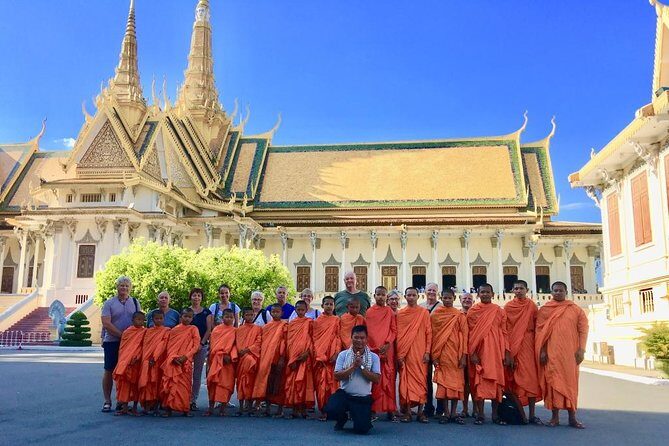
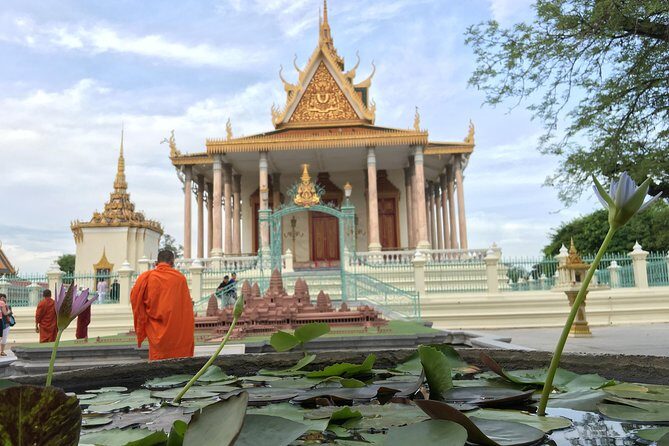
Day 6 begins with Cheung Ek killing field, described as the historical site where events happened during the Khmer Rouge regime. Then you move into the city’s classic landmarks: Royal Palace, Silver Pagoda, and Wat Phnom. The Royal Palace construction began in 1886, and the Silver Pagoda sits next to it with garden space that feels like a small break from the streets.
You’ll also visit civic and royal symbolism stops: Independence Monument (built to memorialize independence from France) and a Norodom Sihanouk memorial. Wat Ounalom is another stop tied to one of Phnom Penh’s original monasteries.
Then comes the heart of the Khmer Rouge history visits: Tuol Sleng Genocide Museum (a former secondary school used as Security Prison 21) and Choeung Ek Genocidal Center, described as mass grave territory about 17 kilometers south of Phnom Penh, tied to killings between 1975 and 1979.
If you’re deciding whether this is “too much,” here’s my honest take: these stops are powerful because they show the system, not just the slogan. Give yourself mental space. Don’t cram souvenir shopping right after. And if you get overwhelmed, it’s okay to step back for a moment with your guide nearby.
Finally, the day ends with Central Market, a dome-shaped market built in 1937 with stalls across hallways. It’s a practical closing stop because it’s easy to browse and buy small items without needing a second plan.
Price and Logistics: Are You Getting Value at Around $1,025 Per Person?
The listed price is $1,025.05 per person for about 7 days, starting in Siem Reap and ending in Phnom Penh (with transfers from Siem Reap Angkor International Airport and drop-off at Techo International Airport). For this kind of route—multiple provinces, a guide, private transport, and included entrance fees—that price is easier to justify than a DIY trip where you’d still pay for guides at major sites.
Here’s what you’re actually buying:
- Daily breakfasts (6 total), which matters because it removes one daily planning headache.
- Entrance fees included for the sites listed across the week.
- Transport with an English-speaking tour guide, so you’re not negotiating between tuk-tuks and ticket lines.
- Drinking water provided.
What you’re not buying: tipping for the guide and driver. That’s normal for Cambodia tours, but it’s still an extra cost you should plan for.
One practical value point: because it’s a private tour (only your group), you’re less likely to get dragged along at someone else’s pace. In past trips, guide flexibility is specifically praised, including the ability to adjust how you experience sites.
The only “logistics drawback” is fatigue from the itinerary density. If you prefer short days and frequent downtime, this route may feel packed. If you’re okay with a full week and want major sights without lots of separate bookings, it’s a solid fit.
Who This Tour Suits (and Who Should Think Twice)
This Cambodia 7-day route is a great match if you want:
- A first-time Cambodia highlights run that still includes countryside stops like Tonle Sap and Kampong Phluk
- Temple time with guidance, especially for Angkor Thom, Ta Prohm, and Angkor Wat
- A balanced historical arc with Khmer Rouge memorials plus the Cambodia Peace Gallery
Think twice if you:
- Get overwhelmed easily by long days and many walking segments
- Want only light, happy sightseeing (Phnom Penh’s memorial sites are emotionally intense)
- Plan to travel extremely slow or build in long rest days
Should You Book This Siem Reap to Battambang to Phnom Penh Tour?
I’d book it if your top priority is seeing Cambodia’s big names and getting real context between them—temples, lake life, Battambang’s bamboo train and bat caves, then Phnom Penh’s royal landmarks and Khmer Rouge history. The included tickets and guide-led pacing make it feel smoother than piecing it together yourself.
I would pause before booking if you’re sensitive to emotionally heavy sites or you know you’ll struggle with long, on-the-go days. In that case, you might prefer a shorter Angkor-focused itinerary or a route that reduces the number of museum stops.
FAQ
How much does the 7-day tour cost?
The Cambodia 7 Days Tour from Siem Reap to Battambang and Phnom Penh is priced at $1,025.05 per person.
How long is the tour and what route does it follow?
The tour lasts 7 days (approx.) and runs from Siem Reap to Phnom Penh, traveling via Tonle Sap, Battambang, and Mt. Oudong.
Where do transfers happen (start and end points)?
You start with a pickup/arrival transfer at Siem Reap Angkor International Airport, and the tour ends with a transfer to Techo International Airport (KTI).
What is included in the price, and what is not?
Included: accommodation (double/twin), transport, an English-speaking tour guide, entrance fees, drinking water, and breakfast for 6 days. Not included: tipping for the guide and driver.
What hotel options are available during the tour?
Hotels vary by category. In Siem Reap you may stay at Royal Crown Hotel & Spa (3 stars) or similar, Regency Angkor Hotel (4 stars) or similar, or Angkor Paradise Hotel (5 stars) or similar. In Battambang you may stay at Classy Hotel & Spa (3 stars) or similar, Cambana La Riviere Hotel (4 stars) or similar, or Maisons Wat Kor (5 stars) or similar. In Phnom Penh you may stay at Mahasakor Inn (3 stars) or similar, Sun & Moon Urban Hotel (4 stars) or similar, or Sun & Moon Riverside (5 stars) or similar.
Which Khmer Rouge-related sites are visited in Phnom Penh?
You visit Cheung Ek killing field, Tuol Sleng Genocide Museum, and Choeung Ek Genocidal Center.
What is the cancellation policy for a full refund?
You can cancel up to 6 days in advance for a full refund. To get a full refund, you must cancel at least 6 full days before the experience’s start time.