REVIEW · SIEM REAP
Angkor Wat Sunset Tour
Book on Viator →Operated by Asia Voyage Travel · Bookable on Viator
Sunset over Angkor feels like magic. I like the professional English-speaking guide who makes the temple stories click, and I also like that the tour includes bottled water and cold towels to keep you moving comfortably. One thing to plan for: the big Angkor Park entrance tickets are not included, so your final cost is ticket + tour.
You’ll start at 8:00am with hotel pickup (if requested) and a modern, air-conditioned vehicle, then see the main hits at a steady, not-too-rushed pace. Guides like Mr Nary and Kea Simon are specifically praised for clear English and warm, passionate explanations, which matters a lot when you’re staring at stone carvings for hours.
In This Review
- Key moments worth knowing before you go
- The 8:00am start: why this tour’s timing makes sense
- Pickup, AC transport, and small comforts that lower the stress level
- Your Angkor Park tickets: plan for the add-on cost
- Angkor Wat first: the temple that sets the tone
- Angkor Thom South Gate: the photo spot meets the bigger story
- Bayon’s smiling faces: where the carvings feel alive
- Baphuon and the view factor from the pyramid stairs
- Terrace of the Elephants and the Leper King: power seen from a platform
- Ta Prohm: Tom Raider energy, minus the movie hype
- Phnom Bakheng sunset: the final climb with the biggest payoff
- Price and value: what you’re really paying for at $48.50
- Guide quality is not a small deal here
- Who should book this tour (and who might not)
- Should you book the Angkor Wat Sunset Tour?
- FAQ
- What time does the Angkor Wat Sunset Tour start?
- Is hotel pickup and drop-off included?
- What is included in the tour price?
- Are Angkor Park tickets included?
- Does the tour include lunch or buffet dinner?
- Is this a private tour?
- Can I get a full refund if I cancel?
Key moments worth knowing before you go
- 8:00am start builds in time for Angkor Wat and still makes sunset at Bakheng
- Cold towels + bottled water are included, so you don’t have to hunt for basics
- You get an English-speaking guide who explains what you’re seeing, not just where to stand
- Angkor Park tickets are separate, purchased via the tour’s Angkor Enterprise office stop
- Phnom Bakheng sunset is the main event, with the day ending on the mountain
- This is a private tour for your group, with optional lunch/buffet dinner add-ons
The 8:00am start: why this tour’s timing makes sense
This tour begins at 8:00am in Siem Reap, and it runs about 9 to 10 hours. That length is important, because you’re stacking several major temple zones in one day and still saving energy for the sunset climb at Phnom Bakheng.
The order also helps. You get the classic Angkor Wat experience early in the day, then you move into Angkor Thom (Bayon, Baphuon, and the terraces), then Ta Prohm, and finally finish with sunset. If you’ve ever done “late start, long queues” sightseeing, you’ll appreciate the logic here.
You can also read our reviews of more evening experiences in Siem Reap

Pickup, AC transport, and small comforts that lower the stress level
The tour includes transport by your chosen vehicle, plus hotel pick-up and drop-off if you request it. In practice, this matters because Angkor days can start with too much logistics and not enough joy, especially if you’re navigating tuk-tuk negotiations at dawn.
I also like the included comfort kit: bottled water and cold towels. When you’re walking between temple highlights under changing light, those small resets keep the day from feeling like a stamina contest. Reviews mention clean, comfortable cars too, including air-conditioned vans, which is a big deal in Cambodia.
Your Angkor Park tickets: plan for the add-on cost
Angkor Park entrance tickets are not included in the tour price. The current tour price is $48.50 per person, and the Angkor Park ticket cost is listed at 1-day USD 37.
The tour handle is that you’ll stop at the Angkor Enterprise office to purchase your Angkor Park ticket before entering Angkor Wat. That can save time and confusion, because you’re not scrambling on your own to figure out which ticket office to use. Still, budget for both amounts, and keep a little extra for gratuities since they’re recommended.
Angkor Wat first: the temple that sets the tone
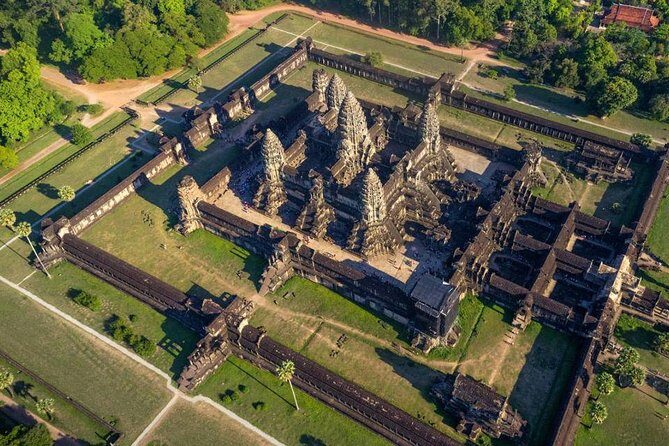
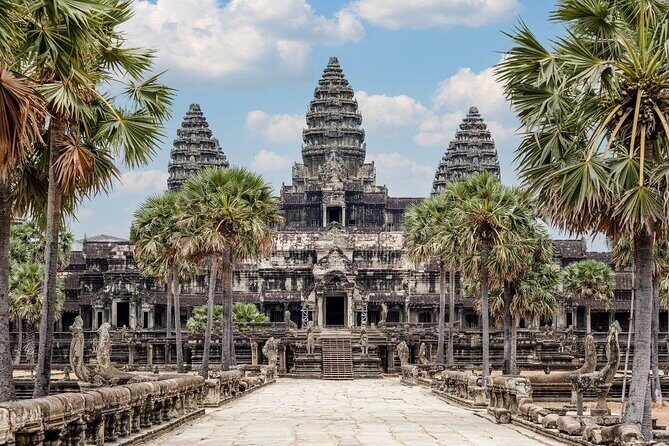
Stop 1 is Angkor Wat, with about 2 hours scheduled. Admission ticket is separate, so you’ll be entering after your ticket is purchased. Angkor Wat is the big name, and it’s also the best place to start because it gives you a reference point for what comes next.
In a day like this, early time is everything. You’ll get the clearest “what am I looking at?” moment while your energy is still high. And since your guide is explaining what you’re seeing, you’re less likely to miss the details that make Angkor Wat special compared with the other temple stops.
Angkor Thom South Gate: the photo spot meets the bigger story
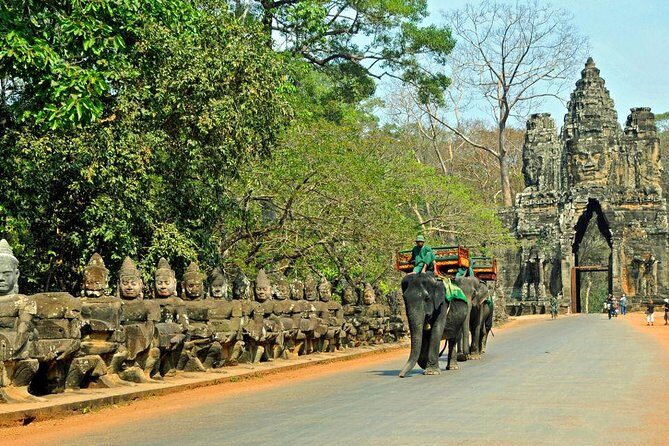
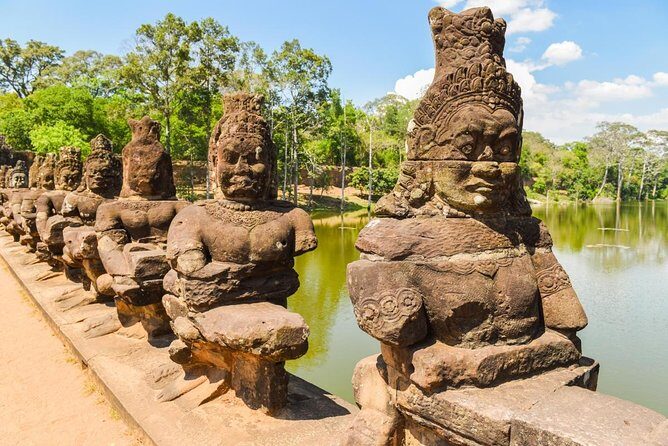
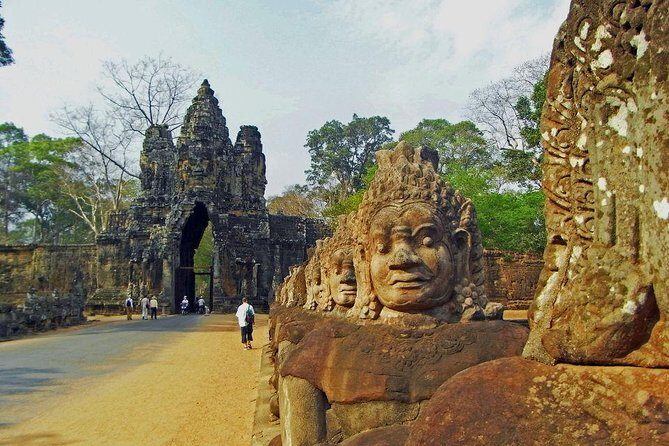
Next comes Angkor Thom South Gate for around 15 minutes. It’s short on purpose—you’re not here to linger at the entrance, you’re here to transition smoothly into the former capital and get your bearings fast.
This stop also tees up the rest of Angkor Thom. Once you pass through the gate, the scale of the city becomes obvious, and that context makes later temples feel less random. If you like architecture and you want the temple sites connected like chapters, this structure helps.

Bayon’s smiling faces: where the carvings feel alive
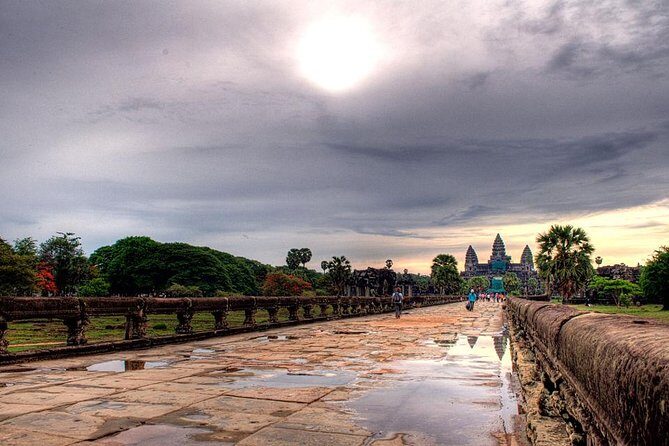
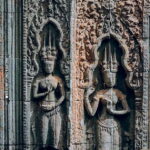
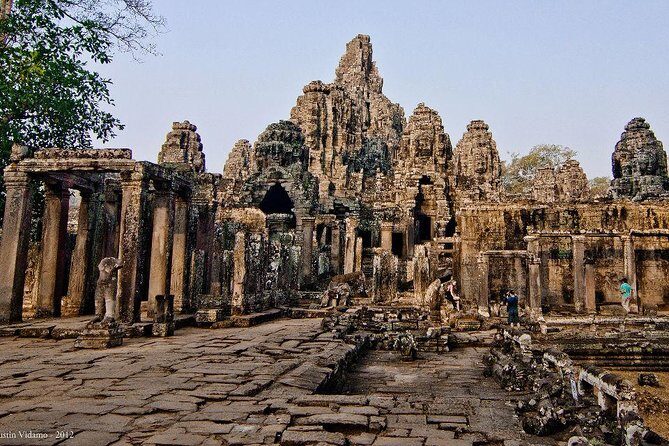
Bayon Temple is one hour at the center of Angkor Thom. It’s famous for its 54 towers decorated with smiling faces of Avalokiteshvara, and that kind of repeating motif changes how you experience the site.
The practical win here is time plus explanation. You’ll have enough minutes to move around and notice how the faces catch different angles. With a strong guide, it’s not just a bunch of carvings—it starts to feel like a designed viewpoint system, where you keep being drawn back to the towers.
Baphuon and the view factor from the pyramid stairs
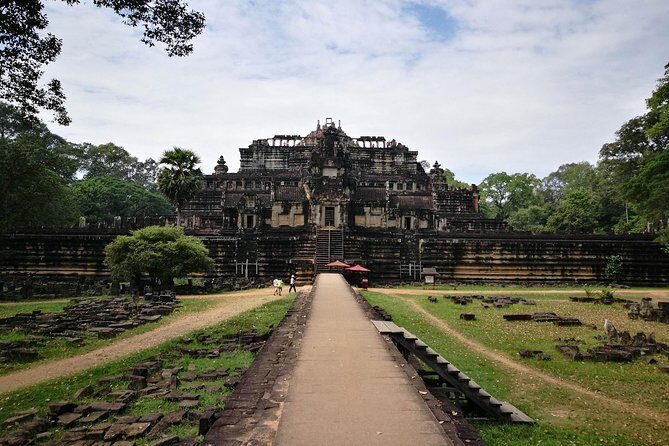
Baphuon is next, another one-hour stop. It’s described as a pyramid-shaped temple with steep stairs leading up to terraces and views of Angkor Thom.
This stop is a good contrast to Bayon. Instead of focusing on the faces, you shift into “spatial thinking”—how the temple sits in the city and how height changes what you can see. If you’re the type who enjoys getting oriented geographically while sightseeing, you’ll get extra value from this portion.
Terrace of the Elephants and the Leper King: power seen from a platform
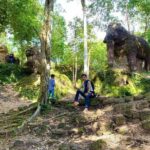
You spend about one hour at both the Terrace of the Elephants and the Terrace of the Leper King. These terraces are described as platforms used by King Jayavarman VII to view his victorious army.
What I like about pairing these two in one block is that they feel tied to governance and spectacle, not just stone decoration. You’re standing where rulers watched events unfold, which adds weight to what might otherwise seem like sightseeing “extras” in a long day.
Ta Prohm: Tom Raider energy, minus the movie hype
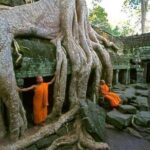
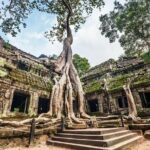
Then you head to Ta Prohm for about 2 hours. This temple is nicknamed the Tom Raider temple because scenes from the movies were shot there. The most striking feature you’ll see is the way old tree roots intertwine with the masonry, creating a haunting, natural kind of entanglement.
Two hours works well here. Ta Prohm rewards lingering because light shifts through the roots and the stone edges, and your guide can connect what you’re seeing to how the temple has changed over time. If you’re worried about feeling “touristed” at a famous site, this is one where the location itself still does the heavy lifting.
Phnom Bakheng sunset: the final climb with the biggest payoff
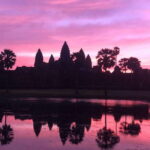
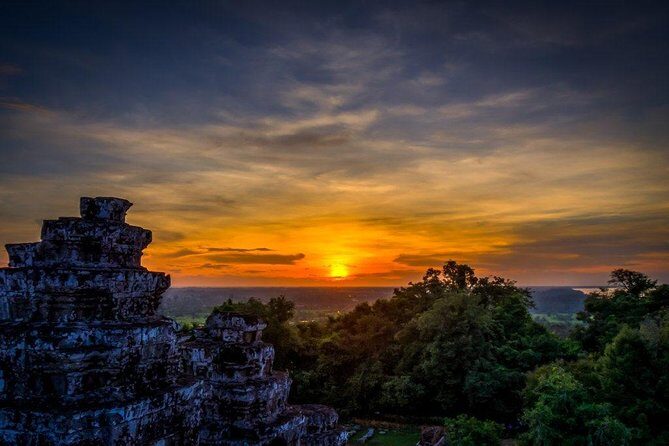
Stop 7 is Phnom Bakheng, about 2 hours, and this is the sunset highlight. It’s a mountain in the Angkor Archaeological park with a temple at the top, and the views over the ruins are part of why it’s such a popular sunset spot.
Plan for this to be the emotional climax of the day. You’ve spent hours moving through temples and city structures, and then suddenly you get a big-picture view from above. Even with the day’s earlier highlights, sunset at Bakheng is what makes the whole route feel worth it.
Price and value: what you’re really paying for at $48.50
At $48.50 per person, this tour is priced like a budget-friendly “main temple day” with real guide time. The key detail is that the Angkor Park ticket (USD 37 for the 1-day ticket) is separate, so think of the total as tour + ticket rather than tour alone.
What makes the price feel reasonable is the mix of included essentials and schedule structure:
- You get bottled water and cold towels included
- You get a professional English-speaking guide
- You get hotel pickup/drop-off if requested
- You get transport in a vehicle described as clean and comfortable in reviews
Also, lunch and buffet dinner are optional, not required. That gives you flexibility if you want to eat simply at the sites or if you’d rather keep costs down. If you’re traveling with a group, the listed group discounts can help bring the per-person number closer to “worth it” even faster.
Guide quality is not a small deal here
This tour leans hard on interpretation. Bayon’s towers, Baphuon’s viewlines, the terraces tied to Jayavarman VII—these are places where a guide can turn wandering into understanding.
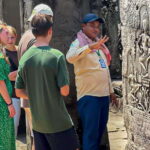
The reviews mention specific guides by name, including Mr Nary and Kea Simon, praised for clear English and thoughtful explanations. Others mention Mr Kim and Mr Ang as a strong guide-and-driver team. That’s a real value marker because temple sites can look repetitive if you don’t get context, and context is exactly what this format is built to deliver.
Who should book this tour (and who might not)
This works best for you if:
- You want a full day that hits the major Angkor zones without planning each turn
- You prefer a guide who explains temple meaning and history in English
- You care about comfort basics like cold towels and bottled water
- You want sunset at Phnom Bakheng, not just temples all day
It may not be your best choice if you want a very slow, flexible pace. The day runs 9 to 10 hours and moves temple-to-temple, which is great for coverage but less ideal for travelers who want long, independent wandering with no schedule.
Should you book the Angkor Wat Sunset Tour?
If you want the classic Angkor highlights in one structured day, with English guidance and an organized route that saves sunset for last, I’d say this is a strong pick. The biggest reason is the combination of included comfort and meaningful guide time—your day won’t be only about walking, it’ll be about understanding what you’re walking through.
Book it if you can handle a full schedule and you’re okay adding the Angkor Park ticket cost. If you’re trying to keep the day ultra-low-cost or you want total freedom from timing, then you might compare alternatives. But for most first-timers in Siem Reap, this format is an efficient way to hit the stone giants and end with a view that makes you pause.
FAQ
What time does the Angkor Wat Sunset Tour start?
The tour starts at 8:00am.
Is hotel pickup and drop-off included?
Hotel pick-up and drop-off are included if you request it.
What is included in the tour price?
The tour includes bottled water and cold towels, a professional English-speaking guide, and transport by your chosen vehicle.
Are Angkor Park tickets included?
No. Angkor Park entrance tickets are not included and are listed as USD 37 for a 1-day ticket. The tour includes a stop at the Angkor Enterprise office where tickets are purchased.
Does the tour include lunch or buffet dinner?
Lunch and buffet dinner are optional.
Is this a private tour?
Yes. It’s a private tour/activity, so only your group will participate.
Can I get a full refund if I cancel?
Yes, free cancellation is available. You must cancel up to 24 hours in advance of the experience’s start time for a full refund.