REVIEW · SIEM REAP
Cycle Angkor Backroad Bike Tour / E-Bike or Tuk Tuk
Book on GetYourGuide →Operated by Siem Reaper Travel · Bookable on GetYourGuide
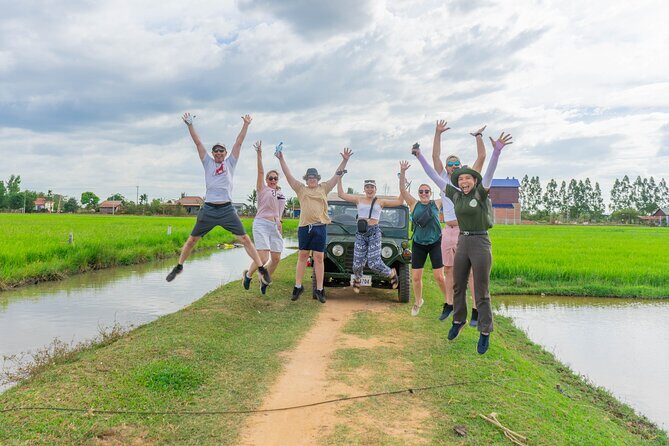
Angkor by bike is quieter than you expect. This 8-hour backroad tour in Siem Reap Province links major sites with backroads and shaded paths, so you spend less time shuffling and more time looking closely. You also get a small group setup (limited to 12), which makes it easier to pause for photos and questions.
I especially like the Cambodian-style lunch break, with snacks and bottled water to keep you going. I also like the way the guide handles the temples like a story you can follow, with clear stops at Angkor Thom, Bayon, and Ta Prohm, and plenty of photo time along the route. Names you might hear from other guides include Muniz, Voleak, Sotin, Steven, and Mony, and the common theme is strong English plus real focus on safety and timing.
One drawback to plan for: Angkor Archaeological Park entrance fees are not included, so you will want to budget extra. Also, the tour runs rain or shine, so bring gear for wet weather.
In This Review
- Key points at a glance
- Morning pickup and the bike setup: getting ready for backroads
- What I found useful to know
- Angkor Thom gate to Bayon: the big symbolism, up close
- Where the bicycle helps
- Elephants, Baphuon, and Khmer stonework you can actually read
- Jungle trails to Ta Prohm: the temple that feels alive
- The practical truth
- Lunch in a tropical garden: where the day gets easier
- Late-day Angkor Wat: space, symbolism, and calmer photos
- Why you’ll probably like this more than a pure walking day
- How long you’ll be riding (and how fit you need to be)
- Price and value: why $55 can work out well
- What to bring for a comfortable Cambodia ride
- Who should book this backroad bike tour
- Should you book Cycle Angkor Backroad?
- FAQ
- How long is the Cycle Angkor backroad bike tour?
- What temples and sites are included?
- Is lunch included, and what will it be like?
- What’s included in the price?
- Do I need to pay for Angkor Archaeological Park entrance fees?
- Is the tour offered in English, and what’s the group size?
- Does the tour run in rain?
Key points at a glance
- Small group (up to 12) helps you move smoothly between stops without feeling like cattle.
- Late-afternoon Angkor Wat gives you more breathing room for photos and details.
- Forest trails to Ta Prohm mean you see the jungle-temple vibe beyond just the main entrance rush.
- A real lunch stop in a garden setting keeps the day from turning into pure sightseeing slog.
- Bikes and helmets are provided, plus the guide does a proper safety briefing before you ride.
Morning pickup and the bike setup: getting ready for backroads
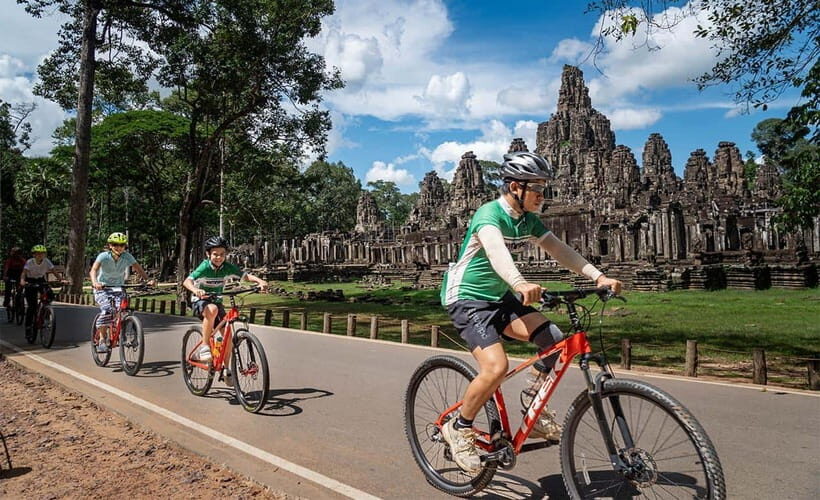
You start with hotel pickup in Krong Siem Reap. If pickup is listed for your booking, you’ll meet the team and get the bike details at their shop, with an English-speaking guide taking you through the plan for the day.
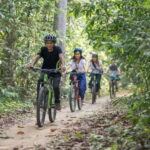
Once you’re on the road, the tour is built around comfort and momentum. You get a bicycle and a helmet included, and you should expect a safety talk before you ride out. The common thread from the guides’ style across recent groups is that they pay attention to bike condition and rider comfort, so you don’t start the day feeling uncertain.
You can also read our reviews of more cycling tours in Siem Reap
What I found useful to know
This is not a “sit and watch” type of day. You’re actively moving between temple zones, which is exactly why it works well for first-time Angkor visitors who also want to feel the place instead of only ticking boxes.
Angkor Thom gate to Bayon: the big symbolism, up close
The day’s core starts with Angkor Thom, and you enter through the ancient gate carved with elephants and four giant faces. It’s a powerful first hit because it sets the tone: Angkor is not just buildings, it’s a whole planned city.
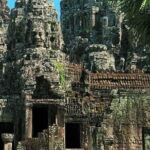
From there, you head to Bayon Temple, located in the center of Angkor Thom. Bayon is famous for its faces, and you’ll hear the meaning behind them—faces representing the 54 provinces of the Great Khmer Empire. Even if you’ve seen photos before, seeing the scale in person feels different, because you’re standing near the carved surfaces rather than looking up from a distance.
The guided portion is timed so you don’t rush, but you also don’t waste time. You get photo stops plus a guided walk, which helps you understand why certain viewpoints work better than others. With guides like Sotin and Steven mentioned in other bookings, you can also expect a strong focus on practical pacing and photo timing.
Where the bicycle helps
Bayon and the surrounding areas can swallow hours if you’re wandering by foot between distant points. The bike route keeps your day efficient, while still letting you slow down at the good spots.
Elephants, Baphuon, and Khmer stonework you can actually read
After Bayon, the route includes the Terrace of the Elephants and Baphuon Temple. This part matters because it shifts you from the most iconic “face” views into the more architectural and sculptural side of Angkor.
The Terrace of the Elephants gives you a sense of ceremony and power—sculptures and stone details laid out with intention. Baphuon then adds another layer of Khmer design language, so by the time you roll onward, you’ve spent more than one hour looking at only the most photographed angles.
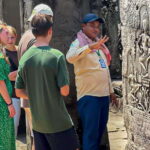
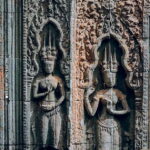
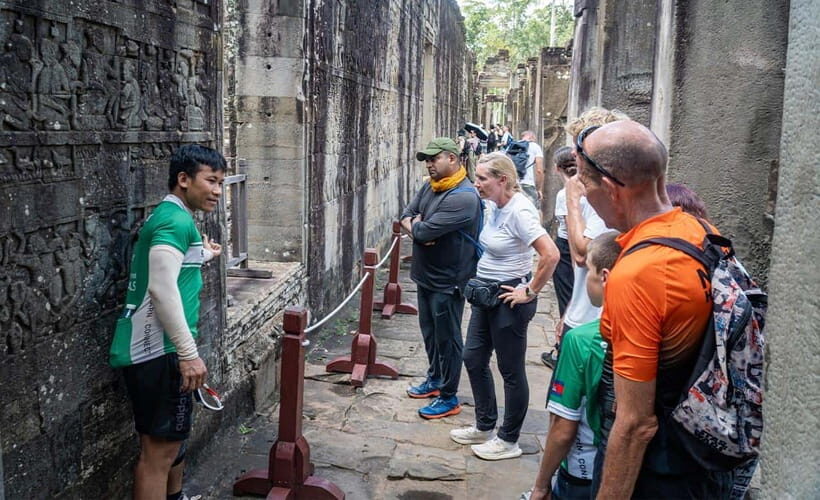
This is also the segment where the guide’s explanation really helps. Without a guide, you can still enjoy stone carvings, but with one, you start noticing patterns: how the lines guide your eye, how terraces structure movement, and how temples relate to each other spatially.
A few more Siem Reap tours and experiences worth a look

Jungle trails to Ta Prohm: the temple that feels alive
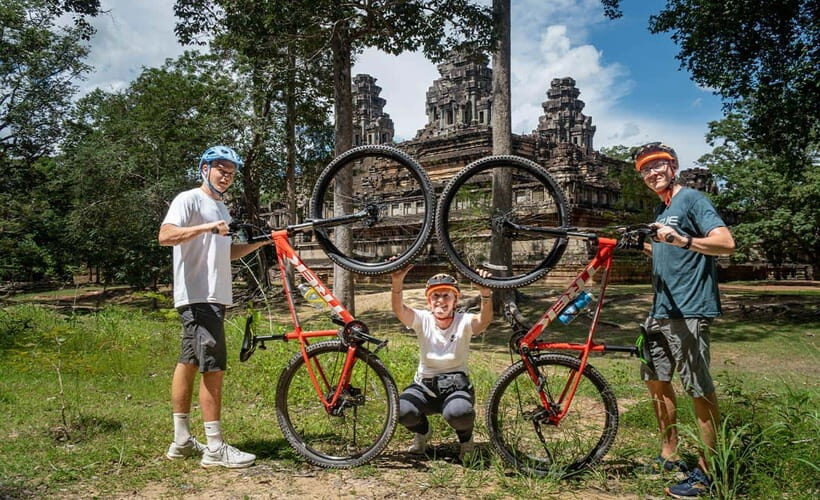
Next comes the ride through forest trails toward Ta Prohm. This is where cycling adds a second kind of magic: you’re not only going between landmarks, you’re moving through the in-between spaces—shady routes that feel calmer than the worst crowd flow.
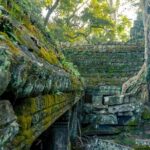
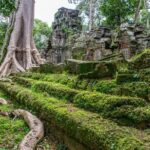
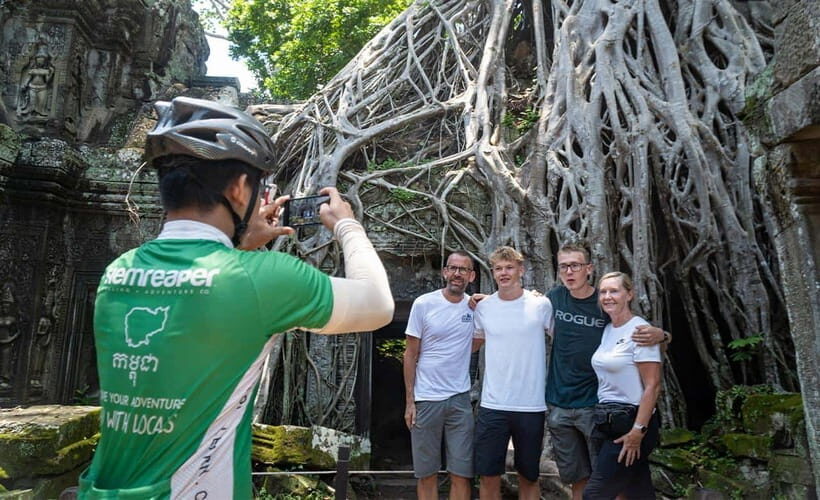
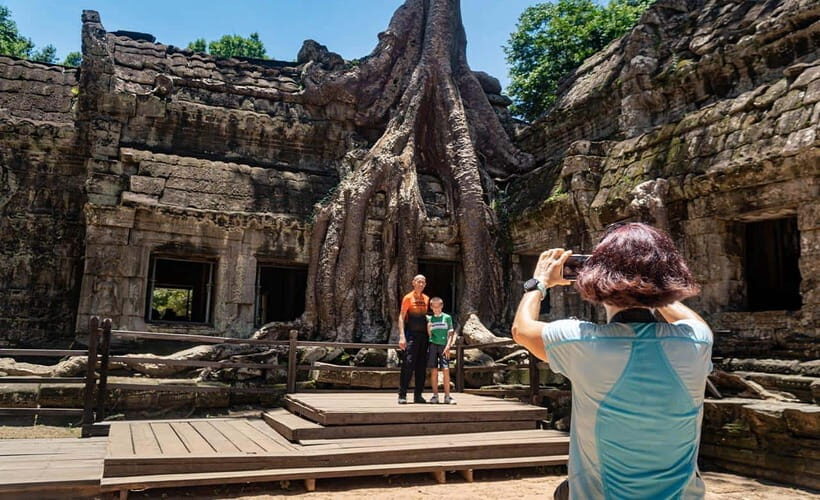
Ta Prohm is known for being heavily covered by jungle trees. You’ll see the famous tangled roots and overgrowth look up close, which is exactly why it was featured in Tomb Raider. More importantly, it’s a temple that looks different from every angle, so you benefit from having time to stop, step back, and then come in again for a close look.
The practical truth
Ta Prohm is a high-demand site. Doing it as part of a scheduled cycling route with multiple timed stops helps you avoid feeling like you’re always waiting at the entrance or stuck in slow-moving lines.
Lunch in a tropical garden: where the day gets easier
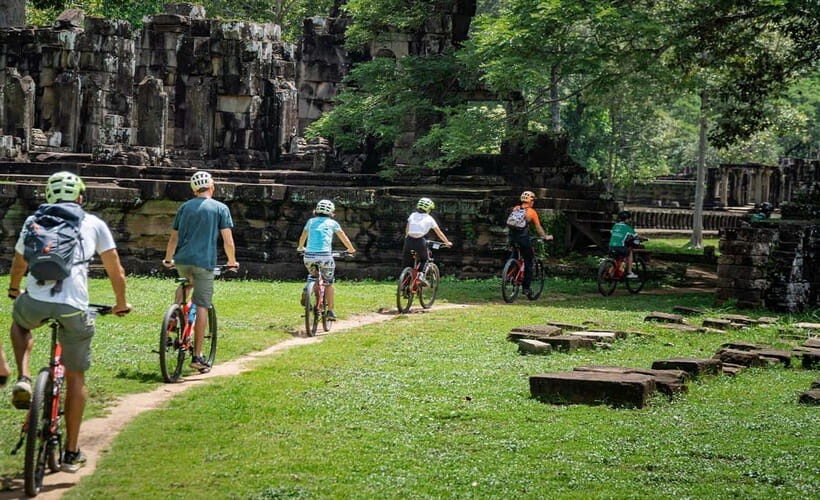
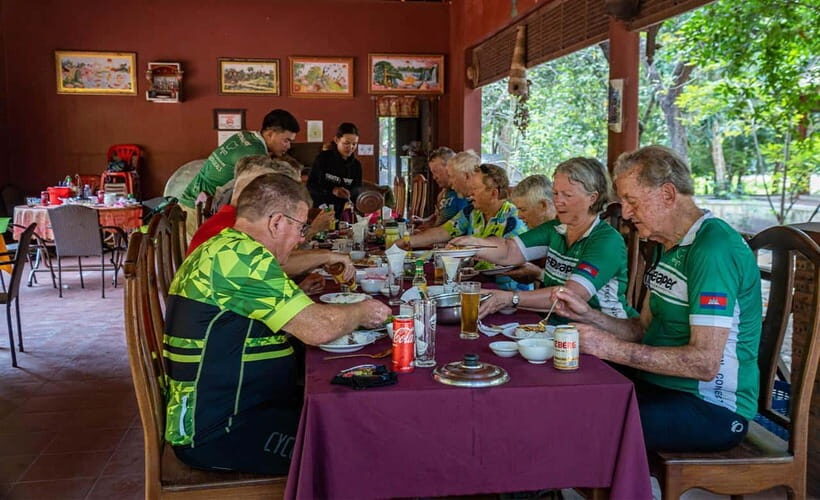
Midday is lunch at a local restaurant, plus a proper break after you eat. The schedule gives you about an hour for lunch, and the tour also includes bottled water and snacks throughout the morning.
What I like about this setup is that you’re not just grabbing food and immediately sprinting to the next temple. You get time to reset. In this part of Cambodia’s heat, that matters more than you think, especially if you’re doing your first Angkor day.
Even better, the tour includes a lunch setting that’s designed for relaxing—described as a tropical garden with a view over a pond. That’s a small detail, but it changes the tone of the day from nonstop sighting into a real break.
Late-day Angkor Wat: space, symbolism, and calmer photos
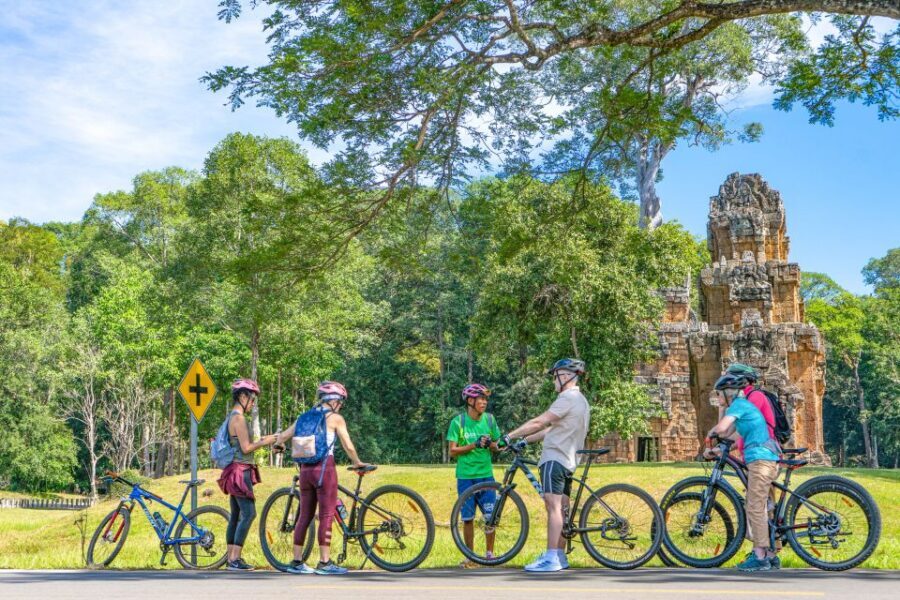
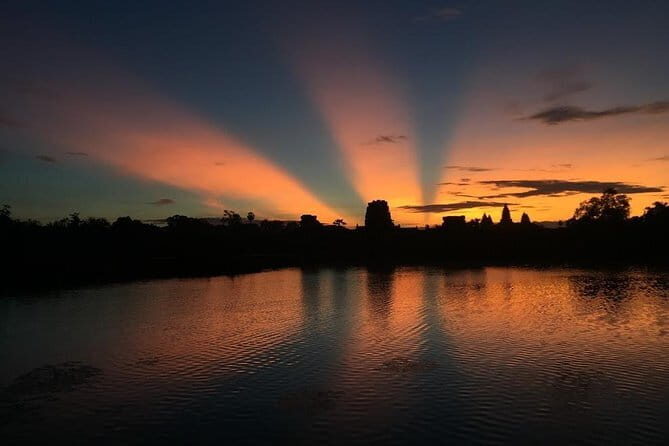
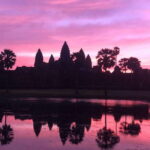
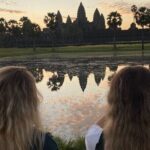
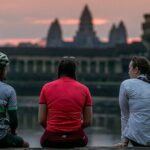
After lunch and rest, you head to Angkor Wat for a late-afternoon visit. This timing is one of the strongest reasons to pick this tour style, because Angkor Wat is at its best when you can breathe in the views and walk without feeling constantly squeezed.
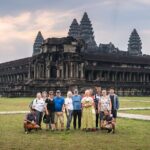
Angkor Wat is the largest religious monument in the world and one of the finest examples of Khmer architecture. Your guide will give context about symbolism and what you’re looking for, which helps you move beyond postcard views. And since the tour is built to connect the key sights by bike, you still spend enough time here to appreciate the scale.
You should expect several photo opportunities plus a guided segment. The goal is to experience the vastness and beauty of a UNESCO World Heritage Site while being in the less chaotic part of the day.
Why you’ll probably like this more than a pure walking day
On foot, it’s easy for Angkor Wat to become a marathon of distances. On a bicycle tour, you can spend more time actually standing in front of the details.
How long you’ll be riding (and how fit you need to be)
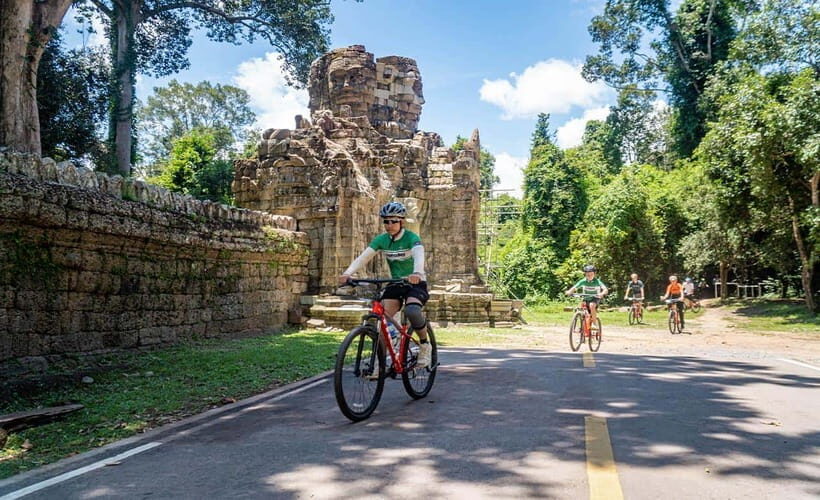
The total duration is 8 hours, and it’s active. That doesn’t mean you need to be a cyclist, but it does mean you should be comfortable riding for long stretches and pausing when the guide tells you to.
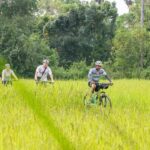
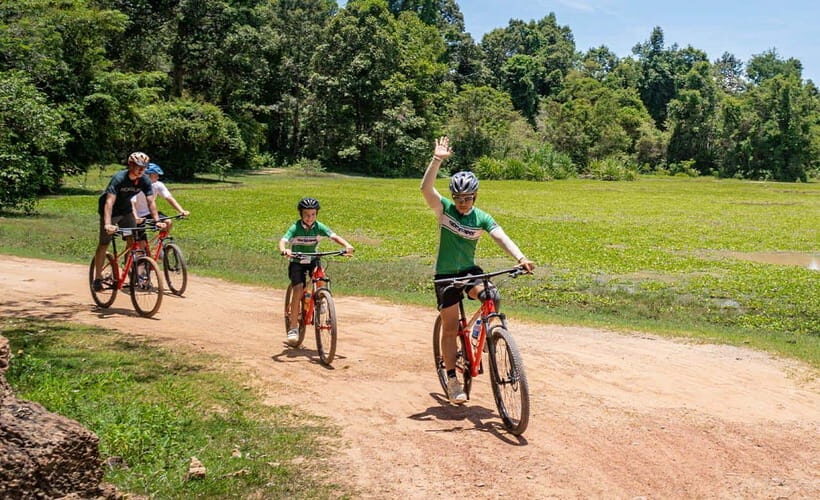
Some groups have logged around 45 km on mountain bikes, and the route is described as often flat and shaded. Still, your body will feel it by the end of the day. If you’re new to riding, go slow early and let the guide judge your pace.
This is also why a small group helps. With fewer people, the guide can better manage pacing and make sure nobody gets left behind at the more crowded moments.
Price and value: why $55 can work out well
The price is $55 per person, and for that you get a lot of built-in convenience: hotel pickup and drop-off, an English-speaking guide, bicycle and helmet, lunch, plus bottled water and snacks.
The part to treat like a budget line item: entrance to the Angkor Archaeological Park is not included. So even though the advertised price looks straightforward, your real total cost depends on what ticket you need for the day. If you’re comparing options, do the apples-to-apples math by adding the entrance fee.
Where this tour often feels like good value is that it bundles transportation, guiding, and lunch into one clean schedule. At Angkor, that reduces decision fatigue. You show up, ride, eat, learn, and go home around 4:00 pm without having to plan temple-to-temple logistics yourself.
What to bring for a comfortable Cambodia ride
This tour runs rain or shine, so plan for wet weather even if your forecast looks good. You’ll want cycling clothing you can ride in, plus sunglasses and a camera.
Also, think about heat and sun. Even if the route is often shaded, you’ll still spend time under open sky during temple stops. The helmet is provided, but you’ll want clothes that dry quickly if it rains.
One more practical note: wear something you can move in. Temple visits often involve stairs, uneven stone, and walking around platforms, even when you’re taking a bike between zones.
Who should book this backroad bike tour
This is a strong fit if you want:
- A first Angkor day that covers Angkor Wat, Angkor Thom, Bayon, and Ta Prohm without wasting hours in transit
- A calmer feel than doing everything by foot in a crowd flow
- Guides who explain what you’re seeing and help with pacing and photos
It’s less ideal if you’re not comfortable cycling for long periods. And it’s not suitable for pregnant women, based on the tour’s stated limits.
If you’re traveling as a pair or solo, it can also feel great because the guide can adapt. One guide was described as quickly assessing skill level and tailoring the tour, and that’s exactly the kind of flexibility you want on day where timing matters.
Should you book Cycle Angkor Backroad?
I’d book it if your priority is a well-timed Angkor day with active exploring, guided context, and fewer stress points. The late-afternoon Angkor Wat visit and the switch between open temple zones and forest trails are a smart combo for seeing more without feeling frantic.
Pass or rethink if you know you don’t handle long days on a bike, or if rain weather is a deal-breaker for you. Also budget the Angkor Archaeological Park entrance fee since it’s not included.
If you’re aiming for a day that feels like you understand Angkor, not just that you visited it, this backroad style is a solid choice.
FAQ
How long is the Cycle Angkor backroad bike tour?
The tour lasts 8 hours, starting in the morning and returning to Siem Reap around 4:00 pm.
What temples and sites are included?
You’ll visit Angkor Thom (including the gate), Bayon Temple, Terrace of the Elephants, Baphuon Temple, Ta Prohm, and Angkor Wat. You also have photo stops along the way.
Is lunch included, and what will it be like?
Yes. Lunch is included and is described as a Cambodian-style meal. There are also snacks and bottled water provided during the tour.
What’s included in the price?
Included are hotel pickup and drop-off, an English-speaking guide, bicycle and helmet, lunch, and bottled water and snacks.
Do I need to pay for Angkor Archaeological Park entrance fees?
Entrance to the Angkor Archaeological Park is not included, so you should plan to pay separately.
Is the tour offered in English, and what’s the group size?
The tour has an English-speaking guide and is limited to a small group of up to 12 participants.
Does the tour run in rain?
Yes. The tour takes place rain or shine.