REVIEW · SIEM REAP
Discover Angkor Wat Temples And Phnom Kulen
Book on Viator →Operated by Angkor Boutique Tours · Bookable on Viator
Big temples, tighter planning. This 3-day Siem Reap trip strings together Angkor Wat and Ta Prohm so you see the most famous scenes (and the best photo angles) without bouncing around on your own. I like the fact that you also get plenty of context from an English-speaking guide, not just a rushed stamp-collecting circuit.
I especially like the contrast between the grand, crowded icons and the calmer back corners of Angkor. Day 2’s stop at Banteay Srei brings you into the small-details world of orange sandstone carving, then you shift back to bigger silhouettes and views.
One thing to watch: it’s a packed pace, admission tickets and taxes are not included, and some temple steps can be steep. At Baphuon, the guide may limit climbing depending on how you feel physically, which is considerate but means you should plan to keep your day flexible.
In This Review
- Key highlights you’ll feel fast
- What $170 buys you (and what you still need to budget)
- Day 1: Angkor Wat, Angkor Thom’s faces, and Ta Prohm’s roots
- Angkor Wat (1 hour 40 minutes)
- Bayon Temple (50 minutes)
- Baphuon (30 minutes)
- Phimeanakas (15 minutes)
- Terrace of the Elephants (10 minutes)
- Terrace of the Leper King (10 minutes)
- Prasat Suor Prat (5 minutes)
- Ta Keo (17 minutes)
- Ta Prohm (1 hour)
- Day 2: Preah Khan’s calm, Banteay Srei’s carvings, and Pre Rup’s tall towers
- Preah Khan (1 hour)
- Neak Pean (30 minutes)
- Banteay Srei (50 minutes)
- Banteay Samre (30 minutes)
- Pre Rup (30 minutes)
- Ta Som (20 minutes)
- Eastern Mebon (30 minutes)
- Day 3: Phnom Kulen National Park, lychee mountain, and the 1000 lingas
- Phnom Kulen National Park highlights (about 2 hours total)
- Transport, timing, and comfort between ruins
- Dress code and prep: the small rules that can stop you at the gate
- Should you book this Angkor Wat and Phnom Kulen 3-day tour?
- FAQ
- FAQ
- How long is the Discover Angkor Wat Temples And Phnom Kulen tour?
- What does the tour cost?
- Where does the tour start and end?
- What time does the tour start each day?
- Does the tour include pickup and air-conditioned transportation?
- Are admission tickets included for Angkor temples and Phnom Kulen?
- What’s included in the tour besides the guide and vehicle?
- What dress code do I need for the temples?
- What happens if weather is bad?
Key highlights you’ll feel fast
- Angkor Wat + Ta Prohm in one tight Day 1 gives you the two headline moments with sensible timing
- English-speaking guide and smart route tweaks help you adjust on the fly if your group wants photos vs. slower viewing
- Banteay Srei’s carvings and color are the Day 2 payoff if you like fine detail more than crowds
- A calmer Day 2 mix includes Preah Khan, Neak Pean, Ta Som, and Eastern Mebon for variety
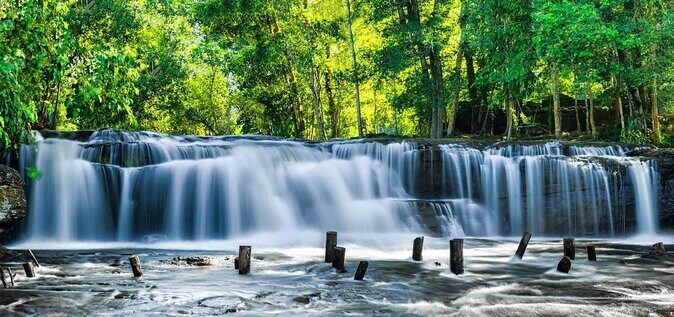
- Phnom Kulen adds nature and sacred stonework: waterfall, giant reclining Buddha, and the riverbed’s 1000 Shiva’s lingas
- Cold mineral water and cold face towels help a lot during walking-heavy mornings
What $170 buys you (and what you still need to budget)
At $170 per person for about three days, the value here is mostly about logistics. You get an A/C car, fuel, an English-speaking tour guide, cold mineral water, and cold face towels. Those small comforts matter in Siem Reap because the days are early, the temple stones hold heat, and you’ll walk more than you expect.
What’s not included is just as important: admission tickets and all fees and taxes are not covered. Each day’s major sites run on their own ticket systems, so you’ll want to set aside extra money for entry. The Phnom Kulen day includes buying tickets in the city office before heading up to the park, but the tour still doesn’t include those entry costs.
The other “hidden” value is that this is arranged as a private tour/activity for your group. That usually translates to fewer awkward compromises—your guide can set a pace that fits you, and you’re not stuck waiting while other groups argue about timing.
You can also read our reviews of more tours and experiences in Siem Reap.
Day 1: Angkor Wat, Angkor Thom’s faces, and Ta Prohm’s roots
Day 1 starts at 8:00 am, and it makes sense. Angkor is a photo game, but it’s also a stamina game. By getting going early, you spend more of your strongest energy on the biggest wow factor.
Angkor Wat (1 hour 40 minutes)
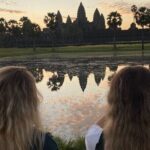
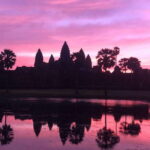
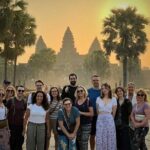
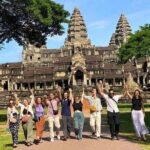
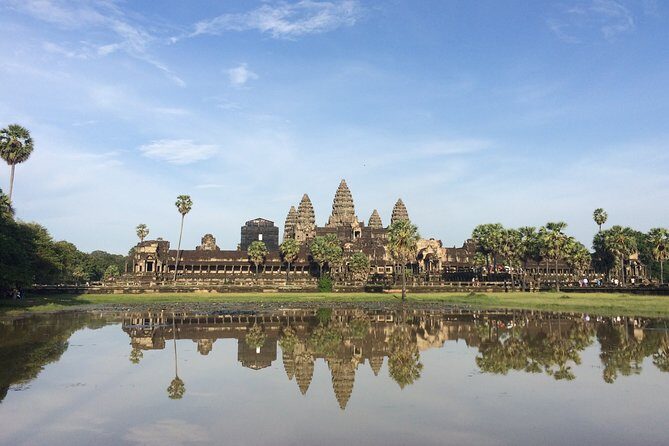
This is the world’s largest religious temple of Angkor. You’ll hear the stories tied to its symbolism and its connection to King Surya Varaman II—including the idea of the temple being used as a royal tomb. Practically, you also get guided help finding the best spots to take photos of the temple itself. For many people, this is the only place where a single site feels like a full event, not just a stop.
Tip: with 1 hour 40 minutes, you can do both. Walk slowly for details, then come back for wider views.
Bayon Temple (50 minutes)
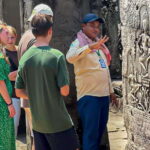
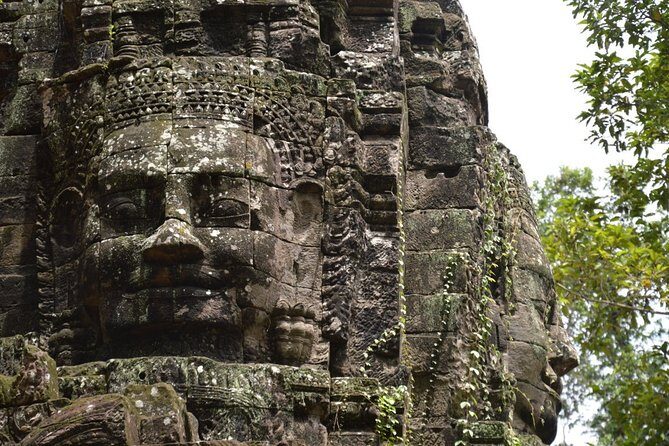
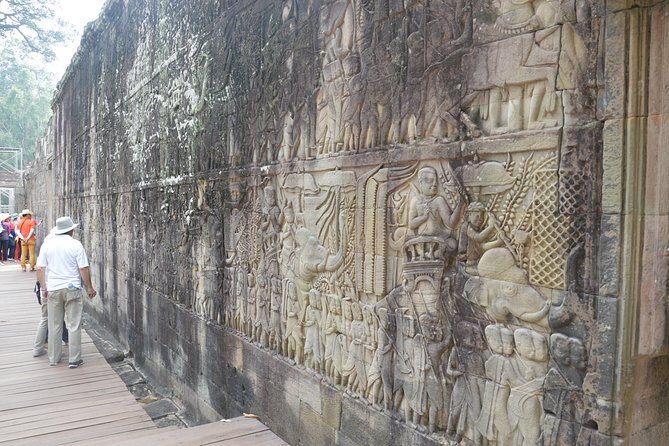
Bayon is famous for the 116 smiling faces, and you’ll also get pointed out carvings showing everyday life. This stop is less about pure monument scale and more about interpretation—what you’re seeing and why it mattered. If you like temples where the walls teach a story, this one lands well.
Baphuon (30 minutes)
Baphuon is impressive, but it’s also steep. You may be allowed to climb or not based on your group’s physical condition, which means your guide is thinking about safety and fairness. Don’t plan your whole day around “I must climb.” Build in the mindset that you might get the views from ground level.
Phimeanakas (15 minutes)
This smaller stop is a “sacred meeting place” tied to kings and the divine in the Angkor dynasty period. It’s in the royal palace area, so it helps connect the bigger temples to the idea of royal space and ritual.
Terrace of the Elephants (10 minutes)
This terrace functioned as a platform where royals and dignitaries watched national games and festivals. It’s short, but it’s a useful bridge: it makes the Angkor world feel organized and political, not just spiritual stone.
Terrace of the Leper King (10 minutes)
Called the leper king by locals, this area connects to royal cremation and ceremony. It’s one of those stops where you’ll get more out of it if you listen closely to the guide’s explanation, because the details can be easy to miss when you’re thinking about the next big photo.
Prasat Suor Prat (5 minutes)
A quick hit: twelve towers lined up to represent the twelve years of the lunar calendar. It’s brief, but it adds an extra layer of meaning to the rhythm of the day.
Ta Keo (17 minutes)
Ta Keo is an unfinished giant temple. You’ll get a quick chance for photos, but also a reminder that not every temple in Angkor reached completion—something you don’t always think about before you’re standing there.
Ta Prohm (1 hour)
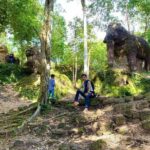
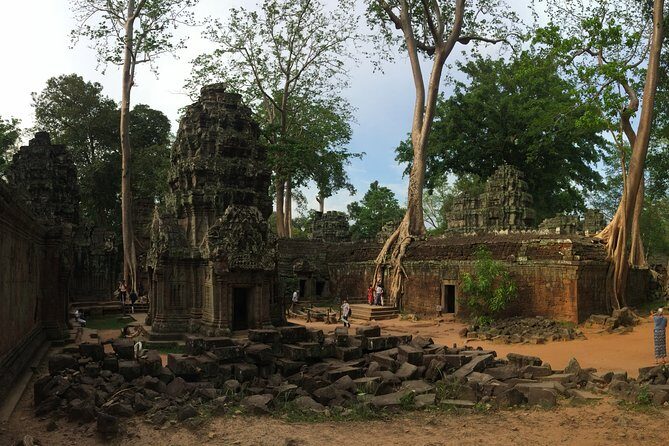
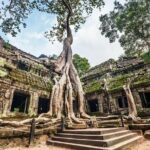
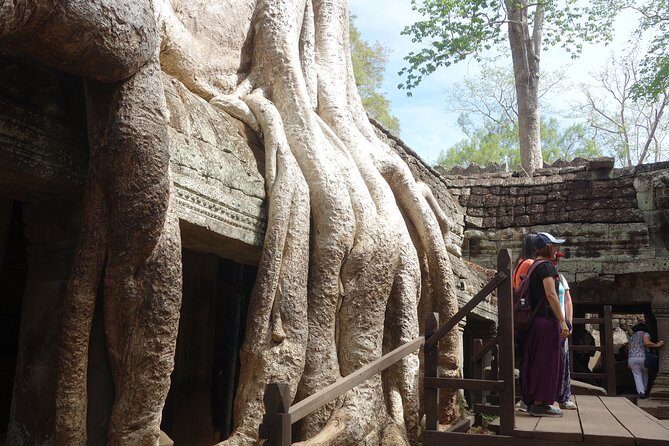
If Angkor Wat is the blueprint, Ta Prohm is the drama. This is the temple famously known as Tomb Raider because it was used in Angelina Jolie’s film. More than pop culture, the appeal is the visual surprise: massive tree roots wrapping into the structures. You’ll also hear the story tied to compassion for parents while you enjoy the scene.
This is the stop where you’ll likely slow down the most. The roots don’t care about your schedule.
Day 2: Preah Khan’s calm, Banteay Srei’s carvings, and Pre Rup’s tall towers
Day 2 also starts at 8:00 am, and it’s built for variety. You get big temple ruins, quiet spaces where fewer people seem to linger, and the carving-focused temple that most visitors remember afterward.
Preah Khan (1 hour)
Preah Khan is the second largest temple in the Angkor complex and is described as calm and fascinating. It was used as a temporary capital in the 12th century and is tied to the king’s father temple. This is a good day-momentum stop: it feels big, but you’re not slammed with only one type of viewing.
Neak Pean (30 minutes)
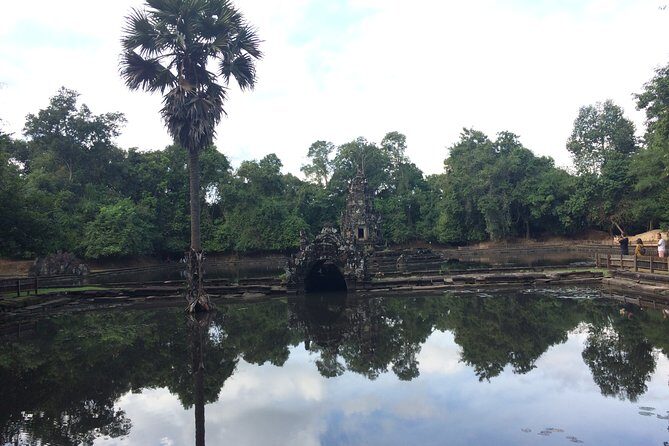
Neak Pean was used as a hospital in the Angkor era and sits on an artificial island. The lake setting pulls you in. It’s also popular with locals on weekends, so the atmosphere can feel more lived-in than some other temple corners.
Banteay Srei (50 minutes)
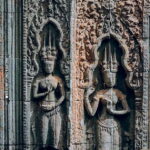
This is where the tour earns its “favorite” votes. Banteay Srei is known as Cambodia’s most beautiful temple, especially for its neat, intricate carvings. You’ll hear how about 90% of the structure is orange sandstone, which makes the carvings stand out in a way that feels almost delicate compared to the bigger, darker ruins.
If you like to zoom in—figures, patterns, and stone detail—this is your best time investment of Day 2.
Banteay Samre (30 minutes)
A quieter feeling temple with an Angkor Wat architectural style. It’s a breather after the intensity of Banteay Srei and a chance to reset your eyes.
Pre Rup (30 minutes)
Pre Rup is a 10th-century temple with five towers representing gods and royal ancestors. The guide will explain why it’s often believed to have been used for the king’s cremation and funeral place. Even if you don’t remember every detail, the tall structure helps your brain understand the temple’s purpose as a ceremonial stage.
Ta Som (20 minutes)
Ta Som is another temple built in one ling complex style followed by Preah Khan and Neak Pean. The standout visual is the big octopus-shaped tree covering the back gate. It’s quick, but it’s the kind of scene you don’t forget.
Eastern Mebon (30 minutes)
Eastern Mebon is a mixed-brick and sandstone 10th-century temple with elephant statues on the corners of each level. It feels like a satisfying close to the day—bigger shapes, clear motifs, and enough time to appreciate the corner details.
Day 3: Phnom Kulen National Park, lychee mountain, and the 1000 lingas
Day 3 takes you beyond Angkor’s stone maze and into the hills. After buying your Phnom Kulen tickets in the city office, you head north, and it takes about 1.5 hours to reach the top of Kulen National Park.
The park day is only about 2 hours, so think of it as focused. You can’t see everything in one visit because the woods are thick and the roads/paths aren’t always easy. Instead, you’ll hit the main impressions that are easiest to access.
Phnom Kulen National Park highlights (about 2 hours total)
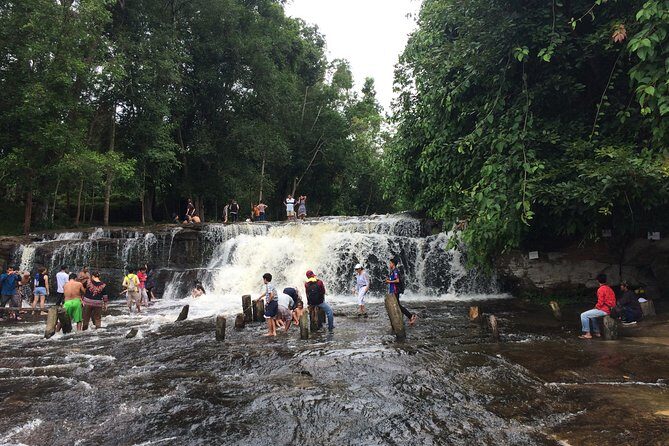
- Waterfall: the natural break from temple stone, and usually the first place your camera finds you
- Giant reclining Buddha statue: a huge focal point that makes the sacred theme easy to grasp at a glance
- The 1000 Shiva’s Linga carvings in the riverbed: this is the most uniquely “Kulen” feature, where religious stonework meets flowing water
Also, the name Phnom Kulen is linked to lychees, because the mountain is covered by many lychee trees. Even if you’re not there for fruit season, it’s a nice local context that makes the park feel more than a stop on a list.
Transport, timing, and comfort between ruins
This tour is built around 8:00 am starts, and that’s a smart choice. In Siem Reap, mornings mean better light for photos and fewer heat struggles while you’re still fresh.
You’ll be in an A/C car with fuel included, so travel between temple groups is less stressful than it would be with public transport. You also get cold mineral water and cold face towels, which is a practical win when you’re walking in sun and humidity.
Time at each stop varies a lot. Some places get a short visit—like the 5-minute Prasat Suor Prat moment—while others get enough room to linger, like Angkor Wat and Ta Prohm. The key is to adjust expectations: if a stop is brief, use it for one job only, like a quick photo from the best angle or a careful look at a specific carving.
The guide’s role matters here. The tour is described as adaptable—there’s room for route tweaks and improved suggestions. If your group wants more photo time or needs slower pacing, it’s the kind of trip where you can usually negotiate the flow.
Dress code and prep: the small rules that can stop you at the gate
Angkor and many worship sites enforce a clear dress code. Bring clothing that covers knees and shoulders for both men and women. That means no shorts and no sleeveless tops. If you don’t meet the requirement, you risk being refused entry.
Since you’ll be outside walking, also pack for the heat. Sunscreen is explicitly recommended. And since you’ll be stepping around temple terrain, wear comfortable shoes that handle uneven stone and steps.
If you’re someone who likes to climb or explore up close, be aware of the physical variation at temples like Baphuon. The guide may allow climbing or may hold you back based on your condition—plan for a day that still works even if you skip the steep parts.
Should you book this Angkor Wat and Phnom Kulen 3-day tour?
I’d book it if you want a smart way to see the big Angkor hits plus Phnom Kulen without planning each day yourself. The mix is strong: Angkor Wat + Ta Prohm for iconic scenes, then Day 2’s blend of calmer ruins and carving detail at Banteay Srei, and finally a nature-and-sacred-stone day at Phnom Kulen.
You might skip it (or consider a lighter alternative) if you hate fast pacing. Some stops are brief, and you’ll be walking with early starts. Also, since admission tickets and taxes are not included, make sure the final trip cost still fits your budget after you add entry fees.
One more practical reason to feel good about booking: there’s evidence of friendly, supportive coordination in the way the trip is arranged. For example, a booking story connected through Brown Theng showed how the service can organize the trip for people who don’t have a car and want a reliable guide and driver.
FAQ
FAQ
How long is the Discover Angkor Wat Temples And Phnom Kulen tour?
It’s approximately 3 days.
What does the tour cost?
The price is $170.00 per person.
Where does the tour start and end?
It starts in Krong Siem Reap, Cambodia and ends back at the meeting point.
What time does the tour start each day?
The tour starts at 8:00 am each day.
Does the tour include pickup and air-conditioned transportation?
Pickup is offered, and the tour includes an A/C car.
Are admission tickets included for Angkor temples and Phnom Kulen?
No. Admission tickets (and all fees and taxes) are not included. The Phnom Kulen tickets are purchased in the city office before heading to the park.
What’s included in the tour besides the guide and vehicle?
Included items are an English-speaking tour guide, fuel, cold mineral water, and cold face towels.
What dress code do I need for the temples?
You must cover knees and shoulders. No shorts or sleeveless tops are allowed for both men and women, and you may be refused entry if you don’t comply.
What happens if weather is bad?
This experience requires good weather. If it’s canceled due to poor weather, you’ll be offered a different date or a full refund. Free cancellation is available up to 24 hours in advance for a full refund.