REVIEW · SIEM REAP
Siem Reap: Angkor Wat: Small-Group Sunrise Tour
Book on GetYourGuide →Operated by Tourme ANGKOR · Bookable on GetYourGuide
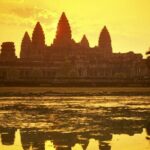
Orange dawn at Angkor Wat is unforgettable. I really like the sunrise setup and how the sky shifts from dark to orange and pink, plus the guided focus that helps you connect with what you’re looking at inside Angkor Wat. I also like the small-group pace and the comfort touches—especially the bottled water and cool towel—that matter when you start before 5am. One consideration: sunrise can look less dramatic in some seasons or weather, and if your guide’s pace runs a bit slow, the early hours can feel long.
This is an 8-hour temple circuit with hotel pickup in Krong Siem Reap and an air-conditioned van. You’ll spend a guided hour exploring Angkor Wat, then head to Ta Prohm for that movie-set jungle feeling, and finish at Bayon in Angkor Thom City with its stone faces.
In This Review
- Key points that make this sunrise tour worth it
- The 4:15 a.m. start: sunrise at Angkor Wat with a real rhythm
- Angkor Wat for real: a guided hour through corridors, terraces, and stories
- Srah Srang: outdoor breakfast and a needed breather
- Ta Prohm: the Tomb Raider temple and why it feels different
- Bayon and Angkor Thom City: hundreds of faces up close
- Price and what you actually get for $16 plus the Angkor entrance fee
- Comfort and timing: van rides, cool towels, and avoiding the day getting away from you
- Is this the right Angkor Wat sunrise tour for you?
- Should you book the Siem Reap Angkor Wat sunrise small-group tour?
- FAQ
- How early does pickup start for this sunrise tour?
- Where is the pickup location?
- What temples are included on the tour?
- Does the tour include sunrise at Angkor Wat?
- How long is the tour?
- What’s included in the price, and what isn’t?
- Is there a ticket line to wait in?
- What language is the tour guide?
- Is this tour suitable for wheelchair users?
- What should I bring?
Key points that make this sunrise tour worth it
- Sunrise photography time with a smart plan before crowds fully take over
- A full Angkor Wat guided hour, not just a quick walk-by
- Ta Prohm with context, including its monk history and French rediscovery
- Bayon’s face towers, plus time to walk and soak it in
- Air-conditioned comfort and cooling breaks during the hottest part of the day
The 4:15 a.m. start: sunrise at Angkor Wat with a real rhythm
Your morning starts before the sun has even started thinking about rising. Pickup usually happens between 4:15 and 4:35 a.m., depending on where your hotel is located in Krong Siem Reap. From there, the van ride is short enough that you won’t feel like you’re spending the night on wheels, but you will definitely feel the early alarm the moment you step outside.
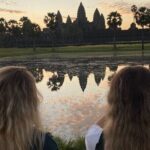
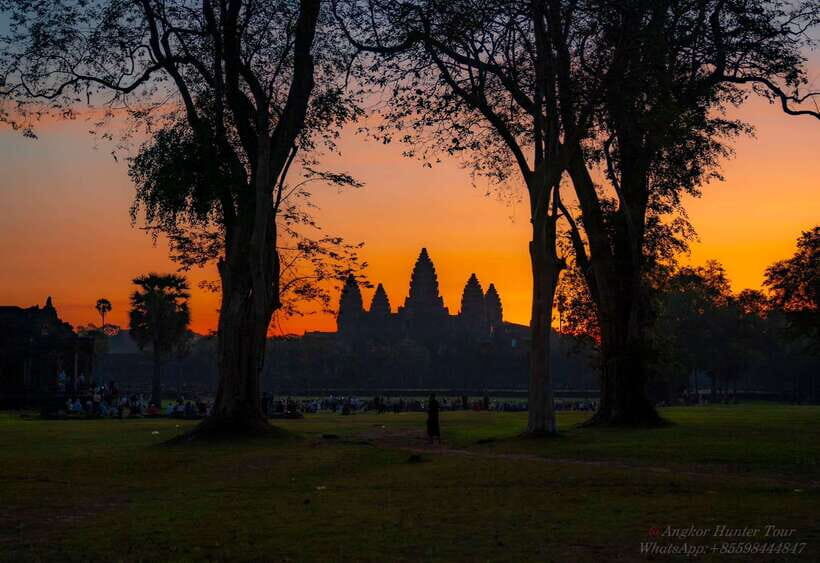
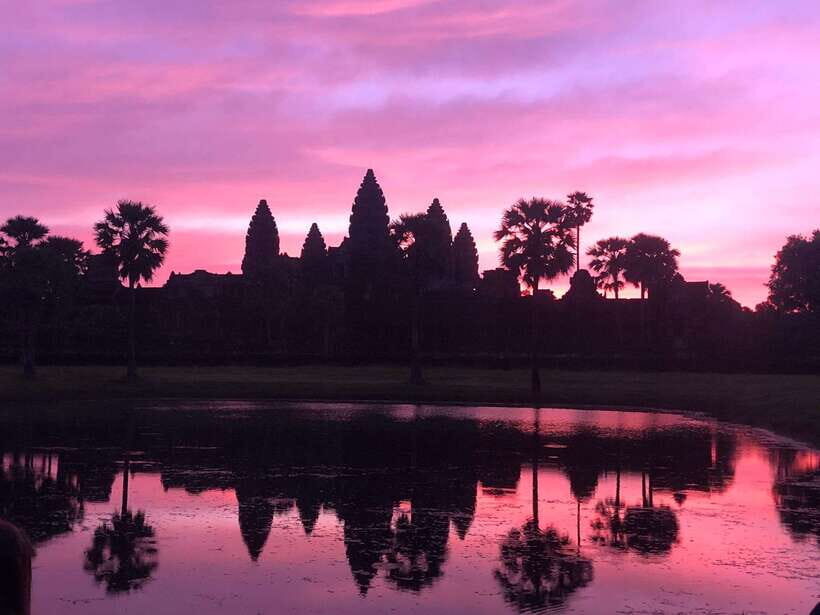
The payoff is the first major moment of the day: witnessing the sky gradually change color around Angkor Wat. Instead of waiting in one chaotic crowd, you begin from a peripheral vantage near the ancient library pools. It’s a simple idea, but it matters. Being slightly off the densest path gives you a calmer view while the light wakes up. That’s when the orange and pink tones start to show, and your photos stop looking flat.
One practical thing I’d copy: if you care about getting good pictures, trust the guide to place you. In past days, guides such as Pi have been praised for knowing the best sunrise spots to reduce crowd pressure, and even for helping guests use camera tricks like panorama mode. That’s the difference between a decent shot and a sequence you’ll actually want to post later.
Bring what you’d normally bring for an early start: a hat, sunscreen, and comfortable shoes. Sunrise is cool, but it won’t stay that way for long.
A few more Siem Reap tours and experiences worth a look

Angkor Wat for real: a guided hour through corridors, terraces, and stories
Angkor Wat is big. Like, big in a way that can make first-timers walk for an hour and remember almost nothing. This tour fights that problem by giving you about one guided hour in the heart of the temple—corridors, central chambers, and upper terraces—so you’re not guessing what you’re looking at.
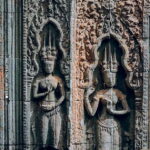
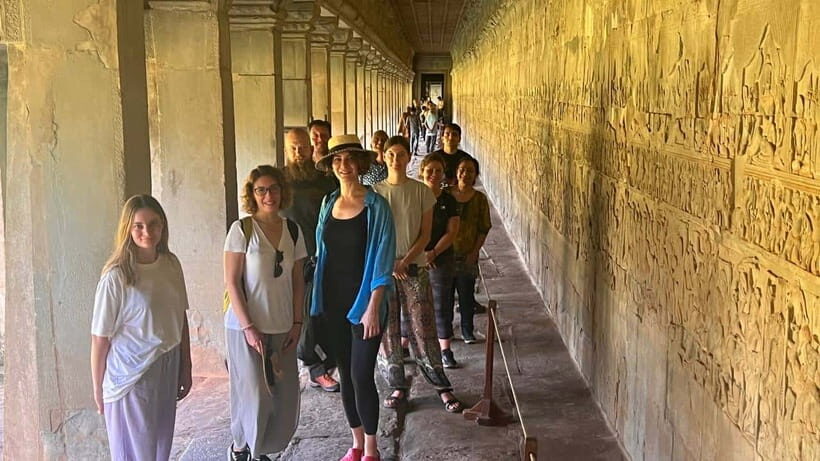
What makes it work is the way a good English-speaking local guide explains the bas-relief carvings. Those stone walls aren’t decoration. They’re packed with stories from the era when the Khmer empire was at its height. When your guide helps you connect scenes to meaning, you start seeing patterns: the same themes showing up across different walls and spaces, and the way religious and everyday life get carved into stone.
You also get the benefit of strong guiding personalities. People have specifically mentioned guides like Chhay for especially strong Angkor Wat sunrise guidance and photography help, and Kiss for clear English and interesting temple information. That matters because sunrise is half about light, and the other half is knowing where to stand and what to notice once you’re there.
Practical note: even with a timed tour, Angkor Wat involves stairs and uneven stone. Your feet do the work. Comfortable shoes are not optional on this one, and water helps more than you expect once you’re climbing.
Srah Srang: outdoor breakfast and a needed breather
Right after Angkor Wat, you get a breather at Srah Srang, including break time and breakfast plus free time before the next temple stop. This is the part of the day that saves you from walking from dawn straight into high noon with zero recovery.
The outdoor breakfast works well because it gives you a chance to reset. You can sit, cool down a little, and decide how you want to tackle the afternoon heat. It’s also a good moment to check your camera settings, refill your water bottle if you brought one, and handle small needs like sunscreen touch-ups.
Even though it’s only about an hour total here, it changes the rest of your day. Skipping this kind of pause is how temple days turn into painful blurs. This one gives you the break you’ll appreciate later.
Ta Prohm: the Tomb Raider temple and why it feels different
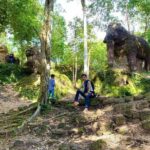
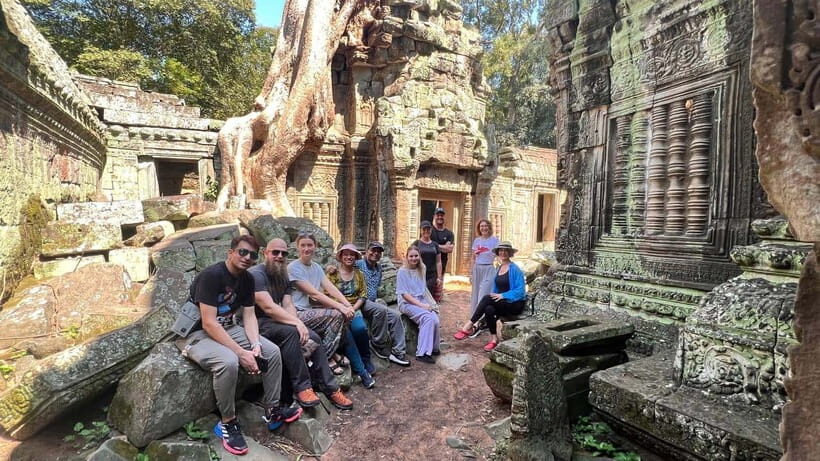
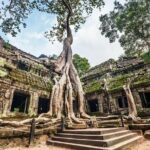
After breakfast, you head to Ta Prohm, one of the most atmospheric temples in the Angkor complex. This is the famous jungle-shrouded stop where tree roots wrap around stone, and the whole place looks like it’s mid-recovery from the jungle reclaiming it.
The context is part of what makes Ta Prohm special. You’ll hear that it was once home to 2,740 monks. You’ll also learn that it was “rediscovered” in the early 1850s by the French explorer Henri Mouhot. That historical framing helps you understand why the temple feels like a snapshot of multiple eras—religious life, later exploration, and then the modern era of visitors.
Your time here is about one hour, focused on walking through the labyrinthine interior. The layout is the point. There are corners where you feel like you’ve been pulled into a story, then suddenly the frame opens up and the roots and faces come into view like a staged scene.
The main reality check: Ta Prohm involves uneven ground and plenty of movement. If your legs are already tired from the early wake-up, you’ll need to pace yourself. The earlier you accept that it won’t be a relaxed stroll, the more you’ll enjoy it.
Bayon and Angkor Thom City: hundreds of faces up close
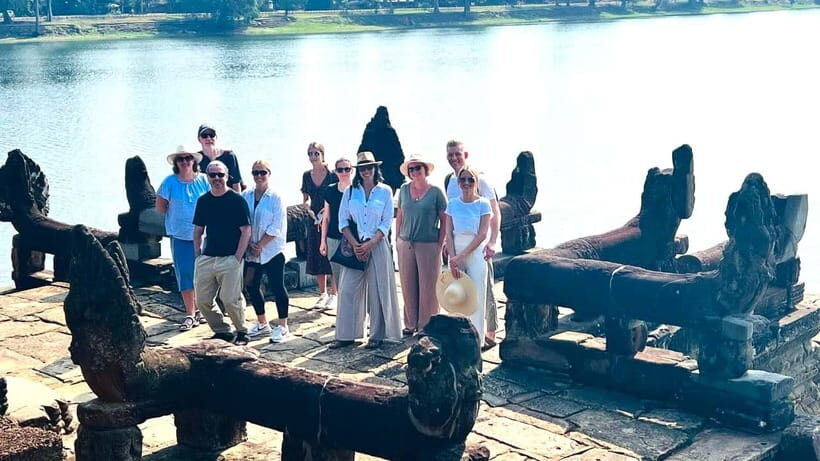
Next comes Angkor Thom City, the once-glorious capital of the Khmer Empire. You’ll stop in at Bayon temple, one of the easiest places to understand why this region became famous in the first place.
Bayon’s central towers are covered with more than 200 enormous faces. You don’t just glance at them—you walk among them, and your perspective changes as you move. From one angle, they look stern and fixed. From another, they feel almost watchful, like they’re reacting to whoever’s standing below.
This portion of the tour includes about 1.5 hours for the visit, guided info, and walking time. That’s a good amount here because Bayon isn’t a “see it once and leave” stop. You’ll get better value if you slow down and let your eyes adjust to the faces, the carvings, and the way the towers dominate the space.
For me, this is where the day starts to feel like more than a checklist. Angkor Wat gave you the grandeur of a planned temple design. Ta Prohm gave you the drama of nature and time. Bayon connects both ideas—massive stone presence with enough detail to reward attention.

Price and what you actually get for $16 plus the Angkor entrance fee
At $16 per person, the tour price looks like a bargain—until you remember what’s not included: the temple entrance fee, listed at $37 per person (and it covers all the temples). When you add that together, you’re really looking at about $53 per person for the full experience.
So is it good value? In my view, yes—because what you’re paying for isn’t just entry to temples. You’re paying for:
- Sunrise viewing at Angkor Wat with early access timing and a guided setup
- An experienced English-speaking guide for multiple major sites
- Air-conditioned transport, plus bottled water and a cool towel
- Skip-the-ticket-line support, which can save energy and time in peak periods
If you were to do this on your own, you’d likely spend time figuring out timing, sunrise meeting points, and hiring guides separately. Here, the structure is doing the heavy lifting for you.
One more value angle: people have praised guides for picture placement and photo tips. If that means you go home with fewer blurry souvenirs and more usable angles, the tour pays you back fast.
Comfort and timing: van rides, cool towels, and avoiding the day getting away from you
Angkor days can get hot fast. The good news is this tour is structured so you see the most demanding visual stops before the heat fully overwhelms everyone.
You start with sunrise and early temple time, then get a breakfast break, then push on to Ta Prohm and Bayon. That sequence matters. If you visited Bayon later in the day without a plan, you’d feel fatigue sooner and make worse decisions about where to stand and what to photograph. Here, the day is paced with purpose.
Comfort is also built into the experience. You ride in an air-conditioned vehicle. You get complimentary bottled water and a cool towel. In at least one account, the driver (Mao) was praised for keeping that cooling support ready, which tells you this is not just a token gesture.
Still, be realistic: it’s an early start and you’re walking on stone. You’ll want comfortable clothes, a hat, sunscreen, and a camera (because once sunrise turns on, you’ll want to capture it).
Also, this tour is not suitable for wheelchair users, so if mobility is a concern, you’ll need a different plan.
Is this the right Angkor Wat sunrise tour for you?
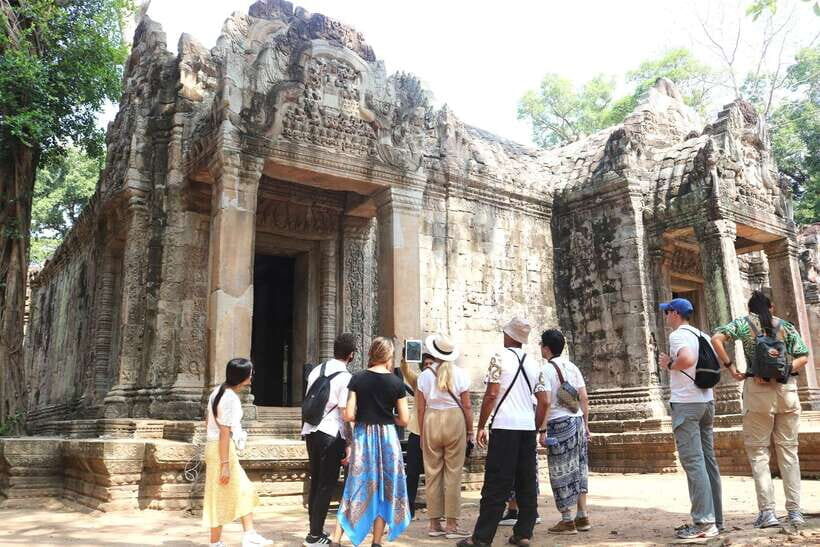
I think this tour is especially good if you:
- Want sunrise at Angkor Wat without having to organize the hard parts yourself
- Like learning while you walk, not just taking photos and hoping you understand what you’re seeing
- Appreciate a paced day that includes both major temples and meaningful context
- Plan to do a first trip to Angkor and want the most famous stops in one pass
It might not be ideal if:
- You’re extremely sensitive to early mornings and sleep loss
- You want total freedom to linger for hours at one site
- You’re chasing the perfect sunrise regardless of weather. Sunrise color varies with the sky, and that’s outside anyone’s control
Should you book the Siem Reap Angkor Wat sunrise small-group tour?
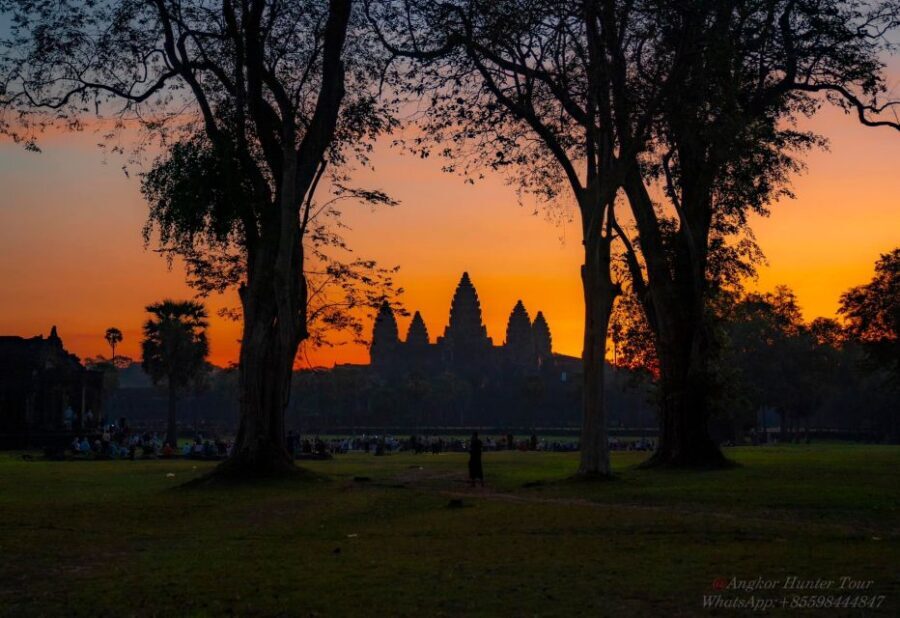
If your priority is the sunrise experience at Angkor Wat plus guided interpretation at the key sites, I’d say book it. The timing makes sense, the guide component helps you actually read the temples, and the cooling and transport details reduce the usual stress of a long day.
Just go in with two expectations set correctly: sunrise beauty depends on the day you get, and walking + climbing starts early. If you bring solid shoes, protect yourself from sun, and accept a focused schedule, you’ll leave with the kind of Angkor memories that stick.
FAQ
How early does pickup start for this sunrise tour?
Pickup is between 4:15 and 4:35 a.m., depending on where your hotel is located in Krong Siem Reap.
Where is the pickup location?
Pickup is from Krong Siem Reap.
What temples are included on the tour?
You visit Angkor Wat, Ta Prohm, and Angkor Thom City (including Bayon).
Does the tour include sunrise at Angkor Wat?
Yes. The tour includes sunrise viewing at Angkor Wat.
How long is the tour?
The total duration is 8 hours.
What’s included in the price, and what isn’t?
Included: the sunrise at Angkor Wat, guided temple visits, an English-speaking tour guide, hotel pickup/drop-off, bottled water, cool towel, and an air-conditioned vehicle. Not included: the temple entrance fee listed at $37 per person.
Is there a ticket line to wait in?
The tour includes skip-the-ticket-line support.
What language is the tour guide?
The tour guide speaks English.
Is this tour suitable for wheelchair users?
No, it is not suitable for wheelchair users.
What should I bring?
Bring comfortable shoes, a hat, a camera, sunscreen, and comfortable clothes.