REVIEW · SIEM REAP
4 Hours-Siem Reap Authentic Village and Homemade Whisky
Book on Viator →Operated by Asia Future Travel · Bookable on Viator
A small-group village morning beats a tour bus every time. This 4 to 5 hour Siem Reap experience takes you out to Chreav Village for the everyday rhythm of rural Cambodia, including rice milk production, a local market walk, and village house visits. I especially like how it connects food to farm life, so the story makes sense from field to kitchen.
What I really like is the spirit of the day: you’ll focus on rice spirit village walk and the techniques behind rice-based homemade alcohol, plus a traditional Khmer house visit that explains how people live. The guide experience matters here too, and the standout in the reviews is Tola Angkor Guide, who brings a farming background perspective along with his sister, who drives the tuk-tuk.
The main consideration is comfort and footwear. This is a village-and-farm style outing, so plan on some walking around uneven ground and bring clothes that can handle early-morning dust and sun.
In This Review
- Quick hits before you go
- Chreav Village at 7:00 am: why the morning pace matters
- Meet Tola Angkor Guide and the farming-family perspective
- Rice milk production: why the “small food” stop is the point
- Rice spirit village walk: the homemade whisky angle, explained
- Local market exploration: how to spot everyday life
- Rice farming and processing: the work behind the food
- Village walk and traditional Khmer house visit
- Scenic drive past local fauna: ending on a calmer note
- Price and value: is $85 fair for a 4–5 hour rural tour?
- Who this tour suits best (and who should think twice)
- Should you book the 4 Hours—Siem Reap Authentic Village and Homemade Whisky tour?
- FAQ
- What is the duration of the Siem Reap Authentic Village and Homemade Whisky tour?
- What time does the tour start?
- How much does the tour cost?
- Is pickup offered?
- What’s the maximum group size?
- Is the tour ticket mobile?
- What language will the guide speak?
- What’s included in the price?
- What isn’t included?
- Is there free cancellation?
Quick hits before you go
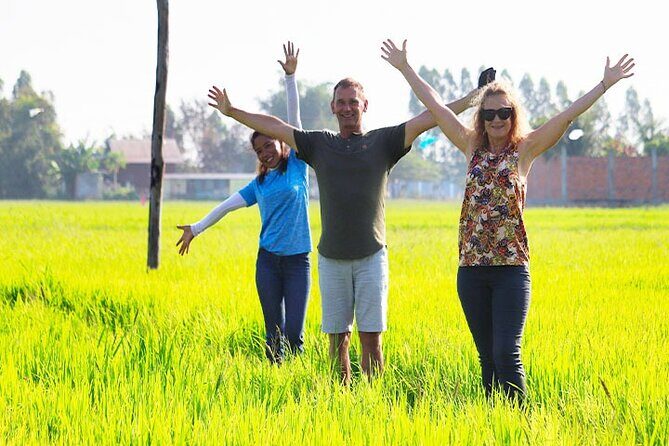
- Small group (max 7 travelers) means you can ask questions and move at a human pace.
- Rice milk production and rice spirit village walk show how staples become meals and drinks.
- Local market exploration gives you a snapshot of village life in one practical stop.
- Traditional house visit in Chreav Village connects daily routines to Khmer culture.
- Scenic drive photo opportunities lets you end with a calmer, view-focused stretch back toward Siem Reap.
Chreav Village at 7:00 am: why the morning pace matters
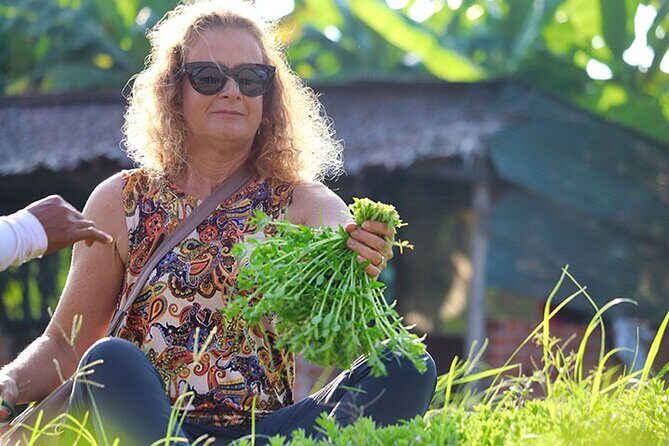
This tour starts at 7:00 am, which is smart for rural Cambodia. Mornings usually feel less hectic, and you get the best chance to see farm and household routines while they’re still fresh and in motion.
A morning schedule also fits the “4 hours, real experiences” idea. Instead of trying to cover too much of Siem Reap in one day, you get one tight rural arc: farm methods, food basics, village life, and then back to town.
If you don’t love early starts, this might feel like a commitment. But if you want Cambodia beyond temples, the early wake-up pays off.
You can also read our reviews of more tours and experiences in Siem Reap.

Meet Tola Angkor Guide and the farming-family perspective
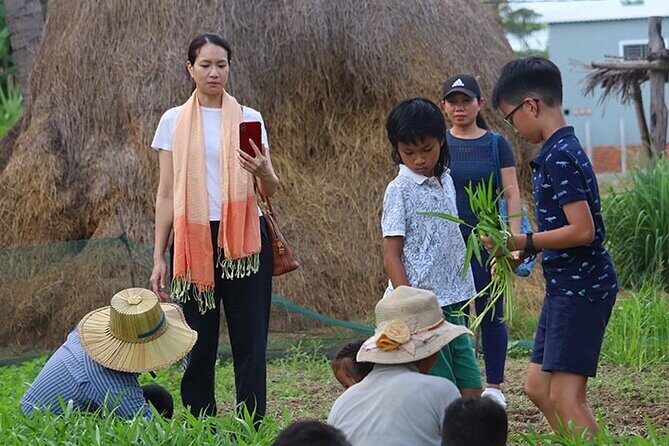
The experience is led by an experienced licensed English-speaking guide, and the reviews put extra emphasis on guide personality and practicality. The name that comes up is Tola Angkor Guide, and the dynamic is credited to him and his sister, who also drives the tuk-tuk.
What that farming-background detail signals is important. You’re not just hearing facts. You’re getting explanations tied to how countryside people work and think—less performance, more lived-in knowledge.
This kind of guide relationship is also a value booster. When the group is capped at 7 travelers, you’re less likely to feel like you’re watching a script. You can ask about rice, markets, household life, or the rice spirit process and get responses that feel grounded.
Rice milk production: why the “small food” stop is the point
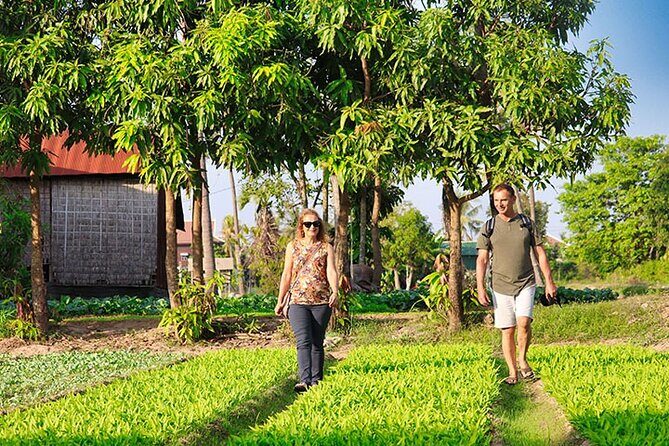
One of the first activities focuses on rice milk production. It sounds simple, but it’s exactly the kind of local step that helps you understand the full chain of rural food. Rice is a core crop in Cambodia, and learning how it turns into a usable ingredient gives you context for everything that follows.
Practically, this also makes the tour feel tangible. You’re not only walking and looking; you’re hearing how work turns into something you can eat or use. That matters on a short itinerary where you want meaning, not just photos.
If you’re the type who likes to cook—or just likes food with a story—you’ll probably enjoy this stop more than a typical sightseeing stop.
Rice spirit village walk: the homemade whisky angle, explained
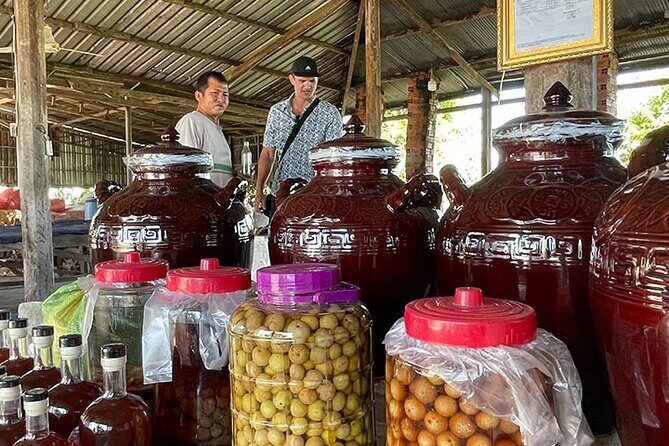
The tour name includes homemade whisky, and the itinerary points to a rice spirit village walk where the rice spirit brewing secrets are shared. The key detail is that this part is flexible and can vary each tour, so don’t expect a one-size-fits-all script.
Still, the focus is consistent: you’ll be shown how rice spirit is made, in a village setting where alcohol production is part of local life rather than a factory process. That’s a rare angle, especially compared to standard tourist food experiences.
One thing to keep in mind: the itinerary doesn’t say whether there will be a tasting. So if tasting is important to you, treat this as a learning and process-focused activity unless the guide tells you otherwise on the day.
Local market exploration: how to spot everyday life
Next comes local market exploration, and that’s a strong addition for several reasons. Markets are where rural and household needs meet in real time—people don’t buy food like tourists; they buy what they need for the next steps of daily living.
On this tour, the market walk fits well between the farming-focused stops and the village-house visit. You move from crop work to household products, then back into how people live.
A practical tip: keep your questions simple and respectful. Ask what items are used for and how ingredients are selected. That’s more useful than trying to identify everything on sight.
Also, remember you’re visiting a working place. Keep your pace steady, follow your guide’s lead, and don’t treat stalls like photo props.


Rice farming and processing: the work behind the food
The itinerary includes rice farming and processing, and this is where the countryside story becomes real. Rice isn’t just a background detail here; it’s the engine that powers the day’s theme.
You’ll get insights into traditional steps of farming and how rice is processed afterward. Even if you only catch fragments of the full cycle, you’ll leave with a better understanding of why rural Cambodia has such strong ties between fields, kitchens, and community routines.
Because the tour is only 4 to 5 hours, your time here is best used by asking “why” questions, not “what exactly is this tool” questions. The guide can likely explain the logic behind the steps in a way that’s easy to remember.
Village walk and traditional Khmer house visit
In Chreav Village, you’ll take a village walk and visit a traditional Khmer house. This isn’t just a look-see stop; it’s positioned to teach you how locals live—what a home is like and how daily routines connect to the village setting.
This part also ties together the earlier food and market stops. When you see a house and understand what people do at home, the rice milk and processing lessons click into place.
What to expect in terms of vibe: the atmosphere should feel calm and ordinary, not staged. That’s why this stop works so well. You’re seeing a home environment, not a museum exhibit.
Comfort note: since it’s a village walk, wear shoes that handle dirt and small changes in terrain. Bring a light layer if mornings feel cool to you.
Scenic drive past local fauna: ending on a calmer note
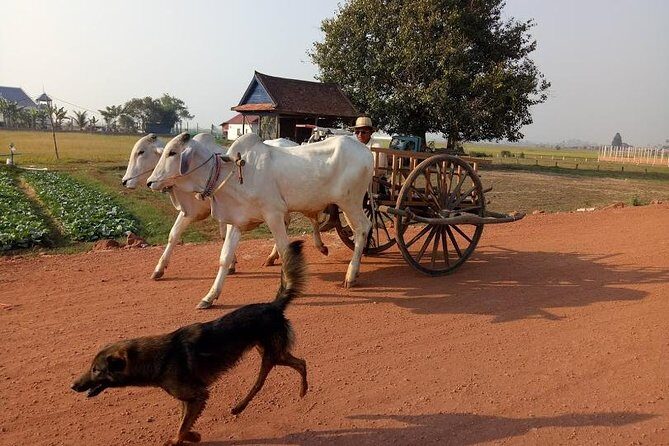
The day closes with a scenic drive past local fauna, plus photographic opportunities. This is a helpful shift from hands-on work to visual breathing room.
It also gives you a better “close” for the story. After learning about crops, markets, and houses, you get a final segment that reminds you this landscape supports real life every day.
Don’t expect a long wildlife safari here—your best results will be for scenery, not guaranteed animal sightings. But the drive is still a pleasant way to reset before you head back.
Price and value: is $85 fair for a 4–5 hour rural tour?
At $85 per person for about 4 to 5 hours, this is not a budget add-on. But it may be good value depending on what you want from Cambodia.
Here’s what you’re paying for, in practical terms:
- A licensed English-speaking guide (not just a casual driver)
- Bottled water and snacks included
- A small group capped at 7 travelers, which helps the experience feel personal
- Pickup offered (so you’re not spending time coordinating your own transport)
- Multiple “process” stops, not only scenic viewpoints
If your goal is to get a feel for rural life—how rice becomes milk, how spirit brewing fits into village routines, how markets operate, and how homes function—then $85 for a morning out of town can feel reasonable.
If your goal is pure sightseeing and you hate any kind of village walking, you might decide it’s overpriced for your tastes. In that case, you’d likely prefer a more monument-focused day in Siem Reap.
Who this tour suits best (and who should think twice)
This experience is a strong fit if you want:
- Rural Cambodia over temple-only touring
- Food culture explained through the real steps of production
- A small group so you can ask questions
- An early start paired with a short overall time commitment
It might be less ideal if you:
- Want zero walking or a fully wheelchair-level route (the data only says most travelers can participate, not specific accessibility details)
- Prefer big, famous attractions and don’t care much about village life
- Dislike spending time in non-tourist settings like working markets and traditional houses
For most people who enjoy learning through daily-life details, this will land well.
Should you book the 4 Hours—Siem Reap Authentic Village and Homemade Whisky tour?
I’d book it if you’re the kind of traveler who likes to understand how people live, not just where they lived centuries ago. The combination of rice milk production, market exploration, rice spirit brewing focus, and a traditional Khmer house visit gives you a coherent story in a short time window.
The best reasons from the reviews are also the most useful: the guide relationship feels warm and grounded, and the farming background perspective helps the explanations feel real. Add the small group size and included water/snacks, and you’re set up for a smooth morning in the countryside.
If you’re on the fence, decide based on one question: do you want to spend your Siem Reap time outside town learning daily village processes? If yes, this is an easy “go.” If not, you might prefer a day that stays closer to your usual sightseeing comfort zone.
FAQ
What is the duration of the Siem Reap Authentic Village and Homemade Whisky tour?
The tour runs for about 4 to 5 hours.
What time does the tour start?
The start time is 7:00 am.
How much does the tour cost?
The price is $85.00 per person.
Is pickup offered?
Yes, pickup is offered.
What’s the maximum group size?
This experience has a maximum of 7 travelers.
Is the tour ticket mobile?
Yes, you get a mobile ticket.
What language will the guide speak?
The tour includes an English speaking guide.
What’s included in the price?
Included are an experienced licensed English speaking guide, bottled water, and snacks.
What isn’t included?
Personal expense is not included.
Is there free cancellation?
Yes. Free cancellation is available up to 24 hours in advance for a full refund.
If you want, tell me your travel dates and whether you prefer lots of walking or a slower pace, and I’ll suggest a good way to pair this morning with the rest of your Siem Reap plans.