REVIEW · SIEM REAP
Rice Fields & Rural Villages Tour
Book on Viator →Operated by Camouflage Adventures Cambodia · Bookable on Viator
A bike ride through real countryside beats another temple loop. This tour is built for seeing rural Siem Reap life up close: rice paddies, village roads, local markets, and a hilltop pagoda area near Tonle Sap.
I especially like the mix of gentle sightseeing and actual riding, plus the fact that you get time with local food and village scenes rather than only big-name attractions. The guide’s calm, practical approach also matters here.
One consideration: the roads can be muddy or uneven, so if you’re less comfortable on a bike, plan for a slower pace (and some puddles).
In This Review
- Key highlights
- Price and logistics: what $69 really covers
- Getting started in Siem Reap: pickup, bikes, and first impressions
- Phnom Krom stop: market smells, lotus farm breaks, and lake views
- Riding through rice paddies and wooden slit-house villages
- The traditional market stop: local aromas and simple food breaks
- Wildlife on Tonle Sap: endangered water birds (with realistic expectations)
- Pagoda visit: historic architecture and artwork, plus a calm cultural pause
- Biking reality check: fitness, rain, and how to prepare
- Who this tour suits best (and who should choose differently)
- Should you book Rice Fields & Rural Villages?
- FAQ
- How long is the Rice Fields & Rural Villages Tour?
- How much does the tour cost?
- Is pickup included?
- Is a bicycle and helmet provided?
- What’s included in the price?
- What is not included?
- How many people are in a group?
- Is it beginner-friendly for cycling?
- What does the tour visit?
- What happens if the weather is bad?
- Is there free cancellation?
Key highlights
- Small group max of 6 keeps the ride relaxed and easier to manage on dirt roads.
- Snacks, bottled water, helmet, and bicycle are included, so you’re not scrambling once you’re out of town.
- Phnom Krom hill views plus a local market/lotus-farm stop give you variety in one compact morning/afternoon.
- Rice paddies and wooden slit-house villages show everyday Cambodian life, not just staged views.
- Tonle Sap water-bird chance adds a wildlife angle tied to the lake area.
- Pagoda visit with architecture and artwork rounds the ride out with something cultural and still fairly quick.
Price and logistics: what $69 really covers
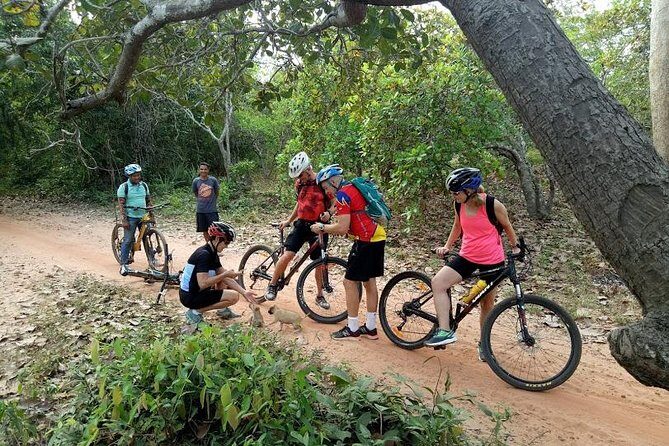
For $69 (about 4 hours 30 minutes), you’re not paying just for a bicycle. You’re paying for a guided route that gets you out past the main tourist bubble and keeps things smooth. The package includes pickup and drop-off to your hotel, a professional guide, and use of a bicycle with a helmet. Add in snacks and bottled water, plus bike parts and a first-aid kit, and the whole thing feels more like a “supported day outside” than a random self-guided ride.
Value also comes from group size. With a maximum of 6 travelers, it’s easier for the guide to slow down when paths get tricky, or when someone needs an extra minute to regroup. That small-group feel matters even more on rural roads.
Two small practical notes before you go. First, the tour requires good weather. Second, there’s a simple dress-code reality: you’re on dirt paths, so plan for messy surfaces if rain has been around.
You can also read our reviews of more tours and experiences in Siem Reap.
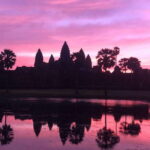
Getting started in Siem Reap: pickup, bikes, and first impressions
The day starts with hotel pickup, which is a big deal in Siem Reap. You’re not negotiating tuk-tuk schedules or trying to find a meeting point after the heat hits. Once you’re with the team, you’ll get your bike and helmet, plus a quick safety/setup moment (they also carry bike parts and a first-aid kit).
The vibe right away is local-rural, not “line up for photos.” You’ll head out from town and gradually trade paved roads for dirt tracks. The contrast is the point. In the reviews, people liked how close the ride felt to everyday life, not like a theme park version of countryside.
If you’re traveling with family, you’ll appreciate that the guide tends to be patient and solutions-focused. One review specifically mentioned how the guide helped a 7-year-old when puddles were tricky. That’s the kind of real-world bike-advice that makes a trip less stressful.
Phnom Krom stop: market smells, lotus farm breaks, and lake views
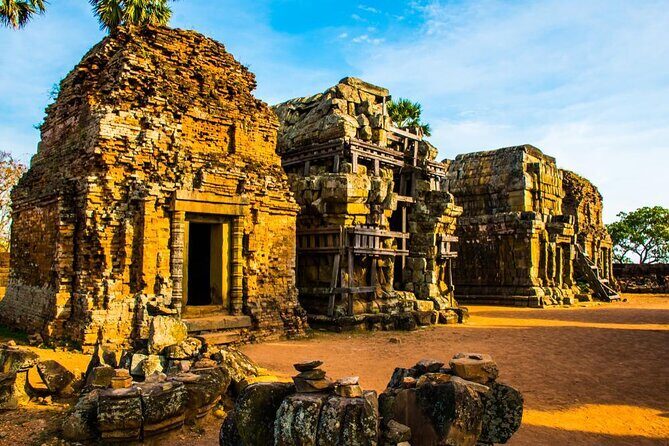
Your first major highlight centers on Prasat Phnom Krom. This is a hill area with a lot going on in a short time. Expect a mix of:
- A local market stop (smells, snacks, and everyday goods)
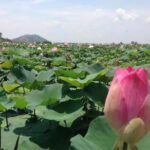
- A lotus farm moment (a nice change of scenery from rice paddies)
- A ride through rice paddies
- A hill climb for views over Tonle Sap Lake and the Siem Reap countryside
The hill climb is the part to take seriously. Not because it’s extreme for every traveler, but because you’ll be mixing biking with steps and exposure to sun or dampness. If the weather is humid, bring water-sipping discipline. The tour includes bottled water, but it still helps to pace yourself.
I also like this stop because it gives you “context fast.” Markets and farms ground what you’re about to see. Then the climb shows you the bigger picture—this area isn’t flat everywhere, and Tonle Sap’s presence changes how the countryside looks and feels.
A drawback to consider: if it rains heavily, mud and puddles can turn footwork and bike balance into a slow-and-careful game. One reviewer mentioned continuing during rain, and that it was still fun, but it required patience on the route.
Riding through rice paddies and wooden slit-house villages
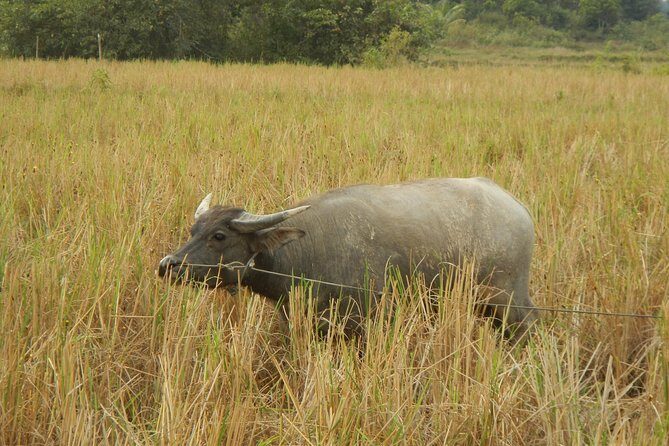
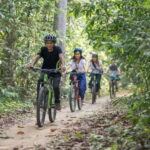
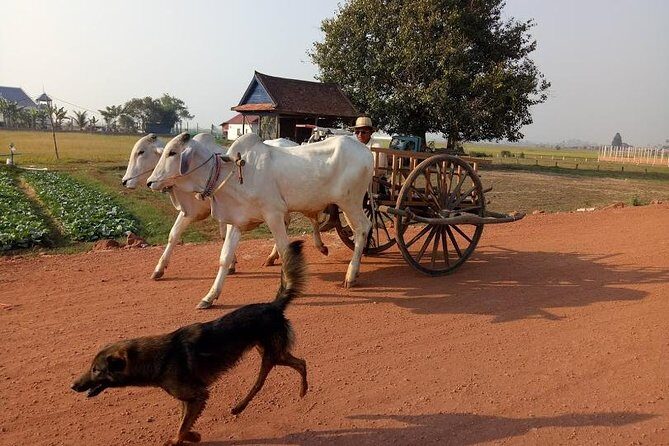
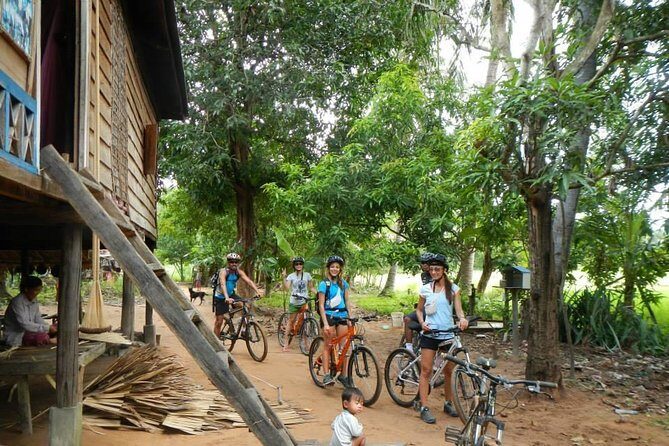
The core of the tour is exactly what the name promises: rice fields and rural villages by bicycle. You’ll move along dirt roads where the pace is set by real paths, not by convenience for tourists. Expect plenty of small scenes—homes, fields, and people doing normal daily tasks.
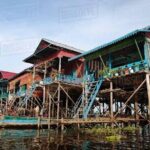
One of the more distinctive details in the tour description is the mention of traditional homes, including wooden slit houses. That matters because it’s a reminder that you’re not just looking at scenery. You’re passing by places where people live and work, often with a totally different rhythm than city life.
This is also where your guide’s route choices matter. The tour is designed around finding tracks that are actually enjoyable to ride through. In plain terms: you’re not just biking to say you biked. You’re getting a workable route so you can spend your energy looking, not fighting your way through the countryside.
A note on effort: some biking is a challenge for less experienced riders. If you’re comfortable on a city bicycle, you’ll probably be okay. If you’re not, it’s still doable, but go in with a slower mindset and a willingness to take it step by step.
The traditional market stop: local aromas and simple food breaks
You’ll also stop at a local traditional market during the ride. The goal isn’t to rush. It’s to smell what’s cooking, see what’s being sold, and sample local aromas and delicacies if you’re interested.
Markets are one of the best places to learn without a classroom. You pick up details fast: what people eat, what ingredients are common, how goods are packaged and priced at a local scale. Even if you only try a small bite, you’ll likely come away with a better sense of daily life.
From a practical angle, a market stop also breaks up the ride. You’re out in the sun and moving over uneven paths, so having a moment to sit, stretch, and reset your legs is a big quality-of-life improvement.
Wildlife on Tonle Sap: endangered water birds (with realistic expectations)
The tour includes a chance to see amazing endangered water birds that breed around the Tonle Sap Lake area. I love that this tour adds a wildlife angle that’s connected to geography, not just a random animal story.
That said, bird-spotting is never guaranteed. What you’re getting is the opportunity to look in the right area and at the right time of day for the region, guided by someone who knows where to focus attention.
If you’re a bird lover, come with patience. Bring your attention to details: movement in reed edges, activity near water, and the way the light changes on the lake. You’ll often spot more when you slow down.
Pagoda visit: historic architecture and artwork, plus a calm cultural pause
After the riding and bird/lake-area viewing, you’ll visit a local pagoda. This is where the trip adds cultural depth without turning into an all-day temple marathon.
The description highlights historic architecture and artwork. In practice, that usually means you’ll have time to look closely, not just pass through. It also gives your legs a rest if the bike roads are still tiring.
I like that this pagoda stop is integrated into the countryside flow. Instead of doing temples in town and countryside later, you’re linking culture to place: rural life, water, fields, then a spiritual landmark nearby.
Biking reality check: fitness, rain, and how to prepare
This is where you should be honest with yourself before booking. The tour is “for most travelers,” but it isn’t a smooth spin on a bike path. The roads are dirt, and the route can get muddy if it rains.
One review mentioned a family deciding not to cancel during rain and that it stayed safe and fun. That points to how the guide responds: patience, slower pace when needed, and practical help for kids and less confident riders.
If you want the best experience, you’ll do better with:
- Comfortable shoes that handle puddles
- A willingness to ride slower if the surface is slippery
- A light layer or rain protection if the sky is questionable
Since good weather is required, you also get a built-in safety net. If conditions are poor enough to cancel, you’ll be offered a different date or a full refund.
Who this tour suits best (and who should choose differently)
This is ideal if you want a Siem Reap vacation that’s not just temples. If you like:
- Real daily scenes (markets, village paths, people at work)
- Riding through countryside rather than standing in a crowded spot
- A guide who keeps the route practical and safe
…then you’ll likely love it.
It’s also a strong choice for families, as long as everyone can handle short periods of riding and the possibility of puddles. Reviews specifically praised the guide’s patience with a young child struggling over puddles.
If you’re looking for pure sightseeing at a high speed with lots of grand monuments, you might find the biking effort too much. This is a countryside experience first, with temples/pagoda added as a calm cultural chapter.
Should you book Rice Fields & Rural Villages?
Yes, if you want your first taste of Cambodia countryside without turning the day into hard logistics. The included pickup/drop-off, snacks and water, and helmet + bike support make the experience feel low-stress. The small group size keeps it personal, which helps when you’re riding on uneven dirt roads.
Book it particularly if you’ve already done the big temple hits and you’re craving something more grounded: rice paddies, village homes, market smells, and lake-area wildlife chances. It’s also worth booking if you enjoy guides who can read the route and keep everyone moving comfortably.
Skip it if you’re planning on a very gentle pace only, or if you’re likely to panic about mud. You can still have fun, but you’ll need patience.
FAQ
How long is the Rice Fields & Rural Villages Tour?
It’s approximately 4 hours 30 minutes.
How much does the tour cost?
The price is $69.
Is pickup included?
Yes. Pick up & drop off to hotels is included.
Is a bicycle and helmet provided?
Yes. The tour includes use of bicycle and a helmet.
What’s included in the price?
Snacks, bottled water, a professional tour guide, bicycle use, pickup and drop-off, bike parts and a first-aid kit, and a helmet are included.
What is not included?
Alcoholic beverages and personal expenses are not included.
How many people are in a group?
The maximum group size is 6 travelers.
Is it beginner-friendly for cycling?
Most travelers can participate, but some cycling can be challenging for people who are less fit or less experienced.
What does the tour visit?
You’ll ride through rice paddies and rural villages, visit a local traditional market, have a chance to see endangered water birds around Tonle Sap Lake, and visit a pagoda. One named stop is Prasat Phnom Krom.
What happens if the weather is bad?
The tour requires good weather. If it’s canceled due to poor weather, you’ll be offered a different date or a full refund.
Is there free cancellation?
Yes. You can cancel up to 24 hours in advance for a full refund.