REVIEW · SIEM REAP
A Morning in the Cambodian countryside
Book on Viator →Operated by Journey Cambodia · Bookable on Viator
Rice paddies beat temple crowds every time. This 5-hour countryside morning from Siem Reap trades big sightseeing lines for real village rhythm, with a walk through green rice fields near Banteay Samre, plus palm-cake tasting and Khmer noodle making.
I especially like the English-speaking guide style, with guides such as Sok (and sometimes Pi) explaining daily life and local food in a way that actually makes sense. I also love the rice-paddy walk at Preah Dak Village, where you can see farmers at work with water buffalo.
One consideration: some parts of the ride use unsealed, bumpy roads, and there’s no lunch (you’ll test snacks, but you’ll still want to plan your next meal).
In This Review
- Key things I’d circle before you go
- Getting There From Siem Reap: 7:00 am Pickup and Country-Road Reality
- Preah Dak Village (Banteay Samre): Walking Rice Paddies Like a Local
- Palm Cakes, Coconut, and Local Tastes You Can Actually Remember
- Khmer Noodle Making: The Most Hands-On Part of the Morning
- The Ride Back: Why the Banteay Samre Morning Ends Around Midday
- Price and Value: Is $49 Worth It for a 5-Hour Countryside Trip?
- Who This Tour Fits Best (and Who Might Feel Restless)
- Small Logistics That Matter Day-Of
- Should You Book A Morning in the Cambodian Countryside?
- FAQ
- What time does the tour start?
- How long is the countryside experience?
- Do I get hotel pickup and drop-off?
- Is lunch included?
- What food activities are included?
- What should I wear or bring?
- Is this a private tour?
Key things I’d circle before you go
- A true morning schedule (start at 7:00 am) that keeps you out of the heaviest heat and early away from temple crowds
- Preah Dak Village near Banteay Samre: rice paddies, farmers working, and a chance to meet residents
- Hands-on Khmer noodle making with tasting time built in, not just watching
- Palm cakes and local sweets like palm sugar/coconut flavors, plus bottled water and snacks
- English-speaking guides such as Sok (often praised for clear stories and patience)
- Siem Reap old market / hotel drop-off after a final stop, so you can keep your day flexible
Getting There From Siem Reap: 7:00 am Pickup and Country-Road Reality
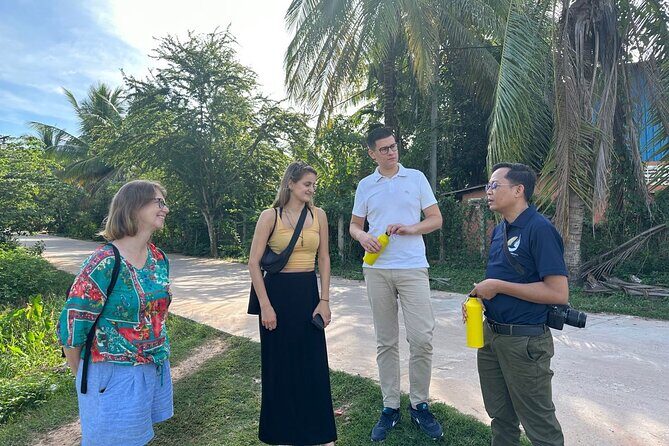
This tour starts early, at 7:00 am, with hotel pickup and drop-off. The ride is by tuk-tuk (private transportation), which sounds cute until you realize you’re heading off-road. For me, that’s part of the point: this is not a polished city tour. You’ll get a real feel for how Siem Reap connects to the countryside.
Expect some unsealed roads. That means bumps and dust in places, depending on weather and season. If you’re the type who hates even minor jolts, pack patience. If you’re okay with it, you’ll probably enjoy the way the scenery changes as you leave town behind.
Timing matters too. The day winds down around 12:30 pm, which is helpful if you don’t want your whole afternoon swallowed by tours. It also means you’ll likely feel the “morning energy” of the villages while things are still active.
A few more Siem Reap tours and experiences worth a look


Preah Dak Village (Banteay Samre): Walking Rice Paddies Like a Local
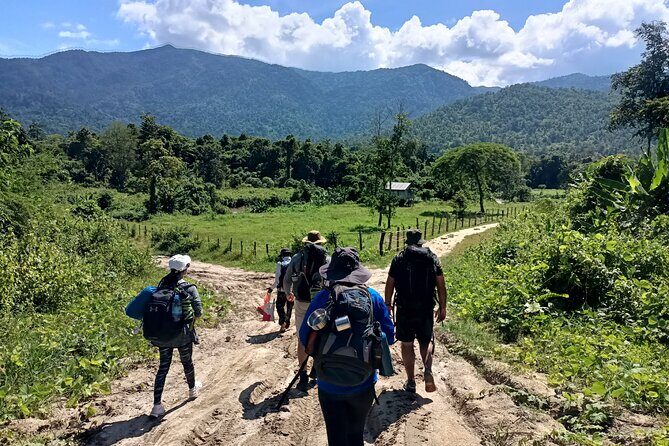
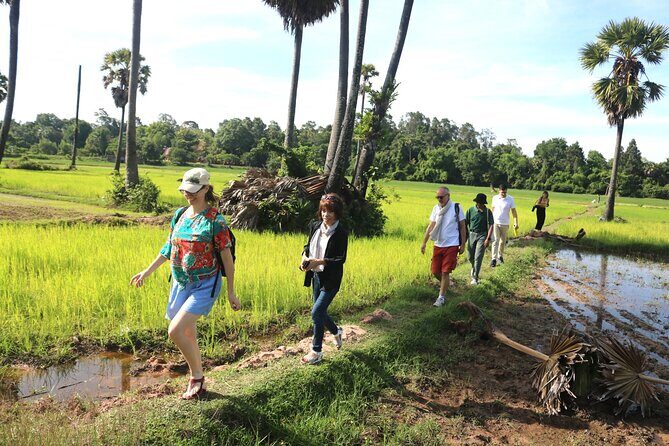
Your main countryside moment comes at Preah Dak Village, about 16 kilometers from Siem Reap city. The highlight here is the walk along rice paddies, with opportunities to observe farmers working, often alongside water buffalo.
This is where rural life becomes less abstract. Rice fields aren’t just a postcard background; they’re a working system, tied to seasons, water, and daily labor. You’ll also have a chance to visit the local village itself and meet residents. That meeting part is key. You’re not just “passing through scenery.” You’re seeing how people live and how they fit chores into the day.
The tour includes time for you to learn informally about the area’s rhythm. In real Cambodia terms, small details matter—what’s happening outside, what people are doing, and how food and farming connect. Guides like Sok are often praised for making those connections clear without turning it into a lecture.
One practical tip: wear comfortable walking shoes. You’ll be on paths near fields, and surfaces can vary. If you like photos, this is also a strong time of morning for them, especially in the season when the fields look extra green (June to January is especially mentioned as a great time for scenery).
Palm Cakes, Coconut, and Local Tastes You Can Actually Remember
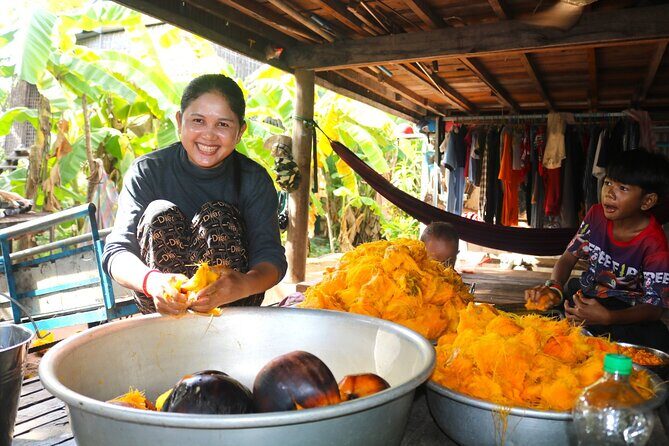
A big part of this experience is food, but not in a “stand in a line and taste a bite” way. You get snacks and tasting time focused on local Cambodian favorites.
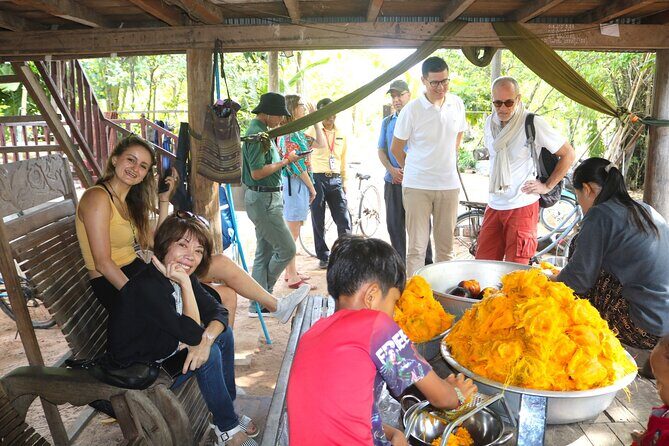
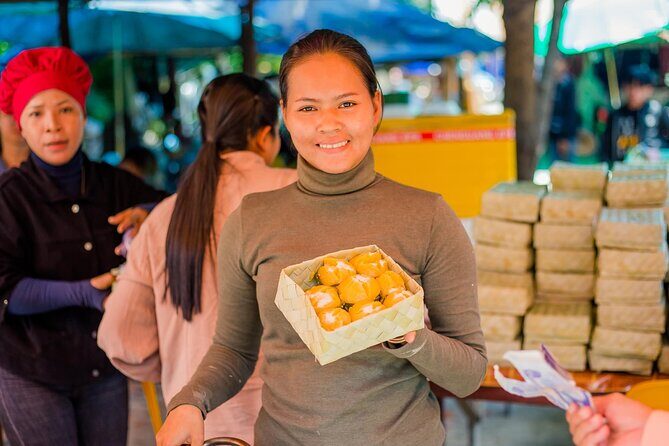
You might try treats tied to palm sugar and coconut, which show up in Cambodian sweets in lots of forms. Palm cakes, in particular, are mentioned as a possible taste during your village time. These flavors are simple but satisfying—sweet, warm, and very “made here,” not manufactured.
In the reviews, people also talk about tasting and learning around local crafts alongside the food. One highlight that comes up is cow leather artisan work. That doesn’t mean you’ll see every single craft in every village stop (that’s not how small community visits work), but it does suggest you may get a look at traditional making—processes that take patience and skill.
Here’s how to make the most of the tasting: don’t just eat. Ask your guide what the ingredient is, what it’s used for, and how it relates to daily life. If your guide is Sok, he’s described as patient and smiling while sharing insights, which usually means you’ll get answers in a calm, human way rather than rushed explanations.
Khmer Noodle Making: The Most Hands-On Part of the Morning
The centerpiece of the morning after the village walk is learning how to make Khmer noodles. This isn’t just watching someone stir a pot. The process is described as several steps, including preparing the rice noodles, creating the sauce, and assembling the final dish.
What I like about this kind of activity is that it turns food into a story you can taste. Rice noodles aren’t difficult to understand in a “what is it” sense, but they become interesting when you see how the sauce is built and how you put it together. You also get a chance to taste your own noodles, which is the moment when everything becomes real.
If you’re the sort of traveler who collects restaurant meals, this will feel different. You’re leaving with a memory of hands-on work: the feel of the process, the smell of ingredients, and the satisfaction of eating something you helped make.
One more benefit: noodle making also gives you something to do while you’re still in the early-day energy zone. By the time you’re back, you’ll already have a “mini-cookery accomplishment” under your belt, which makes the rest of Siem Reap feel less like you’re burning time between temples.
The Ride Back: Why the Banteay Samre Morning Ends Around Midday
After the noodle experience, you head back toward Siem Reap, with return expected at about 12:30 pm. You’ll also see an additional final stop in the area of Siem Reap: Siem Reap Night Market, followed by drop-off at your hotel or the old market.
That final placement is practical. You’re not forced to come back and then figure out where to go next. If you still want to keep moving, the old market and night-market area are convenient starting points for wandering. If you’d rather rest, you’re close enough to your base to do that without turning the morning into a whole day of travel.
Also, because the countryside parts happen earlier, you’re less likely to feel fried by the midday sun. The ride does include bumpy stretches, but the overall plan keeps you moving at a manageable pace.


Price and Value: Is $49 Worth It for a 5-Hour Countryside Trip?
At $49 per person, this tour sits in a midrange pocket for Siem Reap. The value comes from the mix:
- Hotel pickup and drop-off, plus private transportation
- English-speaking guide time, not just a short transfer
- Hands-on Khmer noodle making
- Village visit with interaction and walking through rice paddies
- Snacks and bottled water
What you don’t get is lunch. That’s not a deal-breaker, but it changes how you plan your day. If you take this, I’d recommend thinking about your next meal before you leave—either book it near the old market or plan to grab something quick on the way back.
So is it worth it? If you want a morning that feels local—farming, village life, and actual food work—then yes, the price can make sense. If you only want big-ticket sights like Angkor temples, this won’t replace that. This is a different kind of value: it’s about seeing how Cambodia lives beyond the stone.
Who This Tour Fits Best (and Who Might Feel Restless)
This works best if you like:
- Food experiences that are active, not passive
- Rural settings and meeting residents
- Short, structured mornings with a clear finish
It’s also a good fit for people who want a guide who explains, and who have heard names like Sok praised for professional stories and patience. The tone of the experience seems designed to be friendly and easy to follow, including for people who don’t speak Khmer.
It may feel less ideal if:
- You dislike uneven surfaces or hate bumpy rides
- You need a full meal included (since lunch isn’t included)
- You want a super-short outing with minimal walking
For families: children must be accompanied by an adult, and the tour notes that most travelers can participate. Still, if you’re traveling with kids, bring snacks and use the right shoes—countryside walks are not like museum floors.
Small Logistics That Matter Day-Of
A few details help you avoid stress:
- Bring comfortable walking shoes.
- Dress code is normal (no special costume needed), but expect dust and sun.
- You’ll get bottled water and snacks (including Khmer local cake and noodle testing), so you won’t go hungry, but you won’t have a full lunch.
- The tour is private for your group (only your group participates), and there’s a minimum of 2 people per booking.
If you’re doing this on the same day as other Siem Reap plans, the return time around 12:30 pm helps you chain activities without losing your whole afternoon.
Should You Book A Morning in the Cambodian Countryside?
Book it if you want a Siem Reap morning that feels human and practical: rice paddies, village conversations, sweet tastes, and making Khmer noodles before midday. At $49, the combination of guide time plus hands-on food experience is where the value really lands.
Skip or rethink it if you need everything to be smooth, cushy, and fully meal-included, or if you’re only interested in temple sights. This experience trades glamour for daily life, and that’s exactly why it’s memorable.
My quick decision rule: if your idea of a great travel story includes what people do before noon—farming, cooking, and community work—this is a strong match.
FAQ
What time does the tour start?
It starts at 7:00 am.
How long is the countryside experience?
It lasts about 5 hours (approximately), with return to your hotel around 12:30 pm.
Do I get hotel pickup and drop-off?
Yes. Hotel pickup and drop-off are included, and you’ll also be dropped off at your hotel or near the old market after the final stop.
Is lunch included?
No. Lunch is not included. The tour includes snacks (including Khmer local cake) and bottled water.
What food activities are included?
You’ll have snacks and there’s a Khmer noodle making session where you prepare the noodles, make the sauce, assemble the dish, and then taste what you made.
What should I wear or bring?
Wear comfortable walking shoes. The dress code is normal, and the roads can be bumpy, so being prepared for a bit of dust and movement helps.
Is this a private tour?
Yes. It’s a private tour/activity, meaning only your group participates. There’s also a minimum of 2 people per booking. Children must be accompanied by an adult.