REVIEW · SIEM REAP
Angkor Wat Tour by Tuk-Tuk with English Speaking Driver
Book on GetYourGuide →Operated by Angkor Pro Travel · Bookable on GetYourGuide
Angkor can feel like a blur. This private tuk-tuk route slows it down with custom timing, an English-speaking driver, and stops built for real looking time.
What I like most is how it’s designed around the big moments. You can time your day for sunrise (or swap to sunset later), then spend the rest of the route stepping through major Hindu and Buddhist temple layers without racing your way through crowds.
The main trade-off to consider is also the most obvious one: temple entry tickets are not included, so you’ll need to plan that ahead if you want everything to run smoothly.
In This Review
- Key takeaways before you go
- Why a private tuk-tuk route feels easier than a bus day
- Getting your Angkor Archaeological Park pass (and doing it early)
- Sunrise or sunset timing: the moment that changes everything
- Angkor Wat: big scale, calm focus, and time to actually look
- Angkor Thom and Bayon: the carved faces that follow you
- Ta Prohm: when the jungle takes control
- Ta Som and Banteay Kdei: quieter ruins with strong character
- Pre Rup for sunset: ending on stone at golden hour
- Price and logistics: where the $15 really stands
- Who should book this tuk-tuk Angkor day
- Should you book it?
- FAQ
- How long is the Angkor Wat tour?
- Does the price include temple entry tickets?
- Is pickup and drop-off included?
- What language support do I get?
- Is this a private tour?
- Do I have to choose sunrise or sunset in advance?
- Is food included?
Key takeaways before you go
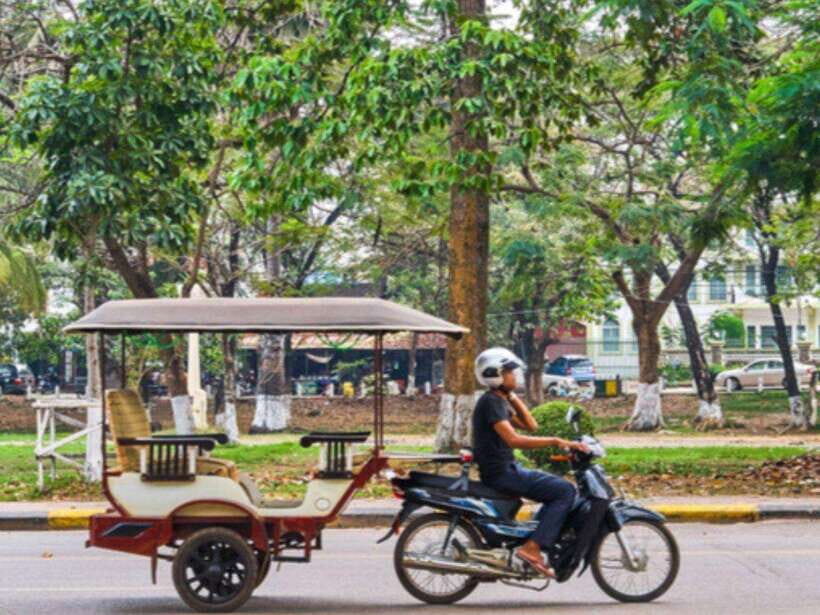
- Private tuk-tuk with hotel pickup/drop-off so you’re not hunting transport between temples
- English-speaking driver who answers questions at each stop (and a guide may be included depending on your package)
- Sunrise or sunset flexibility plus an alternate sunset route from Bakheang Mountain
- A route of contrasts: Angkor Wat scale, Angkor Thom faces, Ta Prohm jungle takeover, and the “monks’ citadel” feel at Banteay Kdei
- Your pace is the point: you can adjust start time, pick-up location, and even where you’re dropped off
- Water is included, but food and soft drinks are not
Why a private tuk-tuk route feels easier than a bus day
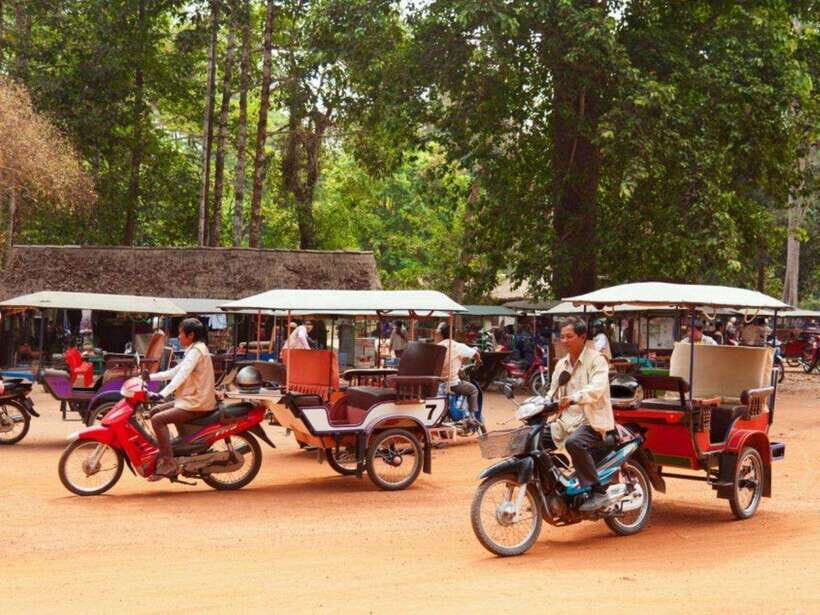
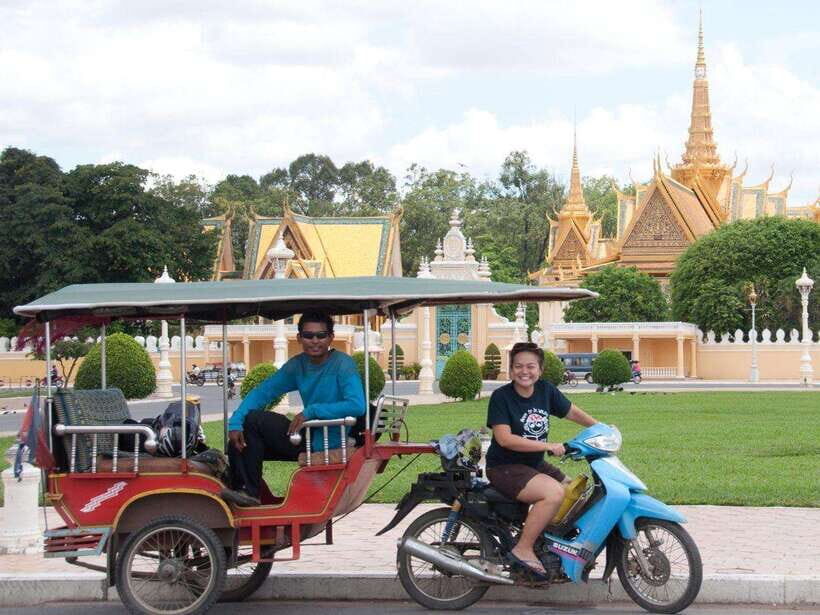
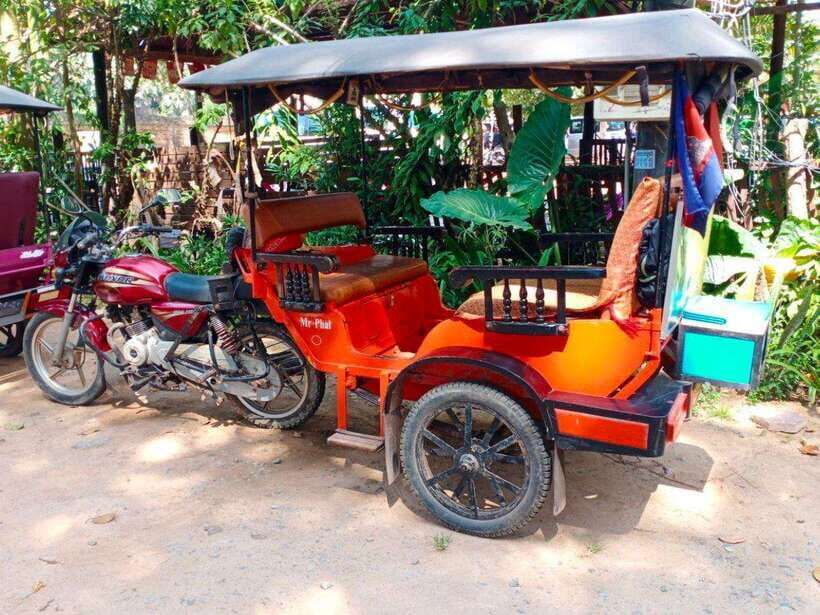
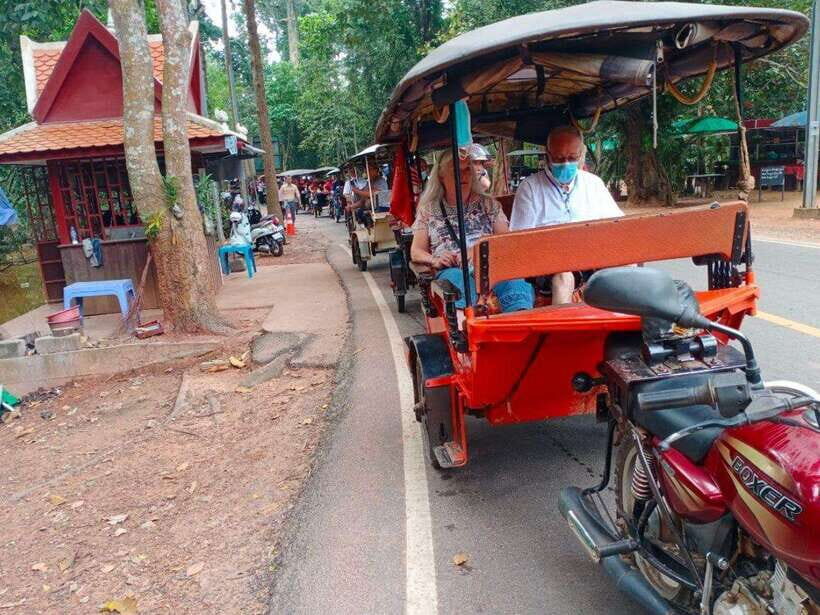
This is one of those tours where the vehicle matters. A tuk-tuk means you’re not stuck to a fixed bus schedule or shuffling around with strangers. You can start when it suits you, and you can ask for practical tweaks like spending longer at a stop that grabs you.
You’ll also get a driver who speaks English and has personality, and that’s a real quality-of-day upgrade. Even without a guide inside every temple, you’re not left with total silence. You’ll get context right where you’re standing, which is when temple details actually start making sense.
The best part is control. The plan is set up for major sites, but the tour is designed so you’re not locked into a rigid timeline. If you’re tired, you can slow down. If you’re energized and want more stops, you can ask. For a place like Angkor—where waiting and walking can drain you—this kind of flexibility is worth real money.
A few more Siem Reap tours and experiences worth a look

Getting your Angkor Archaeological Park pass (and doing it early)
Temple access is where most days get complicated. The tour includes transfers and guiding, but it does not include Angkor Archaeological Park entry tickets. So before your day starts, you’ll want to get your pass.
The official place to purchase your temple pass is:
https://www.angkorenterprise.gov.kh/
Why I treat this as essential: your day is timed for sunrise or sunset options, and those change based on daylight. If tickets aren’t sorted, you lose momentum right at the start. Better to handle it before you go so you can focus on the temples instead of paperwork stress.
Sunrise or sunset timing: the moment that changes everything
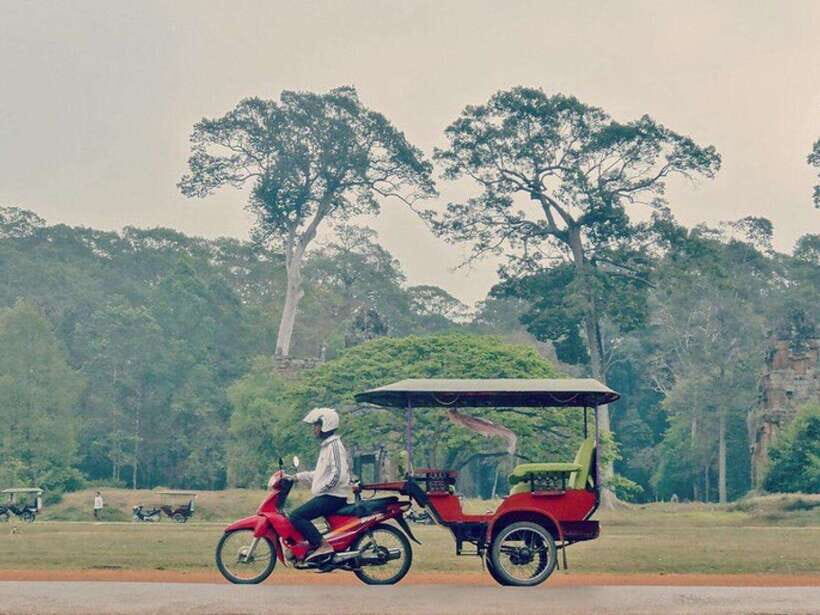
Angkor works like theatre. Morning light and evening light make the carvings look different, and they change how crowded the routes feel.
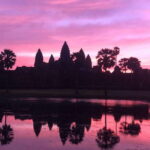
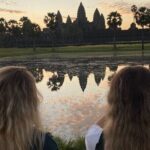
This tour is built around that timing. You can choose to see a world-famous sunrise by arriving in a strong position and at the right time. Or you can choose sunset for a more relaxed day rhythm, including an option that watches sunset from Bakheang Mountain.
You also get a special kind of flexibility here: the day can be adjusted to match your preference for sunrise or sunset, and there’s mention of an optional sunrise/sunset setup without extra charge. That matters because some tours force you into one option. Here, you get to pick based on your energy level and your photography priorities.
One practical point: sunrise days often mean an earlier start than you expect. If you’re coming from a hotel that’s not close to the pickup point, that matters. Plan for it and treat breakfast like logistics, not like an afterthought.
Angkor Wat: big scale, calm focus, and time to actually look
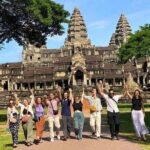
The route typically includes Angkor Wat early in the day, and that’s exactly when it’s worth being there. The tour is designed so you can enjoy it without treating it like a checklist.
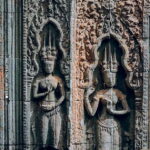
You’ll get guided-style sightseeing time around Angkor Wat itself. The goal isn’t just to say you were there; it’s to step back into a place that combines temple architecture with Hindu and Buddhist art. The carvings and gallery spaces reward slow attention, and this itinerary gives you time instead of speed-walking.
There’s also a mindset shift you’ll feel here. Angkor Wat isn’t just beautiful. It’s organized in a way that makes you notice symmetry, levels, and how the whole complex connects visually. When your tuk-tuk driver drops you at a good position at a good time, you’re already ahead of the usual chaotic “everybody arrives at once” feeling.
If you’ve visited Angkor before, this still works. The tour format is well-suited for soaking it in again—especially if you want to re-see the parts that stood out the first time, without cramming in new stops every five minutes.
Angkor Thom and Bayon: the carved faces that follow you
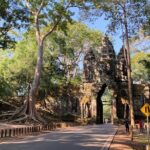
After Angkor Wat, the itinerary moves to Angkor Thom. This is less famous in name than Angkor Wat, but it’s just as impressive in scale and ambition.
What makes this stop hit is the sheer size. The grand approach into Angkor Thom is described as humbling even today, and you feel that in how the walls and pathways frame your movement. It’s not just “a temple.” It’s a planned city of stone.
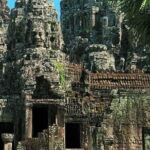
At the center is Bayon, lined with countless beatific carved faces, gazing out toward the surrounding forest. If you’ve ever seen photos of Bayon and wondered why it looks almost surreal in images, this is your answer: those faces aren’t decorative. They’re the structure’s way of directing your attention and making the space feel inhabited.
You’ll have guided sightseeing time here as well, which helps you connect what you’re seeing with the bigger picture of Hindu and Buddhist influence across different eras. You’re not only looking at stone. You’re reading a time-lapse in carvings and layout.
Ta Prohm: when the jungle takes control
Next up is Ta Prohm, one of the most recognizable Angkor temples partly because of its relationship with the jungle.
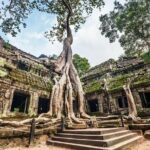
Here’s the key detail: Ta Prohm is partially retaken by the jungle, and that changes the vibe completely. Instead of stone-on-stone precision, you get tension—roots and trees woven into the ruins, creating a kind of quiet drama.
This is the sort of stop where you’ll want to slow down. The beauty isn’t only in one angle. It’s in how the ruins fracture lines of perspective and how the greenery makes the whole space feel calmer than you’d expect for something so famous.
A good tour here matters because Ta Prohm is easy to rush. The itinerary gives you about an hour for sightseeing and guided viewing, which is enough time to see multiple viewpoints without turning it into a sprint.
Ta Som and Banteay Kdei: quieter ruins with strong character
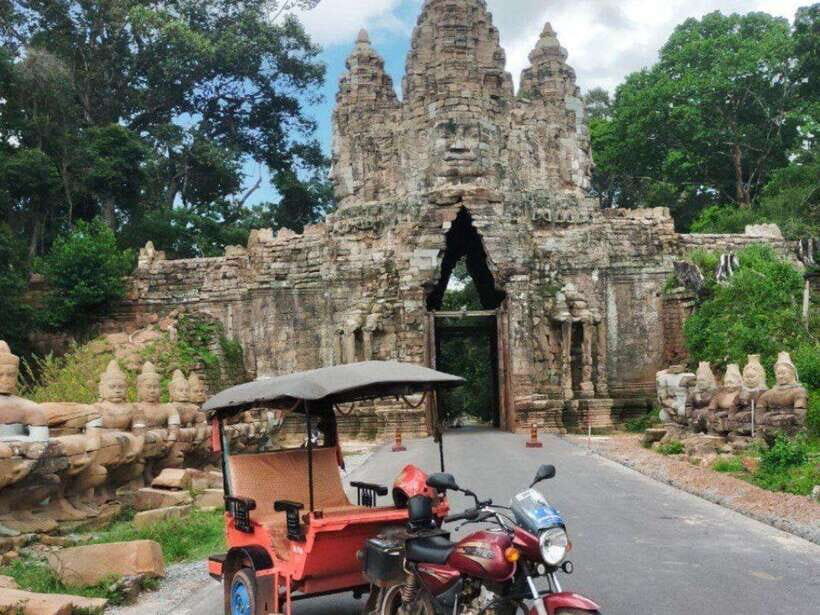
After Ta Prohm, the route often continues to Ta Som for about half an hour of visit and guided sightseeing. This shorter stop can be a good reset after the heavy hitters. It gives you variety without draining your energy before you reach the evening highlight.
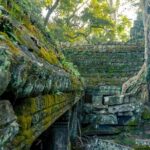
Then comes Banteay Kdei, sometimes called the citadel of monks’ cells. The name fits the feel. This is partially overgrown with towering, sinewy trees, and the ruined walls show how life and growth moved right into the structure.
The detail many people remember from this site is the cotton tree roots weaving through the stones. It’s described as famously beautiful, and it’s exactly the kind of visual that rewards being there in person rather than only reading about it. The roots create natural lines through the ruins, almost like the jungle is doing its own version of architecture.
If you’re the type who likes texture over spectacle, Banteay Kdei is often where your camera roll gets its best material. It’s not just about what’s still standing. It’s about what changed—and how gracefully the change happened.
Pre Rup for sunset: ending on stone at golden hour
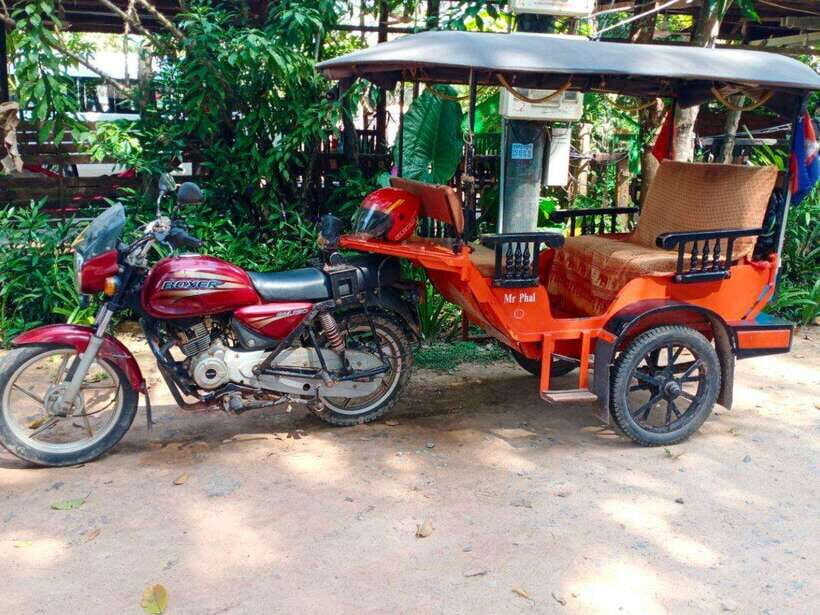
For the classic afternoon finish, the itinerary includes Pre Rup with guided tour and sunset time.
Pre Rup works well as an end point because you can close your day with a different kind of temple experience than the flat-spread feel you get earlier. This is where the light can do a lot for mood—stone becomes warmer, edges feel sharper, and the whole site seems to tighten around the hours of late day.
Even better, you’re not stuck on one rigid plan. The tour emphasizes that your driver can adjust timing and even where you’re dropped off. So if you want a slightly different pace—linger a bit longer at sunset or skip a stop—you’re not forced into the same ending as everyone else.
There’s also an alternate sunset approach on the route options: watching sunset from Bakheang Mountain. If your priorities lean more toward views and less toward temple-by-temple structure, this can be a strong swap.
Price and logistics: where the $15 really stands
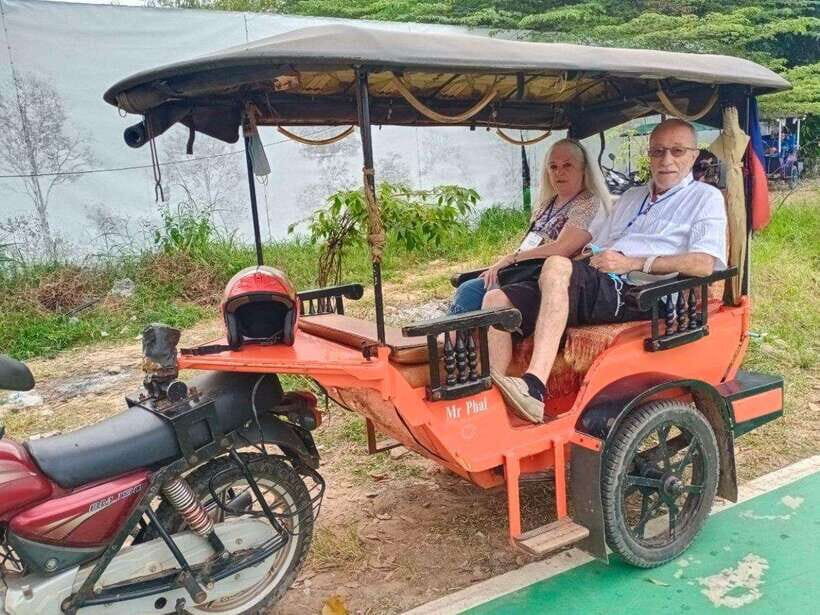
Let’s talk value. The price is listed as $15 per person for a 7-hour day in a private tuk-tuk setup. You also get hotel pickup and drop-off, round-trip private transfer, chilled bottled water, and an English-speaking driver.
That’s the core value: transport + time + language support.
Now the budget reality. Temple entry tickets are not included, and food and soft drinks are not included. Also, the listing notes that an inside-temple guide is not included (even though an English-speaking tour guide may be included depending on the selected package).
So the smart way to think about cost is this:
- You’re paying for access logistics and guided flow across key sites.
- You still need to budget for the temple pass and your own meals.
For many people, that still lands as good value, especially because the tuk-tuk and driver reduce wasted time between stops. At Angkor, time is part of what you buy.
Who should book this tuk-tuk Angkor day
This tour fits best if you want:
- A private-feeling day with an English-speaking driver who can answer questions as you go
- The flexibility to choose sunrise or sunset and adjust the pace
- A route that includes major sites plus stops that don’t feel like filler
It’s also a smart pick if you’ve already done Angkor once and you want a second pass that feels calmer. The format makes it easier to slow down and focus on what you care about—architecture, carvings, or the jungle-temple contrast—rather than forcing you to see everything again from scratch.
If you want a very scripted, every-step guide-only experience with a guide inside every temple, this may not be your best match. The tour is built around driver-led context and guided sightseeing, with temple entry handled separately.
Should you book it?
I’d book this if your priority is a well-paced day that keeps decisions in your hands: sunrise or sunset timing, flexible start and end, and a route that hits Angkor Wat, Angkor Thom, Ta Prohm, and more without dragging your feet.
I wouldn’t book it if you’re hoping for fully included temple logistics plus meals plus a guide inside every temple. The tour covers the movement and the main storytelling, but you’ll need to handle temple tickets and your own food.
If you want an Angkor day that feels practical, personal, and not overly rigid, this is a solid option.
FAQ
How long is the Angkor Wat tour?
The tour duration is 7 hours.
Does the price include temple entry tickets?
No. Angkor Archaeological Park entry ticket costs are not included. You purchase the pass on the official site: https://www.angkorenterprise.gov.kh/
Is pickup and drop-off included?
Yes. Hotel pickup and drop-off are included, and the exact pickup time depends on your hotel’s location.
What language support do I get?
The driver is English-speaking. The tour also mentions an English-speaking tour guide depending on your selected package.
Is this a private tour?
It’s described as a private tour with a private tuk-tuk and private round-trip transfer. It’s also limited to a small group (up to 15 participants).
Do I have to choose sunrise or sunset in advance?
You can visit sunrise or sunset, and there’s an optional route for sunset without extra charge. Your start time and timing can be adjusted.
Is food included?
No. Food and soft drinks are not included. Chilled bottled water is included.