Angkor Wat looks different before most people wake up. This small-group sunrise outing is built around cool morning light and a tight run through four major temple stops, including Angkor Wat at first light. You also get a local English guide who ties the carvings to the stories behind the site.
I love the small group size (max 10), because it makes photo stops and questions feel easy, not rushed. I also love the practical touch of cold water and a cold towel after the temples, plus air-conditioned transport when you need a break.
One possible drawback: the $39 price does not include temple admission, and you skip meals. So you’ll want to plan for tickets and bring snacks or budget for lunch on your own.
In This Review
- Key things to know before you go
- A 4:30 a.m. start that actually pays off at Angkor Wat
- Price and logistics: what $39 covers (and what you must add)
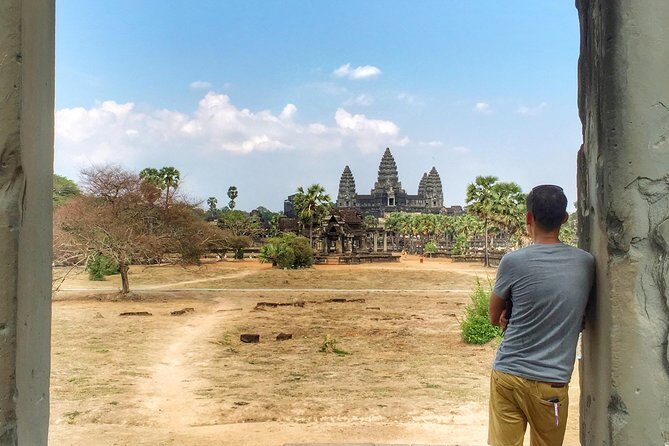
- Angkor Wat sunrise: Vishnu stories, UNESCO scale, and photo positioning
- Bayon and South Gate of Angkor Thom: 54 towers, 216 faces, one guided route
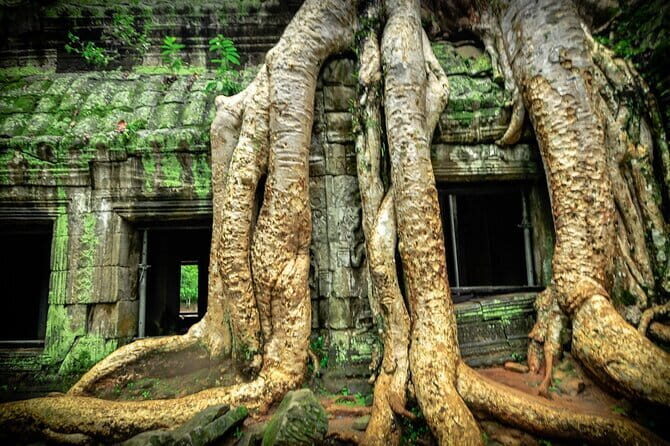
- Ta Prohm wrapped in fig trees: the ruin that looks like a movie set
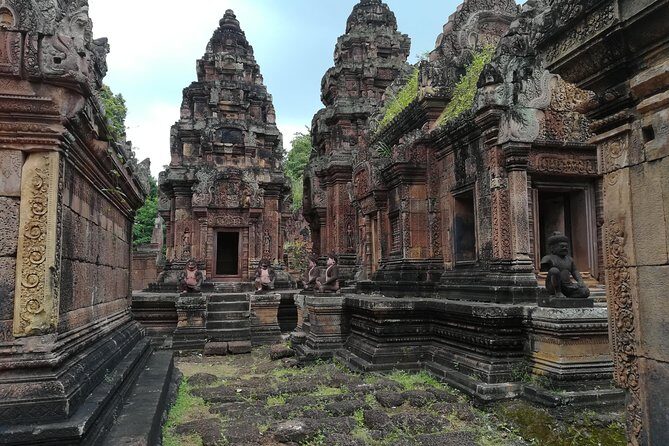
- Banteay Kdei: a quieter end with a monastic feel
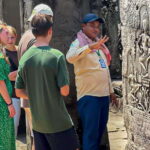
- How the guide experience shapes the whole day
- Getting the most out of sunrise without suffering
- Who this tour fits best
- Should you book the Angkor Wat Sunrise Small Group Experience?
- FAQ
- What time does the tour start?
- Where does pickup happen?
- How long is the experience?
- Which temples are included?
- Are temple admission tickets included in the price?
- Are meals included?
- Can I cancel for a full refund?
Key things to know before you go
- Sunrise timing starts early: hotel pickup is around 4:45 a.m., so expect a real alarm clock moment.
- Tickets are not included: Angkor Wat and the other temple admissions are on you.
- Four temples, one flow: Angkor Wat, Bayon, Ta Prohm, then Banteay Kdei in one day.
- Photo help is part of the plan: your guide finds a good spot for photos inside Angkor Wat.
- Cold water and towels: the tour keeps you hydrated and resets you after walking around ruins.
- Guide personalities matter: names you might get include Sen, Sam, and Vuthy, and multiple guides are praised for humor and good English.
A 4:30 a.m. start that actually pays off at Angkor Wat
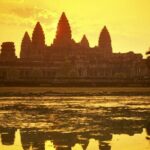
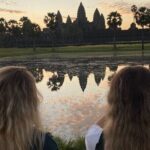
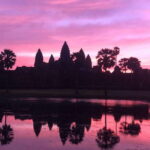
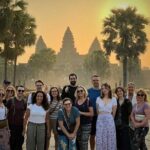
This tour is all about timing. Starting in the dark means you see Angkor Wat when the grounds feel calm and the air is more comfortable than later in the day. Sunrise also gives the stone a softer look for photos, and you’re more likely to catch that layered mood: jungle shadows, silhouettes of carvings, then the sky turning gold.
The other big win is how the day stays structured. You’re not spending your time guessing where to stand or who has the best photo angles. Your guide moves you from stop to stop with a clear rhythm: first light at Angkor Wat, then the faces of Bayon, the tree-wrapped drama of Ta Prohm, and finally a quieter monastic complex at Banteay Kdei.
If you dislike early mornings, this is still doable because it’s a one-time push. You get a full day of temples in one go, and you’re back before the evening crowds really roll in.
A few more Siem Reap tours and experiences worth a look

Price and logistics: what $39 covers (and what you must add)
For $39, you’re paying for the essentials that make temple days less stressful: an air-conditioned vehicle, an English tour guide, and cold water plus cold towels during the outing. That matters in Siem Reap, where you’ll be sweating and walking, and air-conditioning is not a luxury here, it’s a reset.
What’s not included is just as important. Angkor Wat ticket (and other temple admissions) are not included, and there are no meals listed (no breakfast, lunch, or dinner). So your true day cost will depend on how you handle tickets and food.
My practical take: this is good value if you want less hassle. You’re not just being dropped at a gate; you’re getting a plan, a guide, and transport. If you’re comfortable figuring everything out on your own, you might spend less by DIY. But for most first-timers, paying for a guided, timed route is what keeps the day enjoyable instead of chaotic.
Angkor Wat sunrise: Vishnu stories, UNESCO scale, and photo positioning
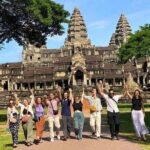
Angkor Wat is the headline, and the tour treats it like the headline. You’re picked up around 4:45 a.m., then you watch sunrise from within the temple area. This is where you’ll feel the payoff of starting early: fewer distractions, cooler conditions, and the kind of hush that makes those massive towers seem even more unreal.
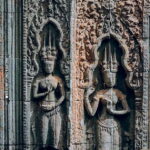
During this stop, your guide brings in the religious layer. You learn about the Hindu god Vishnu, and how the site fits into Cambodia’s broader religious history and cultural influences. Angkor Wat was built under Khmer King Soryavaraman II, and the guide helps you connect the artwork and layout to the beliefs behind it. Even if you don’t become a temple-scholar overnight, you’ll still walk away with a clearer sense of what you’re looking at.
The practical part: you’re guided to a good photo location inside Angkor Wat. That’s a big deal because the temple grounds can feel like a maze if you’re not sure where the best viewpoints are. Photo help also reduces time spent wandering just to get a decent angle.
How long is this stop? About 3 hours here. That includes sunrise viewing time plus guided exploration after the light show. One tip: wear shoes that don’t hate stone. You’ll be walking a lot, and the early hour can make people underestimate how much movement is still coming.
Bayon and South Gate of Angkor Thom: 54 towers, 216 faces, one guided route
After Angkor Wat, the tour heads to Bayon through the South Gate of Angkor Thom. This transition matters because it sets the scene. Angkor Thom feels like its own world—big gates, major walls, and a sense of arrival—before you enter the heart of Bayon.
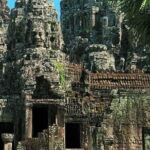
Bayon is the temple stop where the story turns visual. The famous feature is the 54 towers topped with 216 faces of Avalokesvara (often written as Avalokiteshvara). Your guide explains how the imagery works and what it likely meant in the context of the reign of King Jayavaraman VII. The tour keeps the focus on understanding rather than just walking past carvings, and that helps the place click in your head.
Expect about 2 hours at this stop. It’s long enough to take photos, soak in the face towers from different angles, and still get explanations without feeling trapped in one exact spot. If you’re short on stamina, this is still manageable because Bayon’s most iconic views are very walkable once you’re inside the main area.
One consideration: because Bayon’s faces are everywhere, it can be easy to over-photo. Try to slow down. Pick one or two angles that best show the faces and towers, then spend a few minutes just watching how the light changes on the stone.
Ta Prohm wrapped in fig trees: the ruin that looks like a movie set
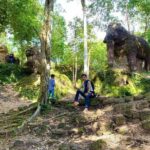
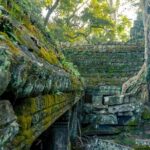
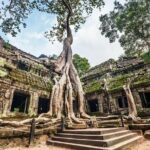
Ta Prohm is the stop most people picture when they think of Angkor. The defining feature is simple: enormous fig trees that embrace the ruins. Your guide shows you this in context, including why the temple remains in a condition similar to how it was found.
This is also where you get one of the best “wow, wow, wow” contrasts in the day. One moment you’re reading stone symbols and kingly history. The next you’re seeing how nature and architecture collide. Giant roots crawl into doorways and over stone, and the whole place feels like it’s breathing.
Expect about 2 hours here. It’s enough time to walk the paths slowly, take the iconic tree-and-stone photos, and still hear the key facts your guide points out.
A small drawback to flag: this stop can feel crowded in the sense that the photo spots are popular and people want the same angles. That’s exactly why the small-group approach helps. When you’re not stuck with a large crowd, it’s easier to get your turns and keep moving when you want.

Banteay Kdei: a quieter end with a monastic feel
The day finishes at Banteay Kdei, a temple that leans calmer than the headline attractions. It was built under King Jayavaraman VII across the late 12th to early 13th centuries, and it’s described as a largely non-restored monastic complex in a style similar to Ta Prohm.
This stop is only about 1 hour, so it’s not a deep linger. Still, it’s valuable because it changes the texture of your day. Instead of one landmark image screaming for attention, Banteay Kdei gives you a more grounded, monastery-like sense of the place.
If you’ve been focusing hard on photos all morning, this final stop can feel like a breath. You have enough time to see the main features, walk the central areas, and end with a quieter, more contemplative vibe than you got at Bayon or Ta Prohm.
How the guide experience shapes the whole day
Good temples are great. Great guiding makes them click.
In the best cases, your guide turns the carvings into stories you can actually hold onto: Vishnu’s religious role at Angkor Wat, the meaning behind Avalokesvara faces at Bayon, and why Ta Prohm still looks so raw with trees taking over. You’ll hear the names Soryavaraman II and Jayavaraman VII more than once, and those names start to anchor the buildings in time.
You may also get guide personalities that are more than just “walk and talk.” Names that come up include Sen, Sam, Vuthy, and Thourn. The common theme is that guides aim for humor, good pacing, and photo assistance. Even the driver support gets praised, with people mentioning Mr Lucky and James for keeping things comfortable and keeping everyone hydrated.
This matters because you’re up early. When you can tell your guide is keeping the group moving and not wasting energy, the day feels smoother.
Getting the most out of sunrise without suffering
This tour is designed around sunrise. That’s what makes it special, and also what makes it hard for anyone who’s not used to early starts.
To enjoy it, prepare for three things:
1) Sleep smart the night before. You don’t need a perfect sleep, but you do need a plan so the morning doesn’t feel like punishment.
2) Protect yourself from the elements. The tour mentions temperate weather and a calm atmosphere at sunrise, which helps, but you’ll still be outside for hours.
3) Think about your energy. The schedule is packed: four major sites in one outing. If you’re the type who needs long breaks, you might find the pacing a bit brisk.
The good news: because the tour includes cold water and cold towels, you get small “recovery moments” right when you need them most. Also, air-conditioned transport gives your body a real reset between stops.
Who this tour fits best
This Angkor Wat sunrise small-group experience fits best if:
- You want a structured day that covers multiple big temples without you planning every minute
- You care about photos and want help finding good angles inside Angkor Wat
- You like the idea of temple explanations tied to religion and history, not just dates
- You prefer a maximum 10-person group for a calmer feel
If you’re traveling with someone who hates early mornings, you can still make the call, but you should be honest about the timing. If you already love DIY and have temple tickets sorted, you might not need a guide for the route. Still, the photo positioning and storytelling can be the difference between seeing ruins and understanding them.
Should you book the Angkor Wat Sunrise Small Group Experience?
If you’re weighing whether to spend money on a guided route, my advice is yes, with one clear condition: budget for temple tickets and plan your food.
Book it if you want:
- UNESCO World Heritage Site time at Angkor Wat with sunrise calm
- A guide-led route through Angkor Wat, Bayon, Ta Prohm, and Banteay Kdei
- A small group that keeps the day manageable
- Comfort features like AC transport, cold water, and cold towels
Skip or reconsider if:
- You’re trying to travel as cheaply as possible and don’t mind figuring out everything yourself
- You need meals included in your tour price
- You’re extremely sensitive to early wake-ups
Overall, this is the kind of tour that respects your time. You trade a bit of sleep for cooler air, better light, and a day that actually flows.
FAQ
What time does the tour start?
The start time is listed as 4:30 a.m., and hotel pickup is described as happening around 4:45 a.m.
Where does pickup happen?
Pickup is offered from your hotel in Siem Reap.
How long is the experience?
It runs for about 8 hours (approx.).
Which temples are included?
You’ll visit Angkor Wat, Bayon (at the South Gate of Angkor Thom and central Angkor Thom), Ta Prohm, and Banteay Kdei.
Are temple admission tickets included in the price?
No. The Angkor Wat ticket is not included, and admissions for the other sites are also not included.
Are meals included?
No meals are included. Breakfast, lunch, and dinner are listed as not included.
Can I cancel for a full refund?
Yes. Free cancellation is available, and you can cancel up to 24 hours in advance for a full refund.