REVIEW · SIEM REAP
Bakong Temples & Floating Village Tour
Book on Viator →Operated by Easy Angkor Trip · Bookable on Viator
Temples and water villages in one day. Bakong makes this tour special because it’s the first temple-mountain of the Khmer Empire, a prototype for later giants like Angkor Wat, and you’ll also get a front-row look at how life works on Tonle Sap at Kampong Phluk. I love the way the day mixes carved stone meaning (moats, enclosing walls, and a naga causeway) with real-world daily routines on the water.
My other favorite part is the human side: you don’t just view the village from a distance, you see how the community builds schools and shops into its floating infrastructure that shifts with the seasons. One drawback to plan around is that some key admission fees are not included, and weather can change how comfortable the floating village portion feels.
In This Review
- Key things I’d watch for before you go
- Bakong Temple: Why This “Prototype” Changes How You See Angkor
- Lolei and Preah Ko: A Gentle Warm-Up (and When Fees Show Up)
- Prasat Bakong: Mount Meru Math, Stone Guardians, and the Naga Causeway
- Kampong Phluk Floating Village: Tonle Sap Life on Water and Stilts
- Price and Tickets: Is $45 Worth It?
- The Guide Experience: What Makes the Day Click Fast
- Timing, Comfort, and Weather: Small Prep, Big Payoff
- Who This Tour Fits Best (and Who Might Want Another Option)
- Should You Book This Bakong and Floating Village Tour?
- FAQ
- What is the price for this tour?
- How long does the tour take?
- Where does the tour take place?
- What’s included in the price?
- Are admission fees included?
- Is a boat ride included?
- What’s the tour schedule?
- Is it a group tour or private?
- What is the cancellation policy?
Key things I’d watch for before you go
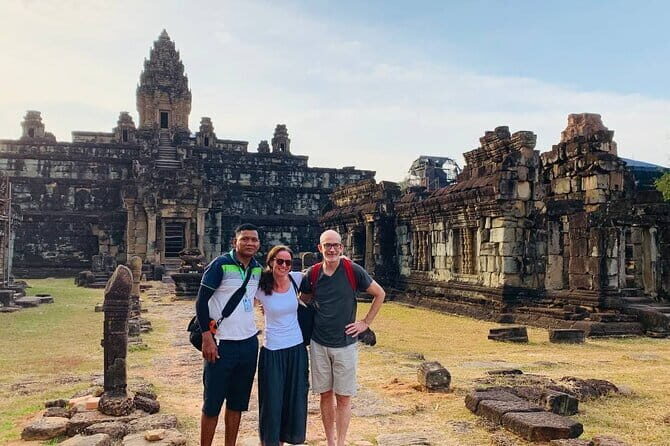
- Bakong’s prototype layout: Mount Meru symbolism with moats and enclosing walls, plus early Khmer architectural flourishes
- Two temple vibes in a row: Lolei and Preah Ko set the stage before you spend time at Bakong
- Kampong Phluk on Tonle Sap: a community that adapts as water levels rise and fall
- Floating vs. stilt housing: you’ll notice how some structures float and others stay high during the dry season
- Guide-driven storytelling: a good English guide makes the temple details and daily village life click
Bakong Temple: Why This “Prototype” Changes How You See Angkor
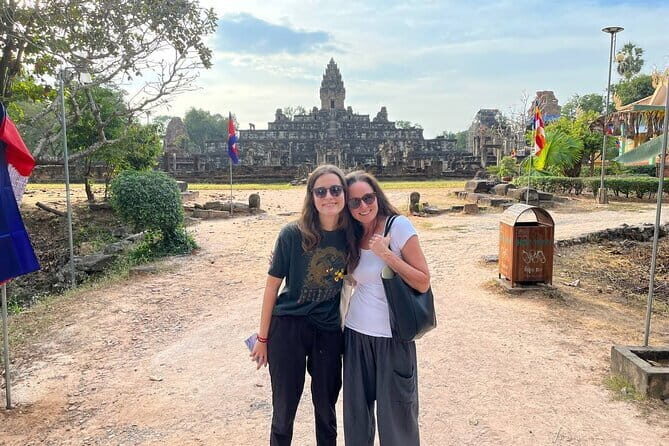
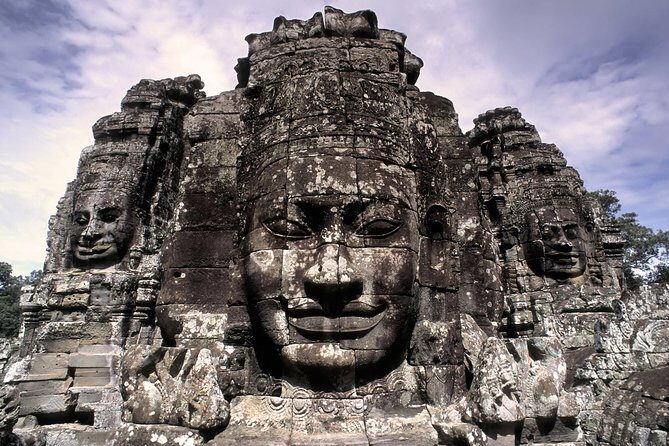
Bakong isn’t just another stop in the Angkor area. It’s considered the first temple-mountain of the Khmer Empire—basically a design blueprint that later Khmer rulers refined in bigger, more famous temples. If you’ve ever looked at Angkor Wat and wondered where that style came from, Bakong gives you the starting point.
What makes Bakong memorable is the clear geometry. The temple is a five-tiered sandstone pyramid, built to represent Mount Meru, the sacred mountain in Khmer cosmology. You can see that idea in the surrounding moats and enclosing walls, which make the temple feel like a crafted world of its own rather than a random collection of buildings.
I also like that Bakong doesn’t rely only on size. The lower levels preserve large stone guardian statues of elephants and lions, which add personality and a little drama as you walk the grounds. If you pay attention to these details, the whole place feels less like a photo stop and more like a story you can actually follow at walking speed.
You can also read our reviews of more tours and experiences in Siem Reap.
Lolei and Preah Ko: A Gentle Warm-Up (and When Fees Show Up)
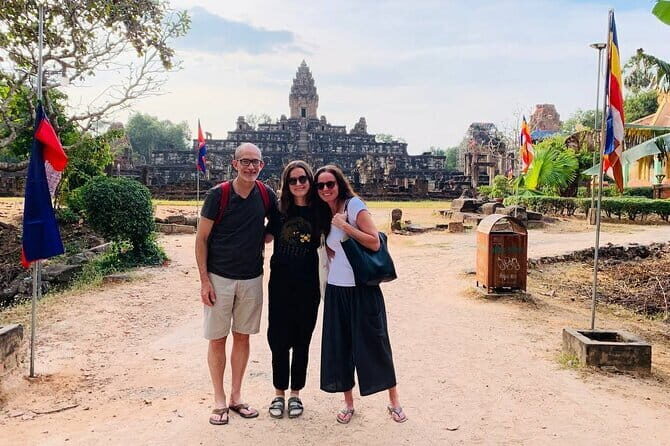
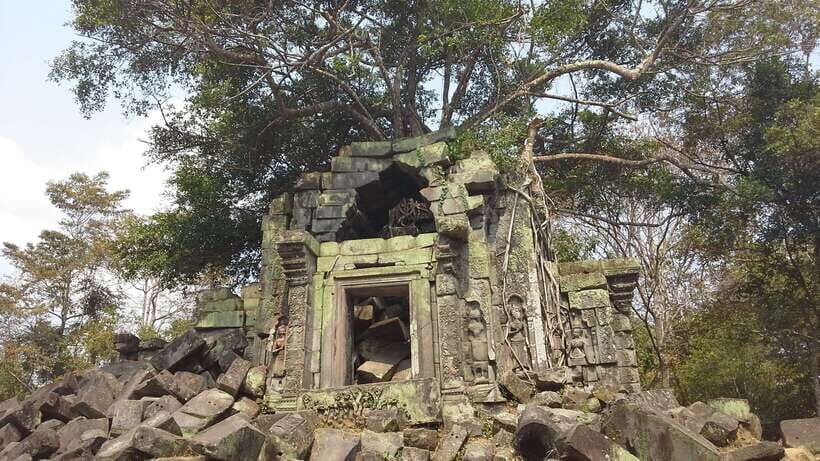
Before you hit Bakong in depth, the tour starts with two temple stops from the Roluos group. Lolei is the northernmost temple in this group, and it dates to the late 9th century Hindu temple era (the same general time window as the other Roluos temples). You’ll have about an hour here, and it’s listed as having an admission fee not included in the tour price.
Then you move to Preah Ko. This one is a key historical note because it was the first temple built in the defunct city of Hariharalaya, about 15 kilometers southeast of the main Angkor temple zone. The nice thing: Preah Ko is listed as free for this tour.
Why I think this pairing works: it gives you variety without tiring you out. Lolei can feel like a more relaxed opening before you get into the structural symbolism at Bakong. Preah Ko then anchors the day in a specific Khmer city story, so when Bakong’s meaning starts clicking, it feels earned.
Practical consideration: because Lolei’s admission is not included, it’s smart to carry cash or have a plan for quick payments the day of the tour. That way you avoid the awkward scramble at the gate.
Prasat Bakong: Mount Meru Math, Stone Guardians, and the Naga Causeway
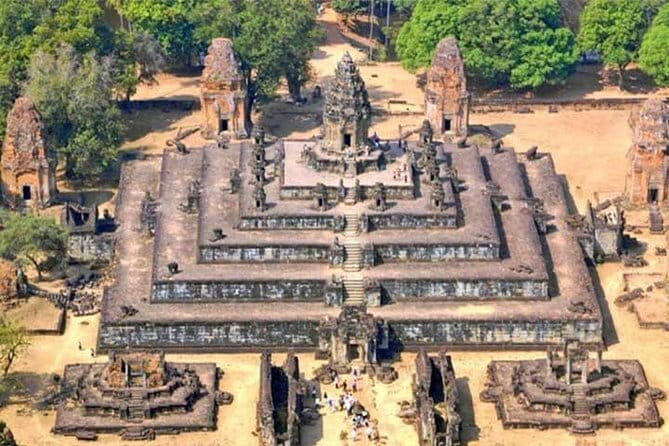
The heart of the experience is Prasat Bakong, where you spend about two hours. Bakong was built in 881 AD under King Indravarman I, and that date matters because you’re looking at very early Khmer temple-mountain engineering at Angkor.
Plan to walk a bit slowly here. The temple’s five tiers aren’t just stacked for height; they’re arranged so the structure reads like a climb toward the sacred center. As you move, watch for how the surrounding moats and enclosing walls guide your eye, making the temple feel like it’s been planned with intention rather than simply built.
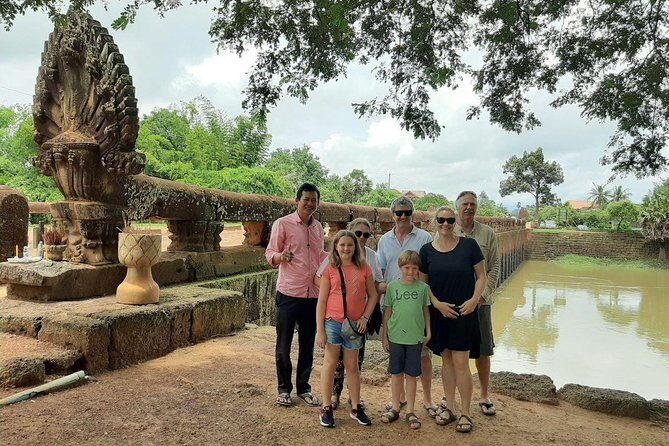
One detail I’d never skip if you care about architecture: Bakong is noted for an early Naga causeway in Khmer architecture. A naga causeway is connected to the serpent imagery used in Khmer art and sacred symbolism. Even if you don’t know all the terms, you’ll notice the decorative and structural role of these carved elements once you’re looking for them.
And then there’s the guardian sculpture work. Those preserved stone elephants and lions on the lower levels aren’t just decoration—they add scale and emotion. Lions tend to feel fierce and watchful; elephants can feel solid and grounded. Seeing both makes Bakong’s spiritual message feel more “human,” not just ceremonial.
Good to know: Bakong’s admission is listed as free in this itinerary. That helps keep the day’s overall cost from ballooning—assuming you’ve already planned for any fees at the other stops.
Kampong Phluk Floating Village: Tonle Sap Life on Water and Stilts
After temples, the day shifts to Tonle Sap Lake via the Kampong Phluk Floating Village. Expect about three hours here, and the village visit is listed as having an admission fee not included.
Tonle Sap is the kind of place where “how it looks” and “how people live” are inseparable. This is a large lake across multiple provinces, and the defining detail is seasonal water level change. The floating village community has built its infrastructure around that reality, so the village doesn’t feel frozen in one moment—it adapts.
What you’ll notice right away is that Kampong Phluk isn’t just houses bobbing on water. It’s a full community structure: homes, schools, and shops. That matters because it means you’re not just sightseeing. You’re seeing how people solve everyday needs in a living environment.
Look for the two main construction styles:
- Floating structures that rise and fall with water
- Stilt-based buildings that sit higher up, especially useful when water drops in the dry season
A boat ride is part of the journey to the village area, and it helps you understand the scale of the place. The ride along the river gives you context before you reach the densest sections.
One honest note: if weather turns, the floating village portion can feel tougher. If the skies aren’t great, expect less comfortable time on the water and more slippery surfaces around docks.
Price and Tickets: Is $45 Worth It?
The tour price is $45 per person, and it includes a lot of real logistics: an English-speaking guide, pickup and drop-off, cold drinking water, and an air-conditioned vehicle. For a 6 to 8 hour day that covers multiple stops, those basics already add value—especially in Siem Reap, where travel time can eat up your day fast if you do everything solo.
Where you need to be sharp is admissions. This tour lists that some entry fees are not included, including Lolei and Kampong Phluk. It also notes an Angkor Pass fee amount of $37 per person under the pass. Preah Ko and Prasat Bakong are listed as free for this itinerary.
So how do you judge value?
- If you’re paying separately for Lolei and Kampong Phluk anyway, this $45 price can feel reasonable because the guide + vehicle + pickup are bundled.
- If you already have your own entry coverage for the paid sites, you’ll feel the value even more.
My advice: before you go, confirm what you’ll personally need to pay on the day, then budget for it. That way the day stays smooth rather than turning into a series of pay-at-the-gate moments.
The Guide Experience: What Makes the Day Click Fast
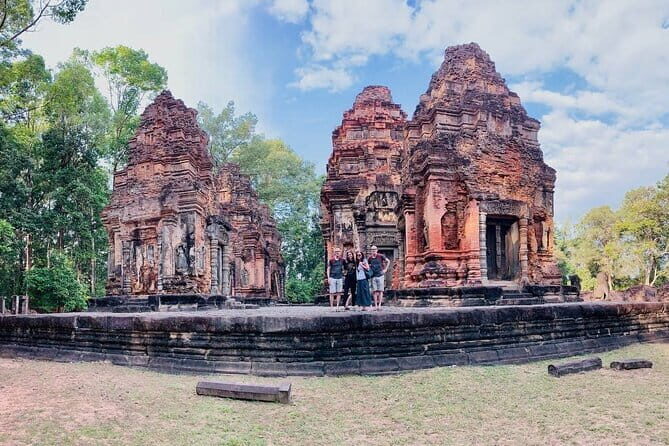
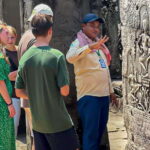
A good guide turns both temple stone and floating village life into something you can interpret. In this style of tour, you’re not just walking around—you’re getting explanations that connect Khmer architecture with how the community lives now.
On days guided by people like Mr Oun Kosorl or Mr K, the storytelling tends to focus on two things: clarity and charm. One of the standout points from guides is how they connect temple meaning (like Mount Meru symbolism) to physical features you can actually see. When you understand why moats and enclosing walls matter, you start noticing them instead of treating them like scenery.
For Kampong Phluk, the most useful guides help you shift from “floating village as an attraction” to “floating village as infrastructure.” You’ll get context on how the community built schools and shops into water-adapted design. Even when parts of the daily life are hard to watch, a good guide keeps the conversation respectful and grounded.
If you want a strong day, ask your guide—right at the start—what they consider the most important thing to notice at each stop. Then follow their eyes. It’s the fastest way to get more out of the limited time.
Timing, Comfort, and Weather: Small Prep, Big Payoff
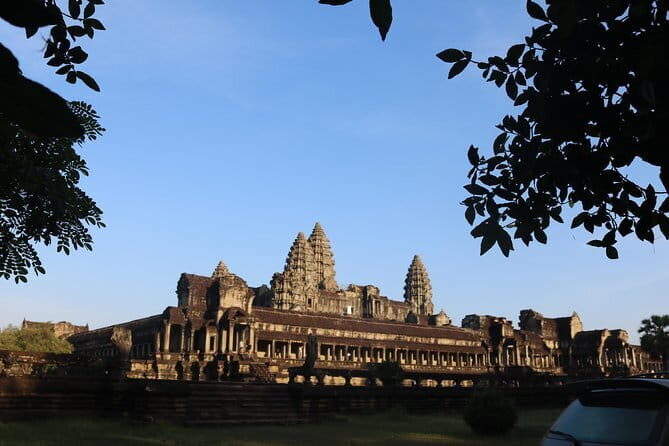
This tour runs about 6 to 8 hours, and it combines walking at temples with time near docks for the floating village. That means your comfort matters more than you’d think.
Bring:
- Comfortable walking shoes with grip
- A light rain layer or poncho (weather can be unpredictable)
- Sun protection for temple time
- A way to keep your phone dry during boat and dock moments
For the floating village, movement can be uneven. Even if the tour is well-run, water areas don’t behave like smooth sidewalks. If you’re prone to slipping, take extra care.
Also, because the itinerary includes a free temple stop (Preah Ko) and another free temple stop (Bakong), the paid ones (Lolei and Kampong Phluk) can feel like the main “cost moments.” Plan your energy around that flow—don’t treat the day as one long museum march.
Who This Tour Fits Best (and Who Might Want Another Option)
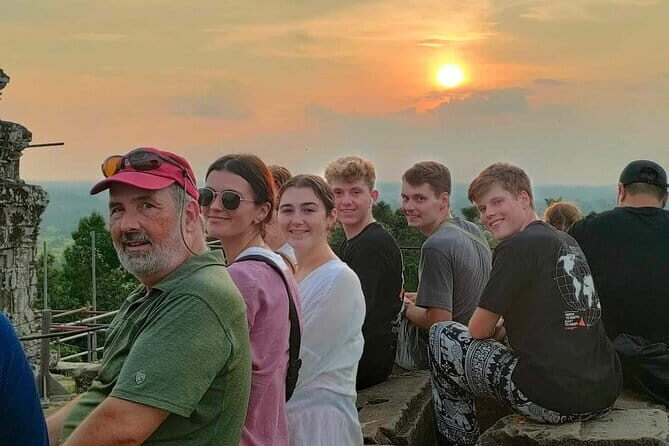
This is a strong fit if you want a well-paced “Temples plus real life” combo without having to organize anything yourself. The pickup and drop-off make it practical, and the mix of architecture and community infrastructure keeps the day from feeling one-note.
You’ll likely enjoy it if:
- You like Angkor-area temples but also want a change of pace afterward
- You care about how people live with their environment, not just monuments
- You prefer a guided format over self-driving and guessing your way between stops
It may be less ideal if:
- You’re very price-sensitive and want zero surprise fees
- You dislike boats or uncertain dock conditions
- You expect the floating village visit to be only uplifting and carefree—this is real daily life in a challenging setting, even when people remain positive
Should You Book This Bakong and Floating Village Tour?
Yes, if you’re looking for a balanced day in Siem Reap that connects Khmer temple design to how communities adapt to Tonle Sap’s water cycles. The biggest reasons to book are Bakong’s unique prototype status and the fact that the floating village visit focuses on real community infrastructure, not just a quick pass-by.
Book it especially if you value guidance that helps you read what you’re seeing—stone guardians at Bakong, Mount Meru symbolism, and the practical design logic behind floating and stilt houses. Just go in with your budget ready for extra admissions at the paid stops, and bring gear for weather.
FAQ
What is the price for this tour?
The tour costs $45.00 per person.
How long does the tour take?
It runs about 6 to 8 hours.
Where does the tour take place?
The tour is in Siem Reap, Cambodia, with stops in the Angkor area and a visit to Kampong Phluk.
What’s included in the price?
Included are an English-speaking tour guide, pickup and drop-off, cold drinking water, and an air-conditioned vehicle.
Are admission fees included?
No. Admission fees are not included for Lolei and Kampong Phluk. Preah Ko and Prasat Bakong are listed as free for this itinerary. The tour notes an Angkor Pass-related admission fee of $37.00 per person for the Under of Angkor Pass.
Is a boat ride included?
The route to the floating village involves travel by boat along the river.
What’s the tour schedule?
You’ll visit Lolei first, then Preah Ko, then Prasat Bakong, and finish at Kampong Phluk Floating Village.
Is it a group tour or private?
It’s described as private, meaning only your group participates.
What is the cancellation policy?
You can cancel for free up to 24 hours in advance for a full refund. Changes within 24 hours aren’t accepted.