REVIEW · SIEM REAP
Full Day Angkor Complex by Tuk Tuk – (Optional Sunrise)
Book on Viator →Operated by Hidden Angkor Tour · Bookable on Viator
If 4:30 AM sounds intense, good. This tour is built around the sunrise rhythm at Angkor Wat, then keeps moving through the Angkor complex in a way that feels personal (not like a cattle call). I like the private tuk tuk setup with an English-speaking guide, plus the practical comfort add-ons like cool water and a cool wet towel during the long day. One consideration: the big Angkor entrance pass is not included, so your total cost will be higher once you buy the ticket.
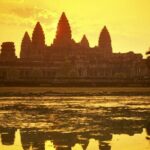
You’ll also get a smart, photo-friendly route: Angkor Wat for the iconic temple silhouette, then Ta Prohm’s tree-in-temple feel, followed by the Angkor Thom circuit (Victory Gate, Terrace of Elephants, and more) ending at Bayon. The early start is real, but the payoff is a calmer, more magical atmosphere at the first stop—especially before the day heats up and crowds thicken.
In This Review
- What I’d focus on before you go
- Price and logistics: what you pay for, and what you should budget
- The 4:30 AM sunrise start: worth it, even if you’re not a morning person
- Entering Angkor Wat: what you’ll actually spend your time on
- Ta Prohm: the tree-in-temple stop that earns its fame
- Angkor Thom route: Victory Gate to Bayon, in a logical flow
- Victory Gate: a slightly less-constant photo moment
- Terrace of the Elephants: where rulers watched victory from above
- Phimeanakas: the celestial temple alignment
- Baphuon: the best view option comes with a dress code
- Bayon Temple: the stop that closes the loop
- How the tuk tuk changes your day (and when it won’t)
- Comfort details that actually help on a long temple day
- Is it good value? A realistic cost check
- Who should book this Angkor tuk tuk day
- Should you book Full Day Angkor Complex by Tuk Tuk?
- FAQ
- What time does the tour start for sunrise?
- Is the sunrise optional?
- Are Angkor entrance tickets included?
- How long is the full day tour?
- What’s included in the $60 price?
- Where do you eat breakfast and lunch?
- Do I need to buy the pass at the ticket booth?
- What’s the dress code for temples like Baphuon?
- Is this tour private?
- Can I cancel if my plans change?
What I’d focus on before you go
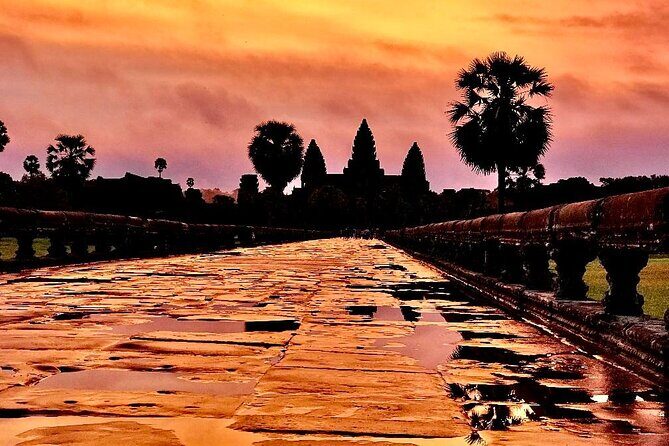
- Sunrise at Angkor Wat (if you choose it): you’re starting very early to catch the light when the temple feels at its most cinematic
- Private tuk tuk convenience: you’re not stuck with a rigid bus schedule, and you can take breaks between temple zones
- Photo-ready stops planned by sequence: Ta Prohm and Bayon are timed as anchor moments in the day
- Angkor pass is extra but straightforward: budget $37 USD per person for entry to the Angkor Archaeological Park
- Respectful dress matters: some temples have strict rules, especially around covered shoulders and knees
- Small-comfort upgrades help: cool water and cool wet towel on the road make a difference for a long day
Price and logistics: what you pay for, and what you should budget
This tour costs $60 per person and runs about 8 to 9 hours. That price covers the tour itself: a professional English-speaking guide, transport by open-air tuk tuk, plus cool water and a cool wet towel, and the usual taxes/service charges.
But the most important number to plan for is the Angkor Archaeological site entrance pass, which is not included. The pass is $37 USD per person (payable in US dollars) and gives access to the sights in and around Angkor. If you want maximum flexibility, there are also one-day up to seven-day entry options at the main gate. You’ll need to buy this at the ticket booth/main gate, and the pass should be visible during your visit.
Meals are another thing to budget for. The day includes breakfast and lunch at local restaurants in the Angkor area, but the tour’s included list does not claim meals are covered. So expect to pay for your food on the day unless your booking says otherwise.
One more practical point: this is a private tour/activity, meaning it’s only your group. That usually makes the early start easier on your schedule, because you’re not waiting on other parties.
A few more Siem Reap tours and experiences worth a look

The 4:30 AM sunrise start: worth it, even if you’re not a morning person
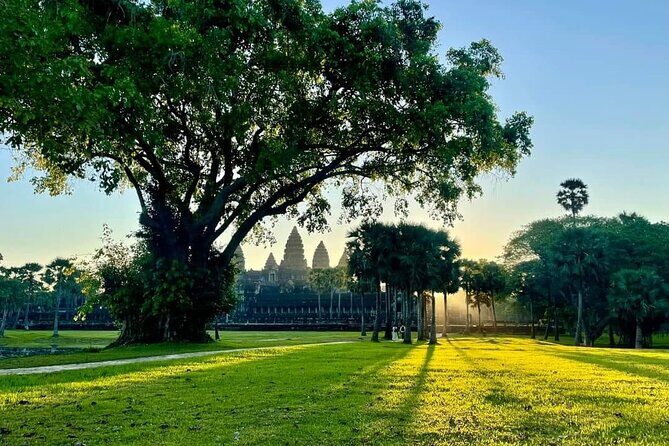
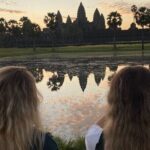
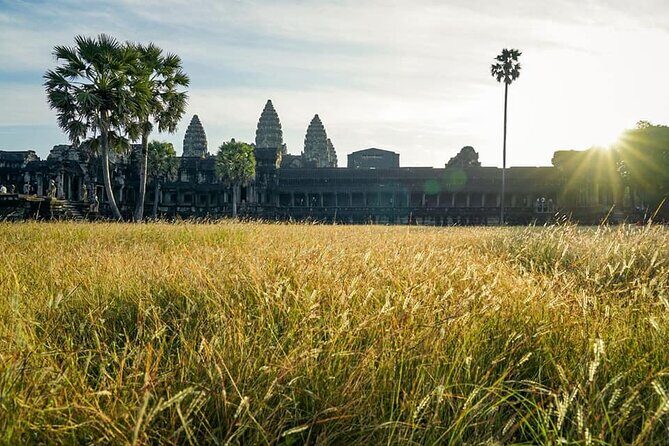
The day is structured around a very early departure at about 4:30 AM to experience sunrise at Angkor Wat. Even if you’re worried about sleep, this timing is the whole idea. Angkor Wat is the main stage temple, and sunrise light tends to look best before the heat and crowd energy spike.
You’ll also have some built-in pacing. The plan allows about 2 hours at Angkor Wat. That’s enough time to see the main viewpoints, take photos without rushing, and still move on to the next temple before the day gets sticky.
If you’re truly not into sunrise, the tour name includes optional sunrise. Since the itinerary you’re given is sunrise-first, your best move is to confirm what happens if you skip it—timing can change, but the operator should be able to explain your alternate start plan.
Entering Angkor Wat: what you’ll actually spend your time on
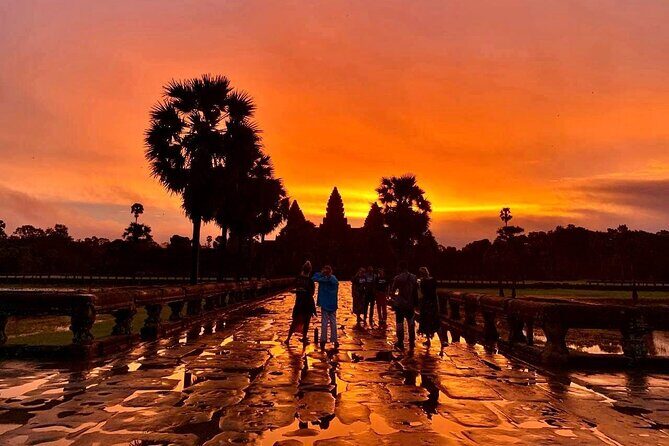
Angkor Wat is a “big” place in every sense. You’re not just walking to one photo spot and leaving—you’re exploring a temple-city built around symbolism and geometry.
Here’s what makes your visit especially worth that early start:
- Architecture you can read slowly: the layout follows Hindu cosmology ideas (Mount Meru and surrounding seas/continents), and you’ll notice the deliberate structure as you move around
- Bas-reliefs with stories: the carvings include Khmer epics and myth scenes
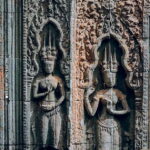
- The iconic towers and galleries: those famous five towers sit within a web of galleries and courtyards, with celestial apsara stone figures showing up as you explore
You’ll start with a ticket step at the booth/main gate to get your Angkor pass processed, then travel into the temple area. One useful detail from past guests: arriving with a buffer time matters. Many tours here aim to get you there before sunrise fully hits, so you have a few quiet minutes to get oriented before the light shifts.
What to watch for: wear footwear you don’t mind walking in at dawn, and plan to keep your phone/camera protected from moisture. Angkor conditions can be rough on electronics, so take the operator’s advice seriously: wrap and protect your devices from natural elements.
Ta Prohm: the tree-in-temple stop that earns its fame
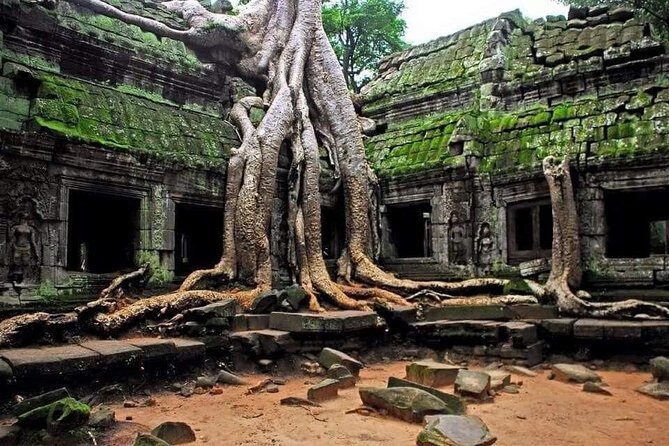
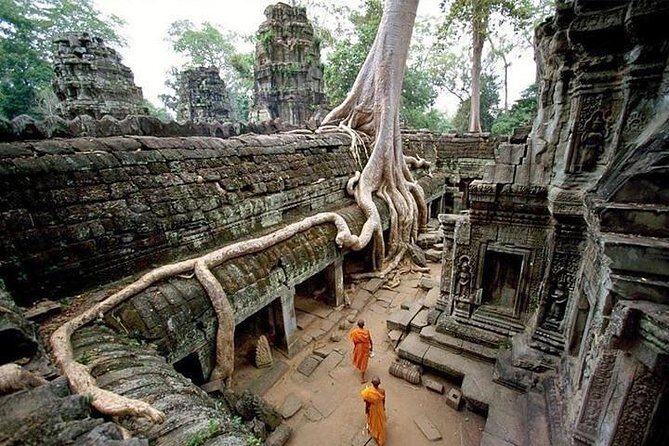
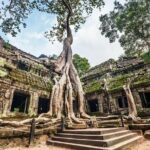
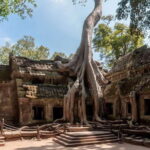
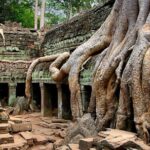
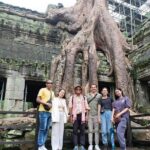
After Angkor Wat, you head to Ta Prohm Temple. This is the stop most people remember later, because the jungle has partially reclaimed it. The result is that classic “tree-in-temple” look, where roots and stone architecture tangle together in a way that feels both ancient and alive.
You get about 1 hour here, and that’s a practical amount of time. Long enough to:
- take photos from several angles (and find spots where the framing works)
- enjoy the atmosphere without feeling locked into a rushing line
This stop is also where you’ll likely sweat more. It’s not just sightseeing—it’s sightseeing in an active environment where moss, shade, and uneven ground can slow you down.
Tip that matters: keep an eye on footwear and balance. Ta Prohm can be slippery and uneven in places. And if you’re photographing, remember that electronics and moisture don’t mix. Use protection.
Lunch follows at a local restaurant in the Angkor area. Again, meals aren’t listed as included, so plan to pay there.
Angkor Thom route: Victory Gate to Bayon, in a logical flow
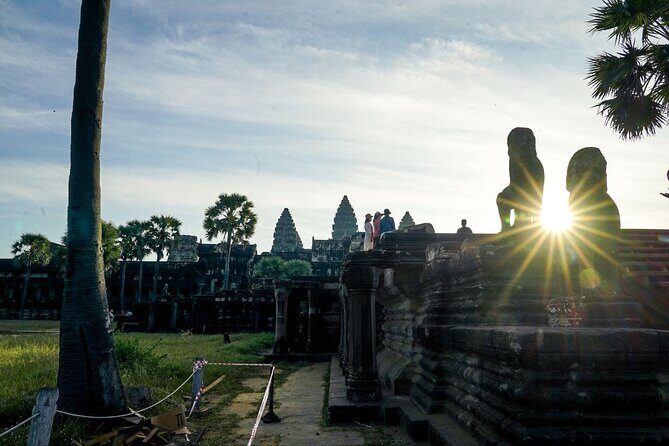
After lunch, the plan shifts from Angkor Wat’s iconic complex to the Angkor Thom circuit. This is where you get a sense of the city as a defensive and ceremonial space—gates, terraces, and central temple elements.
A few more Siem Reap tours and experiences worth a look
Victory Gate: a slightly less-constant photo moment
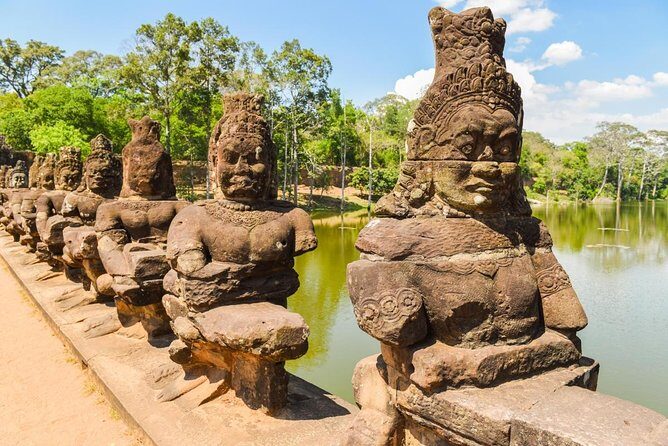
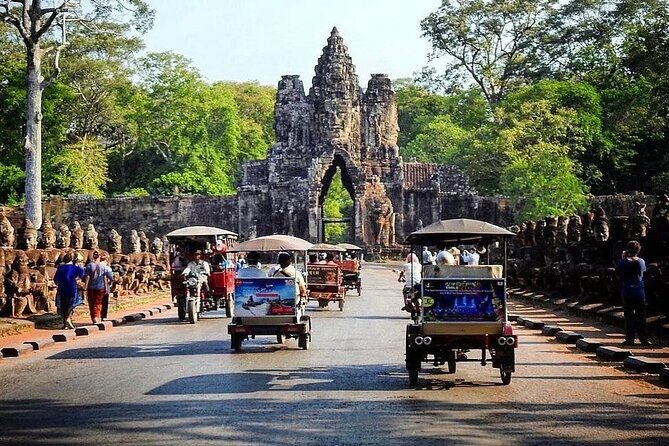
You stop at the Victory Gate (built by King Jayavarman VII in the late 12th century). It’s one of the five holy Buddhist gateways into Angkor Thom, and it’s described as slightly less preserved than the South Gate.
Your time here is about 30 minutes. It’s long enough for photos and orientation, not long enough to linger unless you’re very gate-focused.
Terrace of the Elephants: where rulers watched victory from above
Next is the Terrace of the Elephants. This terrace served as a platform where Jayavarman VII could view his victorious returning army.
You get about 30 minutes, which is a good match: you can observe the scale and take in the perspective without burning half your afternoon.
Phimeanakas: the celestial temple alignment
You’ll walk past Phimeanakas (Prasat Phimean Akas), meaning celestial temple. It sits in the middle of the old Royal Palace area, aligned with the Victory Gate and to the west side of the Terrace of Elephants.
This is a shorter stop (about 25 minutes), so it’s best as a “context” moment. You’re connecting what you saw at the terrace and the gate to the palace layout.
Baphuon: the best view option comes with a dress code
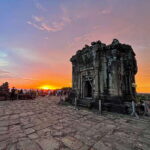
Then comes Baphuon Temple, a temple-mountain from the 11th century, reached by steep stairs to a terrace with one of the best views in the Angkor Archaeological Park.
You’re allocated about 30 minutes. This is also where the tour gets serious about rules. Some temples, such as Baphuon, enforce a strict dress code. You need clothes that:
- cover shoulders
- fall below the knees
Also, shirts with obscene/disrespectful prints and brightly colored outfits may get you refused entry. If you’re planning ahead, bring a light layer you don’t mind using as a cover.
Bayon Temple: the stop that closes the loop
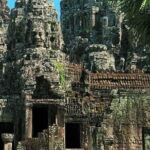
You finish at Bayon Temple, one of the more famous and popular structures in the park. You have about 1 hour here, which is important because Bayon can take time. There’s a lot to look at, and it’s a good finale: you end with one of the most recognizable temple faces and carvings, rather than running out of time early in the day.
How the tuk tuk changes your day (and when it won’t)
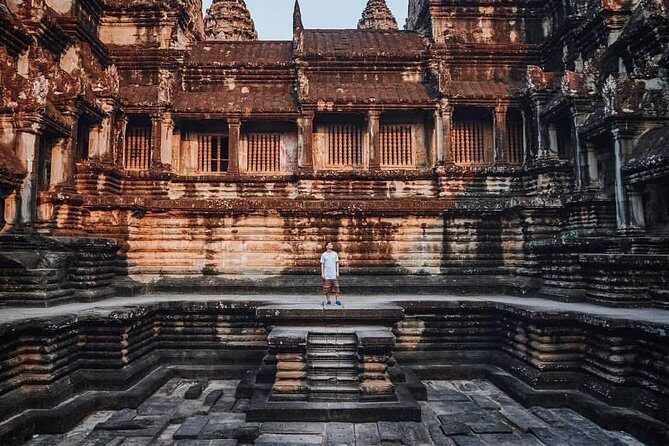
A big part of why people like tuk tuk tours in Siem Reap is simple: it helps you move between places while keeping the day feeling open-air and flexible. On this itinerary, the tuk tuk approach also supports a more personal pace. You’re not waiting on big-group timing as much, and you can pause for viewing and photos without derailing the whole schedule.
A few pros you’ll feel:
- Better photo opportunities: you can stop at angles and viewpoints that a bus can’t always access the same way
- Fresh air breaks: that matters in Cambodia’s heat, especially with an early start
- Easy day flow: moving from Angkor Wat to Ta Prohm to Angkor Thom feels like a sequence, not a scramble
What to consider: it’s open-air transport. That means sun exposure and early-morning chill (yes, dawn can feel cooler before the day warms up). Bring what you need for weather swings, and keep electronics protected from moisture.
Comfort details that actually help on a long temple day
This tour includes cool water and a cool wet towel, which are exactly the kind of “small” items that make a long hot day more manageable. Past experiences with this operator also mention cold flannels along the route, which lines up with the wet towel idea.
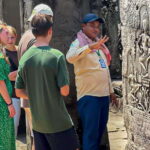
I also like that the day is guided. You’re not just following a map—you’re getting explanations and route logic, and that makes the stone carvings feel more connected than they would on your own.
From prior tours, guide quality seems to matter. Names that came up in past experiences include Buntheun and Veasna, with drivers like Sophan and Chamroeun mentioned as meeting people at the hotel gate and guiding smoothly through the day.
You might also receive a heads-up email the night before with a photo of your guide and contact details, which is a small thing, but it reduces stress when you’re waking up early.
Is it good value? A realistic cost check
Here’s the simplest way to think about value:
- Tour price: $60 per person
- Entrance pass: $37 per person
- Total you should plan for: $97 per person, before meals and any shopping
That may sound like a lot, but it’s tied to the fact that you’re getting:
- a private-format day
- an English-speaking guide
- transport all day on a tuk tuk
- cooling comfort items included
Compared with self-planning everything, you’re paying for time saved and reduced friction—especially around the ticket booth and early morning timing.
If you’re traveling as a pair, private pricing can feel very fair for a full day that otherwise takes a lot of coordination.
Who should book this Angkor tuk tuk day
This is a strong fit if you:
- want a private Angkor day instead of joining a large bus
- care about photo stops and not feeling rushed
- like having an English guide explain what you’re looking at
- are willing to start early for Angkor Wat sunrise
You might skip it if:
- you strongly dislike very early wake-ups
- you don’t want to pay extra for the Angkor entrance pass
- you’re planning to arrive in temples wearing anything that might violate dress rules at sites like Baphuon
Should you book Full Day Angkor Complex by Tuk Tuk?
If you want the Angkor day to feel orderly—early sunrise, then a logical temple sequence, then a finish at Bayon—this is the kind of tour that makes sense. The combination of private tuk tuk transport, an English guide, and included comfort items like cool water and a cool wet towel is exactly what helps a long day stay pleasant.
My final nudge: budget for the $37 USD entrance pass, and plan your outfit for the covered shoulders and below-knee dress code. If you do that, the rest of the day is set up to help you see the big hits without turning your vacation into logistics.
FAQ
What time does the tour start for sunrise?
The sunrise plan starts very early, around 4:30 AM, with the goal of watching sunrise at Angkor Wat.
Is the sunrise optional?
The tour name notes optional sunrise, but the provided day flow is sunrise-first. If you want to skip it, confirm what timing changes for your exact booking.
Are Angkor entrance tickets included?
No. The Angkor Archaeological site entrance pass is not included. The listed entry cost is $37 USD per person.
How long is the full day tour?
The duration is about 8 to 9 hours.
What’s included in the $60 price?
You get a full day tour with a professional English-speaking guide, tuk tuk transportation, cool water and a cool wet towel, and applicable taxes and service charges.
Where do you eat breakfast and lunch?
Breakfast and lunch are at local restaurants in the Angkor area. Meals are not listed as included in the tour price.
Do I need to buy the pass at the ticket booth?
Yes. You’ll buy or generate the entry pass at the main gate/ticket booth, and the pass should be visible during your visit.
What’s the dress code for temples like Baphuon?
Some sites enforce strict rules. You need clothes that cover shoulders and fall below the knees, and overly provocative or disrespectful prints can lead to refusal.
Is this tour private?
Yes. It’s a private tour/activity, so only your group participates.
Can I cancel if my plans change?
You can cancel up to 24 hours in advance for a full refund. If you cancel less than 24 hours before the start time, the amount paid is not refunded.