Fish and big cats in one visit. I especially love the Freshwater Tank and the chance to use the Touch Pool for hands-on animal time. The ticket also supports conservation, so your visit feels purposeful, not just for photos. The main drawback to watch for is that it’s a bit out of town, and the land-animal variety may not match everyone’s expectations.
A big plus: this place is well cared for, with a layout that makes it easy to move through without feeling lost. Reviews also point out a free shuttle from the Siem Reap centre when you book ahead, which helps a lot. If you want a quick stop, plan carefully because the experience time can stretch from about 2 hours to around 5 hours 20 minutes.
In This Review
- Key things to know before you go
- Angkor Wildlife & Aquarium: what your $15 ticket really covers
- Freshwater Tank: Mekong River legends and Tonle Sap reality
- Ocean Aquarium: the shift from freshwater to marine life
- Tigers, crocodiles, otters, sun bears, and the reptile walk
- Touch Pool: the hands-on moment that makes it feel real
- Getting the timing right: 2 hours versus 5+ hours
- Pickup and getting there from Siem Reap
- Price and value: what $15 buys you (and what it doesn’t)
- Who this visit is best for
- Practical tips so you get more from the day
- Should you book this Angkor Wildlife & Aquarium visit?
- FAQ
- How much does the Angkor Wildlife & Aquarium full day pass cost?
- How long is the visit?
- Does the ticket include transportation from Siem Reap?
- Is a mobile ticket used?
- What’s included in the price?
- What’s not included?
- Where is the tour located?
- What are the opening hours?
- What animals and exhibits can I expect to see?
- Is there a hands-on part of the experience?
- Can I cancel and get a refund?
Key things to know before you go
- Freshwater Tank focus on the Mekong River and Tonle Sap Lake themes
- Ocean Aquarium with the freshwater-to-marine transition in one continuous flow
- Touch Pool hands-on time for kids and animal lovers
- Iconic land animals like Bengal tigers, Siamese crocodiles, otters, and sun bears
- 30+ reptile species including the Asian water monitor
- Short ride options from Siem Reap via pickup and a shuttle reported by past visitors
Angkor Wildlife & Aquarium: what your $15 ticket really covers
For $15 per person, you’re paying for a full entry experience at Angkor Wildlife & Aquarium, plus transportation in an air-conditioned vehicle (that’s part of what’s included). On paper, it’s a straightforward admission. In practice, it can feel like two attractions in one because you get aquarium-style viewing and then a wildlife-and-reptile walk through naturalistic habitats.
You’re also not walking in with only entertainment on your mind. Every booking helps maintain a safe, nurturing environment for the animals and supports conservation efforts. That matters in a place like this, because good animal care is expensive and the ticket is one of the ways the park can keep doing it.
The experience length is flexible. Expect anywhere from about 2 hours to 5 hours 20 minutes, depending on how slowly you read, how much time you spend at the Touch Pool, and how long you linger for tigers and crocodiles.
A few more Siem Reap tours and experiences worth a look


Freshwater Tank: Mekong River legends and Tonle Sap reality
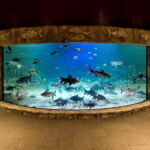
If you like water ecosystems, this is the part you’ll probably remember longest. The Freshwater Tank takes you through the wonders of the Mekong River and Tonle Sap Lake—Southeast Asia’s largest freshwater lake. It’s a neat idea for storytelling because it shows how different freshwater habitats can still feel like a world of their own.
From an experience standpoint, the Freshwater Tank is a good warm-up. You ease in with aquariums that are designed to be looked at calmly rather than rushed. If you’re visiting with kids, this section also tends to be less intimidating than a purely animal-focused zoo walk, since the exhibits are built around viewing.
One practical tip: wear comfortable shoes and give yourself a little extra time here. Even if you’re not the type to read every sign, the tank setup encourages you to circle and re-check areas you might have missed the first pass.
Ocean Aquarium: the shift from freshwater to marine life
After the freshwater section, you move into the Ocean Aquarium, which highlights the transition from freshwater ecosystems to marine habitats in the region. This shift is more than a theme change. It helps you see that “aquarium” isn’t one single type of environment—it’s a whole spectrum, from inland rivers and lakes to sea life.
This part is a solid choice for travelers who want more than one style of exhibit. If freshwater ecosystems were your warm-up, the Ocean Aquarium is your momentum builder: more types of creatures, more tanks to compare, and a visual change of pace.
Based on feedback, many people find the aquarium side more plentiful than the strictly terrestrial wildlife portion. So if you’re the kind of visitor who wants lots of things to look at in a single loop, you’ll likely feel most satisfied spending time here rather than expecting a full zoo-like roaming circuit.
Tigers, crocodiles, otters, sun bears, and the reptile walk
Once you’re on land, you’re in the wildlife zone. The star animals listed include Bengal tigers, Siamese crocodiles, playful otters, and sun bears. There are also over 30 reptile species, including the Asian water monitor.
This is where expectations can make or break your visit. If you want a dense lineup of many different mammals out and active at once, plan a little flex. Some past feedback suggests that while a few big animals are present (tigers and alligators are mentioned in reviews), you might not see every species in a dramatic, constant way. That’s normal for animals that may be resting or choosing their own timing.
Still, reptiles are a strong point here. Reviews mention that reptiles are reasonably represented, which is great if you find monitors, lizards, and similar species fascinating. The reptile exhibits also help fill the in-between moments so you’re not walking around waiting for the next animal to appear.
My advice: treat the land section like a slow scan, not a hunt. You’ll get more out of it if you pause, look for subtle movement, and re-check spots rather than rushing straight to the next viewing area.
Touch Pool: the hands-on moment that makes it feel real
The Touch Pool is a big deal for families and for anyone who learns best by doing. It’s described as a hands-on experience with marine creatures, and it’s one of those features that turns the visit from purely watching into participating.
If you’re going with kids, this is often the section that keeps energy high. Even for adults, touching can shift how you think about the animals you just saw behind glass. It’s not just entertainment; it’s a way to connect the “aquarium world” to the real physical presence of creatures.
What I’d do: arrive with a calm pace in mind. Touch Pool time can naturally take longer than you expect, especially if there’s a queue or if staff are guiding the process.





Getting the timing right: 2 hours versus 5+ hours
Your schedule matters here because the visit can range widely. If you’re short on time, aim for a focused route: Freshwater Tank first, then spend extra time in the Ocean Aquarium, and do a shorter land walk with the main highlights (tigers, crocodiles, otters, and then the reptile displays).
If you’re not in a rush, give yourself space to repeat sections. Aquariums reward second looks—sometimes the best view is the one you catch when you slow down and change your angle.
Opening hours are Monday through Friday from 8:00 AM to 5:00 PM, based on the provided schedule. That’s a useful constraint. If you’re traveling on weekends, you may need to adjust your plans since the listed hours are weekday-only.
Pickup and getting there from Siem Reap
This is one of the practical issues worth addressing up front. The attraction is described as being a bit far out of town, which is exactly the kind of detail that affects how enjoyable your day feels.
Good news: pickup is offered, and the included transportation is listed as an air-conditioned vehicle. Reviews also mention a free shuttle from the Siem Reap centre when you book your tickets in advance. If you can line that up, you reduce stress and make the whole day smoother.
If you prefer to travel independently, the information notes it’s near public transportation too. Either way, going in with a plan prevents the day from turning into a last-minute taxi chase.
Price and value: what $15 buys you (and what it doesn’t)
At $15 per person, this can be a strong value for Siem Reap. You’re not just paying for entry; you’re also getting included transport and access to multiple exhibit zones—freshwater tank, ocean aquarium, land wildlife, and reptiles—plus the Touch Pool.
What’s not included matters because it shapes your total day cost. Alcoholic beverages, snacks, and lunch are not included. So if you’re planning to spend a few hours, budget for food separately.
Also, value depends on your interests. If your priority is fish, marine life, and hands-on interaction, you’re likely to feel the ticket price is fair. If you want a zoo-style experience with a wide range of mammals constantly on display, you may feel slightly disappointed by the land-animal variety.
For the best value, match the attraction to your expectations: think aquarium-and-conservation outing first, then treat wildlife as the bonus.
Who this visit is best for
This stop is ideal if you:
- Love aquarium exhibits and water ecosystems like Mekong and Tonle Sap
- Want a conservation-focused attraction rather than a purely entertainment-based one
- Are traveling with kids and want a Touch Pool moment
- Enjoy reptiles and want more than a token reptile display
It’s also a decent fit for animal lovers who want variety but are okay with spending more time in exhibits than waiting for wildlife action.
If you’re a hardcore wildlife-watching traveler expecting nonstop mammal sightings, you might need to manage your expectations a bit. The experience is built around structured exhibits, so your payoff comes from the overall layout and the variety across tanks and reptile areas.
Practical tips so you get more from the day
A few small choices can make a big difference:
- Wear comfortable shoes. The layout is designed for walking, and you’ll likely do a loop through multiple zones.
- Bring patience for animal timing. Wildlife doesn’t perform on a human schedule.
- Plan your priorities: aquarium first if you want the highest chance of nonstop viewing.
- If you’re using the shuttle option mentioned in reviews, book ahead so you don’t scramble the day-of.
- Since food isn’t included, decide ahead of time whether you’ll grab snacks nearby or eat before/after.
Should you book this Angkor Wildlife & Aquarium visit?
I’d book it if you want an aquarium-and-conservation day with built-in structure: freshwater, ocean, land wildlife, and reptiles in one ticket. The Touch Pool is a meaningful add-on, and the included transport helps make it painless to reach from Siem Reap.
I’d think twice if you’re mainly chasing a zoo-style parade of many different mammals in constant motion. Some parts of the experience are clearly stronger for viewing than others, especially on the aquarium side.
If your goal is to learn, look closely, and enjoy a well-kept animal park setting, this is an easy yes.
FAQ
How much does the Angkor Wildlife & Aquarium full day pass cost?
The price is $15.00 per person.
How long is the visit?
The duration is approximately 2 hours to 5 hours 20 minutes.
Does the ticket include transportation from Siem Reap?
Pickup is offered, and an air-conditioned vehicle is included. Reviews also mention a free shuttle from the Siem Reap centre when you book in advance.
Is a mobile ticket used?
Yes, the experience includes a mobile ticket.
What’s included in the price?
Included items are an air-conditioned vehicle, all fees and taxes, and the entry ticket.
What’s not included?
Alcoholic beverages, snacks, and lunch are not included.
Where is the tour located?
It’s in Siem Reap, Cambodia, and the meeting point is near public transportation.
What are the opening hours?
The listed opening hours are Monday to Friday from 8:00 AM to 5:00 PM.
What animals and exhibits can I expect to see?
You can expect a Freshwater Tank focused on the Mekong River and Tonle Sap Lake, an Ocean Aquarium, and wildlife including Bengal tigers, Siamese crocodiles, otters, sun bears, and over 30 reptile species such as the Asian water monitor.
Is there a hands-on part of the experience?
Yes. There is a Touch Pool with hands-on interactions with marine creatures.
Can I cancel and get a refund?
Yes. You can cancel for free up to 24 hours in advance for a full refund.