REVIEW · SIEM REAP
Siem Reap Angkor 2-Day Tour
Book on Viator →Operated by Peacock Asia Tours · Bookable on Viator
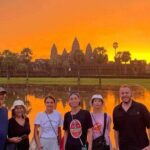
Sunrise at Angkor Wat makes time slow. This Siem Reap Angkor 2-Day Tour strings together the big-name temples you came for, plus the Tonle Sap floating village, with hotel pickup/drop-off, an A/C vehicle, and cool water and towels to keep you from melting. You’ll start with Ta Prohm, sweep through Angkor Thom’s carved walls and terraces, pause at Bayon’s smiling faces, then hit Angkor Wat again with the kind of early timing that actually helps with photos.
What I like most is the combo of sunrise timing and real temple context. The English-speaking guides I’ve seen associated with this tour (names like Mr. Mean Young and Chhola show up in guide writeups) don’t just point at stones. They explain what you’re looking at and help you find photo spots, so you leave feeling like you understood more than just the postcard views.
One consideration: the Angkor Pass is not included, and it’s an extra cost you’ll need to budget for. Also, day 2 begins at 5:00am, so this is not a slow-morning tour. If you’re already set on DIY temple hopping without waking up early, that’s the main reason to pause.
In This Review
- Key Things That Make This Tour Worth It
- Day 1: Ta Prohm, Angkor Thom, Bayon, and Angkor Wat (Plus Tonle Sap)
- Morning at Ta Prohm (the Tomb Raider temple vibe)
- Angkor Thom: Victory Gate to the Elephant Terrace
- Bayon’s smiling faces, then lunch at Angkor Park
- Afternoon: Angkor Wat on a guided route (with key photo spots)
- Late day: Tonle Sap Lake and a floating village
- Day 2: Angkor Wat Sunrise at 5:00am, Preah Khan, and Banteay Srei
- Sunrise at Angkor Wat (and why you should care)
- Breakfast, then Preah Khan: ancestor worship at full scale
- Banteay Srei (Lady Temple): the pink sandstone walk
- Guide Quality and Communication That Really Changes the Experience
- Price and Logistics: Getting Real Value From $110
- What You Should Wear (Angkor Dress Code, Heat, and Practical Comfort)
- Walking Routes, Timing, and How to Avoid Temple Fatigue
- Who This 2-Day Tour Fits Best
- Should You Book This Tour?
- FAQ
- What time does the tour start on day 1?
- What time is the sunrise on day 2?
- Is hotel pickup and drop-off included?
- Is an A/C vehicle provided?
- Are water and towels included?
- Do I need an Angkor Pass?
- How much is the Angkor Pass?
- Is lunch included?
- What’s the meeting point for the start?
- Is this a private tour/activity?
- What is the cancellation policy?
- What should I wear for temple visits?
Key Things That Make This Tour Worth It
- Two sunrise-and-splendor days: Angkor Wat at sunrise plus a packed follow-up day with Preah Khan and Banteay Srei.
- Comfort matters: A/C car or van, plus cool water and towels during long temple days.
- Temples plus Tonle Sap: you get the lake and floating village, not just ruins.
- Guide-led detail: clear English explanations and help with photos and small architectural details.
- Private-group feel: it’s described as a private tour/activity where only your group participates.
Day 1: Ta Prohm, Angkor Thom, Bayon, and Angkor Wat (Plus Tonle Sap)
Day 1 starts at 8:00am, and the pace is set up to hit the most intense parts of Angkor in daylight while you still have energy. You’re not stuck on a bus all day either: the itinerary builds in guided walks and viewpoints inside the main temple circuit.
A few more Siem Reap tours and experiences worth a look

Morning at Ta Prohm (the Tomb Raider temple vibe)
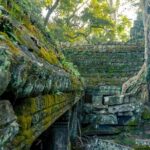
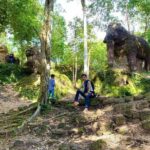
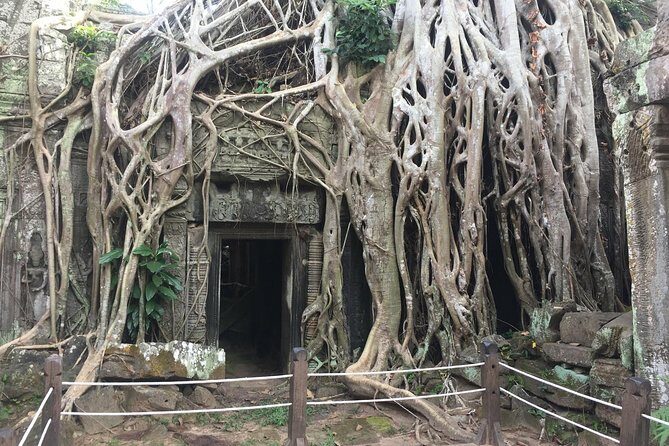
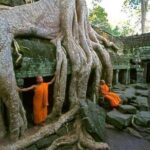
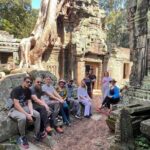
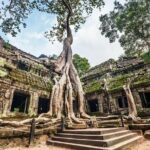
Your first major stop is Prasat Ta Prohm, the famous temple known from pop culture. The key value here is walking through a site where trees and stone feel locked in a tug-of-war, so you get that chaotic, photogenic atmosphere without having to chase it on your own. The guide’s job is to help you read the temple layout and carvings instead of just taking snapshots.
One practical upside to going early in the morning: fewer crowds are a real factor at Angkor, and the light changes quickly here. If you’re aiming for photos with less glare, getting moving earlier works in your favor.
Angkor Thom: Victory Gate to the Elephant Terrace
After Ta Prohm, the route continues into Angkor Thom, starting with the Victory Gate. From there you’ll pass key areas you’d otherwise miss, including:
- Elephant Terrace, carved with elephant imagery
- Terrace of Leper King
- Enclosure wall of the Royal Palace
- Pimeanakas, the 10th-century temple site
- Prasat Baphoun, a pyramid-shaped temple inside Angkor Thom
This part of the day is where the tour earns its keep. Angkor Thom can feel like a maze if you’re wandering without a plan. With a guide, you get a path that connects the stories: royal power, ancestor worship, and the way the city’s layout was built for ceremony and authority.
Bayon’s smiling faces, then lunch at Angkor Park
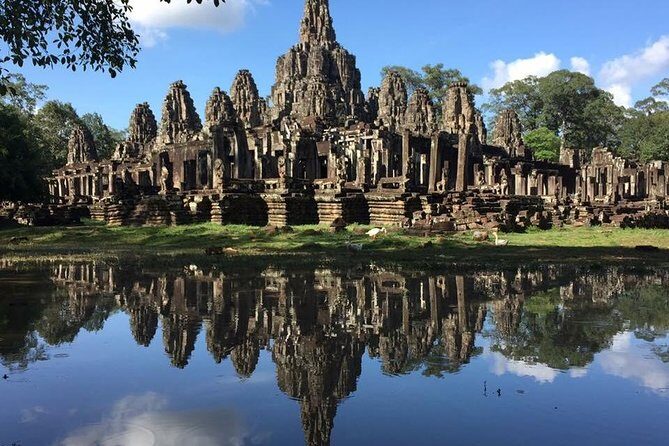
Next up is Prasat Bayon, the temple known for hundreds of smiling faces. The itinerary includes time for a walk around the first level, and the point isn’t just the iconography. It’s also understanding how Bayon ties into Angkor Thom’s history and the Khmer Empire.
Lunch is where you’ll want to be flexible. The highlights mention breakfast and lunch in the Angkor Park area, but the separate list of what’s included also states lunch is not included. Since this is a real-world booking detail, I’d treat lunch as a planned stop you should confirm when you book, so you aren’t surprised.
Afternoon: Angkor Wat on a guided route (with key photo spots)
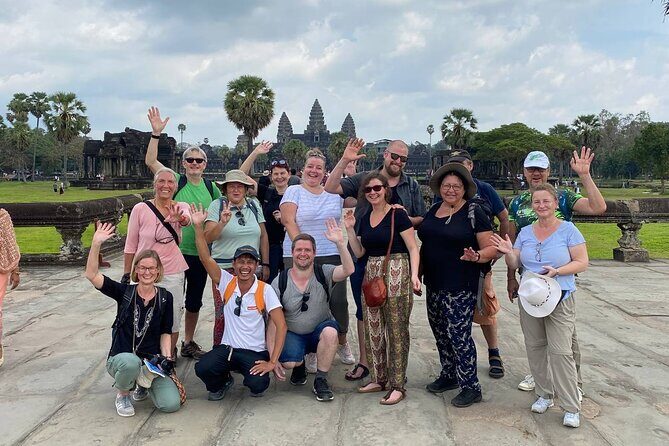
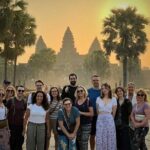
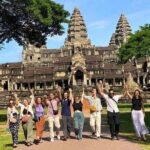
Then comes Angkor Wat, where the tour time allows you to see the complex in a structured way. The itinerary calls out a walk over the rainbow bridge for big views, and this is one of the moments where having someone steer you pays off.
Angkor Wat is huge, and the guide’s explanations help you understand what you’re seeing: originally a Hindu temple dedicated to Vishnu, later shifting toward Buddhism. You’re also not just wandering aimlessly—your guide or driver is set up to show you good photo spots, not only the main angles.
Late day: Tonle Sap Lake and a floating village
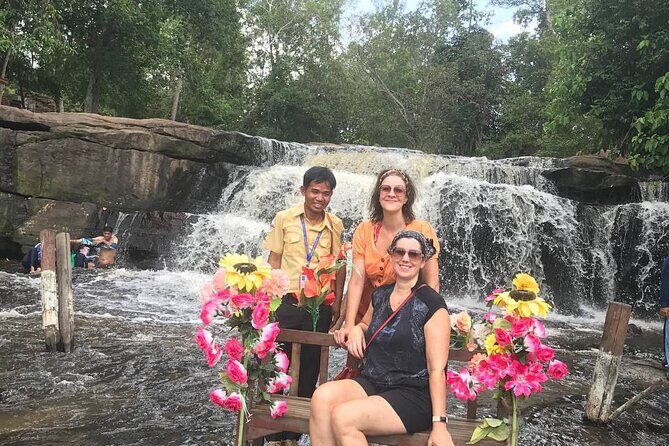
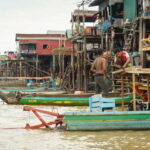
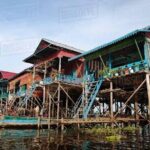
To close day 1, you head to Tonle Sap Lake, described as the largest freshwater lake in Southeast Asia, plus the floating village area. This stop is a nice counterweight to temple overload because it’s about living culture, not stone monuments.
The itinerary notes that thousands of fishermen live in and around the lake. If you like travel that changes gears from ruins to real daily life, this part is a strong add-on.
Day 2: Angkor Wat Sunrise at 5:00am, Preah Khan, and Banteay Srei
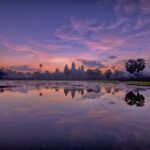
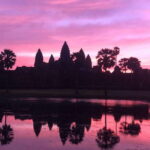
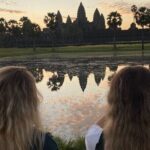
Day 2 is the early one: it starts at 5:00am to catch the Angkor Wat sunrise. Even if you’ve seen sunrise photos before, the experience hits differently when you’re there in the cold morning air and you can walk into position without rushing.
Sunrise at Angkor Wat (and why you should care)
This tour is built around the sunrise because that timing changes how Angkor Wat looks. The light softens the temple surfaces, shadows fall in more dramatic layers, and you get a calmer moment to take in the scale.
Your guide’s role is also important here. The tour description emphasizes history and photo guidance, and sunrise is where that guidance matters most because you need quick decisions about angles and where to stand.
Breakfast, then Preah Khan: ancestor worship at full scale
After sunrise, you’ll find a restaurant for breakfast in the Angkor area. From there, you move to Preah Khan, described as the largest ancestor temple of King Jayavarman VII.
This is a smart inclusion because Preah Khan gives you a different feel from the most famous Angkor icons. It’s still monumental, but it’s less about a single iconic face and more about the feeling of temple city life—rooms, corridors, and ritual spaces.
Banteay Srei (Lady Temple): the pink sandstone walk
In the afternoon you head north for Prasat Banteay Srei, also called the Lady Temple. The tour highlights the distinctive pink sandstone, which is exactly why this stop is worth prioritizing.
Banteay Srei tends to reward slower looking. When your guide points out details, you can understand why people love this temple even after they’ve already seen the headline giants like Angkor Wat.
Lunch is listed as a local restaurant break, with a mention of relaxing in a hammock restaurant before returning. This is the kind of downshift you’ll appreciate after an early start and a long day.
Guide Quality and Communication That Really Changes the Experience
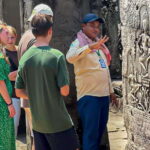
If there’s one theme that holds steady across the experiences tied to this tour, it’s guidance with clear English and real temple knowledge. Names that show up include Mr. Mean Young, Chhola, and in one account a driver named Channy. Another mentioned guide name is Chola.
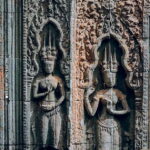
Why does that matter? Because Angkor isn’t just “pretty ruins.” It’s a whole built system—temples, city walls, terraces, and symbolic pathways. When your guide can explain what the carvings mean, you start seeing patterns:
- how royal power is displayed through the city layout
- how Bayon’s iconography connects to Khmer history
- why Ta Prohm feels so different from more symmetrical temples
- what ancestor worship means in temple design
This tour also explicitly includes cool water and cool towels, and the vehicle is described as A/C rather than tuk-tuk style. That sounds minor until you’re walking under heat and returning to a vehicle that actually feels like relief.
Price and Logistics: Getting Real Value From $110
The tour price is $110 per person for a 2-day experience, and it includes pickup and drop-off in Siem Reap, transportation in an A/C vehicle, plus cool water and towels. The big extra cost is the Angkor Pass.
Here’s the part to budget carefully: the details list Angkor Pass = $62 per person, but there’s also a note saying $37 per person for a single day. Since you’re visiting Angkor sites across two days, you should plan on paying for the pass/entry fees for each day you use. I’d confirm the exact pass type during booking so your math matches your dates.
What makes the $110 feel reasonable is that you’re buying time and stress reduction:
- you don’t have to coordinate hotel pickup, transport, or temple route order
- you get sunrise timing and structured walks
- you get help finding photo spots and reading what you’re seeing
What can reduce value is if you already know you’ll skip key stops or if you’re trying to stay extremely budget-tight and don’t want to pay for guided routing. In that case, DIY can be cheaper—but you still end up paying for entrance fees, and you lose the benefit of having someone guide you through the meaning of what you’re seeing.
What You Should Wear (Angkor Dress Code, Heat, and Practical Comfort)
This tour is temple-focused, and the dress rules are clearly stated. You’ll need to dress properly for visiting temples:
- If you wear shorts and T-shirts, they must be knee length and shoulder covered
- No tank tops
- No scarf or shawl is allowed (this is explicitly stated)
- Light cotton clothes are suggested because it’s hot and humid
Weather-wise, it notes that November, December, and January are nicer months. If you’re traveling in hotter seasons, plan for heat management as part of the experience. The tour helps with that by providing cool water and cool towels, but you’ll still be walking outdoors.
Walking Routes, Timing, and How to Avoid Temple Fatigue
This itinerary is designed around high-interest stops, so you should expect a mix of:
- short intense walks through crowded-feeling areas
- longer temple exploration where you’ll want breaks
- a big sunrise start that can throw off your energy if you aren’t ready
A smart way to handle it is to treat day 1 as the “temple concentration” day and day 2 as the “sharp highlights” day. Day 1 includes a lot: Ta Prohm, Angkor Thom components, Bayon, Angkor Wat, and then Tonle Sap. Day 2 is shorter in terms of different locations, but it’s heavier in early-morning payoff: sunrise, breakfast, Preah Khan, then Banteay Srei.
If you’re the type who wants to stop and read every carving, you may go slower than the official pace. That’s fine. Just remember the tour timing is built around starting early and moving efficiently between sites.
Who This 2-Day Tour Fits Best
This is a strong choice if you’re:
- visiting Angkor for the first time and want both headline and meaningful sites
- short on time and want a plan that covers Angkor Wat, Angkor Thom, Ta Prohm, Preah Khan, and Banteay Srei
- the type of traveler who appreciates sunrise timing and photo help
- someone who’d rather ride in an A/C vehicle than heat-soaked chaos
It might be less ideal if you:
- hate early mornings (5:00am sunrise start on day 2 is non-negotiable)
- want maximum freedom to roam without a set route
- are trying to keep costs ultra-low and don’t want extra spending for the Angkor Pass
Should You Book This Tour?
I’d book it if you want a guided, efficient Angkor experience that balances the iconic temples with the less obvious payoff of Banteay Srei and a real-world break at Tonle Sap. The biggest reason to choose it is the structure: you get sunrise at Angkor Wat, then two full days of temple city highlights with guide storytelling and practical comfort.
Before you book, do two things: confirm how the Angkor Pass is handled for your two days, and confirm whether lunch is actually included in your package or if you’ll be paying for it at the breaks. Get those two items straight, and this becomes a very solid value for a first-time Angkor visit.
FAQ
What time does the tour start on day 1?
Day 1 starts at 8:00am, with pickup in Siem Reap included.
What time is the sunrise on day 2?
Day 2 starts at 5:00am to catch the sunrise at Angkor Wat.
Is hotel pickup and drop-off included?
Yes. Pick-up and drop-off in Siem Reap is included.
Is an A/C vehicle provided?
Yes. The tour includes a car, van, or minibus with A/C.
Are water and towels included?
Yes. Cool water and cool towels are included.
Do I need an Angkor Pass?
Yes. An Angkor Pass ticket is required and is not included in the tour price.
How much is the Angkor Pass?
The details list Angkor Pass at $62 per person, and there is also a note that a single-day Angkor Pass is $37 per person.
Is lunch included?
The highlights mention breakfast and lunch stops, but the separate list states lunch is not included. Check your booking details to be sure.
What’s the meeting point for the start?
The start meeting point is Hotel Somadevi Angkor Resort & Spa on Sivatha Blvd, Mondul II Village, Svay Dangkum, Siem Reap.
Is this a private tour/activity?
Yes. It is described as private, and only your group participates.
What is the cancellation policy?
Free cancellation is offered, and you can cancel up to 24 hours in advance for a full refund.
What should I wear for temple visits?
Wear proper temple attire: knee-length shorts and shoulder-covered shirts are required. Tank tops are not allowed. The instructions also state no scarf or shawl is allowed, and light cotton clothing is suggested due to heat and humidity.