REVIEW · SIEM REAP
Highlight of Angkor Temples 6 Days Cambodia Tour
Book on Viator →Operated by About Cambodia Travel & Tours · Bookable on Viator
Four-thirty mornings change everything.
This 6-day Cambodia tour strings together Angkor Wat sunrise and the big-name Angkor temples, then keeps going beyond the usual circuit with Tonle Sap Lake and Phnom Kulen. I like the way the plan builds from spirituality and history into real-life Cambodian scenery, so the days feel varied instead of repetitive.
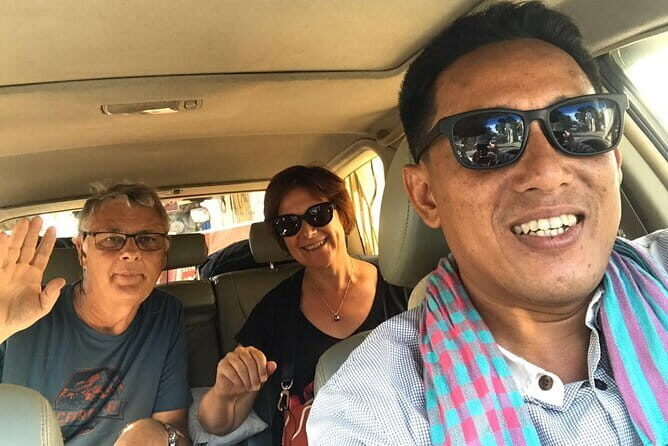
Second, I really like the practical private setup: airport welcome, private transportation, and an English-speaking license tour guide. In the same stories I saw from guides like Sara, Pietro, and Leap, you also get a clear sense of photo help, calm pacing, and drivers like Phiep and Ree keeping things comfortable with air conditioning, cold water, and even frozen towels.
One thing to consider: mornings start very early (sunrise is scheduled for around 04:30), and Phnom Kulen includes nature time that asks for moderate physical fitness.
In This Review
- Key highlights you’ll care about
- 6 days in Siem Reap: how the whole itinerary actually connects
- Sunrise at Angkor Wat around 04:30 AM: the timing that makes it worth it
- Angkor Thom to Ta Prohm: gate restored work, face towers, and jungle temple mood
- Banteay Srei and the smaller Angkor circuit: pink stone art and temple geometry
- Tonle Sap Lake floating villages and Kampong Phluk: see how life moves with water
- Phnom Kulen National Park: Poeng Ta Kho views, the Reclining Buddha, and waterfall time
- Hotels, pickup, and what “private” really means on this plan
- Price and logistics: is $827.10 per person good value?
- Before you go: how to make the early mornings and long days easier
- Should you book this Angkor Temples 6 Days Cambodia Tour?
- FAQ
- How long is the Angkor Temples 6 Days Cambodia Tour?
- What’s included in the price?
- Are hotel breakfasts included every day?
- Is pickup included?
- Do I get to see Angkor Wat sunrise?
- Is this tour suitable for people with limited mobility?
- Can I cancel for a full refund?
Key highlights you’ll care about
- Angkor Wat at sunrise (around 04:30): You’re set up to catch the famous moment, not just sleep through it.
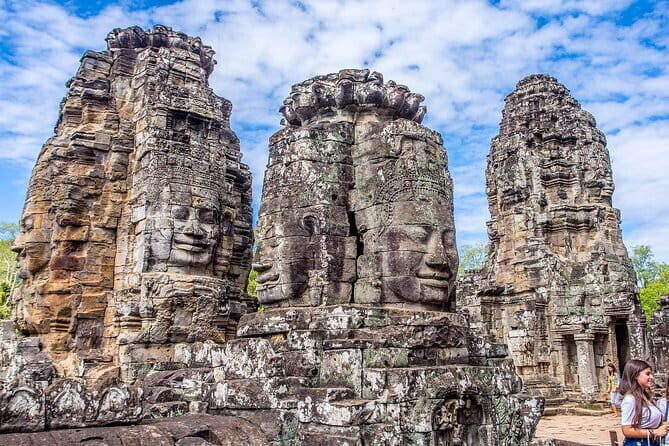
- A full Angkor Thom + Ta Prohm day: You see restored gate work, face-filled Bayon vibes, and Ta Prohm’s jungle presence.
- Pink sandstone at Banteay Srei: The plan includes the Khmer art often called the crown jewel, built in pink stone.
- Tonle Sap Lake cruise + floating village experience: You get out on the water and see daily life shaped by the lake.
- Phnom Kulen viewpoints and the Reclining Buddha: Amazing Cliff views plus Preah Ang Thom carved into sandstone boulder.
- Your hotel class is your choice: 3-star, 4-star, or 5-star options with daily breakfast.
6 days in Siem Reap: how the whole itinerary actually connects
This tour is built like a storytelling loop. You start with Angkor’s sacred heart, move through temple cities and royal-era temples, then shift to water life at Tonle Sap, and finally end at Phnom Kulen where the “holy mountain” feel comes from nature as much as stone.
What makes it work for your schedule is that the days aren’t just random temple hopping. They’re grouped so you’re not zig-zagging across Cambodia all day. Day 2 focuses on Angkor Thom and the jungle-temple mood of Ta Prohm. Day 3 pulls in Banteay Srei and additional Angkor sites that are less about the big crowd icon and more about detailed carving and layout. Day 4 swaps in Tonle Sap Lake for perspective, and still leaves room for a few Siem Reap-area cultural stops. Day 5 goes to Phnom Kulen, and then Day 6 is an easy exit day to Siem Reap Angkor International Airport.
If you like your tours with a firm plan (but not chaos), this one fits.
A few more Siem Reap tours and experiences worth a look
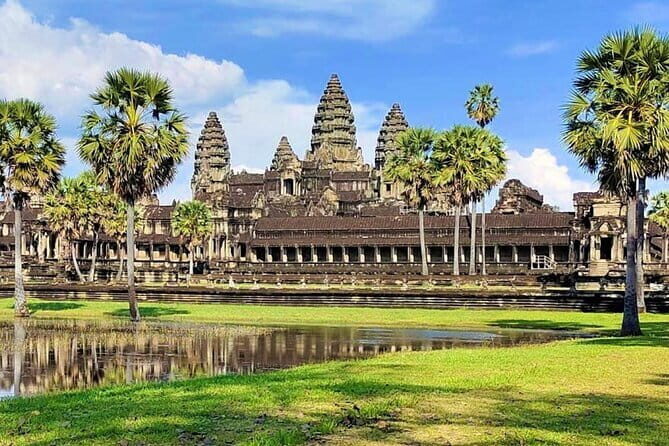
Sunrise at Angkor Wat around 04:30 AM: the timing that makes it worth it
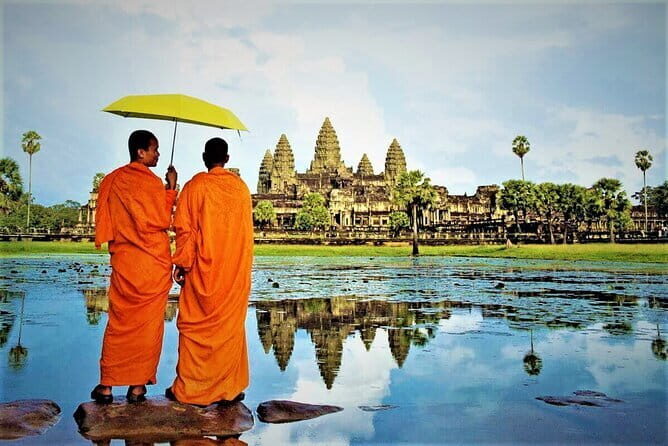
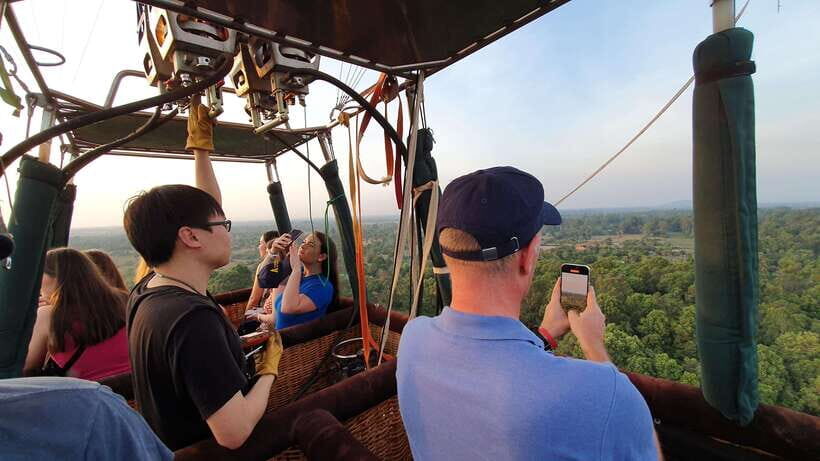
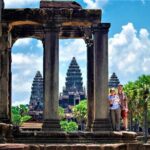
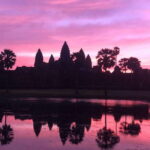
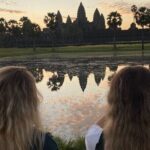
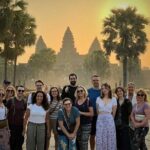
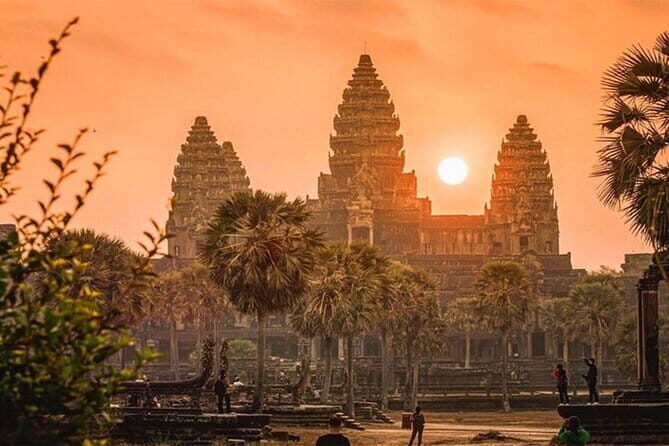
The highlight is scheduled early: you get up at about 04:30 AM for sunrise at Angkor Wat. That timing matters because sunrise isn’t the “optional extra.” It’s the anchor moment of the whole Angkor experience, and the itinerary is built to get you there before the day gets fully rolling.
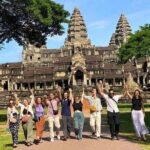
After the sunrise, you continue through the Angkor Wat complex. In practical terms, that means you’re not only chasing views—you’re also seeing the temple itself with enough time to actually look at what you’re standing in front of. You then transfer back to the hotel for breakfast, which is a smart pressure release after an early start.
A small caution: early starts are still early starts. If you’re not a morning person, plan on going to bed fast on the nights leading into Day 2. Also, bring a light layer for the pre-sunrise air; the schedule is designed around the “morning weather window,” not comfort time.
Angkor Thom to Ta Prohm: gate restored work, face towers, and jungle temple mood
Day 2 is one of those temple days you remember because it changes texture as you go.
You begin at Angkor Thom South Gate, described as fully restored, with many of the heads remaining in place. That’s a very specific kind of wow: it’s not only about being in a famous place—it’s about seeing restoration detail that you can still recognize as part of the original sculpted message.
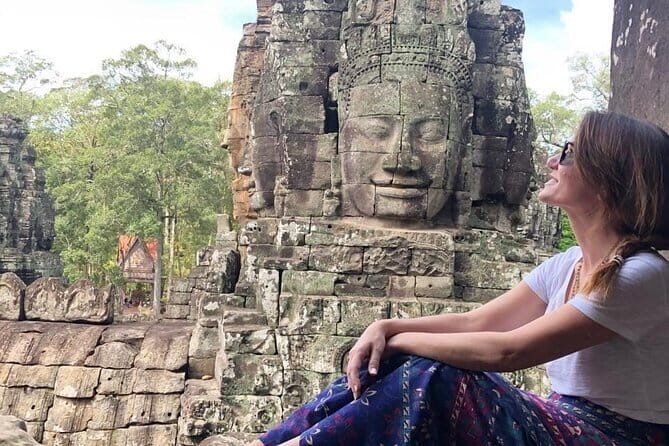
From there you move to Bayon, which is noted as built nearly 100 years after Angkor Wat. That gives you a sense of time shifting inside the same broader Angkor complex. Bayon also brings you into one of the most iconic visual styles on the circuit: face-like stone presence, visible enough that it becomes a landmark while you walk the grounds.
Then the itinerary adds variation:
- Baphuon, described as a rectangular sandstone base with five levels, which is a different shape language than the more common shrinking-tier feel.
- Phimeanakas, positioned near the center of the royal palace area, with a golden pinnacle element described by Zhou Daguan as the Tower of the … (the tour text links it to that historical description).
- Terrace of the Elephants, where the focus is on how servants and princes tread—paired with the detail that steps have even length.
- Terrace of the Leper King, framed by dramatic bas-reliefs and the theme of grandeur during Jayavarman VII’s reign.
Then you get one of the quieter, more atmospheric stops: Ta Nei is noted as being deep in the Cambodian jungle, about 200 meters west of the East Baray, and it can be difficult to find. That description signals a different kind of value: you’ll spend time where you’re not just standing in the most photographed spot. It’s a “slow look” stop.
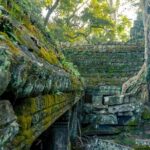
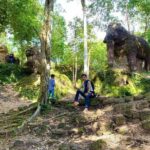
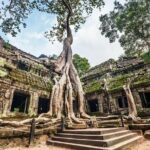
Finally, Ta Prohm is included in the jungle-dense mood—described as shrouded in dense jungle, with giant tree roots spreading over stones and terraces. This is the moment where the temples feel less like museum pieces and more like structures living inside a landscape.
If you like a day with multiple temple “styles,” Day 2 delivers.
Banteay Srei and the smaller Angkor circuit: pink stone art and temple geometry
Day 3 shifts the focus toward Khmer craft and design details.
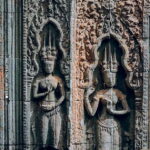
Banteay Srei is highlighted as the crown jewel of Khmer art, built by Rosa and using pink sand stone. That’s not just a color note. It tells you the temple’s identity is tied to the material and carving style, which usually means you should slow down and look at edges, not just big skylines.
Next is Banteay Samre, described as 400 meters east of the East Baray, built in the early 12th century during the reign of Suryavarman II and Yasovarman II, and identified as a Hindu temple. This is a helpful reminder that Angkor isn’t only one religion or one era. It’s a layered place.
Then you head to more structural-and-spatial sites:
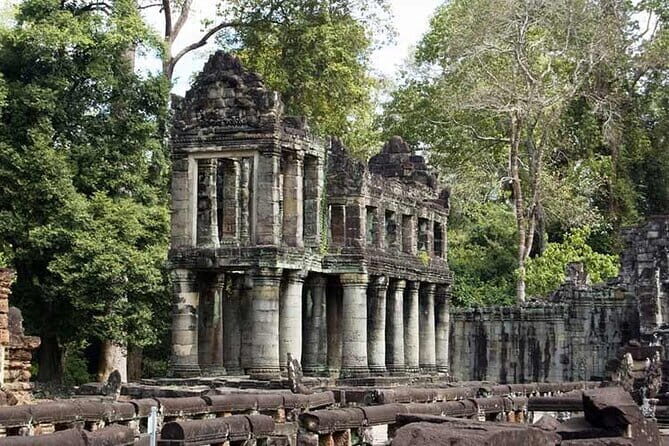
- Preah Khan, built in the 12th century for King Jayavarman VII to honor his father.
- Neak Pean, described as an artificial island with a Hindu temple on a circular island in Jayatataka Baray, tied to Preah Khan.
- Eastern Mebon, described as a 10th-century temple standing on what was an artificial island at the center of the now dry East Baray reservoir.
- Pre Rup, a temple mountain associated with Rajendravarman and dedicated in 961 or early 962.
That last set of stops—Neak Pean, Eastern Mebon, Pre Rup—are valuable for a specific reason. Even if you love photographs, these kinds of layouts are the ones where a guide’s timing helps. You’re learning to see the “why” behind temple placement, because the tour is naming what used to be water, what used to be islands, and what used to be ceremonial structure in the landscape.
Day 3 ends back in Siem Reap with hotel time, which matters. Angkor temple days can stack fatigue quickly, so you need recovery.
Tonle Sap Lake floating villages and Kampong Phluk: see how life moves with water
Day 4 is your reset from stone and carvings into lake life.
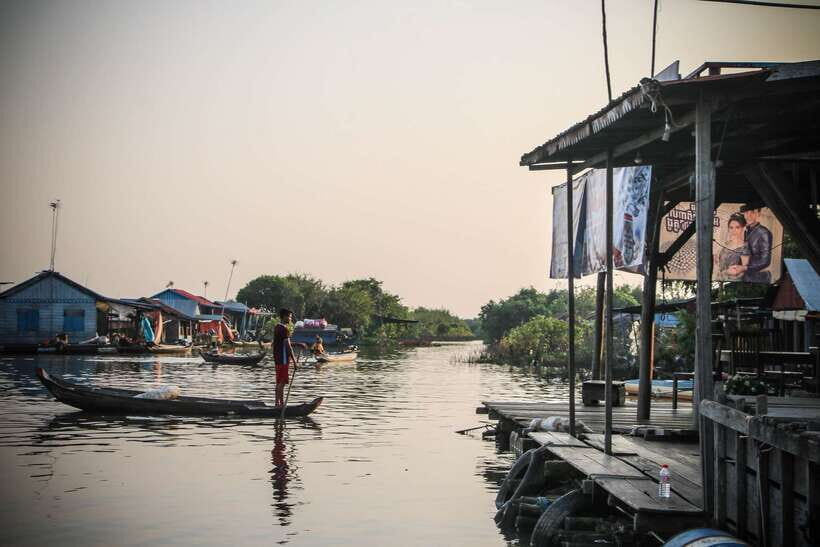
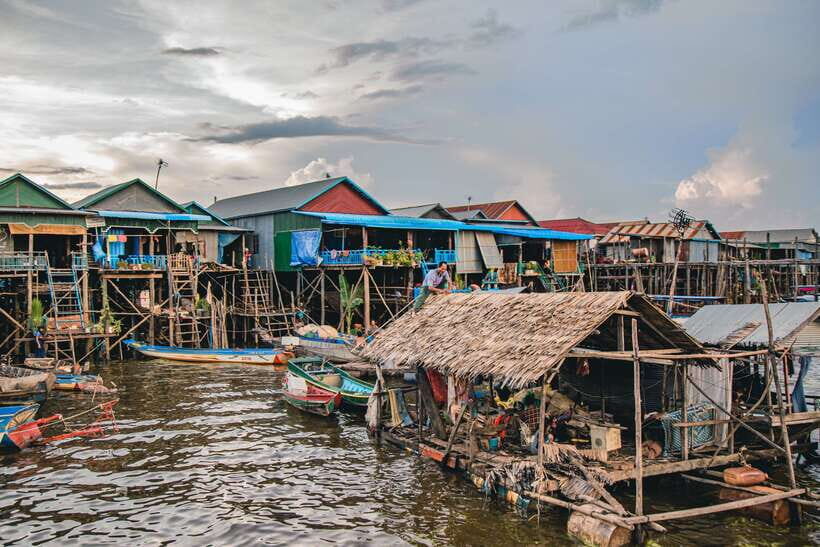
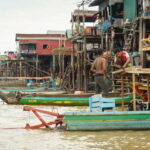
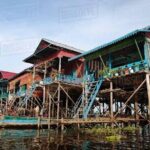
The morning includes Tonle Sap Lake, described as the largest lake in South East Asia. The plan includes visiting a floating village by boat, with attention on traditional life and daily routines shaped by the water environment. This is a key change in viewpoint: you’re seeing Cambodia through a system that’s seasonal and practical, not only spiritual and monumental.
After that, you go to Kampong Phluk Floating Village. The itinerary notes it’s worth visiting and also points out it’s a bit far from Siem Reap. That’s actually good to know. A long day-trip can feel tiring if you’re not emotionally ready for it, but it usually helps when you’re chasing something specific—and here the specificity is how people build daily life around the lake’s rhythms.
Then the day mixes in more Siem Reap-area cultural stops:
- Bakong, described as the first Khmer temple mountain of sandstone constructed by rulers of the Khmer Empire.
- Preah Ko, noted as the first temple built in the defunct city of Hariharalaya.
- Wat Preah Prom Rath, an older pagoda with well-preserved wall paintings from the 17th century.
- Artisans Angkor, a social business that creates job opportunities for young people in rural areas and revives traditional Khmer craftsmanship.
I like that mix because it keeps the day from becoming only “tourist boat ride time.” You still get stone culture and then a modern thread tied to craft and work.
Phnom Kulen National Park: Poeng Ta Kho views, the Reclining Buddha, and waterfall time
Day 5 is for nature plus sacred sculpture, and it’s where the tour asks for moderate physical fitness.
It starts at Phnom Kulen National Park, framed as an important area for unique features like a living cultural heritage and being the sandstone source for construction of Angkor temples. That matters because it links the temples you saw earlier to the raw material in the landscape—you’re not just looking at monuments; you’re following the source story.
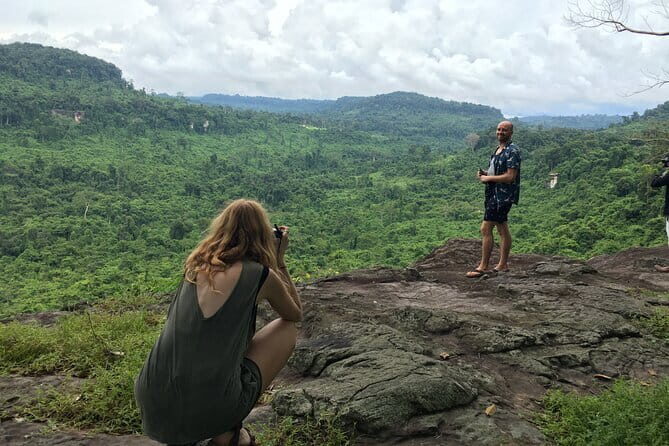
You then go to Poeng Ta Kho, also called Amazing Cliff, reached off the main road and described as offering impressive views across the canyon below. That’s your “catch your breath” viewpoint stop before the sacred sites.
Next is Preah Ang Thom, also referred to as the Reclining Buddha. The plan describes an 8-meter statue carved into a huge natural sandstone boulder. Whether you’re a details person or not, that kind of scale note is useful: it tells you this is not a small carving you have to hunt for.
Then comes Phnom Kulen Waterfall time. The tour text gives size details for two waterfalls: one around 25m wide and 5m tall, and another about 15m wide and 15m tall. You’ll have time at the water area, and the itinerary specifically references coming to swim in the river that forms the waterfall.
Practical consideration: waterfalls plus warm weather usually means wet ground and slipping risk. Wear shoes you can trust, and don’t plan to race through this section. The best experience here is slower, not sprinting to the next photo.
Hotels, pickup, and what “private” really means on this plan
This is a private tour, built for your group only, with pickup offered and airport welcome at Siem Reap Angkor International Airport. Your guide is waiting with a welcome signboard and your name, so the first contact is clean and low-stress.
Hotel stays are included with daily breakfast, and you choose the class: 3-star, 4-star, or 5-star properties (examples listed include Royal Crown Hotel & Spa, Kulen Central Hotel, and Angkor Paradise Hotel or similar). That choice can change the feel of the tour a lot. After early starts and travel days, a comfortable room and a real breakfast help you keep energy for the next day’s early morning.
One more practical win from the guide-driver pairing described in the notes you provided: drivers like Ree and Phiep are mentioned with air conditioning, a clean Toyota Highlander, frozen fresh towels, and cold water available. I can’t promise those exact details for every situation, but it does point to the kind of care you should expect in a well-run private operation—comfort items that reduce “small annoyances” pile-up.
Price and logistics: is $827.10 per person good value?
At $827.10 per person, the biggest question isn’t just whether it’s affordable. It’s whether you’re paying for convenience and included costs—or if you’d spend the same money piecing it together yourself.
Here’s what’s included based on the tour info:
- Accommodation in a hotel category you choose, with daily breakfast
- All entrance fees
- Private transportation
- Tours with an English-speaking license tour guide
- Breakfast for 5 days
- Mobile ticket mentioned as a feature
- Pickup offered, plus airport transfer on the last day without a guide
Value angle: Angkor tours can get expensive fast once you total entrance tickets, guide time, and private transport. This package bundles those items and keeps your schedule tight enough that you’re not paying for idle time. If your goal is maximum temples with minimal planning stress, the price starts to make sense.
Potential downside on value: You’re paying for a full, structured 6-day plan. If you’d rather travel slower, add free days, or focus on only one area of Cambodia, a fixed itinerary can feel like you’re buying time you didn’t need.
So I’d frame it like this: if you want a complete Cambodia highlights route with fewer decisions, this price reads fair. If you want flexibility, you may want a more open-ended plan.
Before you go: how to make the early mornings and long days easier
A schedule like this only works when you manage your energy. You’re looking at multiple temple days, a lake boat day, and a park day with viewpoints and waterfall time.
My best advice:
- Plan for sunrise wake-up mode after Day 1: start shifting into early-bird routine the night before.
- Pack for both dry walking and water stops. Water areas on Day 4 and Day 5 mean you’ll want shoes you can handle if things get wet.
- Pace your photos. With so many stops, the winning strategy is a “few great shots” approach, not hundreds of rushed ones.
- Expect moderate physical activity. The tour states moderate physical fitness is appropriate, so don’t treat it like a totally flat stroll tour.
If you’re going with a camera, this kind of guide setup tends to shine because the itinerary has you in the right places at the right times.
Should you book this Angkor Temples 6 Days Cambodia Tour?
I’d book it if your goal is a well-rounded Cambodia highlights route: Angkor Wat sunrise, a full Angkor Thom + Ta Prohm experience, the pink-stone artistry of Banteay Srei, Tonle Sap floating village time, and Phnom Kulen nature + sacred sights.
Skip it (or consider alternatives) if:
- You hate early mornings and won’t adjust your sleep.
- You want lots of unscheduled free time instead of a tight plan.
- You’re looking for only one theme (all-temples or all-nature) rather than a blended route.
If you’re comfortable with a structured 6 days and want someone to handle the entrances, guides, and transfers, this is the kind of trip that removes friction and keeps you focused on what you came for.
FAQ
How long is the Angkor Temples 6 Days Cambodia Tour?
The tour is approximately 6 days, covering pickup, temple visits, Tonle Sap Lake, Phnom Kulen National Park, and airport transfer at the end.
What’s included in the price?
The package includes accommodation (3-star, 4-star, or 5-star options), all entrance fees, private transportation, tours with an English-speaking license tour guide, and breakfast for 5 days.
Are hotel breakfasts included every day?
The tour includes daily breakfast during your hotel stay, and breakfast is listed for 5 days.
Is pickup included?
Yes. Pickup is offered, including a welcome at Siem Reap Angkor International Airport on Day 1.
Do I get to see Angkor Wat sunrise?
Yes. The schedule includes an early start (around 04:30 AM) for sunrise at Angkor Wat, followed by more time exploring the Angkor Wat complex.
Is this tour suitable for people with limited mobility?
The tour notes that travelers should have a moderate physical fitness level, which suggests it may not be ideal for everyone.
Can I cancel for a full refund?
You can cancel up to 6 days in advance for a full refund. If you cancel less than 6 full days before the experience start time, the refund amount changes depending on how close you cancel (down to no refund if less than 2 days before).