REVIEW · SIEM REAP
Koh Ker, Kulen Waterfall and Beng Mealea from Siem Reap
Book on GetYourGuide →Operated by Angkor Day Trip · Bookable on GetYourGuide
Koh Ker changes how you see Cambodia. This day trip strings together Phnom Kulen’s sacred stone sites, the remote pyramid temples of Koh Ker, and the overgrown wonder of Beng Mealea—so your Siem Reap day feels like a real change of scenery, not just another Angkor loop. Two big things I love right away: the early timing that helps you see the waterfall area with fewer people, and the mix of spiritual stops plus big outdoor walking.
I also really like how the day is guided with practical context. When guides like Tann (and others such as So, plus drivers like Trop and staff named Pan / Sopheaprath) explain what you’re looking at—then add cultural and even current-events background—it turns stone and trees into a story you can actually follow. One possible drawback: the day is long (about 10–12 hours) and includes climbing and uneven terrain, so plan for an active day, especially if you don’t love heat or stairs.
In This Review
- Key things that make this trip worth your time
- Why this day trip beats a second Angkor day
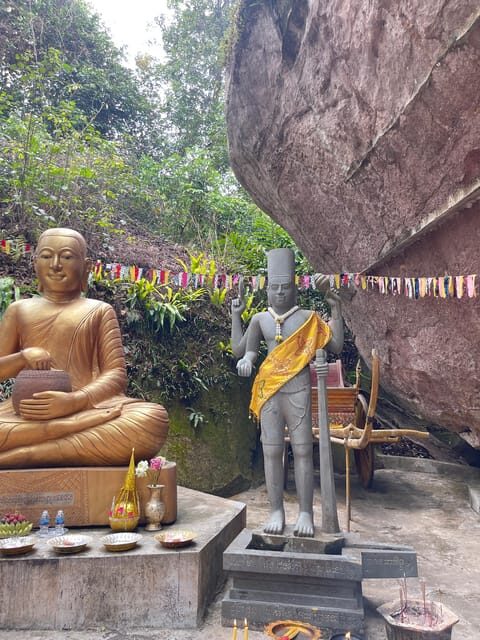
- Phnom Kulen morning: River of a Thousand Lingas and the reclining Buddha
- Kulen Waterfall: swim time and a breather from temple stone
- The drive to Koh Ker: why remote temples feel special
- Koh Ker temples beyond the main pyramid
- Beng Mealea: jungle temple ruins where nature does not wait
- The practical side: timing, transport comfort, and entrance fees
- What’s included vs. extra costs
- Who should book Koh Ker + Kulen + Beng Mealea
- Who might want to think twice
- Should you book this tour?
- FAQ
- FAQ
- What’s the duration of this tour?
- Is hotel pickup and drop-off included?
- What entrance fees should I plan for?
- Is the guide English-speaking?
- Does the tour include food?
- Does the tour offer a private group option?
Key things that make this trip worth your time
- Early start on Phnom Kulen helps you enjoy the waterfall and sacred areas before the biggest crowds
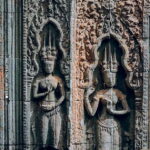
- River of a Thousand Lingas gives you that rare, close-up look at ancient carving details
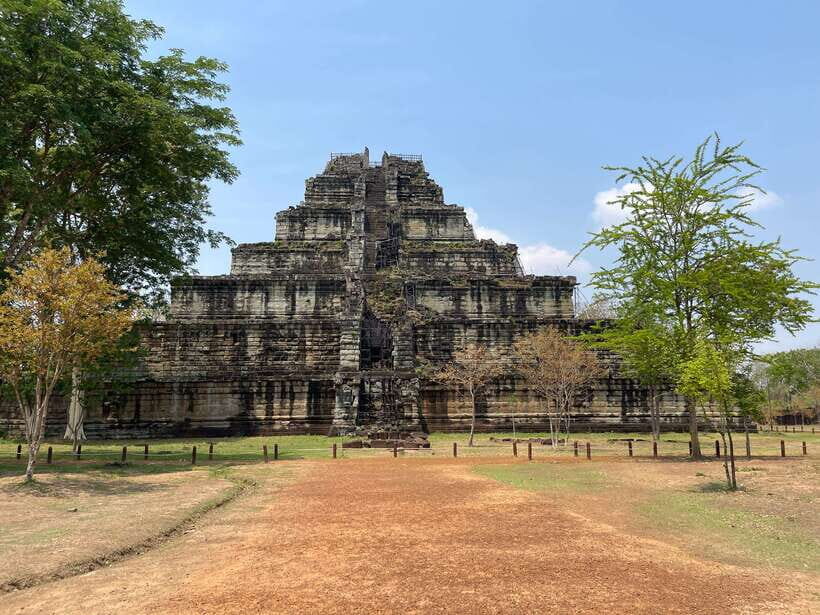
- Climbing Prasat Thom at Koh Ker rewards you with wide countryside views from the top tiers
- Beng Mealea’s jungle ruin density feels more swallowed by nature than many other temple sites
- Good touring rhythm: stops are packed, but the pace is generally not frantic
- Guide + vehicle comfort: you get bottled water, towels, and clear English explanations (plus many guides are also keen photographers)
Why this day trip beats a second Angkor day
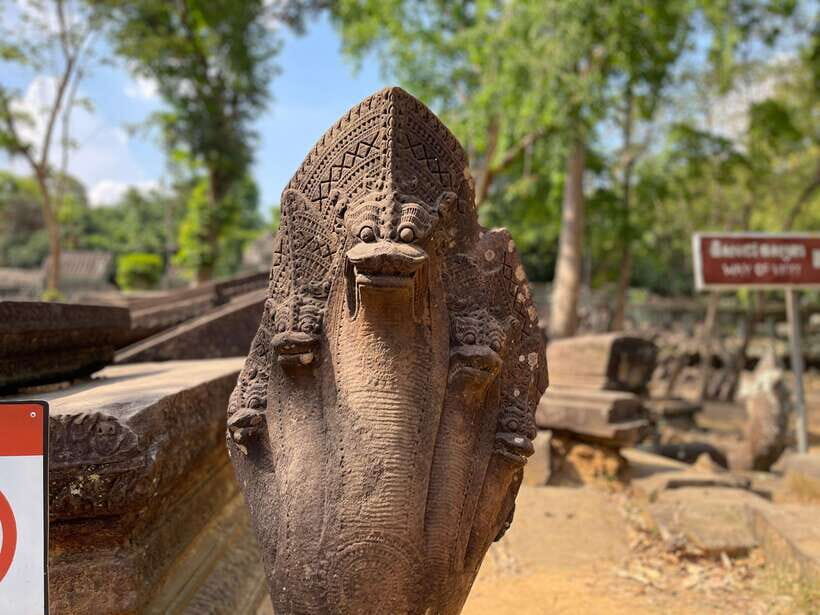
If you’re basing yourself in Siem Reap, it’s easy to feel like the only “real” sites are the famous ones. This trip gives you a different answer. It’s built around three places that feel worlds apart from one another: a sacred mountain and waterfall, a forgotten Khmer capital, and a jungle temple complex that looks like time stopped mid-collapse.
What makes it work for you is the variety. You’re not just looking at buildings—you’re moving through settings. One moment you’re walking near carved riverbed stones on Phnom Kulen. Next you’re climbing a steep pyramid temple at Koh Ker. Then you’re crossing wooden paths and stepping around fallen stones at Beng Mealea, where roots and trees seem to have claimed the stone galleries back.
You can also read our reviews of more tours and experiences in Siem Reap.
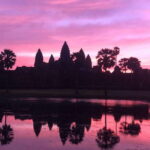
Phnom Kulen morning: River of a Thousand Lingas and the reclining Buddha
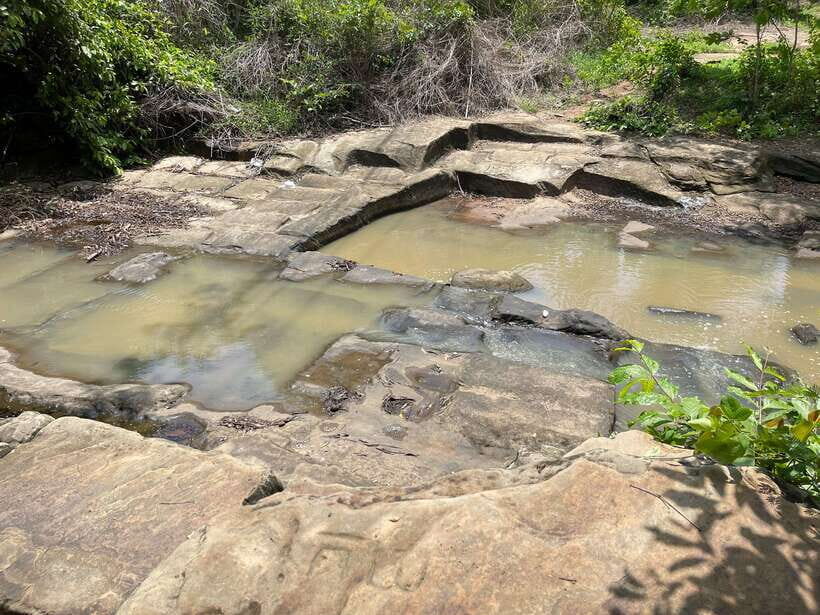
You start with Phnom Kulen National Park, the sacred mountain that pilgrims and locals treat with real reverence. The first standout stop is the River of a Thousand Lingas. Even if you know nothing about Hindu iconography, the carvings make immediate sense because they’re right there in front of you—ancient symbols laid into the riverbed.
This is one of those places where a guide actually matters. A good guide helps you read the details without turning it into a lecture. Guides in this program (including people like Tann and So, based on recent experiences) have a knack for explaining what you’re seeing and why it mattered, and they often add cultural context that makes the site feel alive rather than stuck in textbooks.
Then you head to the Reclining Buddha, a huge sandstone statue high on the mountain. The value here is twofold:
1) you get a powerful religious landmark you can see from a distance, and
2) you earn the views with the climb and altitude, so the panorama isn’t just a quick photo—it feels earned.
Practical note: this portion can involve steps and a steady walk. Wear grippy shoes, not sandals, and be ready for sun.
Kulen Waterfall: swim time and a breather from temple stone
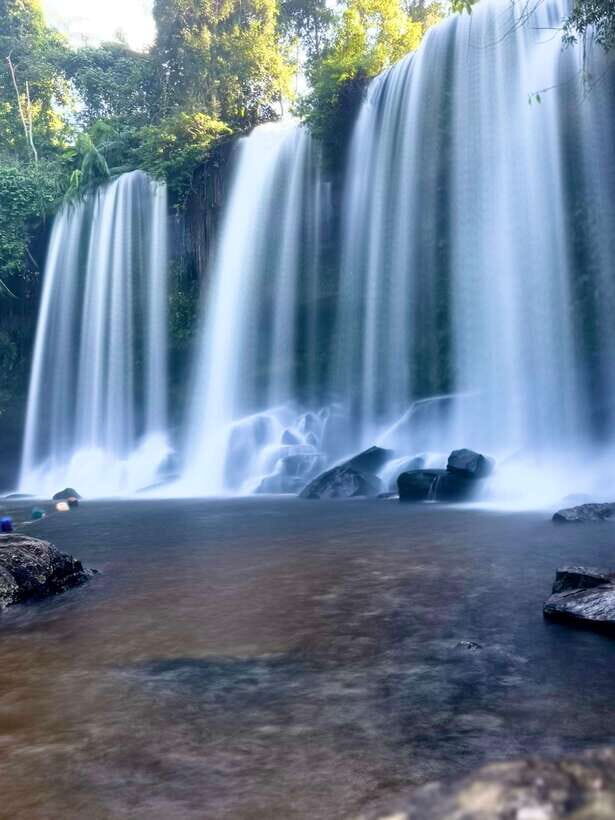
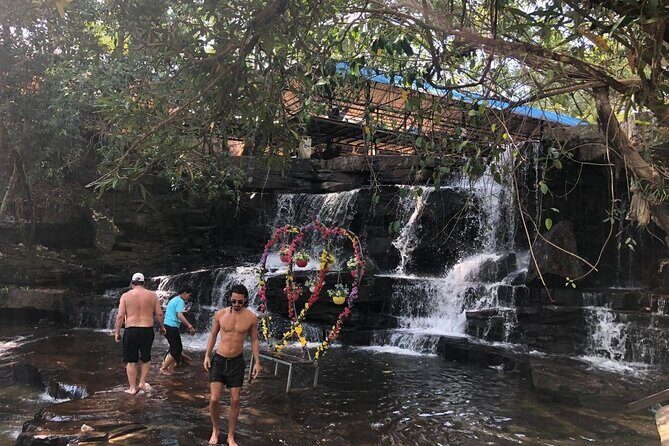
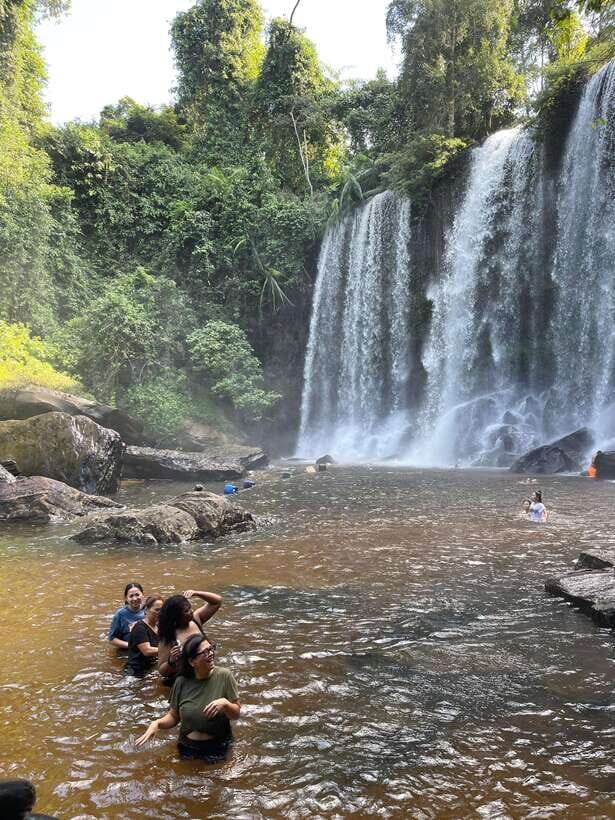
After the sacred sites, the day shifts into something much more physical and refreshing: Kulen Waterfall. It’s a two-tier cascade surrounded by thick green. The cool pools invite a swim, and even if you don’t swim, you’ll probably linger—this is exactly the kind of spot where your brain stops working and just watches water and trees.
I also like this timing because it breaks up the “temple-only” pattern. Your body gets a reset before the long drive to the next zone. Plus, early arrival tends to make the area more enjoyable. In past experiences shared by the people who did this trip, the early start helped them get time at the waterfall with fewer people around.
Consideration: bring swimwear if you want to use the water, but if you’d rather keep things simple, just plan to get wet shoes-and-socks levels. Waterfalls can mean slick rocks.
The drive to Koh Ker: why remote temples feel special
Getting to Koh Ker is part of the appeal. You’re leaving the easier, smoother tourist circuit and heading into a setting that feels more rural and quiet. The journey itself helps you mentally shift gears: you’re going from today’s busy Cambodia pace to a place where history feels less packaged.
Once there, you tackle the day’s biggest “wow” building: Prasat Thom, Koh Ker’s seven-tier pyramid temple. The climb to the top is a key moment. It’s not just for the photo—being higher changes how you see the temple’s scale against the surrounding countryside. It’s one of those experiences where you can feel why a capital city would want its monument to dominate the horizon.
If you can, take breaks during the climb. The heat and sun can make stairs feel longer than they look. A guide can also pace you based on your comfort level, and the nicer ones will make sure you’re not sprinting between steps.
Koh Ker temples beyond the main pyramid
What I like about Koh Ker in this format is that you don’t only do the headline site. You also visit smaller, lesser-known temples such as Prasat Pram, known for towers that look entwined with tree roots, and Prasat Neang Khmau, with its distinctive black sandstone structures.
Those two stops matter because they change the mood. Prasat Thom is monumental and engineered. Prasat Pram and Prasat Neang Khmau feel more textured—stone shaped by time, nature, and the slow return of forest.
You’ll also usually pause for lunch at a local restaurant near the area. One of the better surprises in people’s recent experiences is how good the lunch can be given how far removed the region is. It helps you avoid the common trap of “we stopped because it’s convenient,” because here the food can actually feel like part of the trip rather than a chore.
Tip: eat at a comfortable pace. The afternoon temple walking at Beng Mealea can move fast once you start exploring.
Beng Mealea: jungle temple ruins where nature does not wait
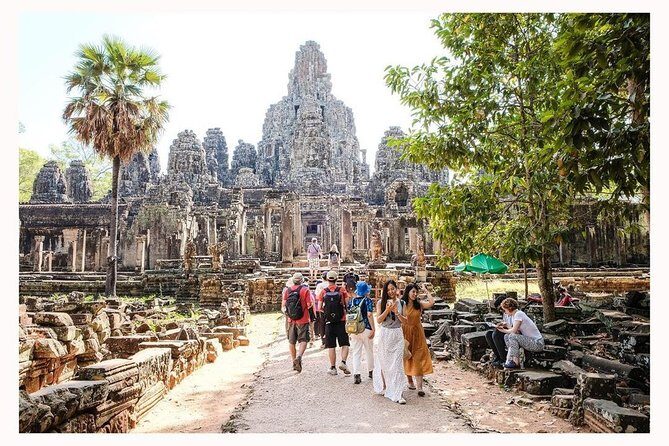
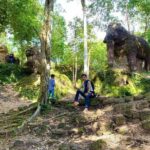
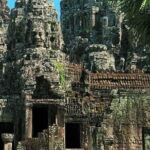
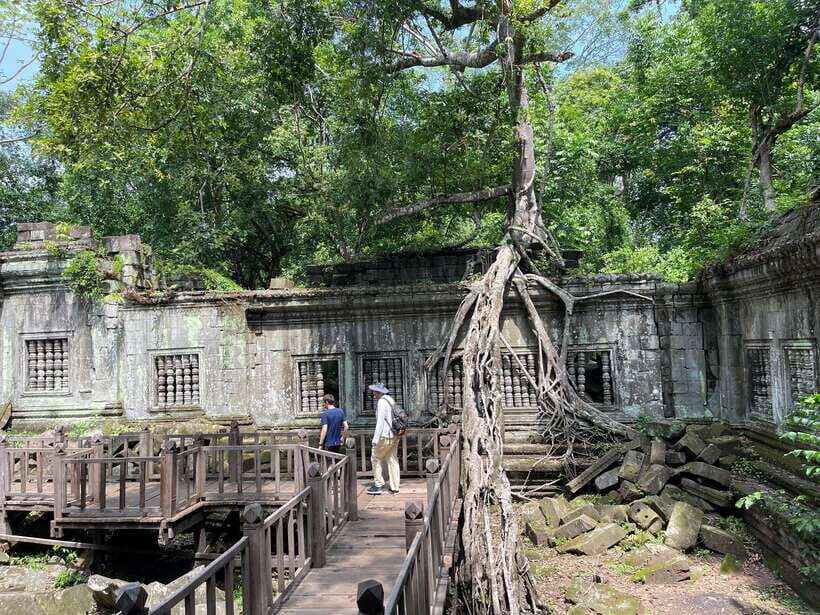
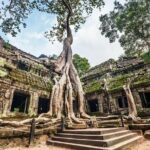
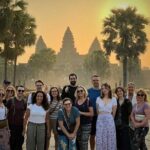
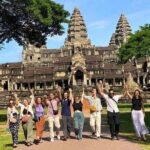
Then comes the most visually dramatic shift of the day: Beng Mealea, an early 12th-century temple complex that’s largely unrestored, with thick vegetation taking over stone galleries and courtyards. This is the kind of site where you can’t approach it like a museum. You explore by following pathways, stepping over fallen stones, and looking up constantly to see how trees and vines have connected with carvings and corridors.
You’ll walk along wooden pathways, then move through areas of fallen stone to reach smaller sanctuaries and carved sections. That sounds rough, but the payoff is real: you’re seeing temple architecture in a state closer to how it was found, not “finished” to look new.
In recent experiences, people who’ve seen other famous jungle temples rated Beng Mealea especially high for how densely the vegetation surrounds the ruins. And that makes sense. Beng Mealea doesn’t feel polished. It feels lived-in by the forest—like you’re walking through the moment before full recovery, or full collapse.
Photography tip that matters: bring a quick camera strategy. There’s always something above you—roots, tree trunks, broken lintels—and you’ll want some shots at chest height and some looking upward. Also, if the light is strong, shade your camera or phone briefly to avoid blown highlights on pale stone.
The practical side: timing, transport comfort, and entrance fees
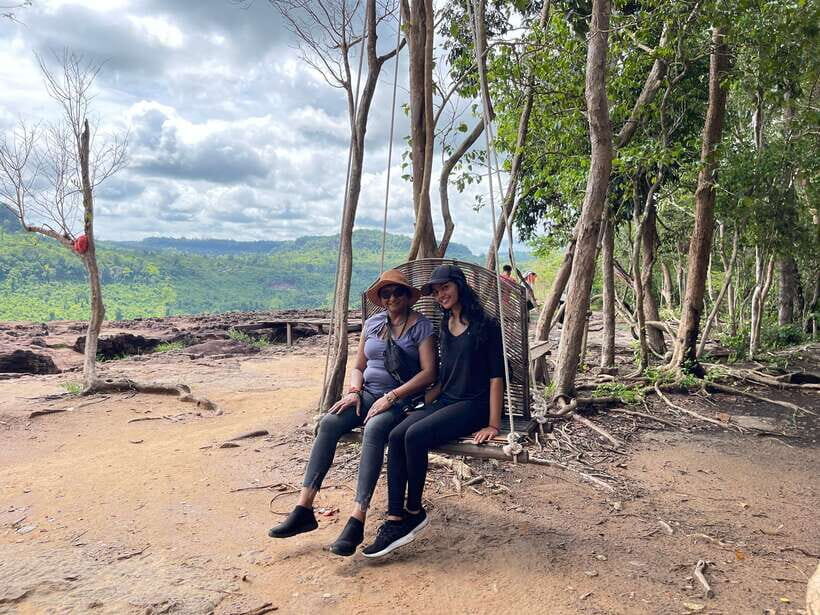
This trip is about a full day: roughly 10–12 hours with hotel pickup and drop-off in Siem Reap. Transportation is handled by an air-conditioned vehicle, and the small comforts help a lot over long distances—people have specifically noted bottled water and cool towels provided during the day.
One more practical point: you’ll get palm cake tasting as part of the included experience. It’s small, but it’s one of those details that makes the day feel less like transport between gates and more like actual local contact.
What’s included vs. extra costs
The tour price is $77 per person, and that includes: pickup/drop-off, an English-speaking professional guide, transportation, bottled water and towels, specified sightseeing, and the palm cake tasting.
You should budget for entrance fees that are not included:
- Kulen Mountain National Park: $20/pax
- Beng Mealea: $10/pax, or you can use a valid Angkor Pass
- Koh Ker Temple: $15/pax
- plus guide and driver tipping (not included)
That means your total cost depends on your pass situation. If you don’t have an Angkor Pass covering Beng Mealea, you could be looking at an extra $45 in entrance fees on top of the tour price.
For value, I think the key question is simple: does your “one-day budget” allow for three distinct sites that most people don’t fit together easily? If yes, this is good value for a packed, high-impact day.
Who should book Koh Ker + Kulen + Beng Mealea
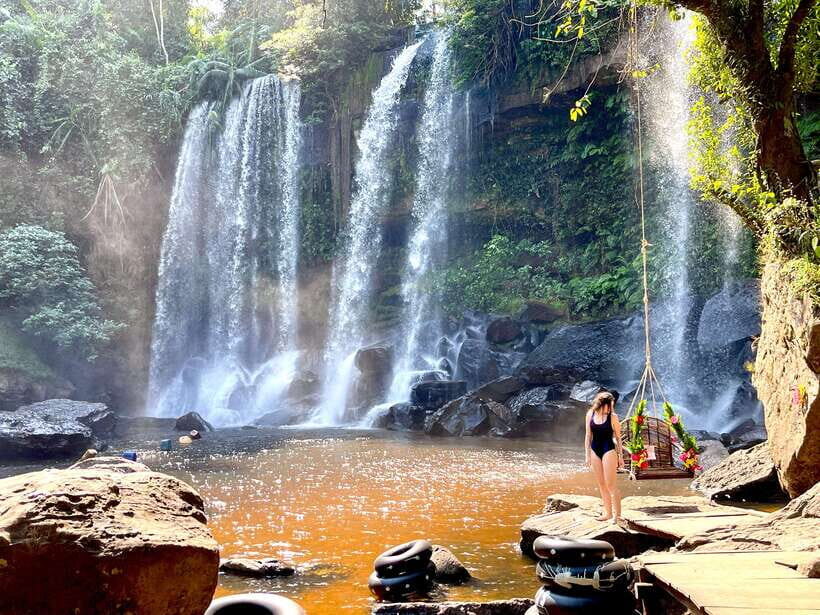
This trip is a strong fit if you:
- want to see more than just Angkor’s most famous temples
- like a day that mixes spiritual landmarks with outdoor scenery
- don’t mind active walking, stairs, and uneven terrain
- care about context, not just photos—especially if you appreciate guides who explain what you’re seeing
It’s also a nice choice for couples and small groups. Recent experiences mention small groups and guides taking care to help with photos—some guides even acted as unofficial photographers, creating lots of usable shots during the day.
Who might want to think twice
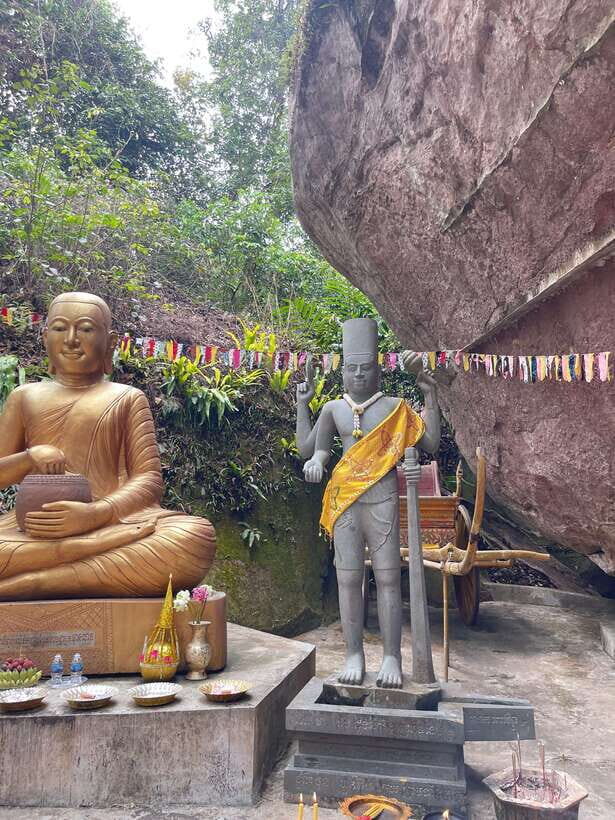
Consider skipping (or adjusting expectations) if you:
- dislike long driving days in the heat
- have trouble with stairs or climbing (Prasat Thom and mountain terrain at Kulen can be demanding)
- expect perfectly restored, easy-to-walk ruins everywhere—Beng Mealea is intentionally more raw and overgrown
This isn’t a lazy itinerary. It’s a “see a lot, feel a lot” day.
Should you book this tour?
Yes—if you want variety and you’re okay with a full, active day. The core strength is the combination: Kulen’s sacred river carvings and reclining Buddha, Koh Ker’s towering pyramid feel, and Beng Mealea’s jungle ruins in one go. That combo gives you a more complete sense of Cambodia beyond the usual postcard route.
If you’re on the fence, I’d make the decision based on two things: your tolerance for climbing and your willingness to pay a bit extra for entrance fees. With the included guide quality, transport comfort, and early timing advantage, you’re paying for access to places that are harder to string together yourself.
FAQ
FAQ
What’s the duration of this tour?
The tour runs about 10–12 hours from morning until you’re returned to your hotel.
Is hotel pickup and drop-off included?
Yes. You get free pickup and drop-off at city hotels (from the hotel lobby).
What entrance fees should I plan for?
Entrance fees are not included for:
- Kulen Mountain National Park: $20 per person
- Beng Mealea: $10 per person, or use a valid Angkor Pass
- Koh Ker Temple: $15 per person
Is the guide English-speaking?
Yes. The tour includes a professional English-speaking tour guide.
Does the tour include food?
The tour includes a palm cake tasting, but food isn’t included. Lunch is typically part of the day, but you should expect to pay for meals if not specified.
Does the tour offer a private group option?
Yes, private group availability is offered.