REVIEW · SIEM REAP
Kullen Waterfall Park with Small Group included entrance fee
Book on Viator →Operated by Siem Reap Experiences · Bookable on Viator
Phnom Kulen feels like a break from Siem Reap. This small-group day trip mixes ancient Khmer sites with a real nature payoff at Kulen Waterfall, plus you’ll hear why the area matters. I like that the day includes the park entrance and a steady rhythm of walking, viewpoints, and cultural stops. One thing to keep in mind: depending on the season and conditions, the One Thousand Lingas carvings and the waterfall swim time can be less ideal.
The small-group size (up to 13) makes it easier to ask questions and get photo help, and the English-speaking guides often keep the stories clear and practical. I also like the comfort extras: an air-conditioned vehicle, cool water and wet towel, and smooth pickup/drop-off. The only drawback is the Landmine Museum is not included in the base price, so you’ll decide on the spot if you want that added cost.
In This Review
- Key Points You’ll Care About on This Siem Reap to Phnom Kulen Day
- Getting Out of Siem Reap: What the Pickup and 8 Hours Really Feel Like
- Why Phnom Kulen National Park Is the Main Event (Not Just a Detour)
- One Thousand Lingas: A Quiet River Walk With 800 AD Roots
- Preah Ang Thom Pagoda: Views and a Reclining Buddha Moment
- Kulen Waterfall: Holy Water, a Man-Made River Story, and Time to Cool Off
- Cambodia Landmine Museum + Palm Sugar Making: Optional, Fast, and Real-World
- The $45 Price: What You Get, What You Pay Extra, and Why It Adds Up
- Small-Group Touring in Action: Guides, Photos, and a Comfortable Ride
- What I’d Watch For Before You Go (Season, Visibility, and Swim Plans)
- Who This Tour Fits Best (And Who Might Want a Different Plan)
- Should You Book Kullen Waterfall Park With Small Group Included Entrance Fee?
- FAQ
- What does the $45 price include?
- Is pickup from Siem Reap included?
- How long is the tour?
- What time does the tour start?
- Is this a small group?
- Does the tour include entrance fees for all stops?
- How much does the Landmine Museum cost if I want to visit?
- Is food included in the price?
- Do I need cash for tickets?
- What is the cancellation window?
Key Points You’ll Care About on This Siem Reap to Phnom Kulen Day
- Small group, max 13 travelers means less crowd pressure at the monuments and viewpoints
- Park entry included ($20) plus an English-speaking guide and air-conditioned transport
- One Thousand Lingas: riverbed carvings dating back to about 800 AD
- Kulen Waterfall time for the holy-water theme and a chance to cool off
- Landmine Museum is optional (USD 3) and fits into a 45-minute stop
- Mobile ticket + wet towel help you start the day quickly and feel better outdoors
Getting Out of Siem Reap: What the Pickup and 8 Hours Really Feel Like
This tour runs about 8 hours starting at 8:30 am, with pickup and drop-off included back at the meeting point near Siem Reap Pub Hostel behind the Angkor Night Market. It’s designed as a full day, but it doesn’t feel like a chaotic scramble. The vehicle is air-conditioned, and you’re not left sweating through the entire ride.
If you like a day that has both movement and breathing room, this schedule works. There’s time to walk at the national park sites and a couple longer stops for temples and viewpoints, not just fast photo stops. The pace also helps because Phnom Kulen is a bit of an escape: it’s a more remote stretch of small mountain plateaux, so you’ll feel the change from the city.
A big practical plus is that you get cool water and a wet towel during the day. In the experience reports I saw, the transport was kept clean, wipes were offered when you got back on the minivan, and cold water showed up at the right moments. That kind of small comfort matters when the sun is high and your day is outdoors.
You can also read our reviews of more tours and experiences in Siem Reap.
Why Phnom Kulen National Park Is the Main Event (Not Just a Detour)
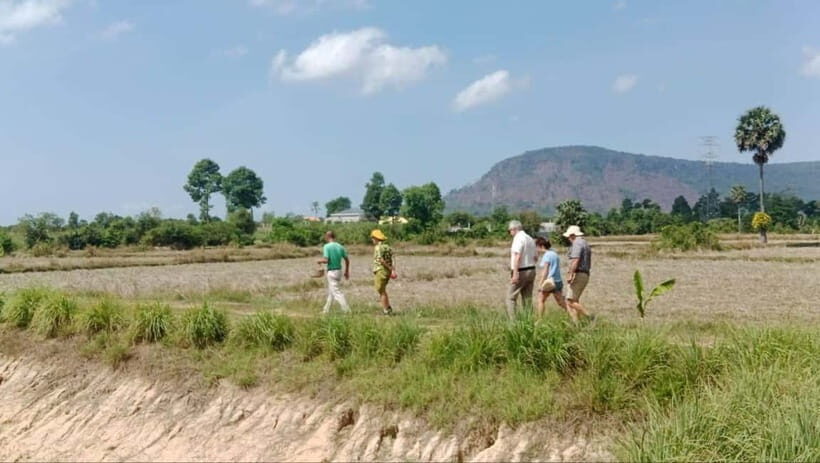
Stop 1 is the national park area at Phnom Kulen, described as an isolated chain of small mountain plateaux of moderate height. You don’t just roll up, take a couple pictures, and move on. You start climbing and get a sense of the terrain before you reach the more iconic sacred spots.
One detail I like from the route is the way the day connects nature with human use of the area. You’ll stop midway as you climb to see a quarry where people cut stone. Even if you’re not a geology person, it helps you understand that this isn’t just scenic scenery. It’s also a working landscape that shaped building materials and local life.
You’re in this first segment for about 1 hour 15 minutes with the park admission included. That length is just right: long enough to feel you’ve arrived, not so long that you burn out before the cultural highlights.
One Thousand Lingas: A Quiet River Walk With 800 AD Roots
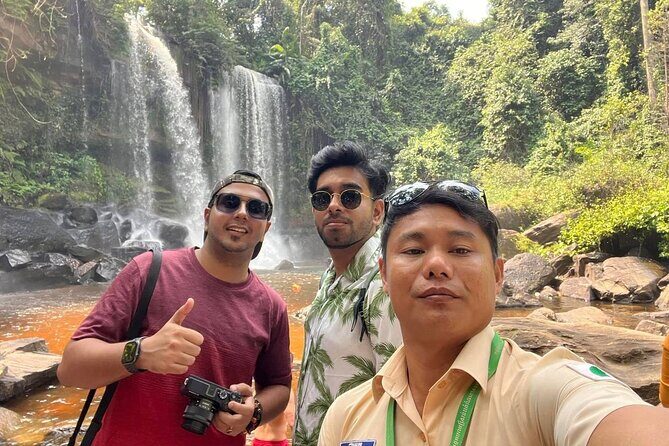
The signature stop is One Thousand Lingas, carved into riverbed rock about 800 AD. The route is set up for a calm walk through the river area where you can see the lingas in different sizes. This is where the trip earns its cultural credibility because you’re not looking at a single statue behind glass. You’re reading a landscape.
I like how this stop is paced. Instead of a loud, rushed market-like vibe, it’s described as a tranquil river walk. That matters because lingas are easier to appreciate when you slow down and notice the details at ground level.
There’s also an element that’s easy to miss: water level affects what you can see. The carvings are in the riverbed, so if conditions aren’t favorable, the visibility can be reduced. When the water is higher, it can both change the look of the river route and affect how easily you can spot the lingas. If you care most about seeing the lingas clearly, plan around seasonality when possible.
This is about 2 hours on the schedule and includes admission ticket coverage. You’ll likely spend a lot of time simply walking, pausing, and comparing sizes—because the whole point is the scale and repetition of the carvings.
Preah Ang Thom Pagoda: Views and a Reclining Buddha Moment
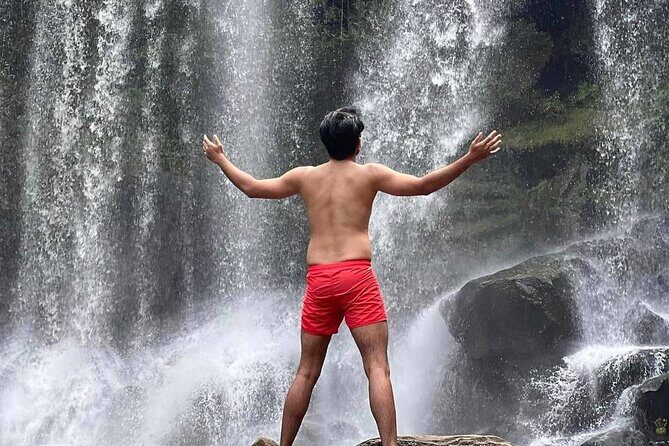
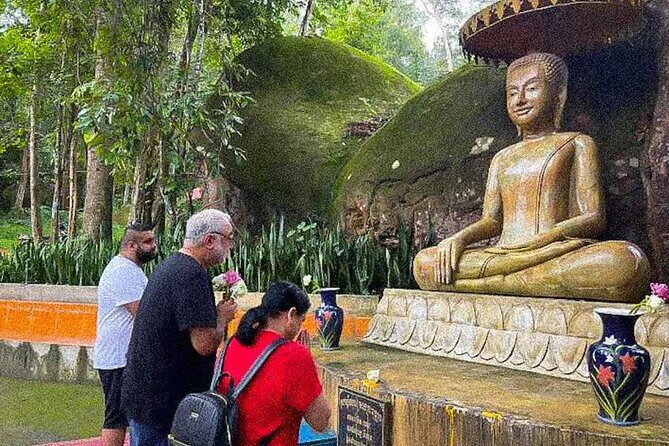
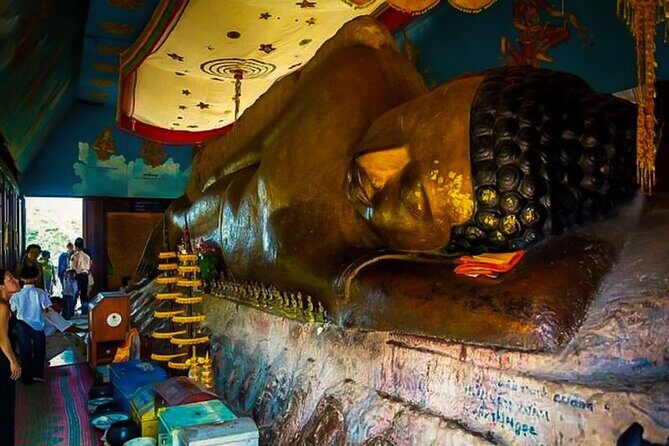
After the river carvings, the tour heads to Preah Ang Thom pagoda, near Kulen Mountain and the Thousand Lingas area. This stop is listed as having a reclining Buddha statue that’s said to be the largest in Cambodia. Since that claim is phrased as a comparison, treat it as a widely shared description rather than a verified measurement you’re meant to fact-check on site.
The temple itself works well in the day because it shifts the focus from riverbed detail to hill views and a larger sacred structure. You’ll be on this stop for about 2 hours. Admission here is listed as free, so it’s a low-cost cultural moment within an already value-rich day.
What to expect: the viewpoint element tends to make this one of those stops where you stop walking and just look around. If you’re taking photos, this is often when the photos turn from quick snapshots into actual scenes.
One more practical note: because it’s on the hill, it can feel hotter and more exposed if the sun is strong. Your guide may pace breaks, but you’ll still want to manage your energy.
Kulen Waterfall: Holy Water, a Man-Made River Story, and Time to Cool Off
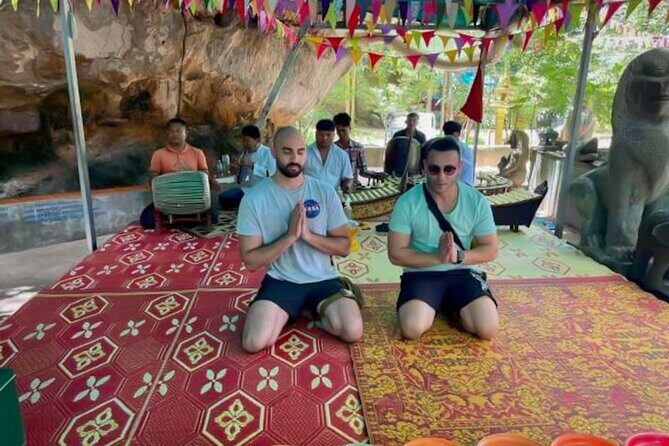
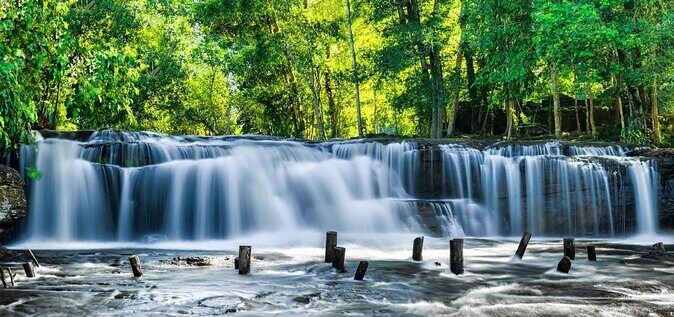
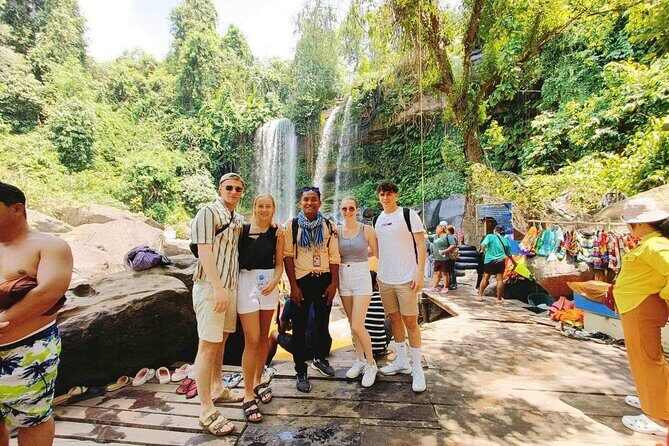
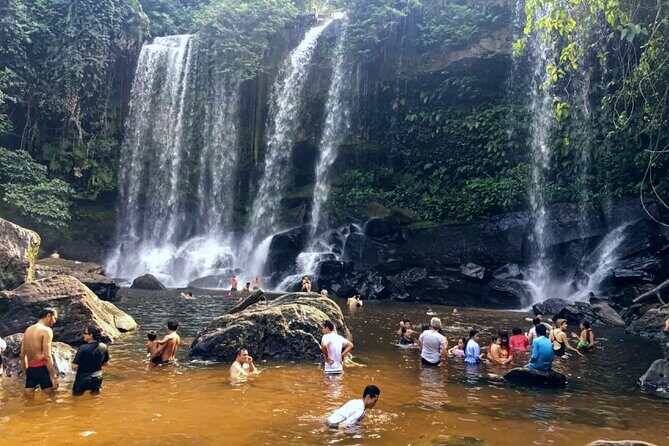
Then comes the big outdoors reward: Phnom Kulen Waterfall. The description frames Kulen Waterfall as holy water from the Hindu god Shiva. That theme matters because the waterfall isn’t presented as random nature—it’s tied to spiritual meaning through the local “holy water” concept.
There’s also a practical, local-life explanation built into this stop. The day notes a man-made river that was important for communities along the Mekong for activities like making rice fields and cooking. That’s a helpful angle. You’re not only watching water fall; you’re being shown how water shaped daily survival and farming patterns.
You get about 2 hours here, with admission included. This is also the stop where you can refresh with a dip, and some departures make swimming possible depending on water conditions. If you’re hoping for a swim, the season and flow matter. In some cases, the waterfall area may not be as swim-friendly, even though it’s still the best place to cool down.
So my advice is simple: treat the waterfall as a chance to enjoy the water and the cooling break, not as a guaranteed pool experience. If the water is moving strongly and the timing works, you’ll likely love it. If it’s not, you can still enjoy the falls and the story.
Cambodia Landmine Museum + Palm Sugar Making: Optional, Fast, and Real-World
Stop 5 is the Cambodia Landmine Museum, with about 45 minutes set aside. The museum is not included in the base price, and the cost is listed as USD 3. That means you’ll pay an add-on if you choose to visit, even though it’s part of the broader route.
What I appreciate about including this stop in the same day is that it brings the tour beyond temples and nature. It puts a human consequence behind Cambodia’s landscape history. The museum is described as having been established by former child soldier Aki Ra, and the stop is listed alongside a relief facility.
Before the museum, the tour also includes a palm sugar experience: about 1 hour at local palm sugar traditionally hand-made. This is a different kind of lesson. You get to see a rural craft process tied to everyday life, not just an ancient monument viewed from a distance.
In short, this is the portion where the day shifts from sacred and scenic to difficult and grounded. If you want a softer ending, you might spend your time in the museum carefully and then use the remainder of the day to decompress at the earlier stops. If you want the full emotional range of Cambodia, this is the part you should not skip.
The $45 Price: What You Get, What You Pay Extra, and Why It Adds Up
At $45 per person, you’re paying for a lot of logistics that would cost extra if you booked everything separately. The price includes the park entrance fee listed at $20, plus air-conditioned vehicle transport, an English-speaking guide, pickup/drop-off, and cool water with wet towel. You also get mobile ticket entry for the included sites.
That’s the key value point: entrance fees and transport are doing the heavy lifting. If you compare a DIY plan, you’d still need a driver and transport to reach Phnom Kulen, and you’d likely pay separate site fees once you’re there.
What’s not included is food, and the Landmine Museum admission is extra at USD 3. That’s not a deal-breaker, but it is something to plan for so you don’t feel surprised at the end.
Overall, I think this is solid value if you want a one-day loop that covers multiple major stops without you having to coordinate transport, tickets, and guiding. The small group size also improves the experience for many people because you spend less time waiting and more time asking questions.
Small-Group Touring in Action: Guides, Photos, and a Comfortable Ride
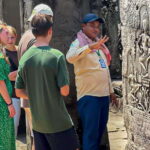
This is where the tour seems to win hearts. Multiple guides were mentioned in the experiences tied to this trip, including Chout, Makara, and Pheap (plus Caout, Leap, and Toon in different roles). The common thread is clear: guides are friendly, share historical context, and are willing to help with photos and videos.
You can also feel the difference between a big group day and a small group day at places like the Thousand Lingas river walk. When you’re not in a swarm, it’s easier to pause and look without feeling rushed. When you need a picture, there’s usually a smoother rhythm to taking it.
Comfort-wise, the minivan experience matters more than you might think. The tour includes an air-conditioned vehicle. In at least some departures, the vehicle was cleaned between segments, and wipes plus cold water were offered. That’s exactly the kind of attention that helps a day feel organized.
What I’d Watch For Before You Go (Season, Visibility, and Swim Plans)
This kind of day trip is mostly about expectations. You’ll see sacred carvings, a hill pagoda, and waterfall nature. But conditions affect how perfect the day feels.
First, consider water visibility at One Thousand Lingas. If the river conditions don’t expose the carvings as clearly, the effect can be less dramatic than you hoped. Second, the waterfall dip can vary. The schedule gives you time for a refreshing break, but whether swimming is practical depends on the water and the area conditions on the day.
If your priority is maximum water flow and stronger waterfall conditions, you may want to plan around the months when rainfall and flow are typically higher. One practical tip I picked up is that many people recommend January to March for stronger waterfalls, with the lingas more visible when the water conditions help reveal the carvings.
Even with perfect timing, bring a mindset for “nature variability.” You’re in a rainforest national park. It’s alive. When you accept that, the day feels more like a story and less like a checklist.
Who This Tour Fits Best (And Who Might Want a Different Plan)
This works especially well if you:
- want a single day trip from Siem Reap that hits multiple Phnom Kulen highlights
- prefer a small group (max 13) instead of a big bus crowd
- like learning the meaning behind sites, not only taking photos
- want a mix of temples, river carvings, waterfall time, and a real-world museum stop
It might be less ideal if you:
- need guaranteed swimming time at the waterfall regardless of conditions
- want long free time at any one place (this tour keeps moving through five major stops)
- are trying to keep costs ultra-tight, since the Landmine Museum adds USD 3 if you choose to go
If you’re the type who likes structure, comfort, and a guide’s context, you’ll likely enjoy this day a lot.
Should You Book Kullen Waterfall Park With Small Group Included Entrance Fee?
I’d book this tour if you want an efficient, well-paced day that combines Phnom Kulen National Park with the big cultural hits: the One Thousand Lingas and Preah Ang Thom, then a real nature reset at Kulen Waterfall. The price feels fair because the park entrance fee is included, transport is handled, and you get guide support plus basic comfort touches like wet towel and cool water.
I’d think twice only if swimming and perfect visibility are your top priorities. Nature can change the riverbed experience and how much the waterfall area allows. In that case, you might still enjoy the cultural stops and viewpoints, but you should plan for “good chance” rather than “guarantee.”
If you can match the trip to better flow months, this one becomes an easy yes.
FAQ
What does the $45 price include?
The tour price includes air-conditioned vehicle transport, an English-speaking guide, all fees and taxes for the included stops, and the park entrance fee of $20. You also get cool water and a wet towel, plus pickup/drop-off and a mobile ticket.
Is pickup from Siem Reap included?
Yes. Pickup and drop-off are included, and the tour starts at Siem Reap Pub Hostel behind the Angkor Night Market.
How long is the tour?
The duration is listed as about 8 hours.
What time does the tour start?
The start time is 8:30 am.
Is this a small group?
Yes. The maximum group size is listed as 13 travelers.
Does the tour include entrance fees for all stops?
Park entrance is included. Preah Ang Thom pagoda admission is listed as free, while the Landmine Museum is not included (USD 3).
How much does the Landmine Museum cost if I want to visit?
The Landmine Museum is listed as USD 3, and it’s described as an optional part of the tour.
Is food included in the price?
No. Food is not included.
Do I need cash for tickets?
You’ll use a mobile ticket for the included admissions, based on the tour info. The Landmine Museum cost is listed separately.
What is the cancellation window?
Free cancellation is available up to 24 hours in advance for a full refund. If you cancel less than 24 hours before the start time, the amount paid is not refunded.