REVIEW · SIEM REAP
2 Days Discover Angkor Wat Complex and Cambodia’s Villages Tours
Book on Viator →Operated by Angkor Visitor · Bookable on Viator
It’s not just temples; it’s the whole Angkor experience. This 2-day tour strings together iconic Angkor Wat views, the spellbinding jungle-faced Ta Prohm, and then pairs that with countryside villages and Tonle Sap life at Kompong Phluk. I like having an English-speaking guide such as Praim (and Khim on another booking) who keeps the pace comfortable and explains things in a clear way, plus the small-group feel with your own private SUV or mini van.
One thing to plan for: the big temple and lake costs are not included. You’ll pay entrance fees at the sites (Angkor Wat and other temples, plus Beng Mealea) and you’ll also need the admission and private boat ride fee for Tonle Sap Great and the floating village area. There’s also a moderate physical fitness expectation, because you’ll be walking around ruins and uneven paths.
Still, this route is a strong value if you want an efficient plan without sacrificing the quieter parts of the region. You start early (5:00 am), and the air-conditioned ride with cold water and towels helps a lot when the day heats up.
In This Review
- Key highlights I’d circle on your plan
- Entering Angkor Wat Complex before the crowds thin out
- Ta Prohm and Bayon: where stone meets nature and meaning
- Ta Keo and the quick stop strategy that avoids fatigue
- Beng Mealea: why the ruins feel wilder and more “alive”
- Kampong Phluk and Tonle Sap: village life on the water
- Price and value: what the $235 covers, and what you’ll pay extra
- What the included comfort adds up to on real days
- Practical tips so you get more from every stop
- Who should book this 2-day Angkor and villages plan
- Should you book this tour?
- FAQ
- FAQ
- What time does the tour start?
- How long is the tour?
- What does the $235 price include?
- Are meals included?
- What entrance fees should I budget for?
- Does the tour include pickup?
- Is this a private tour?
- What kind of physical fitness do I need?
- What is the cancellation window?
Key highlights I’d circle on your plan
- Private tour for up to 10 people with an air-conditioned SUV/mini van just for your group
- 5:00 am departure to get a good start on Angkor’s temples
- A guide who can tailor the day (including photo help, if you want it)
- A mix of famous and less-touristy ruins, including Beng Mealea
- Tonle Sap at real village scale with Kampong Phluk on stilts and a boat ride
Entering Angkor Wat Complex before the crowds thin out
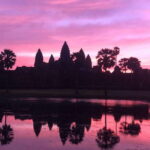
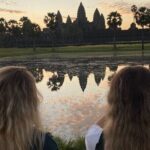
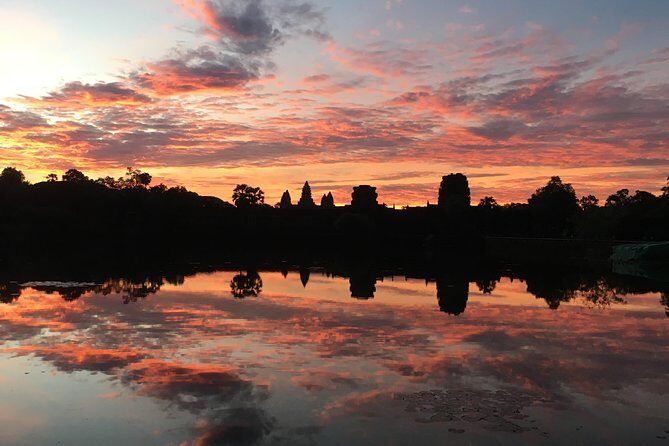
Start time is 5:00 am, and that matters more than you’d think. Angkor is huge, and you’ll move faster when you’re not fighting lines, midday heat, and the slow chaos that builds later. The tour uses an air-conditioned vehicle from Siem Reap, so you’re not stuck baking on the ride over.
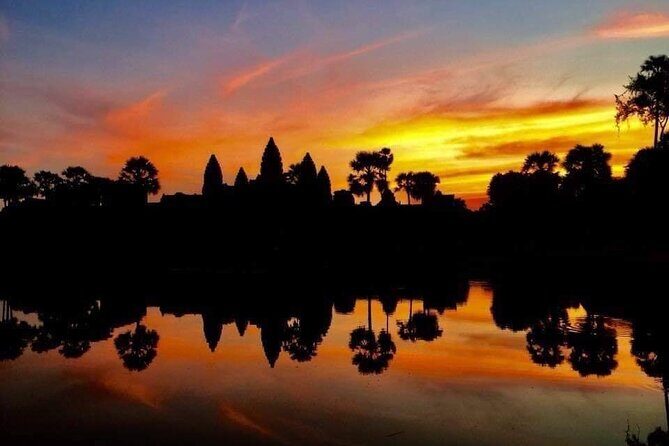
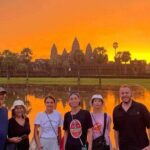
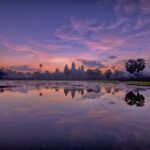
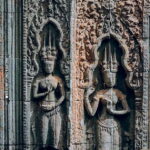
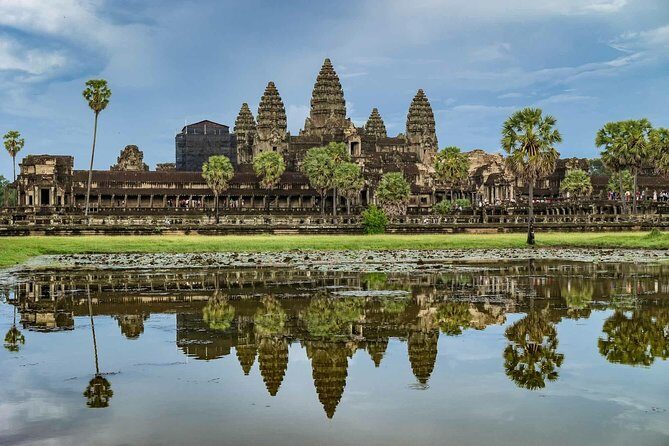
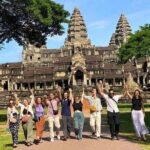
At Angkor Wat, you get about 2 hours. This is one of the largest religious monuments in the world, built on a 162.6-hectare site. It was originally a Hindu temple dedicated to Vishnu, which is a key piece of context because it changes how you read the carvings and layout. Even if you’ve seen photos, being there in person helps you understand the geometry: the complex is laid out to feel ceremonial and staged, not like a random cluster of buildings.
What I like about doing Angkor Wat first is that it gives you your bearings. Once you understand the main axes and the way the space is organized, the next temples start to make more sense.
Consideration: Angkor is a walking day. Even with a guide, you’ll be on stone, stairs, and uneven surfaces, so comfortable shoes aren’t optional.
A few more Siem Reap tours and experiences worth a look

Ta Prohm and Bayon: where stone meets nature and meaning
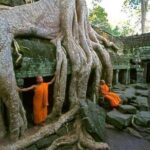
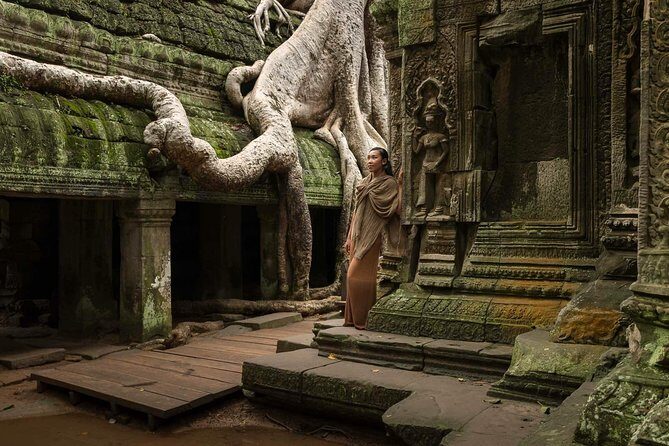
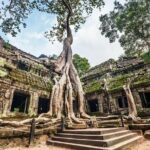
After Angkor Wat, the tour moves to Ta Prohm for about 1 hour. This is the jungle temple most people recognize: huge trees and massive roots growing out of the walls. The fact that it was featured in The Tomb Raider is a fun pop-culture bridge, but the real value is seeing how the roots and stone coexist. Nature didn’t just “ruin” the temple; it became part of the temple’s identity.
If you like photography, this is one of the easiest spots to get good shots. The guide can also help with timing and angles—there’s something very practical about having an English-speaking guide who knows where light hits and how people tend to cluster.
Next comes Ta Keo (about 30 minutes). It’s one of the taller monuments, with five sanctuaries on top of a 22-meter high five-stepped pyramid. For me, it’s a nice contrast after Ta Prohm. Ta Prohm feels dramatic and tangled; Ta Keo feels more structured and vertical.
Then you head into Angkor Thom for about 30 minutes, plus stops at the Terrace of the Elephants and Bayon. The tour gives you short but focused windows here—enough time to understand what you’re looking at without turning it into a marathon.
- Angkor Thom is an ancient city built around 1181 AD under Jayavarman VII. It’s almost square, surrounded by 8-meter high walls.
- The Terrace of the Elephants is part of that walled city. It served as a platform for the king to view victories.
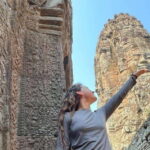
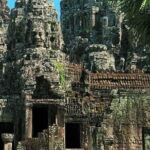
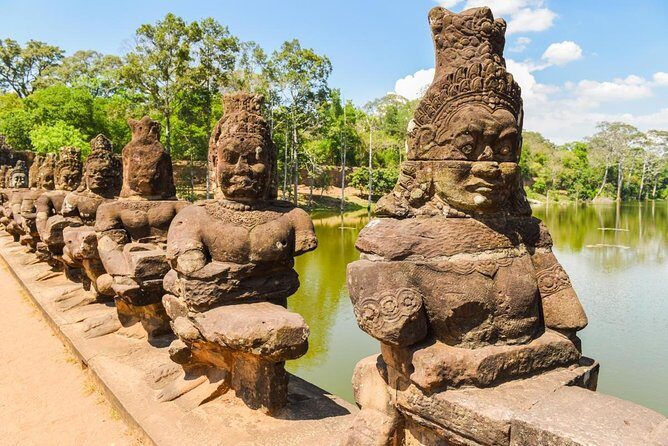
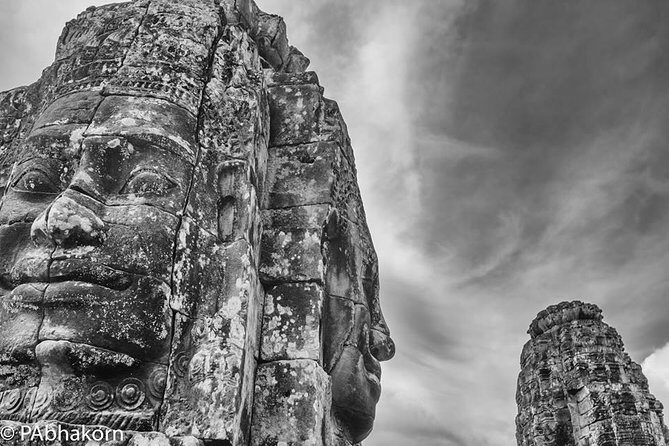
- Bayon (about 1 hour) is the temple famous for its “four stone smiling faces” (really stone faces associated with the Buddha image tradition). It was built in the late 12th or early 13th century as the state temple of the Khmer kings.
These stops are compact, but the benefit is that the guide ties them together. With a good explanation, Bayon stops being just “faces on towers” and starts to feel like part of a political and religious system at work.
Ta Keo and the quick stop strategy that avoids fatigue
A small but smart detail is the way the Day 1 route is paced. You don’t get stuck for hours at one place, and you don’t rush past everything either. The tour includes quick hits like Ta Keo and the Terrace of the Elephants, then returns to longer time blocks where it makes sense (Angkor Wat and Ta Prohm, plus Bayon).
This matters because Angkor can wear you down fast. Even with the guide handling the flow, your energy depends on heat, walking, and how often you stop to look. Shorter segments keep your brain engaged, not just your legs exhausted.
If you’re traveling with kids or friends who don’t love ruins for hours, this style of timing can feel more fair. If you’re a temple superfan, you might still want a longer stay later on your own—but as an overall 2-day sampler, it’s efficient.
Beng Mealea: why the ruins feel wilder and more “alive”
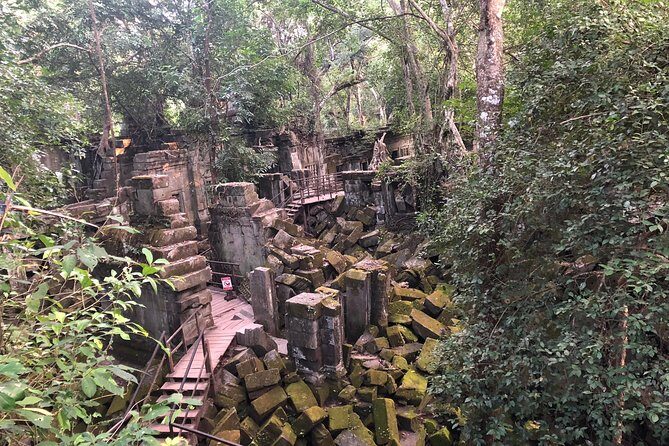
Day 2 starts with Prasat Beng Mealea for about 2 hours. This is one of the best ways to balance Angkor Wat’s landmark fame. Beng Mealea is largely unrestored, and it feels more like you’re stepping into a ruin that hasn’t been smoothed for crowds.
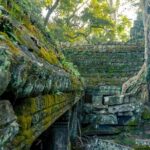
It was built as a Hinduist temple, though you’ll find carvings that depict Buddhist motifs. The primary material is sandstone, and the site is thick with trees and brush. That’s not a complaint—it’s the point. You’re not just looking at carved stone panels. You’re seeing how the place grows back over time, and how the structure holds up even when nature takes over.
Practical note: Because it’s less restored, pathways can be rough and visibility can be tricky in places. If you prefer very polished, easy-to-walk sites, this might feel tougher. If you love “real ruin” energy, you’ll likely enjoy it.
The time here is longer than Ta Keo and the Terrace, which helps. You need a little patience at Beng Mealea to absorb the scale.
Kampong Phluk and Tonle Sap: village life on the water
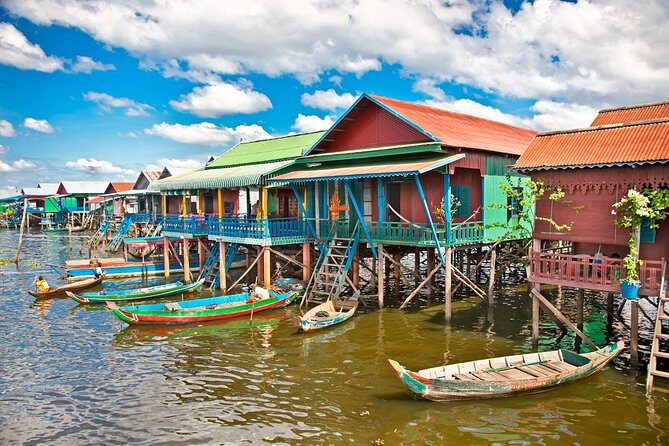
After Beng Mealea, the tour shifts toward everyday Cambodian life with Kampong Phluk, also called a floating village area, for about 2 hours. Kampong Phluk is a commune and village in Siem Reap Province built on stilts on the Tonle Sap. The name means Harbor of the Tusks, and the community largely depends on the water and what it provides.
Then you’ll spend about 1 hour at Tonle Sap Lake, known as the biggest freshwater lake in Southeast Asia. Tonle Sap is seasonally inundated—its water levels change over time—so the village life you see here makes more sense when you understand that this isn’t a static “pond scene.” The lake’s cycle shapes the homes, the daily work, and how the whole community functions.
To do this part properly, you’ll need the admission and private boat ride fee included as a separate cost (listed as $22.00 per person). The tour includes that lake experience because Tonle Sap’s scale is hard to appreciate from shore alone.
What you’ll notice fast: It feels less like sightseeing and more like witnessing a living system. Even when you’re just walking the stilt pathways or watching the rhythm of water life, you get a clearer picture of how Cambodian geography becomes daily routine.
Price and value: what the $235 covers, and what you’ll pay extra
The total price is $235.00 per group (up to 10). That covers a lot of comfort and planning: an air-conditioned SUV or mini van, an English-speaking tour guide, pickup, cold drinking water, and cold towels. It also includes mobile ticket access.
The main add-on costs are entrance and boat fees:
- Angkor Wat and other temples: $37.00 per person
- Beng Mealea: $10.00 per person
- Tonle Sap Great and Kompong Phluk floating village (admission + private boat ride): $22.00 per person
If you do the math, the per-person site costs you’ll likely budget for total $69.00 before meals. That’s not surprising for Angkor-area touring, but it’s important for planning so you don’t get surprised at the start.
Here’s the value angle: you’re paying for a guide who can compress a lot of meaning into a schedule that doesn’t exhaust you. The reviews also highlight this side—guides like Praim and Khim are praised for professional handling, good English, and matching explanations to what you want to see. If you were to do this on your own with a driver, you might still need to figure out temple context and timing. Paying for that up-front can make the whole trip feel smoother.
Meals and beverages are not included, so you’ll handle lunch and snacks on your own.
What the included comfort adds up to on real days
It’s easy to ignore “cold water and towels” until you’re standing in heat for an hour. Having that during both days is genuinely helpful, especially on Day 1 when you’re moving through multiple temple areas.
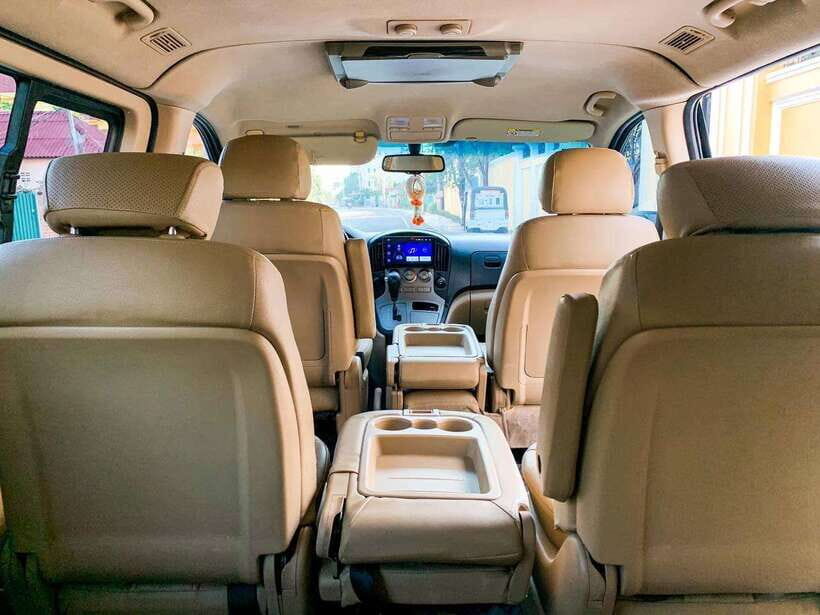
Also, the vehicle is air-conditioned. Angkor touring can mean long transfers between sites, and the heat stress adds up fast. If you’re traveling with older relatives or anyone who gets cranky when temperatures rise, the AC becomes part of your experience quality, not just a convenience.
The tour is private, too—your group only. That means the guide can keep your flow without waiting on strangers, and you can ask questions without feeling rushed.
Practical tips so you get more from every stop
- Wear shoes you can trust on stone and uneven ground. Beng Mealea especially can be rough.
- Use the early start. 5:00 am is there to help you get through Angkor with less friction.
- Budget for entrance and boat fees per person. You can’t skip them, so planning ahead protects your day.
- Bring sunglasses and a light layer. Temple mornings can feel cooler; midday often flips.
- Ask your guide for photo help if that matters to you. One of the strongest praises is that the guide can take great photos for you.
Who should book this 2-day Angkor and villages plan
This is a good fit if you want:
- a 2-day structure that hits major temples and also includes a lake village experience
- a private English-speaking guide who explains what you’re seeing
- the balance of famous Angkor spots and wilder ruins like Beng Mealea
If you only want the absolute most famous Angkor locations and nothing else, you might consider a more Angkor-only route. If you want the opposite—only quiet villages and not much temple time—this might feel temple-heavy.
But for most first-timers, the combination works: Angkor Wat and Ta Prohm anchor your trip, and Tonle Sap gives you that “Cambodia beyond the ruins” perspective.
Should you book this tour?
If you’re doing Angkor for the first time and you want a schedule that feels practical (early start, clear temple flow, plus Tonle Sap and Kampong Phluk), I think this tour is an easy yes. The price structure is also a plus: the $235 is per group (up to 10), so your per-person total depends on how many of you share the ride.
The only real reason to hesitate is if you dislike adding separate entrance and boat costs at multiple stops, or if you want long, unhurried time in just one temple. For a balanced two days with real Cambodian village scenery, this is a solid booking.
FAQ
FAQ
What time does the tour start?
The start time is 5:00 am.
How long is the tour?
It’s listed as approximately 2 days.
What does the $235 price include?
The price covers air-conditioned SUV or mini van transport, an English-speaking tour guide, cold drinking water, and cold towels. Pickup is offered, and you’ll use a mobile ticket.
Are meals included?
No. Meals and beverages are not included.
What entrance fees should I budget for?
Entrance fees are not included for Angkor Wat and other temples ($37.00 per person), Beng Mealea ($10.00 per person), and Tonle Sap Great plus Kompong Phluk (admission and private boat ride) ($22.00 per person).
Does the tour include pickup?
Yes, pickup is offered.
Is this a private tour?
Yes. Only your group will participate.
What kind of physical fitness do I need?
The tour notes that travelers should have a moderate physical fitness level.
What is the cancellation window?
You can cancel for a full refund up to 24 hours in advance of the experience start time.