REVIEW · SIEM REAP
Phnom Krom for Sunset Cycling Tour
Book on Viator →Operated by Siem Reap Bike Tour · Bookable on Viator
Golden hour on two wheels near Siem Reap.
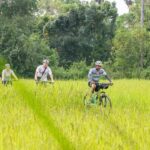
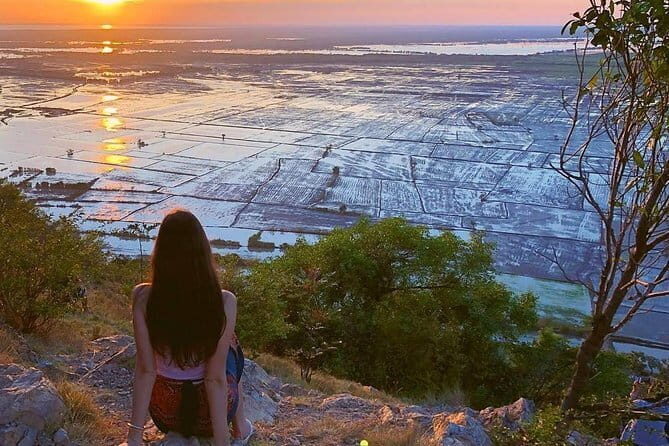
This sunset Phnom Krom ride turns a normal afternoon into a working-tour day in the real countryside: you’ll roll past rice-paddy fields and farmers, stop at Prasat Phnom Krom (Wat Chedei), and end with sunset views from Krom Mountain. I especially like the mix of practical biking and real-life stops, plus the way the guide sets you up to talk with locals and see how daily life actually works. One thing to consider: you’re cycling in the afternoon, so bring a good attitude for heat and uneven paths, and note that the temple area needs a temple pass that isn’t included.
What makes this one different is the pacing. You’re not just moving from point A to point B—you’re stopping often, getting time for photos in lotus fields and green paddies, and snacking like a local on the ride back. I also appreciate the bike quality for a $75 tour: modern mountain bikes with big gear ranges, disc brakes, and front suspension mean you can focus on the scenery instead of fighting the ride.
There’s also a social side. You’ll have a chance to meet villagers and students from nearby local schools, plus learn about local hand-products like Cambodia baskets and the lotus-fiber workshop. My only caution: if you want a totally easy, flat cruise, this probably won’t match your expectations.
In This Review
- Key highlights that make this tour worth your time
- Why Phnom Krom sunset works so well by bike
- Price and logistics: what $75 buys in real terms
- Prasat Phnom Krom and Wat Chedei: the temple moment on the hill
- Village life by bike: markets, schools, and everyday Khmer details
- Lotus farm and lotus-fiber cloth: a craft that feels practical
- Rice-paddy fields and photo stops that don’t feel rushed
- Krom Mountain sunset: snacks, light, and the ride home
- The biking experience: bikes, pace, and weather realities
- Who this sunset cycling tour is best for
- Should you book Phnom Krom for a sunset cycling day?
- FAQ
- How long is the Phnom Krom sunset cycling tour?
- What is included in the $75 per person price?
- Do I need to pay for temple admission?
- What time does the tour start in Siem Reap?
- Is this tour private?
- What stops and experiences are part of the route?
- What happens if the weather is bad?
Key highlights that make this tour worth your time
- Modern mountain bikes with disc brakes and front suspension for control on rural roads
- Sunset at Krom Mountain after visiting Prasat Phnom Krom and Wat Chedei
- Lotus farm experience tied to lotus-fiber fabric production in a workshop setting
- Photo-friendly countryside stops with lotus fields, rice-paddy fields, and farmers
- Local snacks and drinks included during the ride back
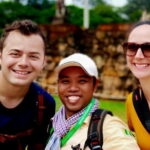
- Guides like Pok or Seyha (seen in past groups) who keep the stories human and practical
Why Phnom Krom sunset works so well by bike
Phnom Krom has that rare combo of temples and everyday life. You’re up on a hill for the sunset, but you get there through places most people only glance at from a car window. Cycling changes how you move through Siem Reap’s outskirts. You feel the road, you notice details, and you have built-in stops where the day slows down.
This is also a smart choice for golden hour. You leave mid-afternoon, then gradually shift toward the mountain as the light softens. That timing matters because you’ll be out for photos in good visibility, and you’ll still have energy for the final viewpoint.
The guide focus is another big reason I like this style of tour. Instead of only talking about sights, you’ll get context for how people live in the area—then you’ll meet villagers and students so it’s not just a lecture. It helps you understand what you’re seeing while you’re still close enough to ask questions.
You can also read our reviews of more cycling tours in Siem Reap
Price and logistics: what $75 buys in real terms
At $75 per person for about 4 hours, this tour aims for value in three ways: transportation, timing, and included comforts.
First, you get hotel pick-up and drop-off. That alone saves you the hassle of figuring out local rides for a half-day biking plan. Second, the tour includes modern mountain bikes with large gear sets, disc brakes, and front suspension. In practice, this means you’re not stuck on a basic rental bike that feels sketchy when you slow down for photos. Third, small items matter: bottle water and a Coke are included, and the tour builds in snack stops.
You’ll also check in with a mobile ticket, and you’ll ride as a private tour where only your group participates. That private setup helps if you want more conversation time with the guide, or if your group moves at a slightly different pace than the usual crowd tour.
One practical note: start time is listed as 2:00 pm, but the day’s flow mentions leaving the hotel around 2:30 pm. Expect pick-up near that earlier start, then a short buffer before you begin cycling.
Prasat Phnom Krom and Wat Chedei: the temple moment on the hill
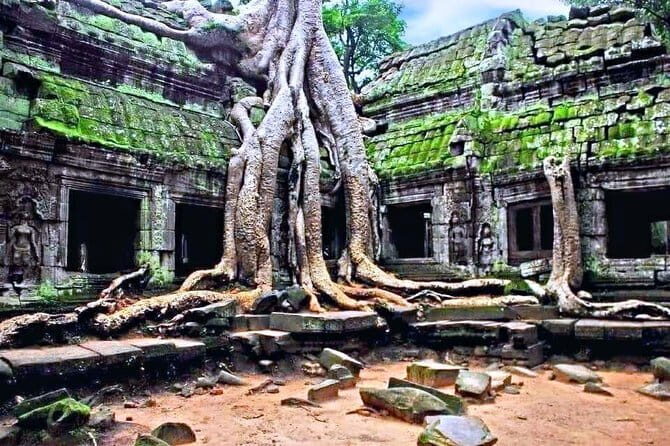
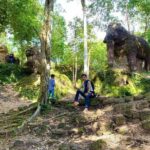
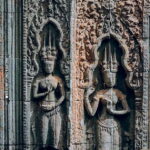
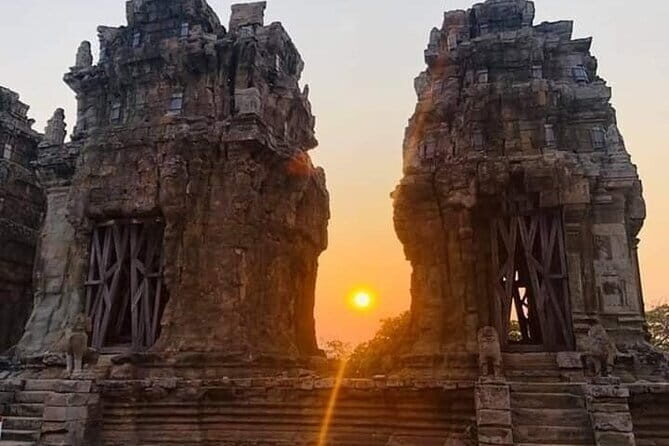
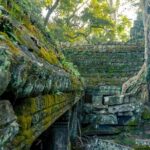
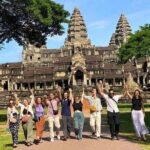
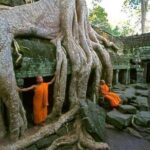
Your main temple stop is Prasat Phnom Krom, connected to the Khmer-era pagoda called Wat Chedei. This is the anchor point of the day, and it gives meaning to the final climb toward sunset.
What I like about doing the temple by bike is that you arrive with context. Before you get there, you’ve already seen farmers, rice-paddy life, and lotus work. Then the temple feels less like a random sight and more like part of the same region—spiritual place on a hill with ordinary life below it.
You should also plan for the temple cost. The tour lists that the temple pass / admission ticket is not included, so you may need to pay that separately on-site. Bring some cash just in case, because you don’t want to lose time during the best photo windows.
As for time at the temple: the tour runs about 4 hours total, and the schedule is packed with multiple rural stops. So keep your expectations realistic. You’ll get a real visit, but it’s not an all-afternoon temple marathon.
Village life by bike: markets, schools, and everyday Khmer details
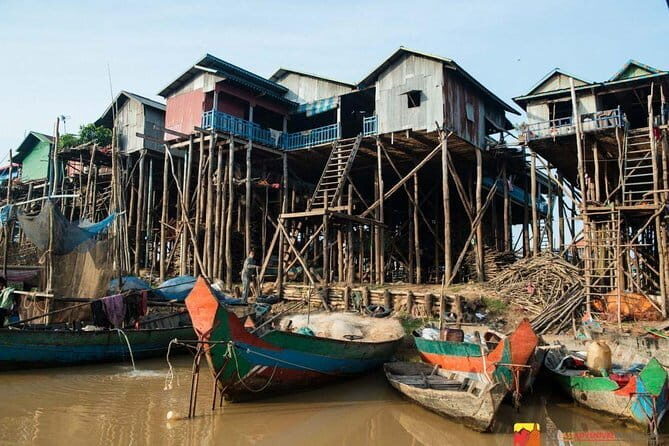
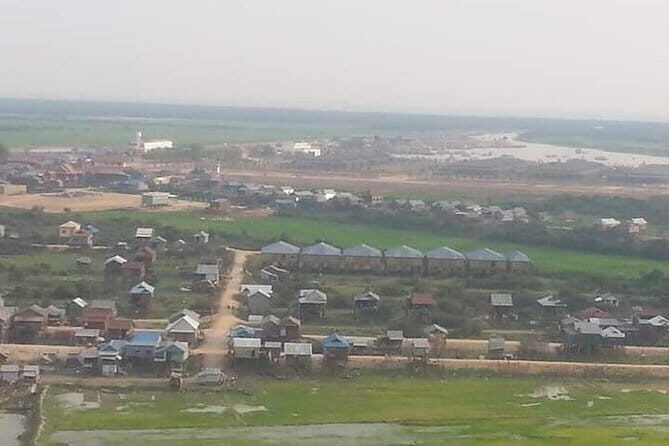
Between your hotel departure and the mountain, you’re set up for multiple forms of local contact, not just sightseeing.
One of your early stops is a local market area. You’ll ride through and see products laid out on the ground—exactly the kind of visual detail that doesn’t show up in souvenir shops. Markets are also where you can understand what people are buying and using right now, not what tourists typically take home.
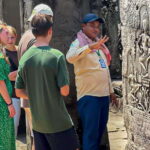
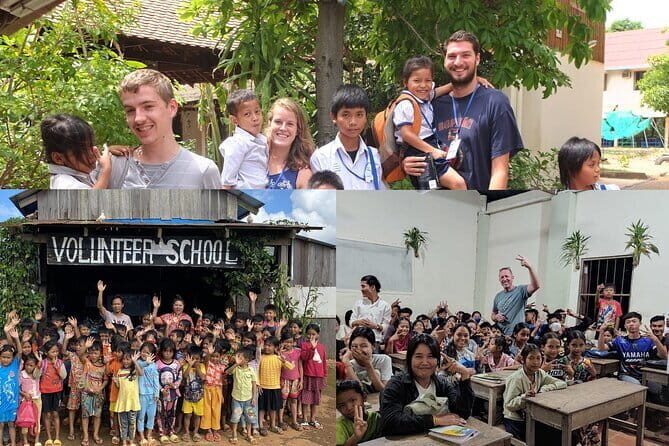
A major theme on this tour is rural daily life. The guide talks through what you’re seeing: farming routines, how people organize their work, and what it means to live in the area you’re riding through. Then you get a chance to meet and speak with villagers and students in nearby local schools. That part is powerful because it turns the countryside from a backdrop into a place with real people behind it.
There’s also a focus on local hand-products. You’ll learn about Cambodia basket making, which fits the day’s pattern: handmade items created close to raw materials and daily needs, not factory goods shipped in.
If you’re the kind of traveler who likes to ask questions and connect the dots, this portion will feel like the highlight. If you’re uncomfortable with conversation in a shared public setting, you can still watch and take in the scene—you’re never forced into anything, just given the opportunity.
Lotus farm and lotus-fiber cloth: a craft that feels practical
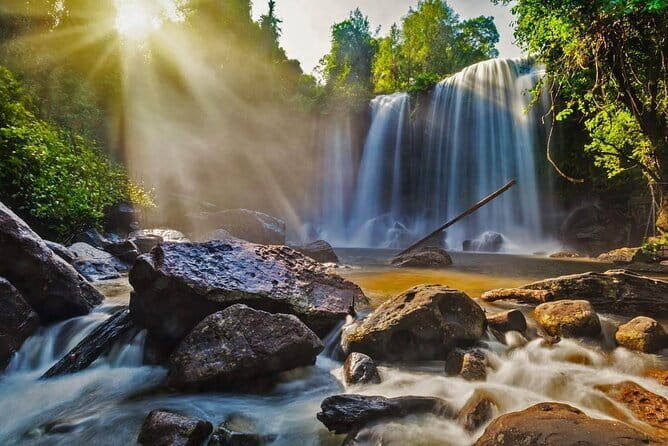
The tour includes a Lotus Farm stop described as a workshop that explains how lotus fiber becomes ecological fabric. The presentation style is meant to be entertaining, but it’s still hands-on learning: you’re seeing the steps behind the product, not just hearing marketing lines.
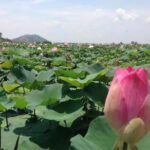
Why this matters for your day: lotus work connects the region’s farming with real craft. You’ll likely see lotus fields in the photo stops, then later learn how the plant’s fiber becomes something useful. That chain—from field to product—makes the countryside feel purposeful.
Also, lotus fiber is the kind of topic that makes a good souvenir conversation. Instead of buying an item and guessing where it came from, you can explain the basics of the process after the workshop.
One practical drawback: a workshop-style stop can mean you’ll spend some time standing, listening, and browsing. If you’re already tired from cycling, pace yourself during explanations and take photos when you can.
You can also read our reviews of more evening experiences in Siem Reap
Rice-paddy fields and photo stops that don’t feel rushed
A big part of the day is simply getting you into position for photos that look like Cambodia should look outside the main tourist corridors.
You’ll have chances for images of:
- Lotus fields
- Green rice-paddy views with farmers
- People in everyday work settings
- Scenic viewpoints leading up to the mountain
What makes this better than a stop-and-go sightseeing pattern is that you can actually get your camera (or phone) up without sprinting. The tour includes frequent stops, which also helps with comfort in the afternoon heat.
Also, you’re not only looking outward. The guide helps you understand what you’re seeing so photos feel less like random shots and more like a story you can share later. That’s a big deal if you want your Angkor-area day to feel more like lived-in Cambodia rather than a checklist.
Krom Mountain sunset: snacks, light, and the ride home
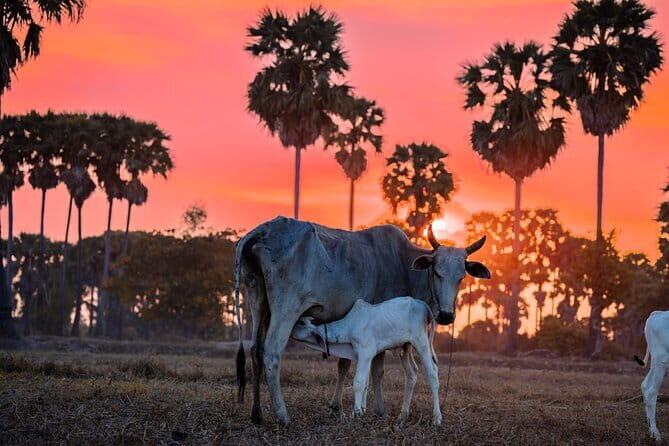
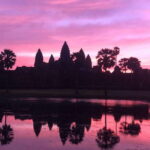
The day’s finish centers on sunset at Krom Mountain. This is the moment that makes all the earlier stops feel worth it. When the light changes, those paddies, temple areas, and fields start looking softer and more layered. Even if you’re not a professional photographer, sunset light is the easiest way to upgrade the entire day.
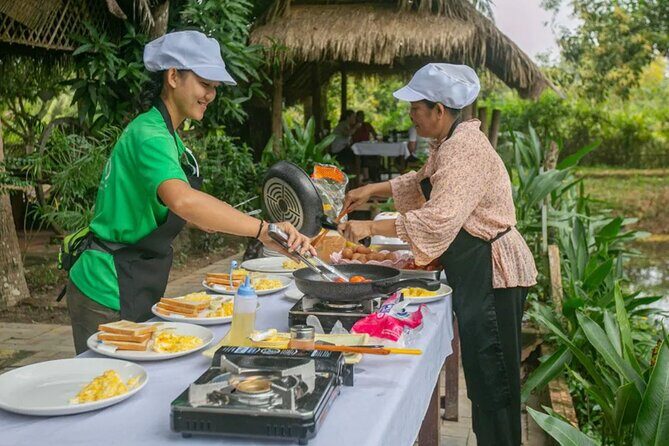
On the way back, you’ll stop for local snacks. Included options mentioned include:
- Baby duck egg
- Fruit shake
- Dessert
I like that these aren’t just generic tourist snacks. They fit the theme of everyday life and keep the energy up during the return ride. Since you’re cycling in the late afternoon, a snack stop also prevents that situation where people get quietly grumpy because they’re hungry and stuck on a bike.
One more practical point: the tour runs about 4 hours total, and sunset timing controls the pace. You’re not going to spend an hour waiting around at a viewpoint. You’ll get to see the sunset and then head back as the schedule requires.
The biking experience: bikes, pace, and weather realities
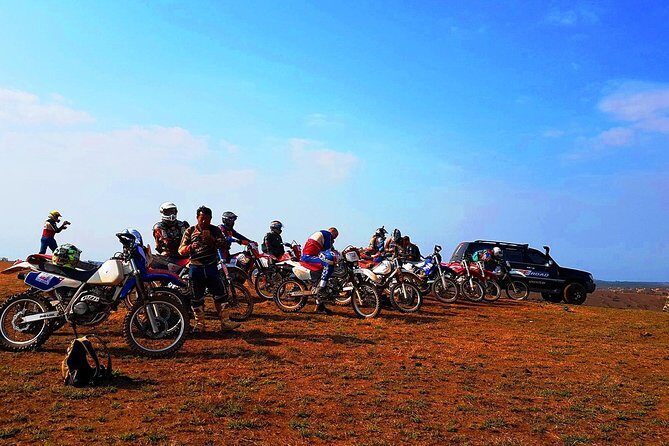
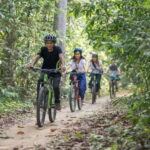
The tour includes modern high-quality mountain bikes, and that changes the comfort level a lot. Large gear sets help you adjust effort when the road changes. Disc brakes give you more reliable stopping power when you slow for photos or traffic. Front suspension adds comfort if the path is a bit rough.
Pace and fitness: the tour description says most travelers can participate, and past participants have also noted that being in good shape helps. That’s the honest middle. This is not a race, but it’s active enough that you’ll enjoy it more if you’re comfortable riding for part of the afternoon.
Weather matters here. The tour notes that this experience requires good weather. If conditions aren’t good, you’ll be offered a different date or a full refund. One group even mentioned cycling through afternoon monsoon rain, and the takeaway for you is simple: pack for changing conditions and be mentally ready for sudden shifts.
If you’re prone to sun burn or heat fatigue, plan accordingly. Start the day hydrated (water is included, but bring extra if you run hot), and consider light layers for evening as the air cools.
Who this sunset cycling tour is best for
This tour fits best if you want more than a temple photo and you like your sightseeing with real context.
You’ll probably enjoy it if you:
- Like gentle adventure and don’t mind an active half day
- Want rural Cambodia stops, not only famous monuments
- Enjoy talking with guides and learning how people live
- Want the mix of temple + lotus workshop + rice-paddy photos + sunset
You might skip it if you:
- Want a flat, fully easy ride with minimal stops
- Need a completely templated, large-city style day with long indoor breaks
- Are sensitive to outdoor weather changes in the afternoon
Families can consider it since the tour is listed as suitable for most travelers, but it’s still a cycling experience. Make sure everyone in your group understands it’s an active plan with stops and some riding time.
Should you book Phnom Krom for a sunset cycling day?
If you’re trying to make your Siem Reap area time feel more real, I think this is an easy yes. You get a worthwhile sunset finish, a temple stop at Prasat Phnom Krom/Wet Chedei, and multiple rural encounters that keep the day from feeling like a scripted loop. The included bike quality also makes it feel like you’re paying for an experience that runs on two wheels, not just a guided walk.
Book it if you want your Angkor-area trip to include lotus fiber work, rice-paddy life, market scenes, and conversation with locals—then you want that wrapped up with sunset from Krom Mountain. Skip it only if you’re mainly after a low-effort day with zero weather exposure.
FAQ
How long is the Phnom Krom sunset cycling tour?
It lasts about 4 hours.
What is included in the $75 per person price?
You get an English-speaking guide, modern mountain bikes with disc brakes and front suspension, bottle water and Coke, and hotel pick-up and drop-off.
Do I need to pay for temple admission?
Yes. Temple pass/admission ticket is not included.
What time does the tour start in Siem Reap?
The start time is listed as 2:00 pm, and the plan mentions leaving your hotel around 2:30 pm.
Is this tour private?
Yes. It’s a private tour/activity where only your group participates.
What stops and experiences are part of the route?
You’ll visit Prasat Phnom Krom, ride through a local market, see lotus fields and green rice-paddies, experience the lotus farm workshop, and end with sunset at Krom Mountain. You’ll also have snack stops on the return.
What happens if the weather is bad?
The experience requires good weather. If it’s canceled due to poor weather, you’ll be offered a different date or a full refund.