REVIEW · SIEM REAP
Shared tour: Kulen Mountain & Waterfalls – Small group
Book on GetYourGuide →Operated by Euro Khmer Voyages · Bookable on GetYourGuide
Sacred water and Khmer legends in one day. I like the way this trip bundles Phnom Kulen National Park with major temple-scale sights like the River of 1000 Shiva Lingas, so you feel like you covered the essentials without rushing. You also get a real sense of Cambodia beyond Angkor, with time in the countryside and village stops that explain how people live, not just what they sell.
The one thing to watch is pacing: it’s built as a structured shared-day route, so you won’t have tons of free time to roam on your own. Still, the human touch helps—guides like Narith Pong (and other helpful English-speaking guides) are often the difference between seeing monuments and understanding them.
Key Things to Know Before You Go
- Phnom Kulen’s role in Khmer origins gives context before you climb into the scenery.
- Waterfalls plus park walking means you’ll see the “big” sights and still get some movement.
- River of 1000 Shiva Lingas is one of those places where scale hits you fast.
- A major reclining Buddha stop adds a strong spiritual contrast to the water and carvings.
- Palm Sugar Village shows a traditional process, not just a quick photo stop.
- Small-group shared minibus keeps costs lower while still offering an English-speaking guide.
In This Review
- First Impressions: A 6.5-Hour Day That Balances Big Sights and Small Life
- The Ride Out: Rural Villages, Rice Paddies, and a Useful Window of Context
- Quick tip for the road
- Phnom Kulen National Park: Birthplace Myth Meets Real Scenic Power
- What you’re really seeing
- The Waterfall Moment: Seeing the Biggest Fall at Angkor
- Practical note
- River of 1000 Shiva Lingas: When Sacred Symbols Become a View
- The Reclining Buddha Statue: A Heavy, Peaceful Contrast
- Lunch Stop by the Waterfall: Good Timing, Then Back to the Plan
- What to pack in your head
- After Lunch: Palm Sugar Village and the Local Market Life
- Why this section is worth your time
- The Guide Makes It (Or Breaks It): English Translation and Local Meaning
- Price and Value: Is $75 Fair for a 6.5-Hour Shared Day?
- When the price might feel off
- Who This Tour Suits Best (and Who Might Want a Different Plan)
- Should You Book Kulen Mountain & Waterfalls?
- FAQ
- How long is the Kulen Mountain & Waterfalls tour?
- What’s included in the $75 price?
- Is lunch included?
- Where is pickup and drop-off?
- What are the main sights in the national park?
- Is the tour shared or private?
First Impressions: A 6.5-Hour Day That Balances Big Sights and Small Life
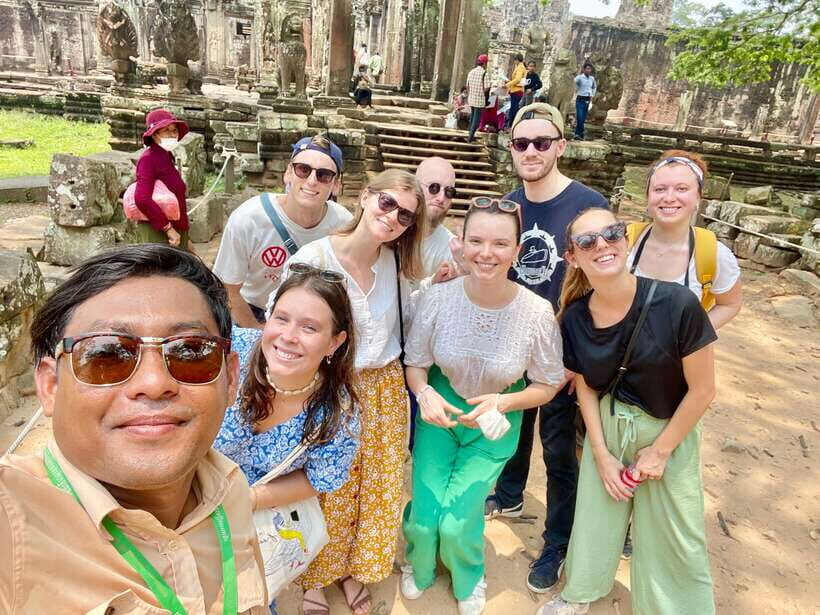
At $75 per person and about 6.5 hours total, this is a classic “morning mission” from Siem Reap. The structure is simple: you drive out together, spend concentrated time in Phnom Kulen, then return with a couple of village-and-market experiences.
What makes this day work well is that it doesn’t treat Phnom Kulen like a single-photo stop. You get time for viewpoints and key carvings, plus a guided explanation of why this place mattered to the Khmer Empire. That context can turn what looks like scenery into something you can actually place in Cambodian history.
The Ride Out: Rural Villages, Rice Paddies, and a Useful Window of Context
You’ll get picked up from your Siem Reap hotel by a shared minibus. The ride runs about 1.5 hours, and the drive is part of the experience—not just dead time.
As you head toward the national park, the route passes rural Cambodian villages, with views like rice paddies and traditional dwellings. The guide’s job here is practical: they connect what you’re seeing on the road to what you’ll see later in the park, so the day feels like one story instead of three separate stops.
You can also read our reviews of more tours and experiences in Siem Reap.
Quick tip for the road
Bring something for the ride if you’re sensitive to sun and heat (a cap, sunglasses, and water help). Even though the time outside is manageable, Cambodia mornings can feel warm quickly.
Phnom Kulen National Park: Birthplace Myth Meets Real Scenic Power
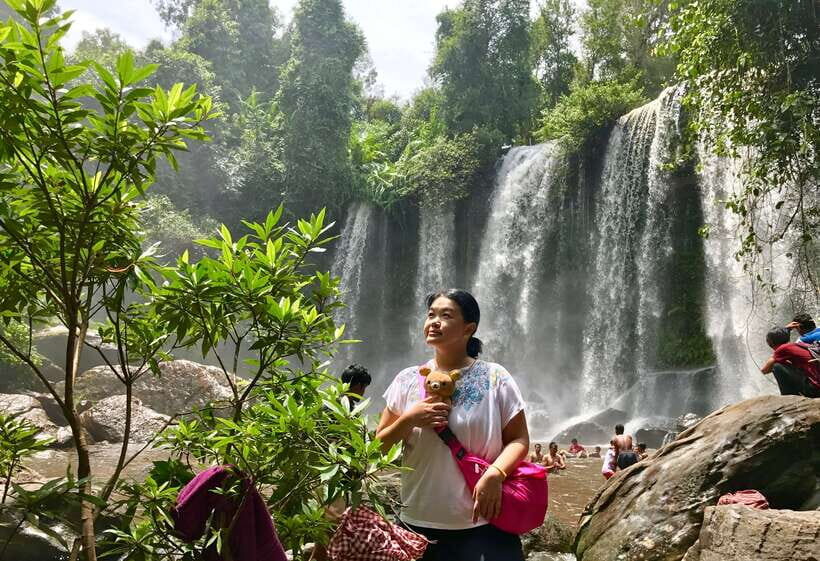
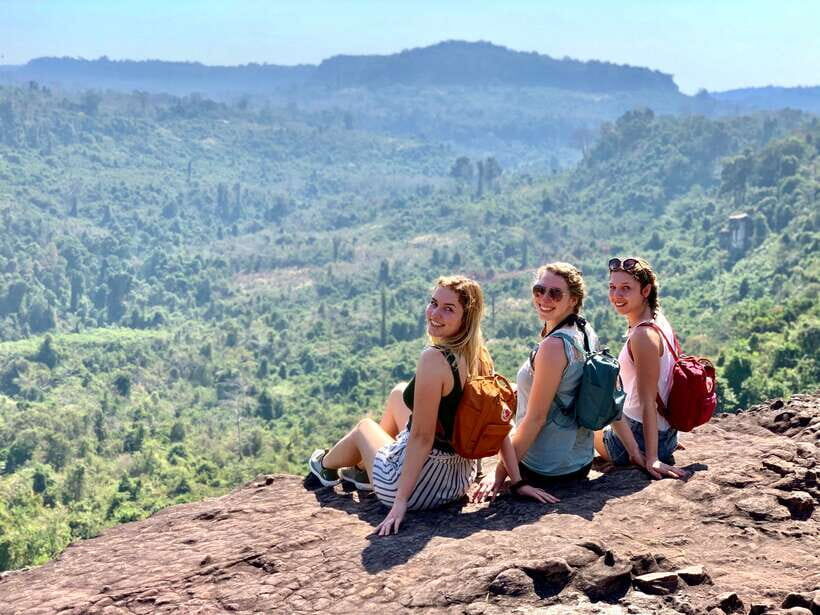
Once you reach Phnom Kulen National Park, the emphasis shifts to the big spiritual and natural highlights. This is the part that most visitors come for: waterfalls, carvings, and landmarks tied to the Khmer Empire’s story.
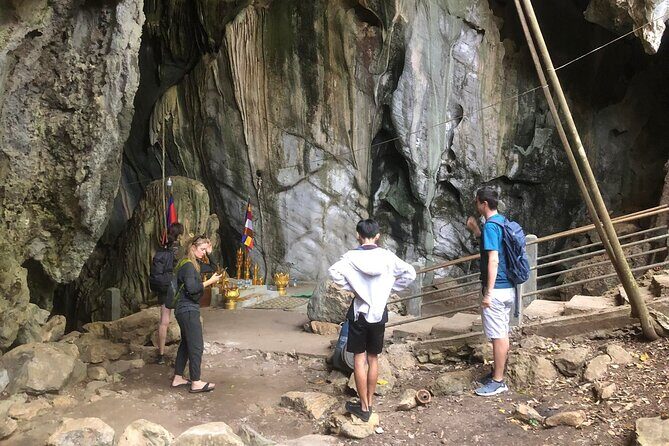
The day doesn’t just drop you at one point. You’ll have a guided route through the most important attractions in the park, with some walking involved (listed as about a 4-hour block inside the park). If you like getting off the bus for actual sight routes rather than staying in one spot, this format fits.
What you’re really seeing
Phnom Kulen is described as the birthplace of the Angkor Empire. That sounds grand, but the value here is how it makes the carvings and sacred features feel less random. You’re not just looking at rocks and statues—you’re learning why certain waters and symbols were central to belief.
The Waterfall Moment: Seeing the Biggest Fall at Angkor
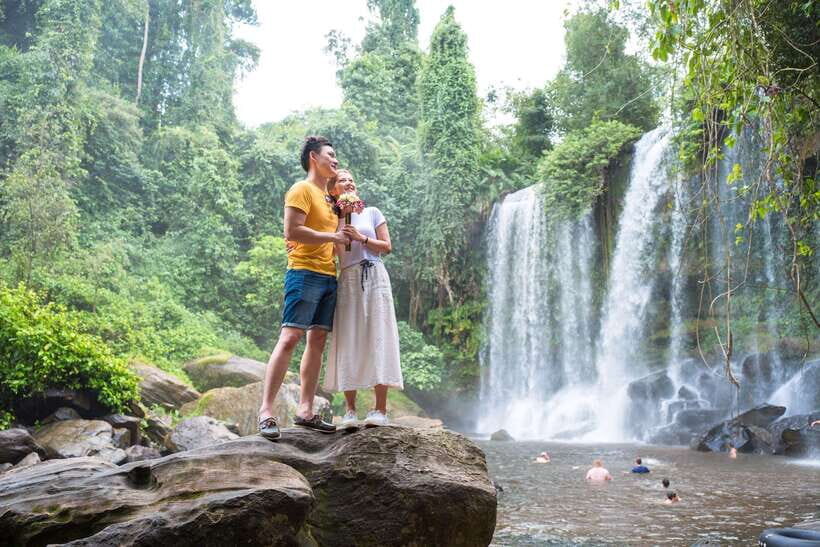
A major pull of the day is the waterfall experience—specifically the biggest waterfall at Angkor, associated with the park’s sacred reputation. This is one of those stops where photos are easy, but the sense of scale and sound is the real payoff.
You’ll have time in the park to reach the viewpoints and see the waterfall area as part of the broader walk. Keep your expectations honest: waterfalls can vary with season and recent rain, but even in softer conditions, the combination of misty views and guided explanations makes it worthwhile.
Practical note
Plan for wet ground near waterfall zones and bring shoes that handle uneven, possibly slippery areas. If you’re someone who hates wet feet, this is where you’ll either love it or wish you packed differently.
River of 1000 Shiva Lingas: When Sacred Symbols Become a View
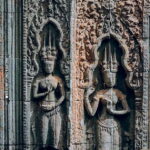
One of the most distinctive sights is the River of Thousand Shiva Lingas. It’s the kind of place where you look down and also look around, because the meaning isn’t only in the objects—it’s in how they’re arranged and how the water and stones interact.
What I like about including this is that it breaks the usual temple-day rhythm. Angkor is famous for massive temple complexes, but this is something more intimate and symbol-driven. You end up with a different perspective on what sacred space can look like.
This stop also tends to be the one people remember later because it’s visually unusual. Even if you don’t call yourself a religious history person, your eyes will do the work here.
The Reclining Buddha Statue: A Heavy, Peaceful Contrast
Another core highlight is the visit to the largest 16th-century reclining Buddha statue in Cambodia. After water, carvings, and sacred symbols, the reclining Buddha provides a calmer, heavier mood.
This is a smart inclusion for balance. You get movement and spectacle (waterfall and park features), then you shift into stillness and monument scale. If you’re traveling with anyone who gets bored by purely natural sights, this section gives them something grounded and iconic.
Lunch Stop by the Waterfall: Good Timing, Then Back to the Plan
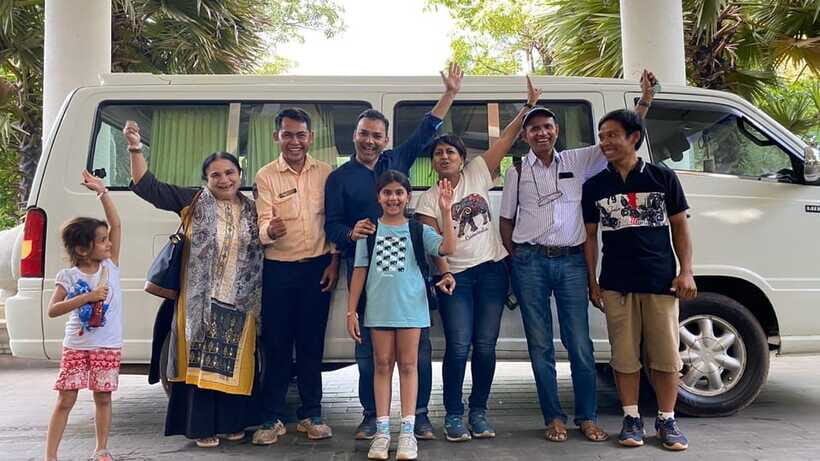
Midday includes a lunch stop near a nearby waterfall. Lunch is not included in the price, but the setup is convenient: you can choose from a variety of Khmer cuisine at your own expense.
This is one of those moments where you should think like a logistics manager. If you have a sensitive stomach, eat something simple. If you’re adventurous, you can sample more local dishes. Either way, you’ll likely feel better if you pace your meal—this tour continues afterward, so you don’t want a food coma.
What to pack in your head
You’re not spending all day eating, so don’t make lunch your biggest priority. Think of it as fuel for the last stretch: village and market time.
After Lunch: Palm Sugar Village and the Local Market Life
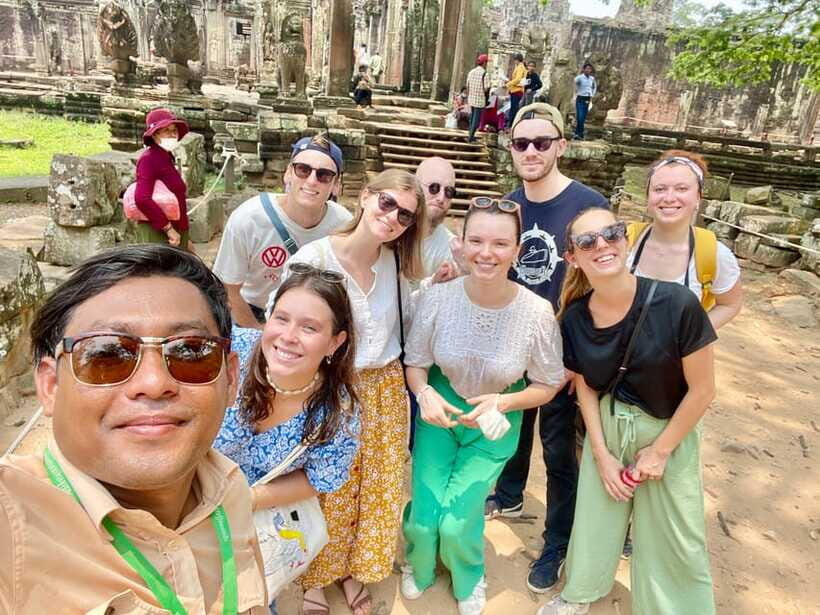
After lunch, the route turns toward everyday culture. First comes a local market stop in Siem Reap, described as the largest local market in the area. This is where you get to see daily shopping and local rhythms in a more casual setting than temple walls.
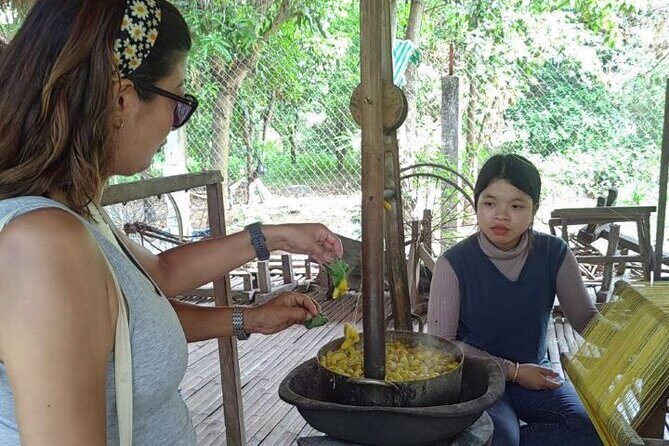
Then you head to Palm Sugar Village, where you can see how palm sugar is made using traditional methods passed down through generations. This is one of the best parts of the day if you like craft processes, food traditions, or hands-on cultural details—even if you don’t plan on buying anything.
Why this section is worth your time
Monuments tell you what people built. Palm sugar and market life tell you how they lived. That contrast is a big part of why the day feels more complete than a straight “scenery and temples only” excursion.
The Guide Makes It (Or Breaks It): English Translation and Local Meaning
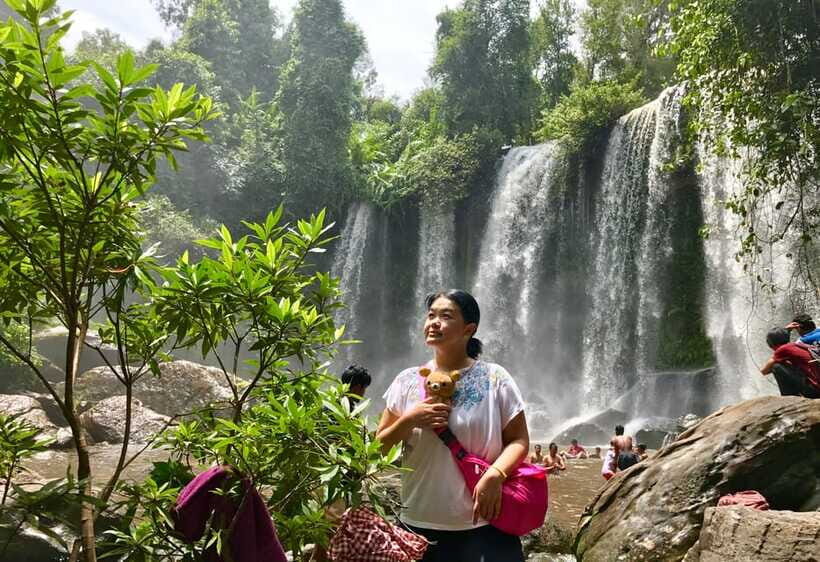
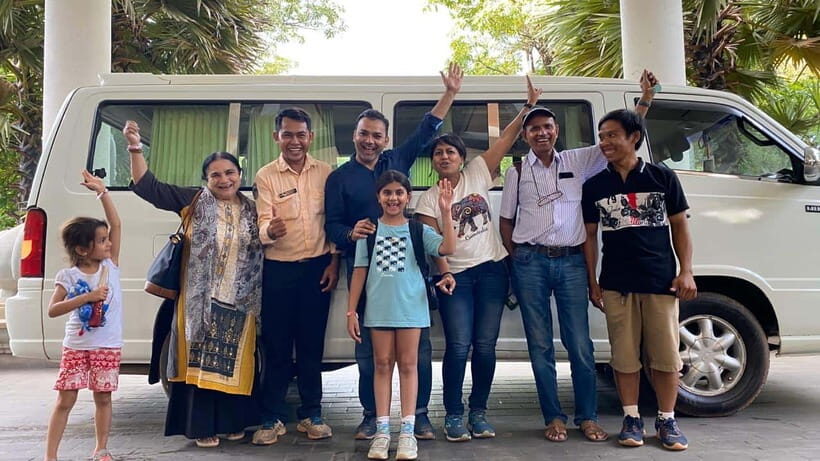
This is an English-language tour with a fully vaccinated guide and driver, and that matters more than many people expect. Phnom Kulen’s significance isn’t always obvious just from looking. Having someone explain what you’re seeing—especially at sites like the River of Thousand Shiva Lingas—changes your experience from sightseeing into interpretation.
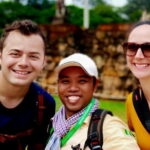
From the feedback, guides such as Narith Pong are noted for being courteous and attentive, and other English-speaking guides (including names like Sean and Vuthy) also show up as friendly, helpful, and organized. When a guide keeps the day moving smoothly, you feel less like you’re being rushed and more like you’re being guided.
Price and Value: Is $75 Fair for a 6.5-Hour Shared Day?
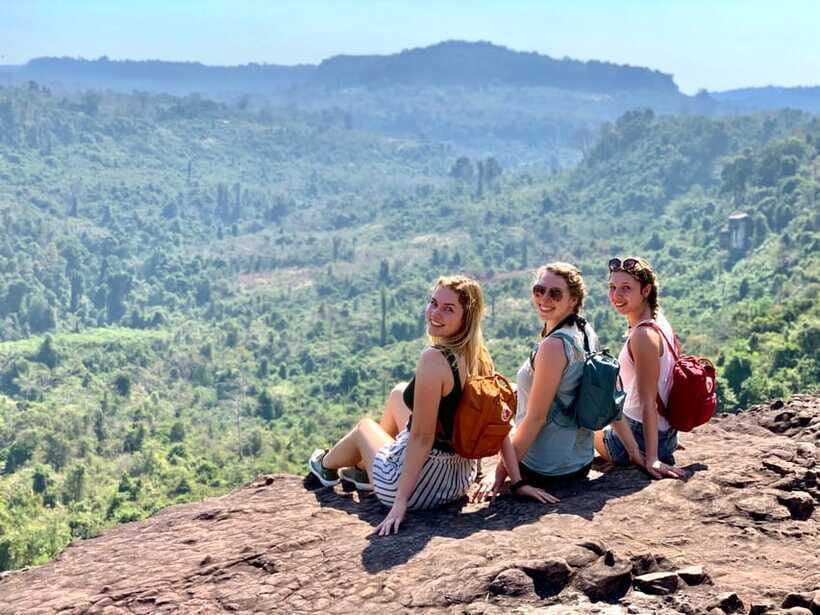
Let’s talk real value. At $75 per person, you’re paying for hotel pickup and drop-off, park entrance, transportation, and an English-speaking guide. You’re also not carrying the entire logistical load, which is a hidden cost of DIY.
Is it cheap? No. But is it reasonable for Cambodia day-trip costs—especially with a national park entrance and guide support—often yes.
When the price might feel off
Some people dislike days that include village or workshop-style stops, especially if they prefer total independence or if they expected a longer time inside the park only. If you’re the type who wants maximum time outdoors and minimum time shopping-adjacent, go in with eyes open. This day is designed as a package, not a flexible buffet.
Who This Tour Suits Best (and Who Might Want a Different Plan)
This trip fits best if you want:
- A structured day that covers major Phnom Kulen highlights without planning
- Clear explanations in English so the symbolism lands
- A mix of nature (waterfalls, park walking) and culture (market + palm sugar)
You might prefer something else if:
- You hate structured schedules and want hours of free roaming
- You’re only interested in Angkor-area monuments and don’t care about village life
- You want lunch included and dislike paying for meals separately
Should You Book Kulen Mountain & Waterfalls?
I’d book it if you’re in Siem Reap and you want Phnom Kulen to feel like a real experience, not a checkbox. The combination of the big waterfall, the River of 1000 Shiva Lingas, and the major reclining Buddha is a strong lineup, and the countryside drive plus palm sugar village makes the day feel more connected to Cambodian life.
If you’re sensitive to pacing and prefer zero “tour structure,” you may find the route limiting. But if you like a guided day where you learn as you go, this shared small-group format is a solid value.
FAQ
How long is the Kulen Mountain & Waterfalls tour?
The tour duration is 6.5 hours.
What’s included in the $75 price?
Included are hotel pickup and drop-off, transportation, the entrance fee for Phnom Kulen Mountain, and a fully vaccinated English-speaking guide and driver.
Is lunch included?
Lunch is not included. You stop for lunch at a nearby waterfall area where you can buy Khmer cuisine.
Where is pickup and drop-off?
Pickup and drop-off are provided from Krong Siem Reap (your hotel in Siem Reap is included, so you’ll share your hotel name and room number for the driver).
What are the main sights in the national park?
You’ll see Phnom Kulen National Park highlights such as the waterfalls, the River of 1000 Shiva Lingas, and the reclining Buddha statue.
Is the tour shared or private?
This is a shared-group tour with small group options available, using a shared minibus for transport.